
2 min walk
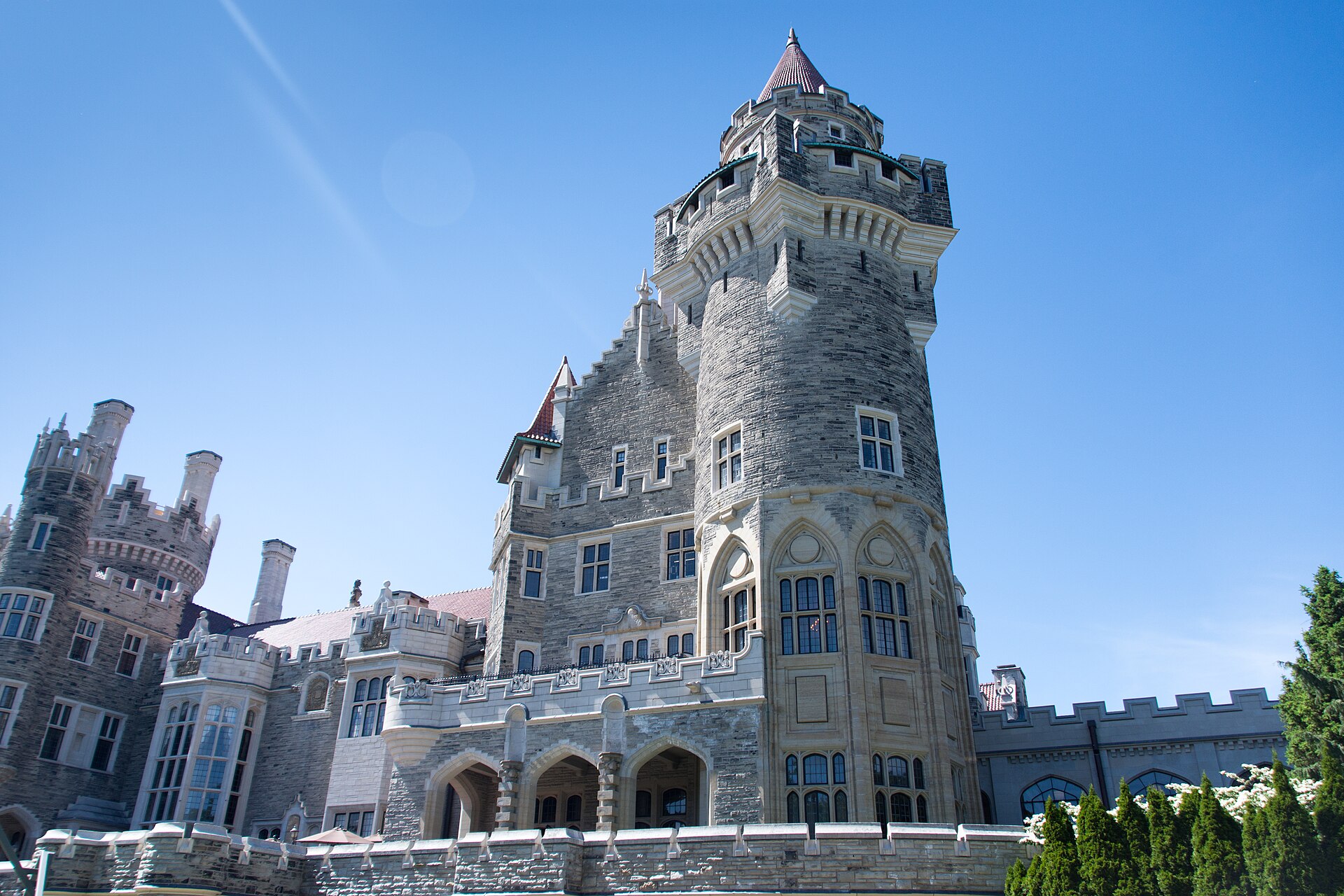
Casa Loma
- Must see · Heritage site
- Historic monument
Language · 11 published
Museum · Toronto
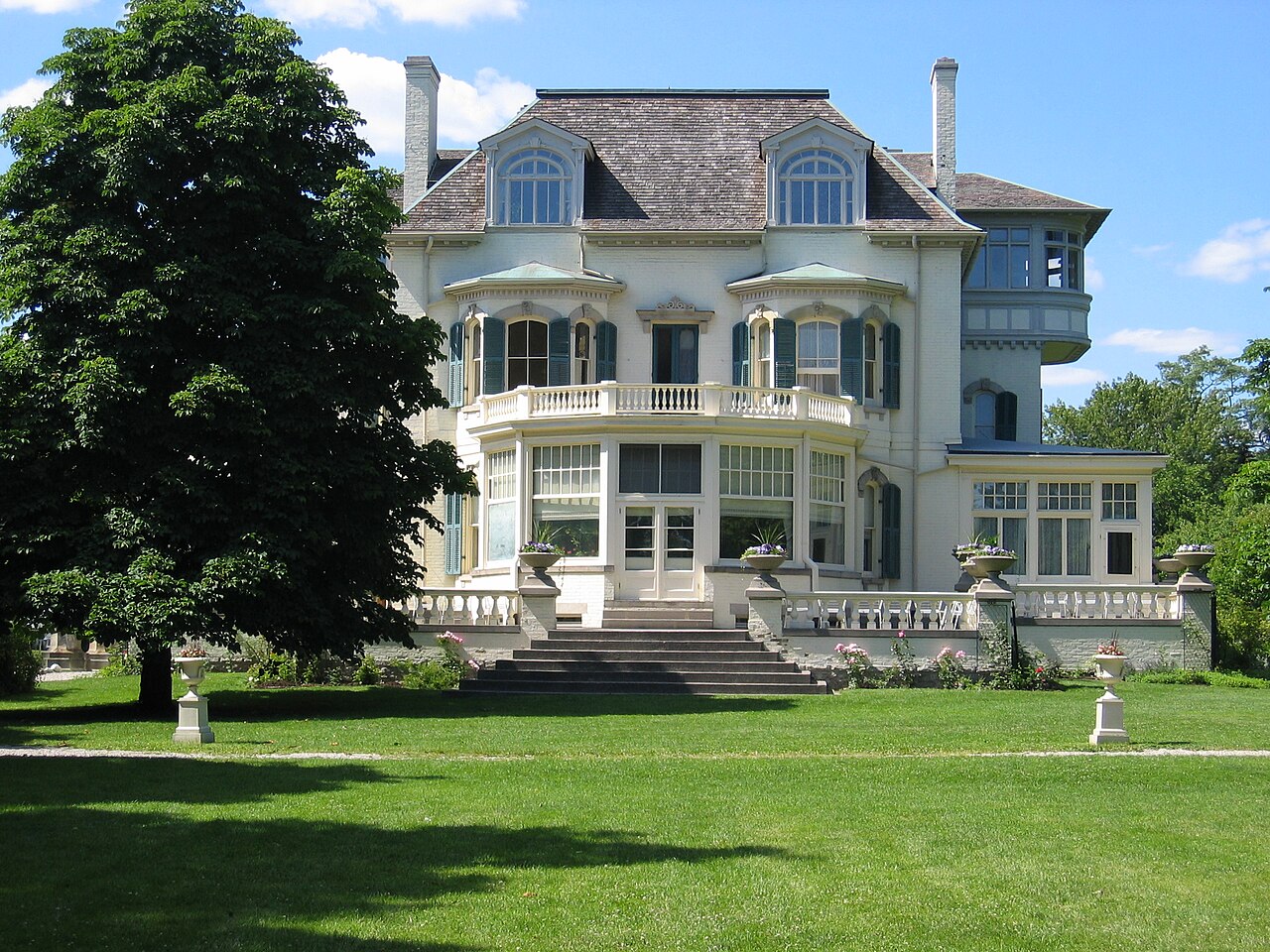
Spadina Museum
Reviewed by Elena Voss · Roavina Travel Editor
| Monday | Closed |
|---|---|
| Tuesday | Closed |
| Wednesday | 11:00 – 17:00 |
| Thursday | 11:00 – 17:00 |
| Friday | 11:00 – 17:00 |
| Saturday | 11:00 – 17:00 |
| Sunday | 11:00 – 17:00 |
Parsed from OpenStreetMap opening hours on 2026-09-09.
This place is a Museum. It opened in 1984. It was built in the Art Deco style. It carries the national historic site of Canada heritage designation.
Spadina Museum is a historic house museum in Toronto, preserving an upper-class residence and the domestic world of wealthy families across changing eras. Its rooms, furnishings, and grounds turn social history into something you can read at household scale: architecture, decoration, technology, and daily routines all appear together. The visit offers a more intimate contrast to Toronto’s large public museums, with the house itself serving as the main historical object. Come for a focused look at how privileged urban life was arranged and presented. Spadina Museum is a historic house museum in Toronto. It occupies a former upper-class residence that preserves and interprets the lifestyle of wealthy Toronto families across multiple historical periods. No. They are separate historic house museums in Toronto with different histories, architectures, and collections, though both interpret upper-class residential life.
Checked 2026-08-26 · Source
Move through furnished period rooms containing furniture, decorative arts, textiles, personal objects, preserved woodwork, historic lighting, and other details from the resident family’s household. The interiors show changing Victorian, Edwardian, and later tastes alongside the arrival of modern conveniences. Outside, the gardens and grounds extend the domestic story into the landscape around the house. Look at how rooms connect, how objects are arranged, and how technology changes from one period to another.
Checked 2026-08-26 · Source
Plan on one to two hours for the furnished rooms and grounds. An hour gives you a concentrated house visit; closer to two hours leaves space to study decorative details, follow the domestic story through several rooms, and spend time outside. The compact scale makes Spadina Museum easy to fit beside another Toronto stop, while its dense interiors reward a slower pace than a quick photograph. Add time when visiting with a group or when you want to examine the house’s architecture, objects, and gardens carefully.
Checked 2026-08-26 · Source
A quieter weekday morning gives the period rooms a more reflective atmosphere, while summer and autumn make the gardens and grounds especially worthwhile. Seasonal schedules can shape how much of the property you experience, so place the museum in a day with room for a considered visit rather than a rushed pass. Weather matters mainly for the outdoor portion; the historic interiors remain the centre of the experience. Special events and group activity can change the feel of the house, making quieter periods preferable if you want to focus on the rooms and collections.
Checked 2026-08-26 · Source
Plan Spadina Museum as a heritage-house visit rather than an attraction with one universal experience. Entry relates to access to the preserved rooms and grounds, while any organised tour or programme forms part of the museum’s visitor offer. The value lies in seeing the furnished interiors in context, so budget time for the full house instead of treating the exterior as the entire stop. The compact setting also makes this an approachable cultural visit when you want architectural and social history without committing to a very large museum.
Checked 2026-08-26 · Source
Spadina Museum is a Toronto heritage destination reached through the city’s transit, walking, cycling, and road network. The property is better approached as part of a planned cultural outing than as an incidental downtown stop, because historic-house visits reward a little time around the arrival and departure. Walking and cycling are practical in suitable weather, while transit connects the wider area. If you are travelling with mobility needs, include the house’s historic layout in your planning: period architecture can involve narrower passages, stairs, and uneven surfaces.
Checked 2026-08-26 · Source
Historic interiors come with stairs, narrow doorways, and floors that retain the character of an older house. Move carefully, especially in wet or icy weather when outdoor paths may become slippery. Do not touch furnishings or objects, and keep children close around delicate displays. Indoor temperatures may feel different from modern buildings, while some rooms may have tighter circulation than visitors expect. Follow staff directions and any photography rules in the house. The building’s age is part of its charm, but it also calls for a slower, more attentive visit.
Checked 2026-08-26 · Source
The period rooms provide close, detailed subjects: woodwork, textiles, lighting, furniture, decorative objects, and the transitions between Victorian, Edwardian, and later interiors. Outside, photograph the house in relation to its gardens and grounds rather than isolating only the facade. Use available light gently and keep equipment from blocking narrow passages. Flash, tripods, and commercial shooting can conflict with the care of historic interiors, so follow the house’s posted rules and staff directions. The best images explain how the residence functioned as a lived environment.
Checked 2026-08-26 · Source
No. They are separate Toronto historic houses with different architecture, histories, and collections, although both explore aspects of affluent residential life.
You can see furnished period rooms, decorative arts, furniture, textiles, personal objects, historic woodwork and lighting, plus the gardens and grounds around the house.
Allow one to two hours for the period rooms, household displays, architecture, and grounds.
The interiors show changing Victorian, Edwardian, and later styles, including shifts in decoration, household technology, and domestic routines.
Yes. The gardens and grounds around the historic house extend the visit beyond the furnished interiors.
Expect a historic-house layout with period rooms, narrower passages, stairs, and uneven surfaces that call for careful movement.
Loading the interactive map…
The interactive map could not be loaded.
Last updated:
Source: OpenStreetMap contributors, Wikidata ·