
5 min walk
Koerner Hall
- High
- Art and culture venue
Language · 11 published
Museum · Toronto
Reviewed by Elena Voss · Roavina Travel Editor
| Monday | 10:00 – 17:00 |
|---|---|
| Tuesday | 10:00 – 17:00 |
| Wednesday | 10:00 – 17:00 |
| Thursday | 10:00 – 17:00 |
| Friday | 10:00 – 17:00 |
| Saturday | 10:00 – 17:00 |
| Sunday | 12:00 – 17:00 |
Checked 2026-08-31 · Source
Read from the OpenStreetMap access tags; anything not listed has no tag recorded.
Set the group type to family in the planner and the day window contracts to about three quarters of a solo day.
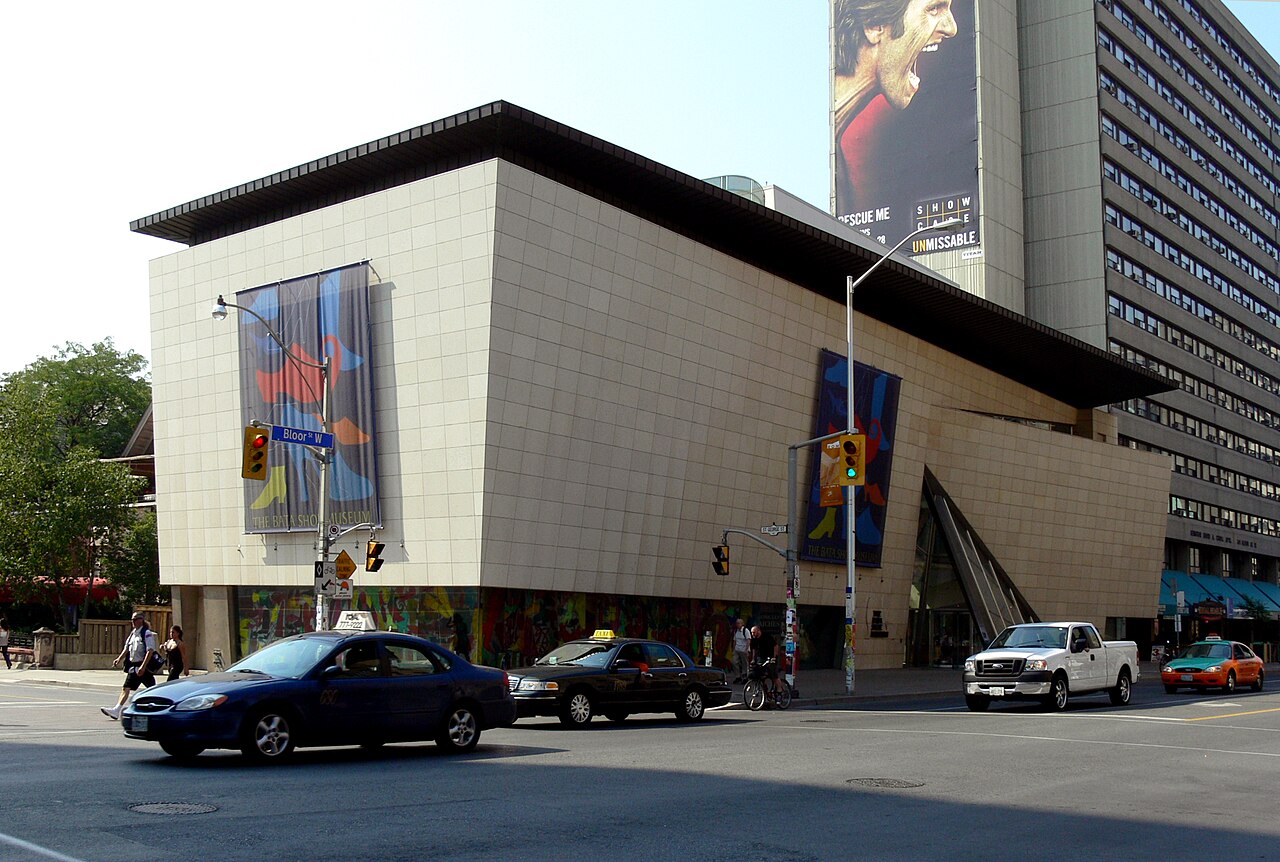
This place is a Museum. It was established in 1995. It was designed by Raymond Moriyama.
Bata Shoe Museum is a Toronto institution devoted to footwear as cultural evidence. Its subject is unusually focused: shoes are examined not simply as accessories, but as objects that reveal design, materials, construction, work, movement, status, and identity. That perspective distinguishes this museum from Toronto’s large encyclopedic art and natural-history institutions. Begin by asking what each pair says about the people who made it, wore it, or valued it. Look for the relationship between practical purpose and visual expression, then consider how ordinary footwear can record technology, occupation, ceremony, taste, and changing ideas of dress. The museum’s strength is this sustained attention to a familiar object. A visit feels most rewarding when you allow the displays to change how you read shoes in everyday life, rather than treating the collection as a quick catalogue of unusual shapes.
Checked 2026-09-02 · Source
Build the visit around the footwear displays and the connections they make between personal objects and wider history. Look closely at soles, fastenings, stitching, surfaces, decoration, and signs of wear. Those details can suggest whether a shoe was made for work, ceremony, movement, protection, display, or self-presentation. Read the interpretive text instead of judging the collection only by silhouette. Compare utilitarian construction with decorative ambition, and notice how material choices point to available technology and intended use. Temporary exhibitions and individual displays may change, so the museum’s current visitor information matters when one particular gallery or programme is central to your plans. The collection works best as a connected argument: one object gives you questions that make the next object easier to understand.
Checked 2026-09-02 · Source
Allow roughly 90 to 120 minutes for a focused visit to Bata Shoe Museum. That window gives you time to orient yourself, examine a meaningful selection of footwear, read interpretive text, and pause over objects whose significance is not immediately obvious. Move more slowly if material culture, fashion history, or design interests you; construction details reward close attention. Families may prefer a first pass followed by a few chosen displays, while specialist visitors can extend the stop through deeper reading. Add practical margin for entry, toilets, permitted photographs, and the walk to the next Toronto destination. If a temporary exhibition is central to your plan, allow additional time rather than compressing the main collection into a hurried circuit.
Checked 2026-09-02 · Source
The recorded schedule is Monday through Saturday, 10:00–17:00, and Sunday, 12:00–17:00. Arriving near opening on a weekday can give you a calmer start for close looking and label reading. Sunday’s later opening suits a slower museum-district itinerary, but it leaves less time before the 17:00 closing time. Plan around the museum’s actual hours rather than assuming nearby cultural venues open together. Keep a buffer before closing for final displays, toilets, photographs where permitted, and onward travel. Holiday arrangements, temporary closures, and programme schedules may differ from the regular pattern, so verify those details on the museum’s visit page before fixing a tightly timed route.
Checked 2026-09-02 · Source
The recorded general admission is CAD 16 per person. Include that amount in your Toronto day’s cost and treat it as an individual admission, not a vehicle or group total. If a special experience is central to your plan, confirm its terms on the same visit page before paying or arranging a tightly timed itinerary. The museum’s current conditions take precedence over older travel writing, map listings, and copied price summaries.
Checked 2026-09-02 · Source
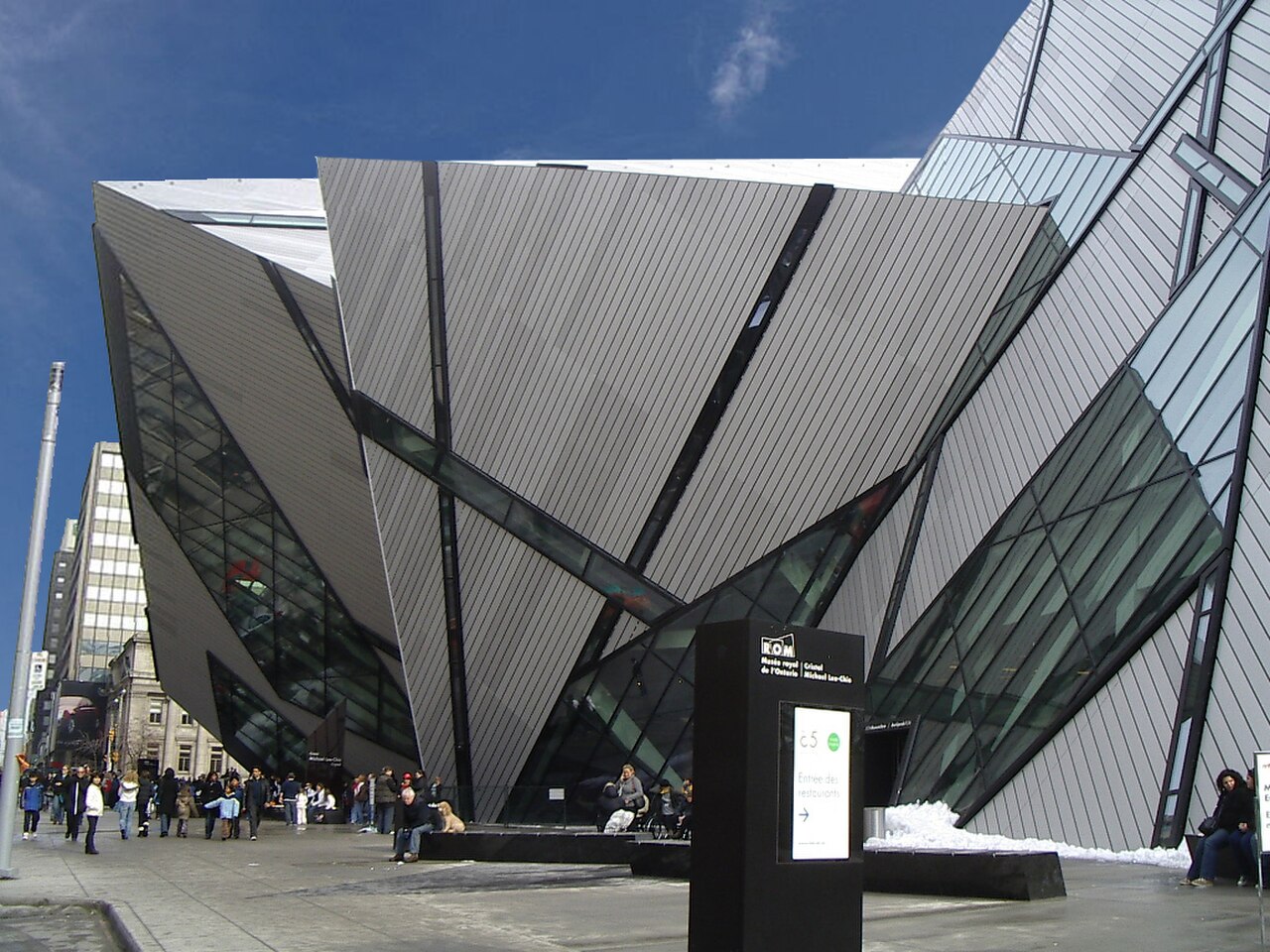
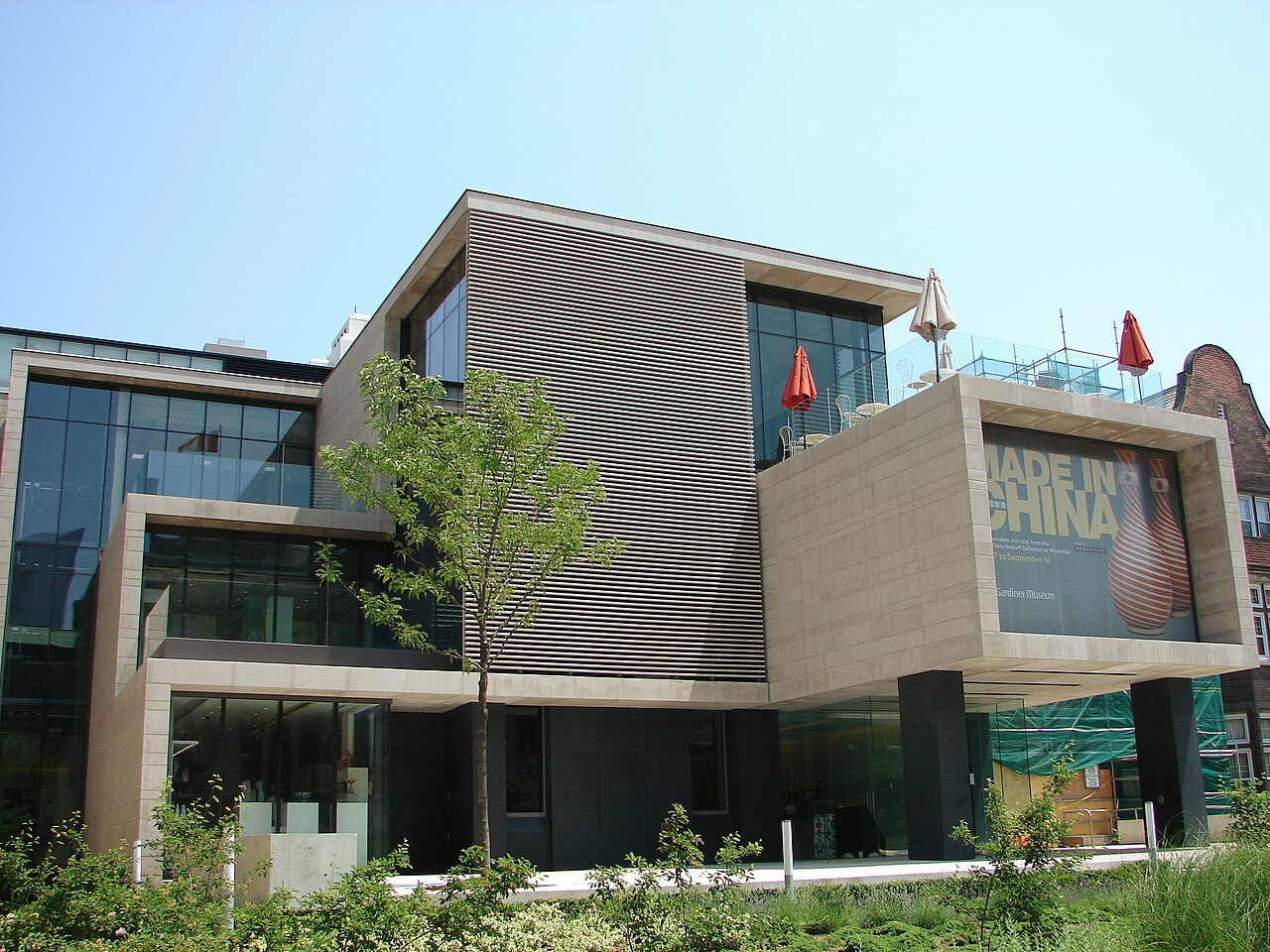
Bata Shoe Museum is near Museum Station in Toronto’s central museum district, making it a practical anchor for a culture-focused day. Use the museum’s directions to identify the visitor entrance rather than navigating only to a centre coordinate, especially when an accessible approach matters. From another downtown stop, walking may be practical, but allow time for crossings, station access, queues, weather, and mobility needs. The Royal Ontario Museum, Gardiner Museum, and Queen’s Park are nearby candidates, yet opening times and energy levels should determine the order. Plan realistic transfer time between addresses so this specialist collection is not reduced to a rushed final stop.
Checked 2026-09-02 · Source
Before fixing Bata Shoe Museum into a tightly timed Toronto day, verify holiday arrangements, temporary closures, and visitor instructions on the museum’s pages. Inside, follow posted guidance about circulation, touching cases, and photography, and give other visitors room to examine small objects and read labels. The FAQ records step-free access, accessible toilets, and toilets, although the most convenient route can still depend on current gallery arrangements and individual needs. Contact the museum ahead when a particular access requirement is decisive.
Checked 2026-09-02 · Source
The displays reward close, patient observation, so photography is most useful when it records materials, construction, decoration, and the relationship between an object and its label. Keep equipment and companions clear of circulation routes, and do not block a case while composing a picture. A compact record might include the exterior, one contextual display view, and several permitted details. If a label matters, note its subject in your own words as well as making an image, since reflections or low light can make text difficult to read.
Checked 2026-09-02 · Source
Bata Shoe Museum is a specialist Toronto museum devoted to footwear and its cultural history. It examines shoes through design, materials, construction, work, movement, social status, and identity, giving familiar objects wider historical meaning.
Allow roughly 90 to 120 minutes for a focused visit. Add time if you read extensively, are especially interested in material culture or fashion history, or want to include a temporary exhibition.
The recorded schedule is Monday through Saturday, 10:00–17:00, and Sunday, 12:00–17:00. Review the museum’s visit page for holiday closures or temporary changes before travelling.
The recorded general admission is CAD 16 per person. Confirm current concessions, children’s rates, memberships, and separately ticketed programmes on the museum’s visit page.
Prioritise the footwear displays and read them through design, construction, materials, work, movement, status, and identity. Comparing practical and decorative shoes shows why this specialist collection is more than a fashion display.
Nearby candidates include the Royal Ontario Museum, Gardiner Museum, and Queen’s Park. Confirm each venue’s entrance, hours, and realistic walking or transit time before combining them in one Toronto day.
Loading the interactive map…
The interactive map could not be loaded.
Last updated:
Source: OpenStreetMap contributors, Wikidata ·