


2 min walk
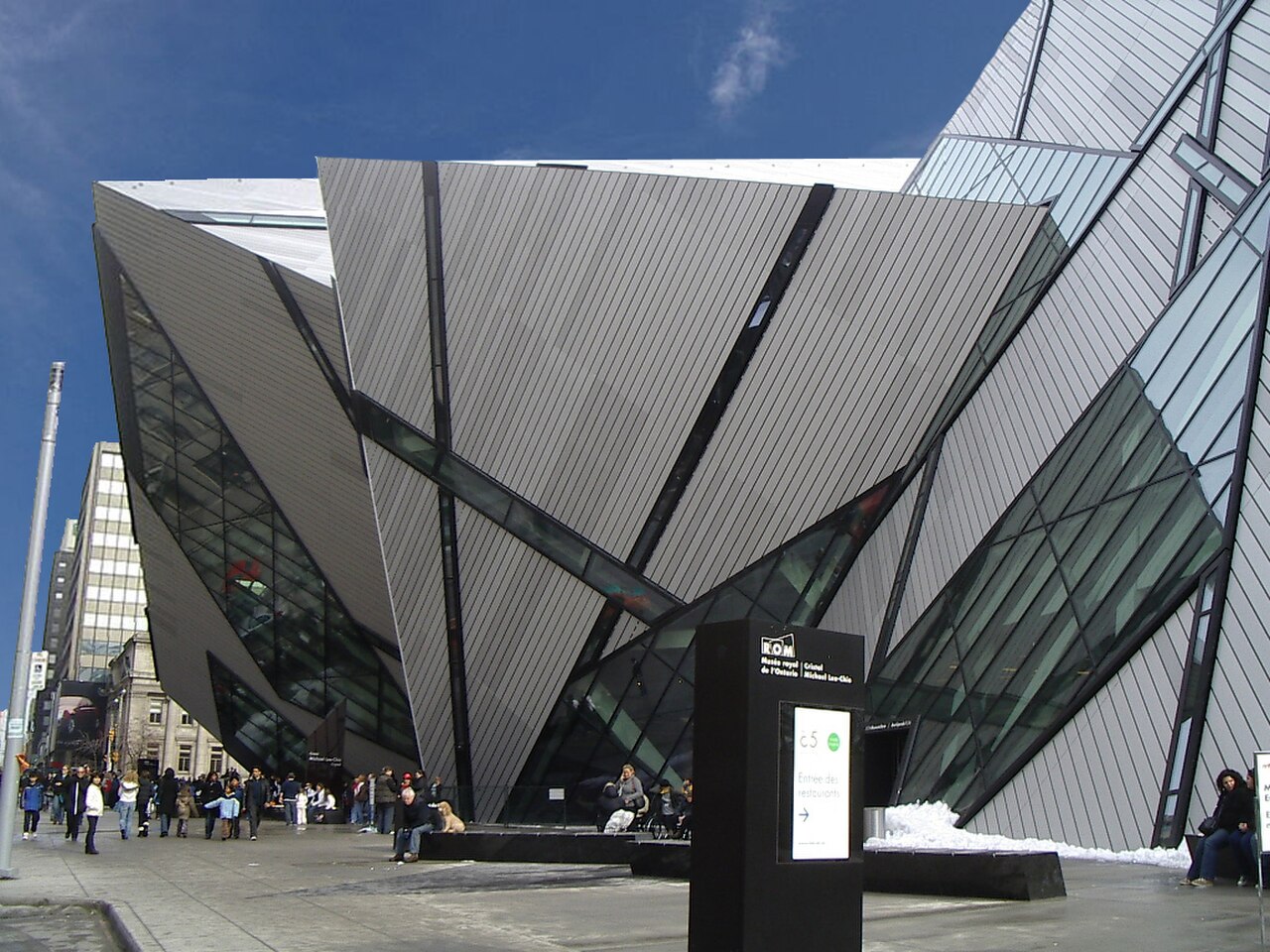
Royal Ontario Museum
- Must see
- Museum
Language · 11 published
Art and culture venue · Toronto
Reviewed by Elena Voss · Roavina Travel Editor
This place is a Theatre.
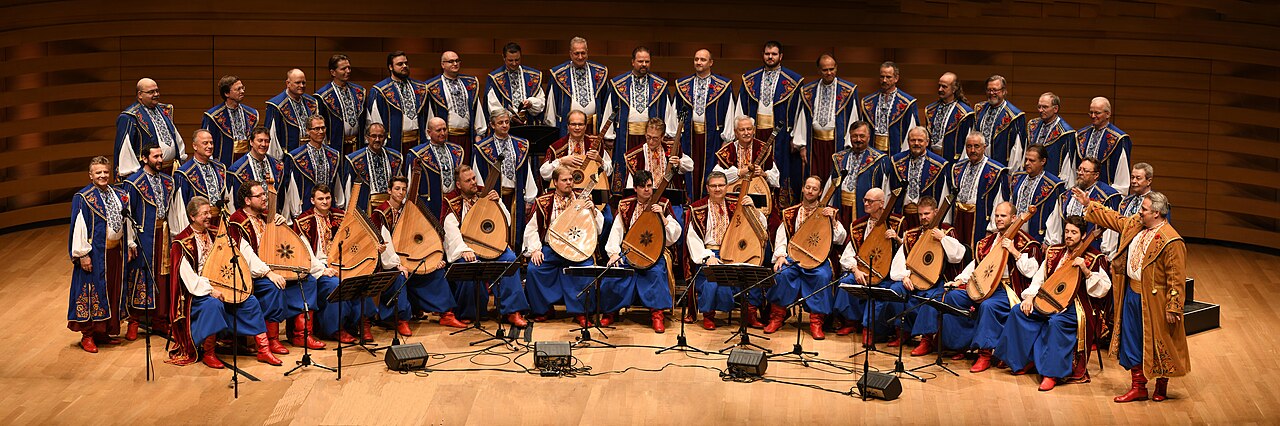
Koerner Hall is a concert venue within Toronto’s Royal Conservatory of Music. It hosts classical, jazz, chamber, and contemporary performances in an intimate hall designed around close audience-performer contact and carefully shaped acoustics. The venue’s identity is tied to live music: for most visitors, the central experience is attending a scheduled concert rather than touring a building as a standalone museum. Koerner Hall is a concert venue located within the Royal Conservatory of Music in Toronto, Canada. It serves as a primary performance space for the institution and hosts a variety of musical events throughout the year. The hall was made possible through a significant donation by the Koerner Foundation, which supports cultural and educational initiatives across Canada. Its design integrates modern acoustic engineering with an intimate atmosphere intended for classical, jazz, and contemporary performances. Contact the venue directly for current visitor policies.
Checked 2026-08-26 · Source
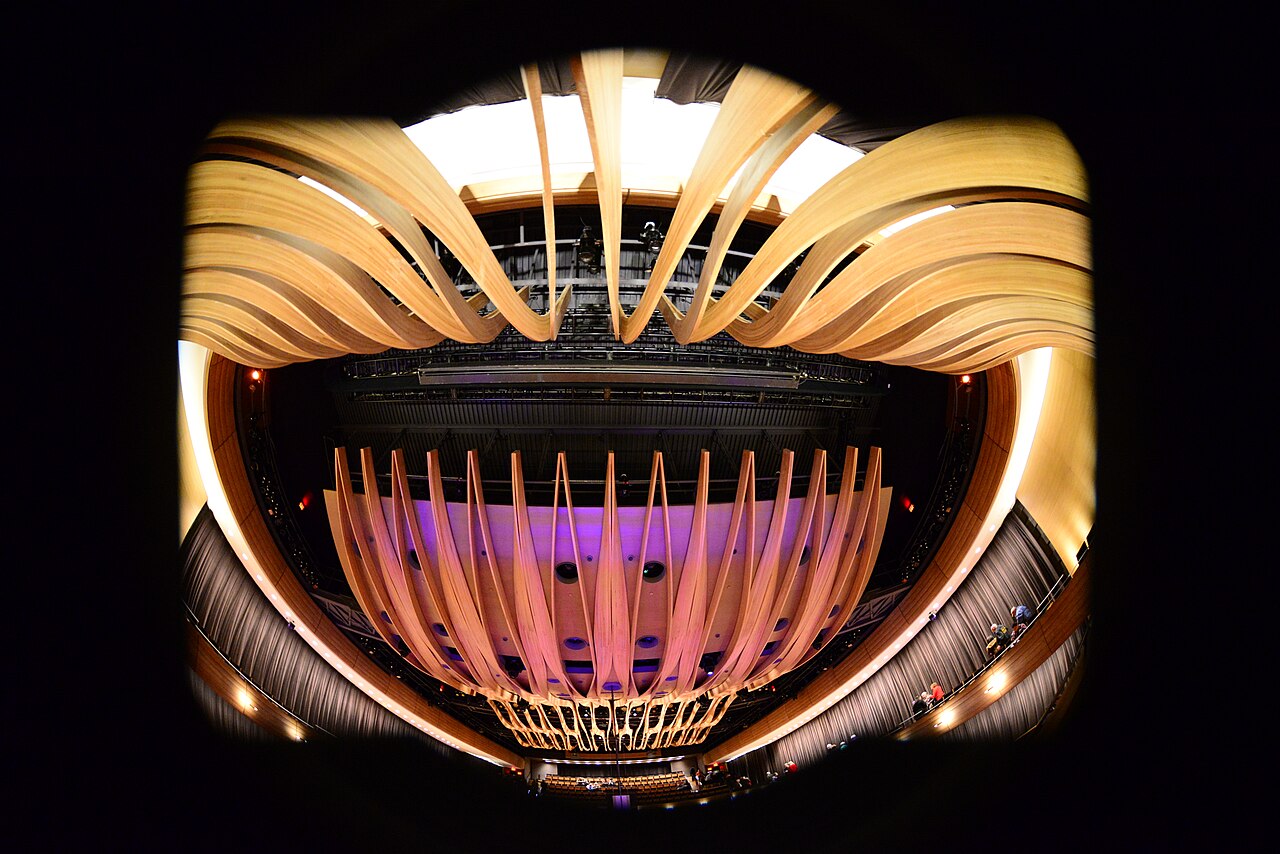
The hall uses wood finishes and adjustable acoustic elements to support performances. Its seating brings the audience close to the stage, while backstage facilities serve visiting artists and ensembles. Koerner Hall forms part of the wider Royal Conservatory complex, which also includes teaching studios, other performance spaces, and the Temerty Theatre. Follow the conservatory’s internal signs from the main building to the hall. The hall features seating arranged to provide proximity between performers and audiences, with acoustics designed by specialized consultants. The interior includes wood finishes and adjustable acoustic elements. Backstage facilities support visiting artists and ensembles. The venue connects to the broader Royal Conservatory complex, which contains additional performance spaces, teaching studios, and the Temerty Theatre. Visitors enter through the conservatory's main building, where signage directs patrons to the hall entrance and seating areas. A flexible visit lets travellers connect Koerner Hall with the rest of the day without treating one room, viewpoint or photograph as the whole experience. The useful pace depends on personal interest and conditions on arrival.
Checked 2026-08-26 · Source
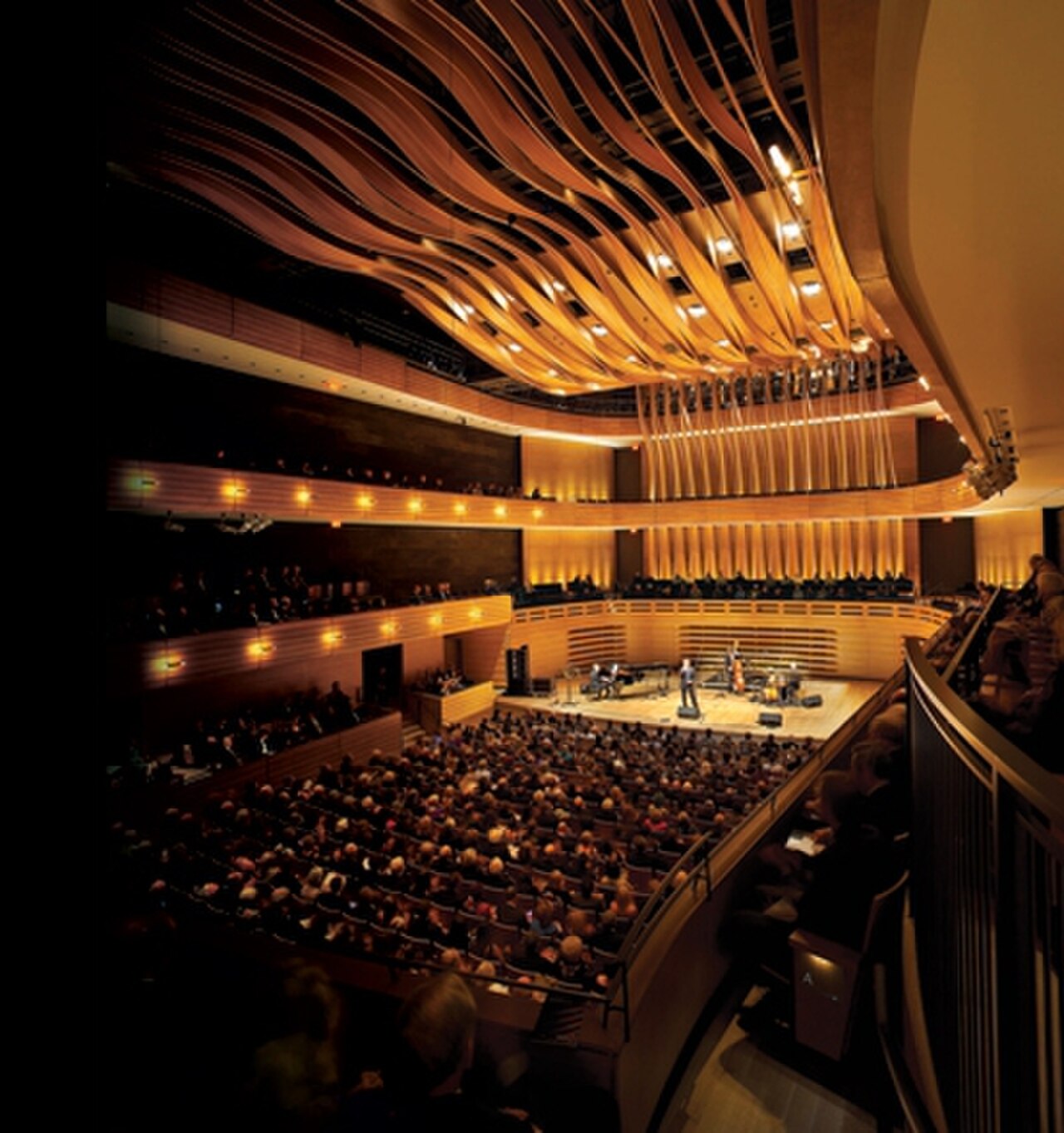
The length of a visit depends on the performance. Classical concerts commonly occupy two to three hours including an intermission, while recitals or chamber programs may be shorter. Arrive about thirty minutes before the listed start to find your seat and settle in. The venue’s public access is centred on performances, so a concert schedule shapes the practical length of the stop. Performance durations vary by event type. Classical concerts typically span two to three hours including intermission. Recitals and chamber music programs may run shorter.
Checked 2026-08-26 · Source
Koerner Hall’s busiest role is during the concert season, with many performances arranged for evenings and weekends. Programming spans classical, jazz, and contemporary music, so the best time depends on the artist and style you want to hear. Autumn through spring carries the main seasonal rhythm, while individual events determine the exact date and start time for a visit.
Checked 2026-08-26 · Source
Concert attendance requires a ticket bought through the Royal Conservatory box office or an authorised seller. Prices vary with the performance, artist, and seating section. Single tickets and subscription arrangements form part of the venue’s concert model, and popular programs reward arranging seats in advance. Treat the ticketed event as the admission product rather than expecting general museum-style access to the hall.
Checked 2026-08-26 · Source
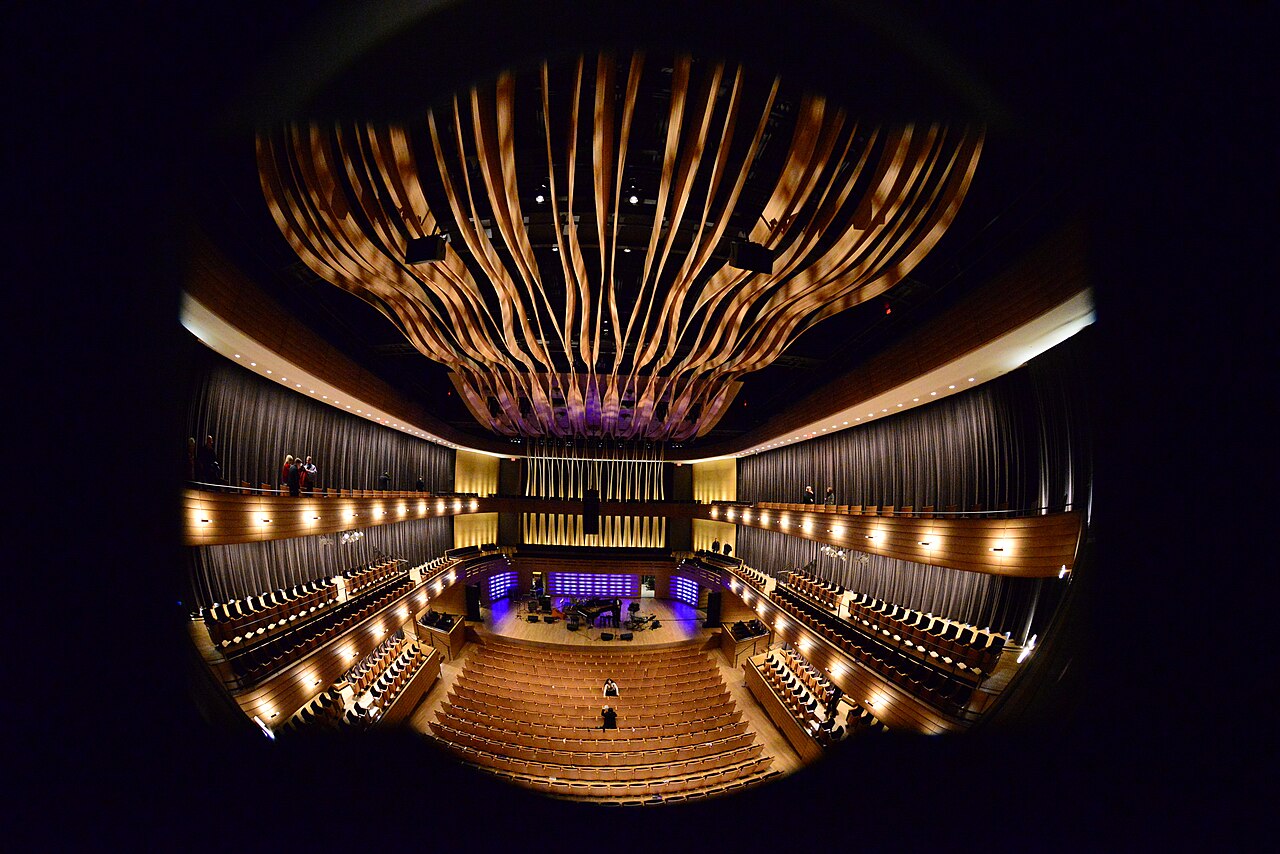
Koerner Hall is near Bloor Street and Avenue Road in central Toronto. Museum station on Line 1 is about a five-minute walk south, while St. George station on Lines 1 and 2 is farther west. Buses serve Bloor Street, and the hall is walkable from the University of Toronto and Royal Ontario Museum district. Nearby parking is limited, with paid lots in the surrounding area.
Checked 2026-08-26 · Source
Concert etiquette matters in the intimate hall. Keep mobile phones silent, and late arrivals may wait for a suitable break before taking their seats. Photography and recording are generally restricted during performances. Accessibility arrangements should be raised with the box office before purchase, particularly when choosing seating involving stairs or fixed configurations. Event timing, coat-check arrangements, and audience procedures can differ between programs.
Checked 2026-08-26 · Source
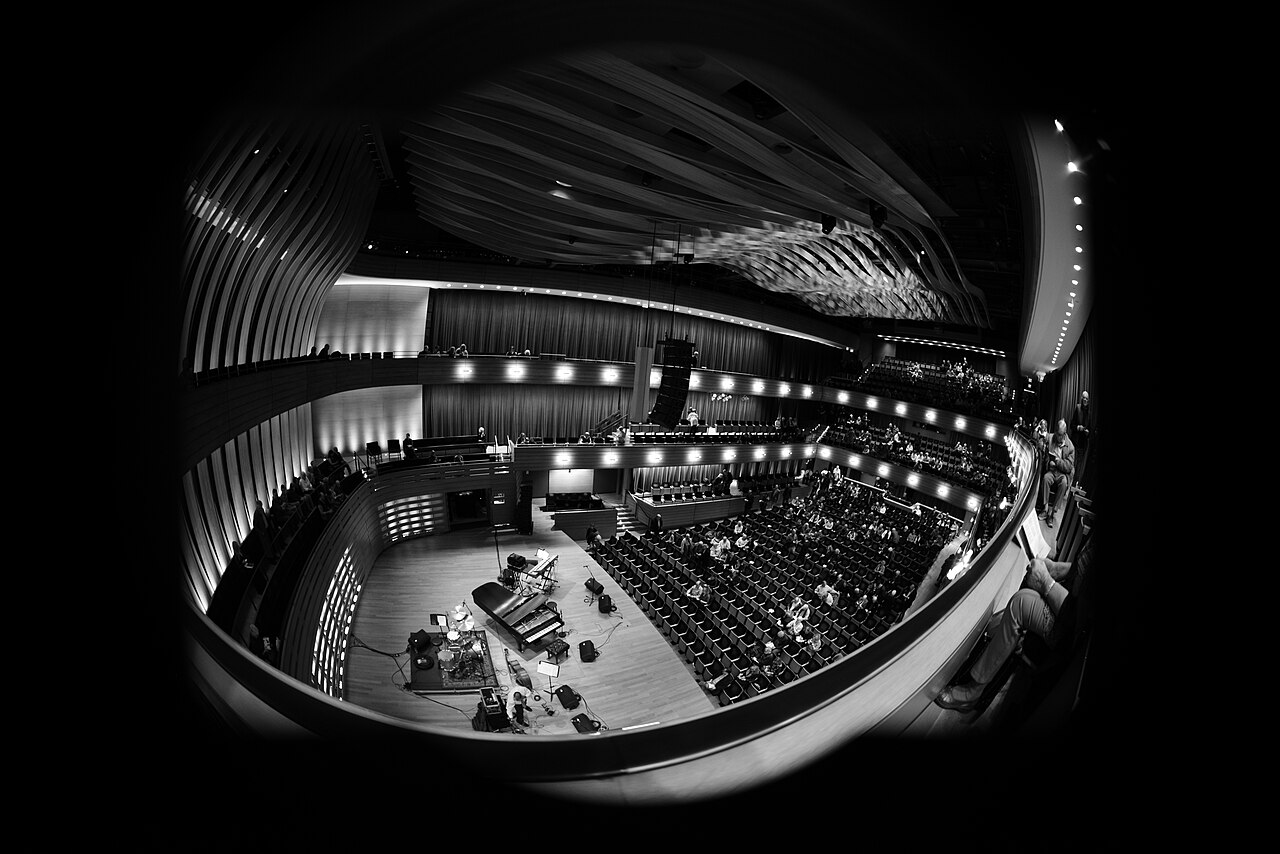
The hall’s wood interior, ceiling, seating arrangement, and stage create strong architectural subjects when photography is permitted. During performances, recording and photography are restricted to protect artists and the audience’s concentration, and flash should not be used. Open-house or designated moments may offer different opportunities. For commercial or promotional images, obtain permission from the Royal Conservatory before using the venue as a setting.
Checked 2026-08-26 · Source
Koerner Hall hosts live classical, jazz, chamber, and contemporary music performances as part of Toronto’s Royal Conservatory of Music.
Classical concerts commonly last two to three hours including an intermission, while recitals and chamber programs may be shorter.
Arriving about thirty minutes before the scheduled start gives you time to enter the conservatory, follow signs, and find your seat.
Museum station on Line 1 is approximately a five-minute walk south of the hall. St. George station is another nearby option farther west.
The programme includes classical, jazz, chamber music, and contemporary performances, with the specific style determined by each scheduled event.
It is inside the Royal Conservatory of Music near Bloor Street and Avenue Road, close to the Royal Ontario Museum and the University of Toronto campus.
Loading the interactive map…
The interactive map could not be loaded.
Last updated:
Source: OpenStreetMap contributors ·