
2 min walk
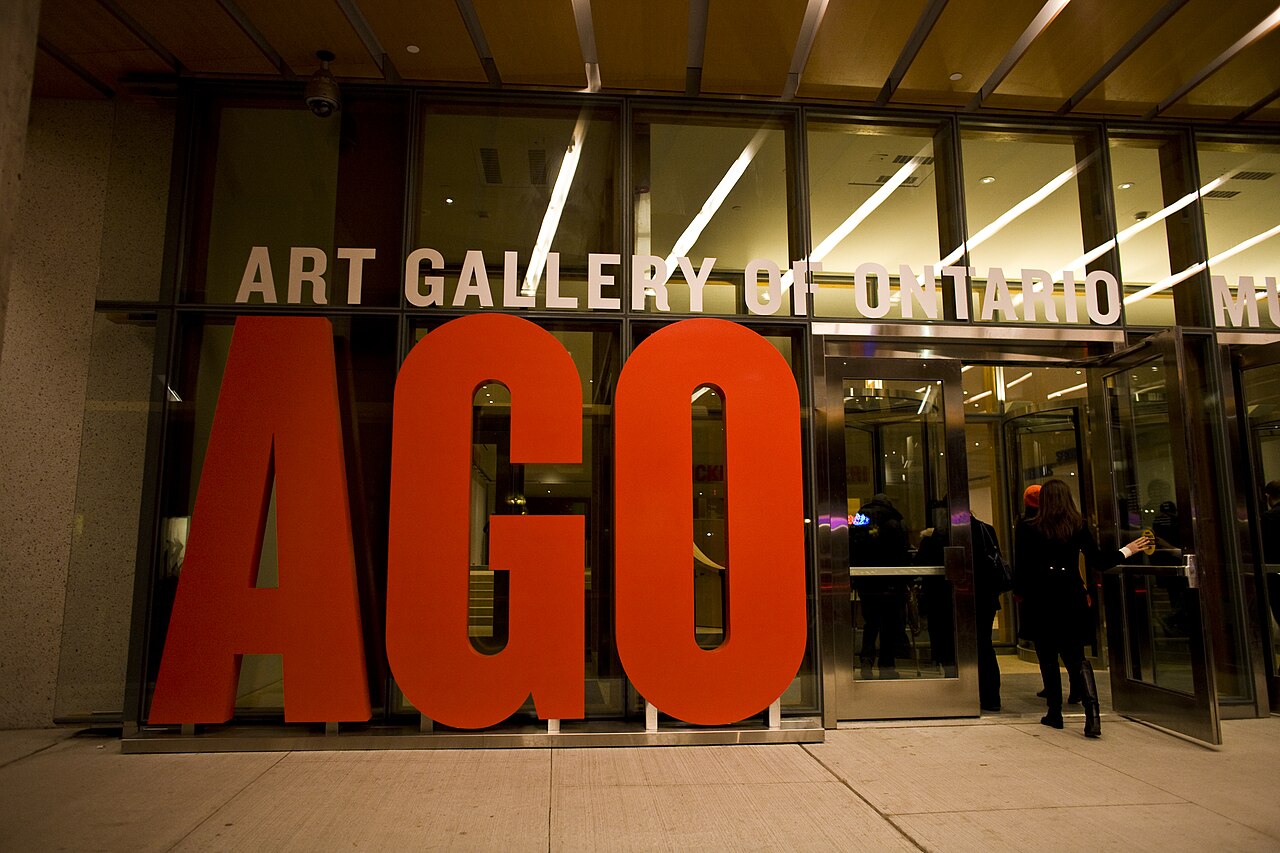
Art Gallery of Ontario
- Must see
- Art and culture venue
Language · 11 published
Nature site · Toronto
Reviewed by Elena Voss · Roavina Travel Editor
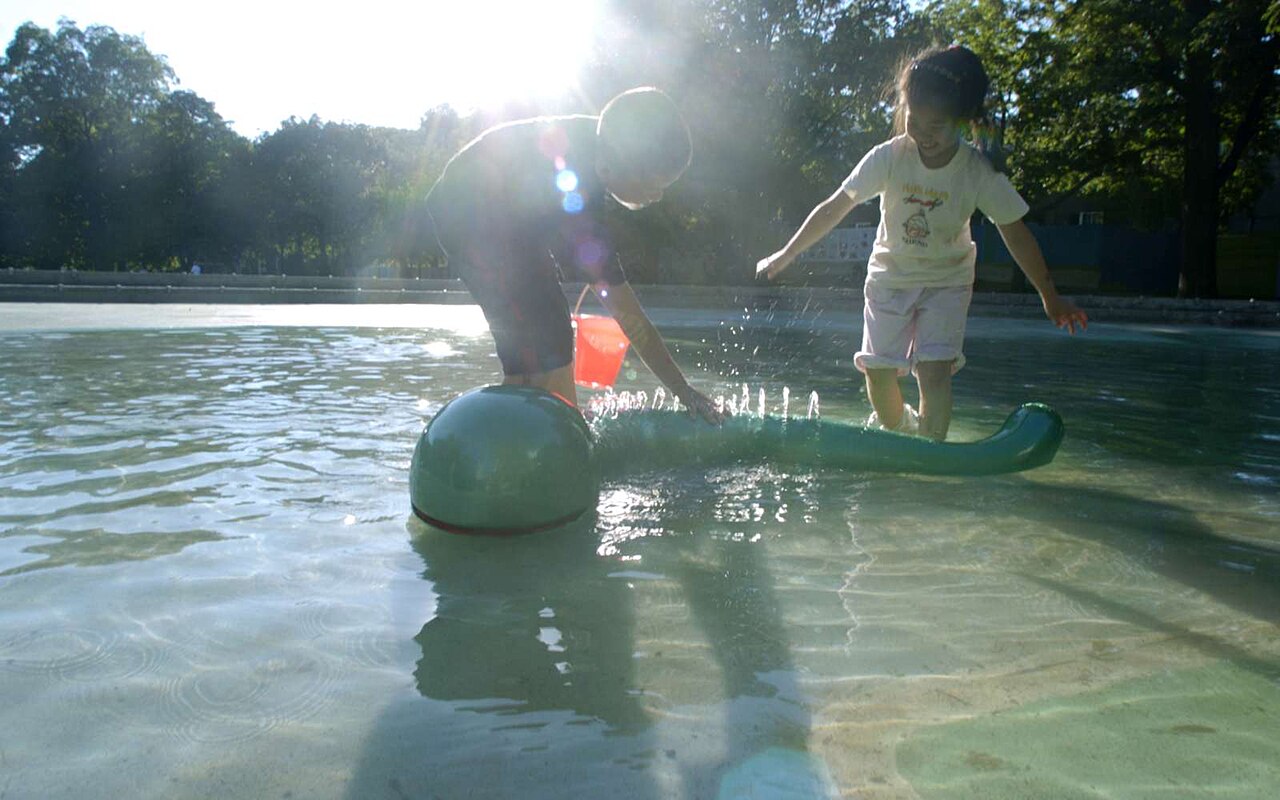
This place is a Park.
Grange Park is a public green space in downtown Toronto, directly behind the Art Gallery of Ontario and beside OCAD University. It occupies the former grounds of The Grange estate, an early-nineteenth-century property that later became the founding site of the gallery. Today, the park gives residents, students, and museum visitors an open-air pause within a dense cultural and commercial district. Grange Park is a public park located in downtown Toronto, Ontario, Canada. It sits directly behind the Art Gallery of Ontario (AGO) and adjacent to OCAD University. The park occupies land with historical significance, having been the former grounds of The Grange estate, which dates to the early nineteenth century and later became the founding property of the AGO. Following renovations completed in recent years, the park now serves as a green space for residents, students, and museum visitors in the densely built urban core of the city. No. Grange Park is the public park located behind the AGO. They are separate but adjacent properties. The AGO is an admission-charging museum. The park is free municipal space.
Checked 2026-08-26 · Source
The park combines open lawns, paved paths, seating, planted areas, trees, children's play areas, and water features. Its principal landmark is Henry Moore's Two Large Forms, a large sculpture positioned within the redesigned landscape. The AGO provides an architectural backdrop on one side, while OCAD University contributes a contemporary creative setting on another. This mix makes the park useful both for a short rest and for a cultural walk through the surrounding neighbourhood. The renovated park features open lawn areas, pathways, seating, and landscaping designed for public use. A notable element is the large sculpture of Henry Moore's Two Large Forms, which was relocated to the park as part of the redesign. The park includes children's play areas and water features.
Checked 2026-08-26 · Source
Allow fifteen to thirty minutes for a simple walk, sculpture view, or rest on a bench. A longer stay suits visitors who want to read, picnic informally on the lawn, or combine the park with the Art Gallery of Ontario and OCAD University. The site is compact, so the main features can be seen without a long circuit. Treat it as a flexible stop within a downtown itinerary rather than a full-day attraction.
Checked 2026-08-26 · Source
Grange Park is an outdoor destination whose character changes with Toronto's seasons. Spring and autumn suit walking and sitting in moderate weather; summer brings fuller foliage and comfortable lawn time; winter turns the visit into a brief outdoor pause in colder conditions. Daylight offers the clearest view of the sculpture, planting, and surrounding architecture. Choose a weather window that matches whether you want to walk, sit, or combine the park with an indoor gallery visit.
Checked 2026-08-26 · Source
The park is municipal public space, with lawns, paths, seating, sculpture, and outdoor areas available as part of the park visit. The Art Gallery of Ontario is a separate destination with its own admission arrangements, so a park stop does not replace gallery entry. Plan the two experiences independently: enjoy the outdoor setting first or afterward, then enter the AGO only if it is part of your itinerary.
Checked 2026-08-26 · Source
The park lies between Dundas Street West and John Street, with Beverly Street forming part of its surrounding street network. St. Patrick subway station is the closest named Line 1 reference in the guide. Dundas Street and nearby arteries provide surface transit connections. The site is walkable from the downtown core and Chinatown, and cyclists can use Toronto's connected urban routes. Driving is less convenient because central Toronto parking is limited.
Checked 2026-08-26 · Source
This is an active downtown park shared by students, gallery visitors, residents, and passers-by. Keep belongings close in busy periods and take care at the street edges. Wet weather can affect paths and other surfaces. Water features may not operate during every season or maintenance period. If visiting later in the day, stay aware of lighting and surrounding activity. The park's direct connection to active streets means children should remain close to accompanying adults.
Checked 2026-08-26 · Source
Photograph Two Large Forms with the AGO behind it, or use the sculpture and planted areas as foreground against downtown architecture. Morning and late afternoon provide softer outdoor light, while seasonal foliage changes the balance of green space and buildings. The open layout supports several viewpoints, including wider urban compositions and closer studies of the sculpture. Leave paths clear, give other visitors room, and seek consent before making identifiable people the subject of a photograph.
Checked 2026-08-26 · Source
Grange Park is in downtown Toronto, directly behind the Art Gallery of Ontario and beside OCAD University, between Dundas Street West and John Street.
The park's principal sculpture is Henry Moore's Two Large Forms, set within the redesigned landscape.
Children can use the park's play areas and open spaces, while accompanying adults enjoy the paths, seating, planting, and sculpture.
Allow fifteen to thirty minutes for a short visit, or stay longer when combining the park with the Art Gallery of Ontario or OCAD University.
St. Patrick station on Toronto's Line 1 is the closest named subway reference for reaching the park.
The Art Gallery of Ontario is directly beside the park, making it the most natural nearby cultural pairing.
Loading the interactive map…
The interactive map could not be loaded.
Last updated:
Source: OpenStreetMap contributors, Wikidata ·