


10 min walk
St. Lawrence Market South
- Must see
- Historic monument
Language · 11 published
Nature site · Toronto
Reviewed by Elena Voss · Roavina Travel Editor
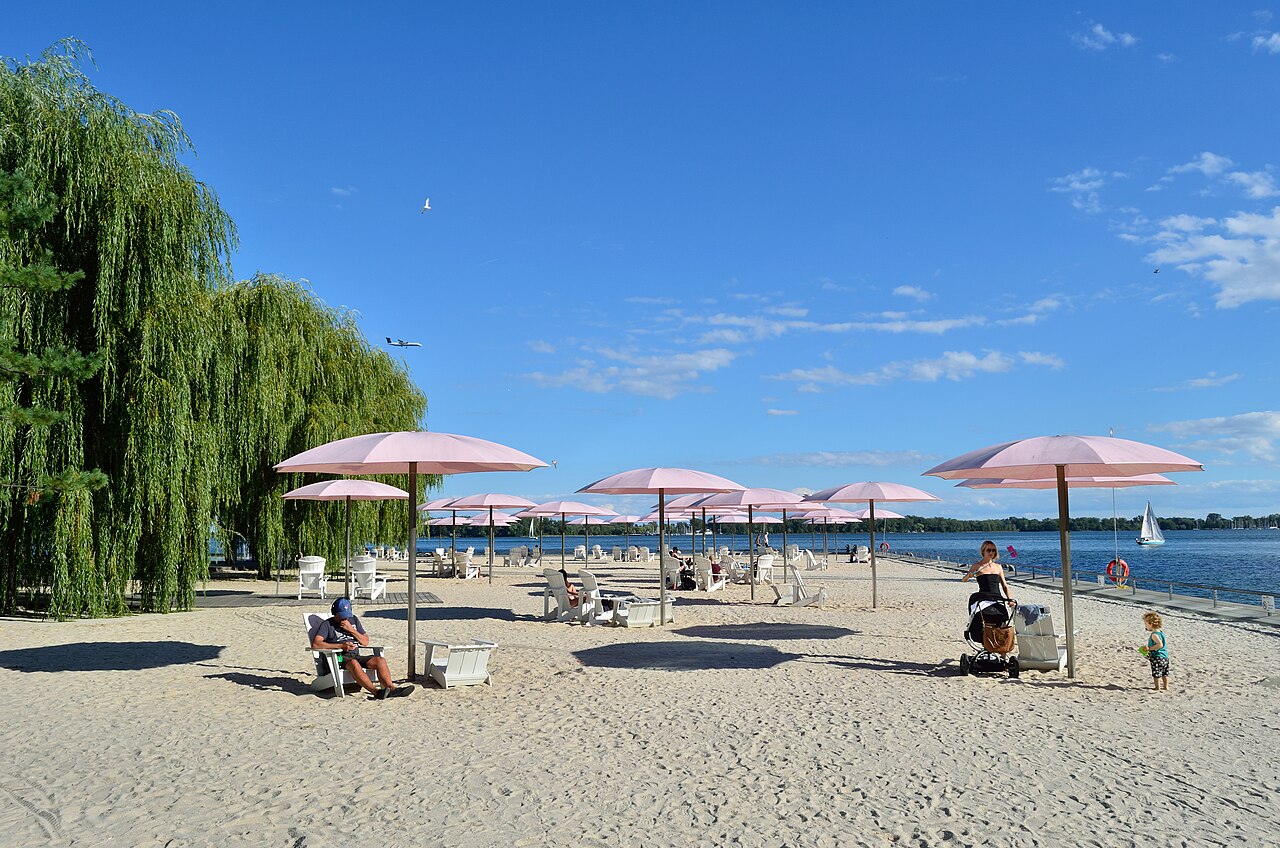
This place is a Park. It was established in 2010.
Sugar Beach is a public waterfront park on Toronto's eastern harbour. Its sandy beach, pink umbrellas, and shoreline seating create a distinctive public space beside an area shaped by industrial harbour activity. The park belongs to Toronto's waterfront transformation, turning former industrial land into a place where visitors can sit, enjoy open water views, and experience the contrast between designed recreation and working port surroundings. The site transforms a former industrial area into publicly accessible shoreline, featuring distinctive pink umbrellas that have become a visual signature. Waterfront Toronto, the public advocate and steward of the city's waterfront revitalization, developed this project as part of broader harbour transformation efforts. The beach provides shoreline access where industry once dominated, representing a significant shift in how Torontonians interact with their harbour. The location acknowledges the area's industrial heritage while creating new public realm along Lake Ontario. Swimming is not permitted. Sugar Beach occupies a working industrial harbour where water conditions and port operations make swimming inappropriate and unsafe.
Checked 2026-08-26 · Source
The park centres on a sandy beach area with rows of vivid pink umbrellas and places to sit beside the harbour. Landscaped sections frame views across the water, while the design retains visual references to the site's industrial past. Sugar Beach is intended for passive recreation: sitting, walking, taking photographs, and watching harbour activity. The beach is not a swimming beach, and the open composition makes the umbrellas, sand, water, and industrial backdrop its key elements. The park contains a sandy beach area, the notable pink umbrellas providing shade, and waterfront seating opportunities. The design incorporates elements that reference the site's former industrial context while offering recreational amenities. Visitors will find landscaped areas and views across the harbour.
Checked 2026-08-26 · Source
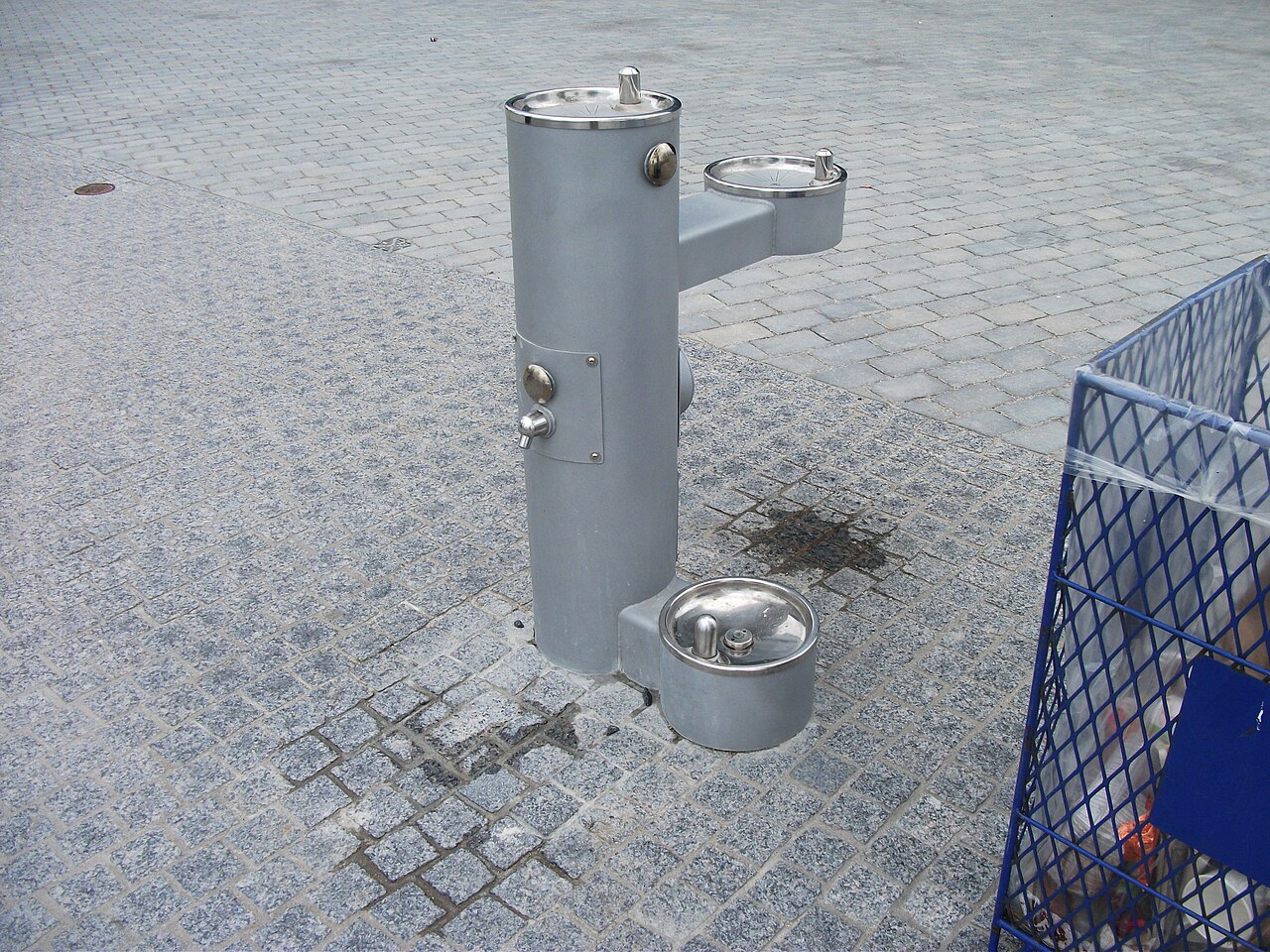
Allow thirty minutes for a quick photograph, harbour view, and walk along the beach. One to two hours suits visitors who want to sit under an umbrella, watch water traffic, and enjoy the waterfront atmosphere. Sugar Beach is compact, so it works best as part of a longer harbour route rather than as the only destination of a full day. Pair it with nearby waterfront precincts or the Distillery District when planning a broader walk.
Checked 2026-08-26 · Source
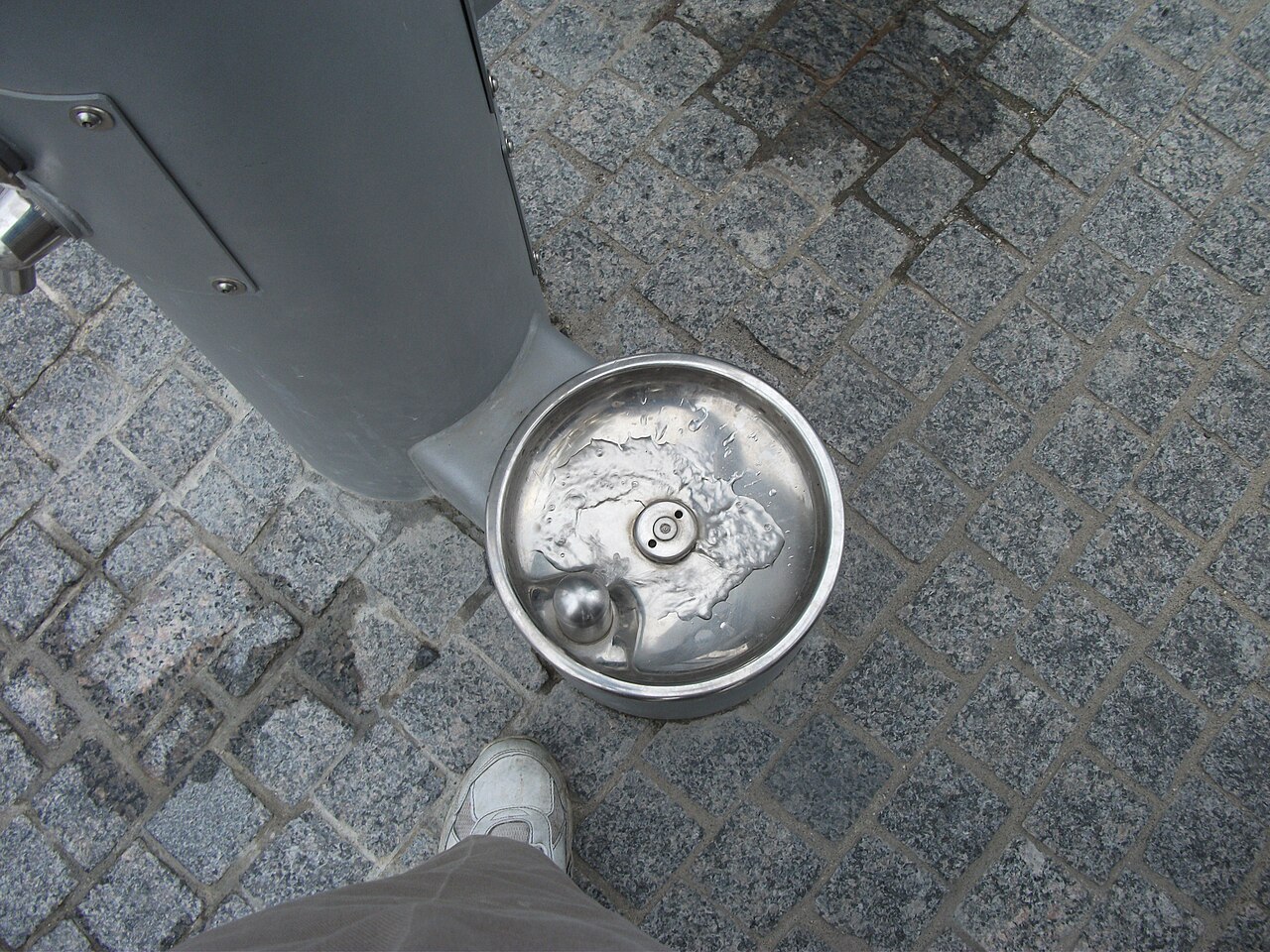
The waterfront is most comfortable when temperatures are mild and wind is manageable. Summer brings the clearest beach-and-umbrella experience, while spring and autumn offer changing light and fewer reasons to linger in the water's edge environment. The exposed position beside Lake Ontario can feel cooler and windier than inland Toronto. Visit in daylight for the strongest views of the harbour, umbrellas, and industrial context, and allow the weather to shape how long you remain outdoors.
Checked 2026-08-26 · Source
Sugar Beach is publicly accessible waterfront parkland, with the beach, umbrellas, seating, and views forming the ordinary visit. There is no ticketed attraction within the described park experience. Keep separate funds for transportation, parking, food, or other destinations on a waterfront itinerary. The site is best understood as an outdoor public stop rather than a paid beach club: come for the setting, the harbour atmosphere, and the distinctive design.
Checked 2026-08-26 · Source

Sugar Beach is near Queens Quay East and Lower Jarvis Street on Toronto's eastern waterfront. Waterfront streetcar and bus services serve the wider area, while walking connections link the park with nearby waterfront precincts and the Distillery District. Cyclists can approach through Toronto's waterfront trail network. Drivers should plan for the parking constraints of the city centre. Some approaches pass beside working harbour and port areas, where truck traffic and restricted zones require attention.
Checked 2026-08-26 · Source
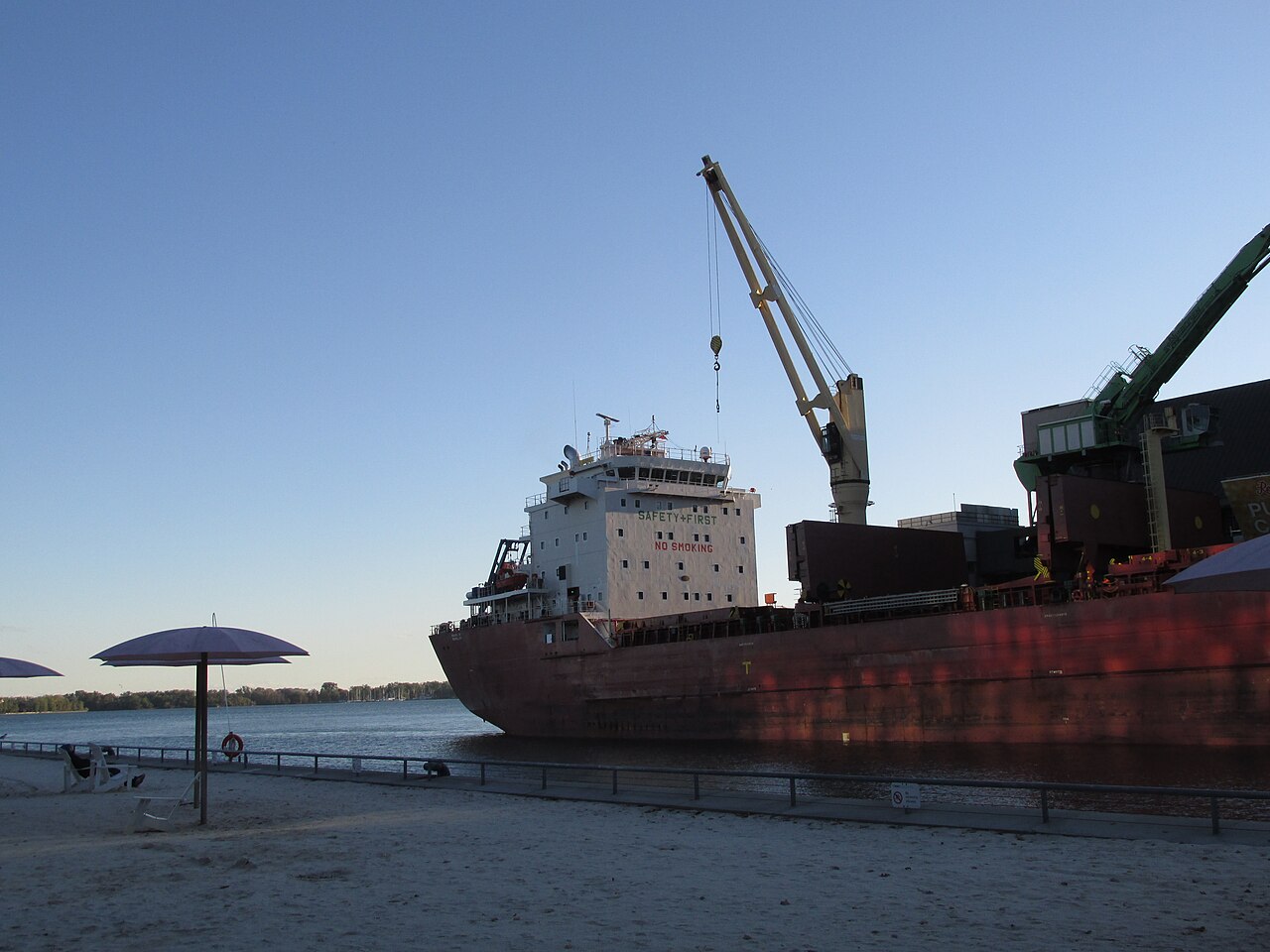
Do not swim at Sugar Beach: it borders a working industrial harbour rather than a recreational swimming area. Stay clear of harbour operations and respect the shoreline boundary. Wind can be strong enough to chill visitors and move loose belongings, while direct sun can heat the sand. Keep valuables secure, take care near the water's edge, and watch for construction or altered approaches around the changing waterfront. If weather shifts rapidly, shorten the visit and leave the exposed shore.
Checked 2026-08-26 · Source
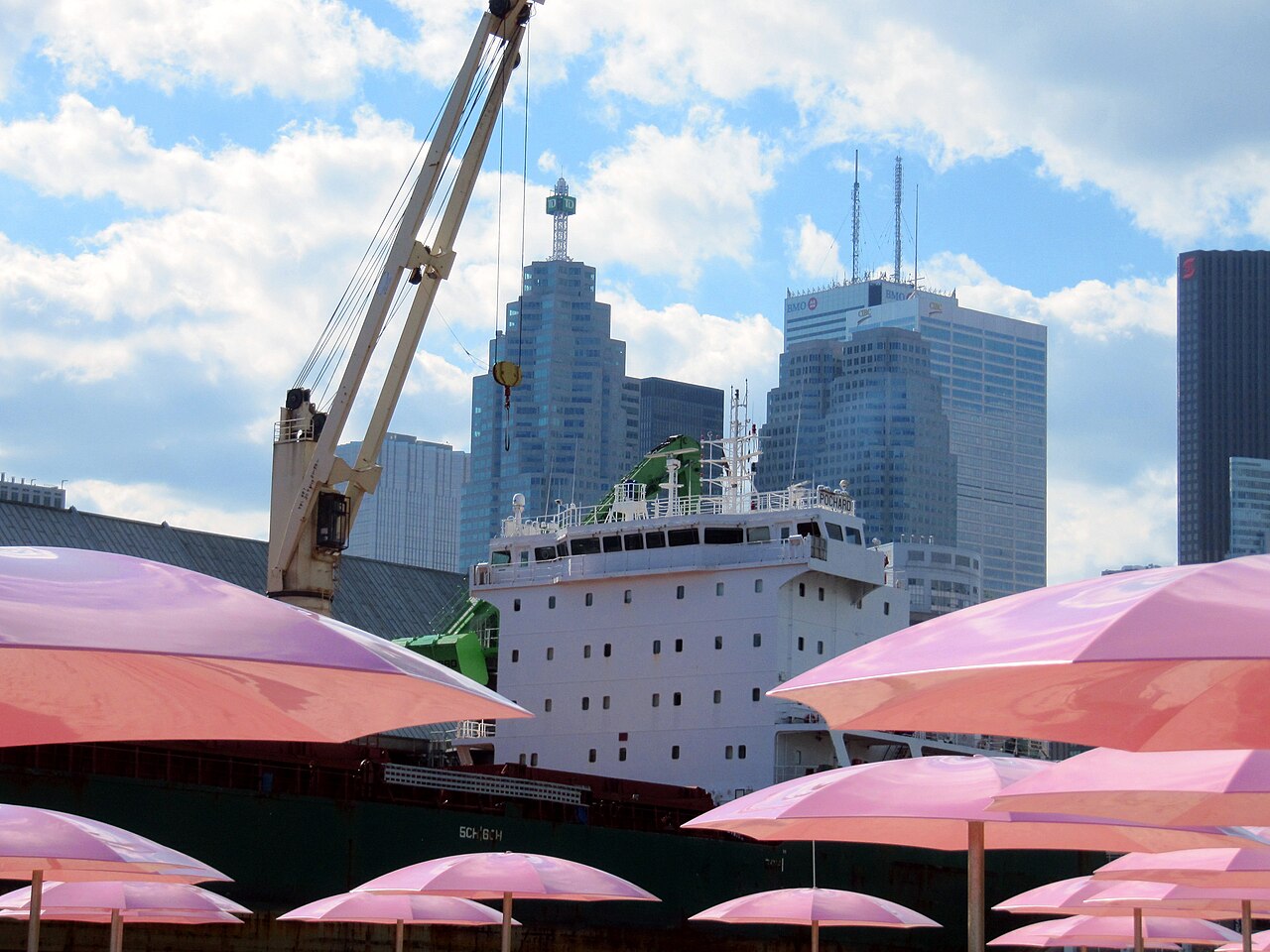
The pink umbrellas are Sugar Beach's signature subject. Frame them against Lake Ontario, harbour vessels, skyline elements, or the industrial shoreline for contrast between colour, water, and infrastructure. Early and late daylight can give the sand and umbrellas warmer tones. Wind changes the surface of the water and the comfort of working with equipment. Use pedestrian space considerately, avoid obstructing paths, and try different angles when visitors occupy the most obvious compositions.
Checked 2026-08-26 · Source
No. Sugar Beach is beside a working industrial harbour and is intended for passive recreation rather than swimming.
It is known for its sandy waterfront, vivid pink umbrellas, shoreline seating, and views across Toronto's eastern harbour.
The sandy beach is part of a designed waterfront landscape created during the transformation of former industrial land.
Allow thirty minutes for a short stop, or one to two hours if you want to sit, watch harbour traffic, and enjoy the views.
It is on Toronto's eastern waterfront near Queens Quay East and Lower Jarvis Street.
Photograph the pink umbrellas with the sand, harbour water, vessels, skyline, and industrial shoreline as contrasting background elements.
Loading the interactive map…
The interactive map could not be loaded.

Last updated:
Source: OpenStreetMap contributors, Wikidata ·