3 min walk
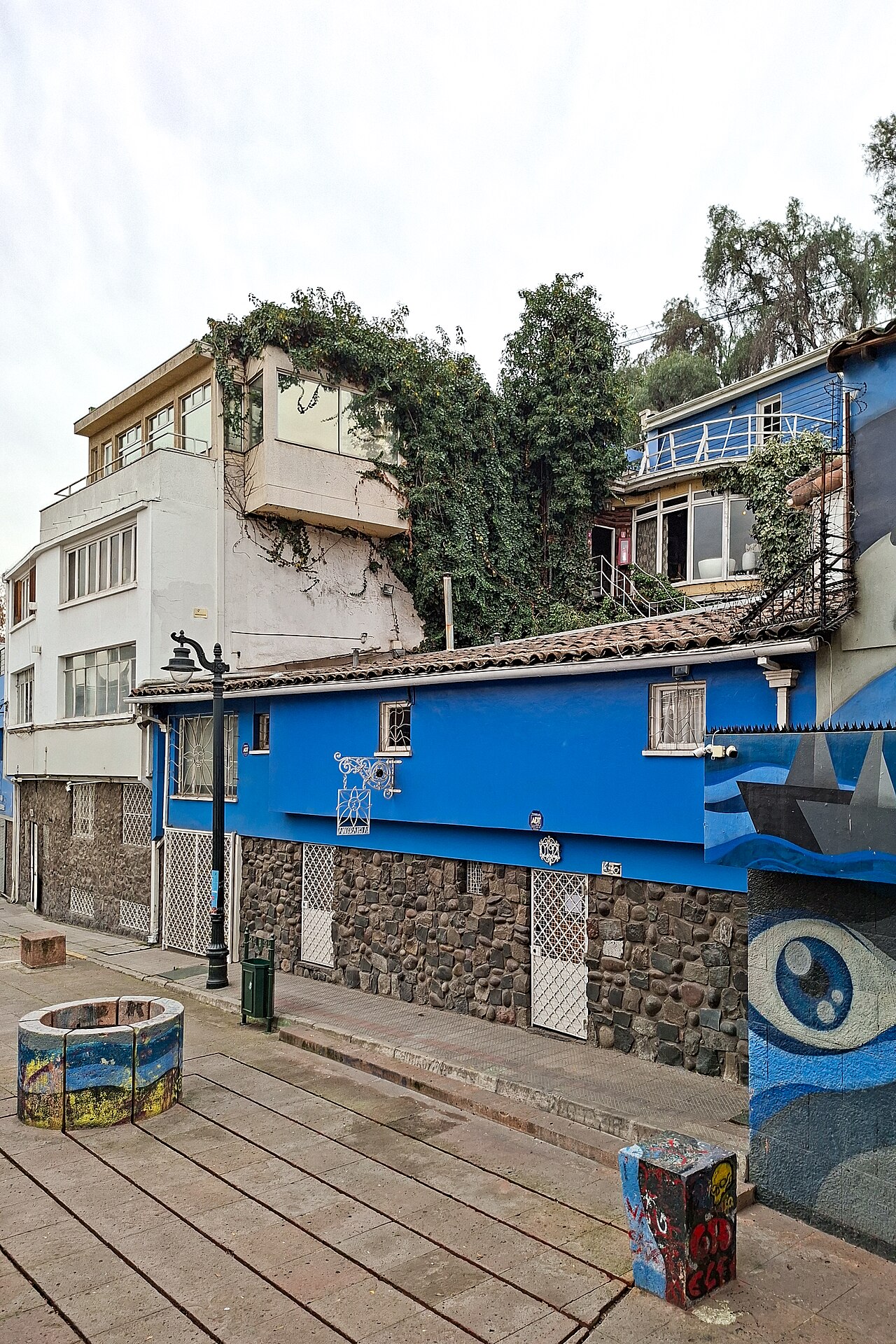
La Chascona
- Must see · Heritage site
- Museum
Family attraction · Santiago
Zoológico Nacional
Closed today, Tuesday. Next open Thursday at 10:00 — the planner will not place a stop here on a Tuesday.
Plan around it| Monday | Closed |
|---|---|
| Tuesday | Closed |
| Wednesday | Closed |
| Thursday | 10:00 – 18:00 |
| Friday | 10:00 – 18:00 |
| Saturday | 10:00 – 18:00 |
| Sunday | 10:00 – 18:00 |
Parsed from OpenStreetMap opening hours on 2026-09-09.
The Chilean National Zoo (Zoológico Nacional de Chile) is a 4.8-hectare zoo founded in 1925 at the foot of San Cristóbal Hill, in the Santiago Metropolitan Park. It has a dual focus: conserving and researching the species it holds, and educating and offering activities to visitors. Professor and entomologist Carlos Reed campaigned from 1921 with Santiago's Intendant Alberto Mackenna for funding and land, and on 1 September 1925 President Arturo Alessandri Palma allocated 4.8 hectares of the hill by decree. The installations were built in under two months with architect Teodoro Panuzzis, and Vice President Luis Barros Borgoño officially opened the zoo on 12 December 1925, with Carlos Reed as first director.
Checked 2026-11-05 · Source
The zoo is home to thousands of animals representing 158 species, with exhibits that feature Chilean native animals and birds, including rare and endangered species. Large enclosures show a wide variety of Chile's indigenous wildlife, including guanacos, llamas, rheas, condors, Humboldt penguins and the endangered pudú, as well as Darwin's frog, a rare Chilean frog known for its unique way of reproducing. The zoo also keeps many foreign species such as lions, giraffes, kangaroos, elephants and emus. About 24% of the mammals on display are native to Chile, as are 37% of the birds. More than 50 people work at the zoo, including veterinarians, keepers and educational guides.
Checked 2026-11-05 · Source
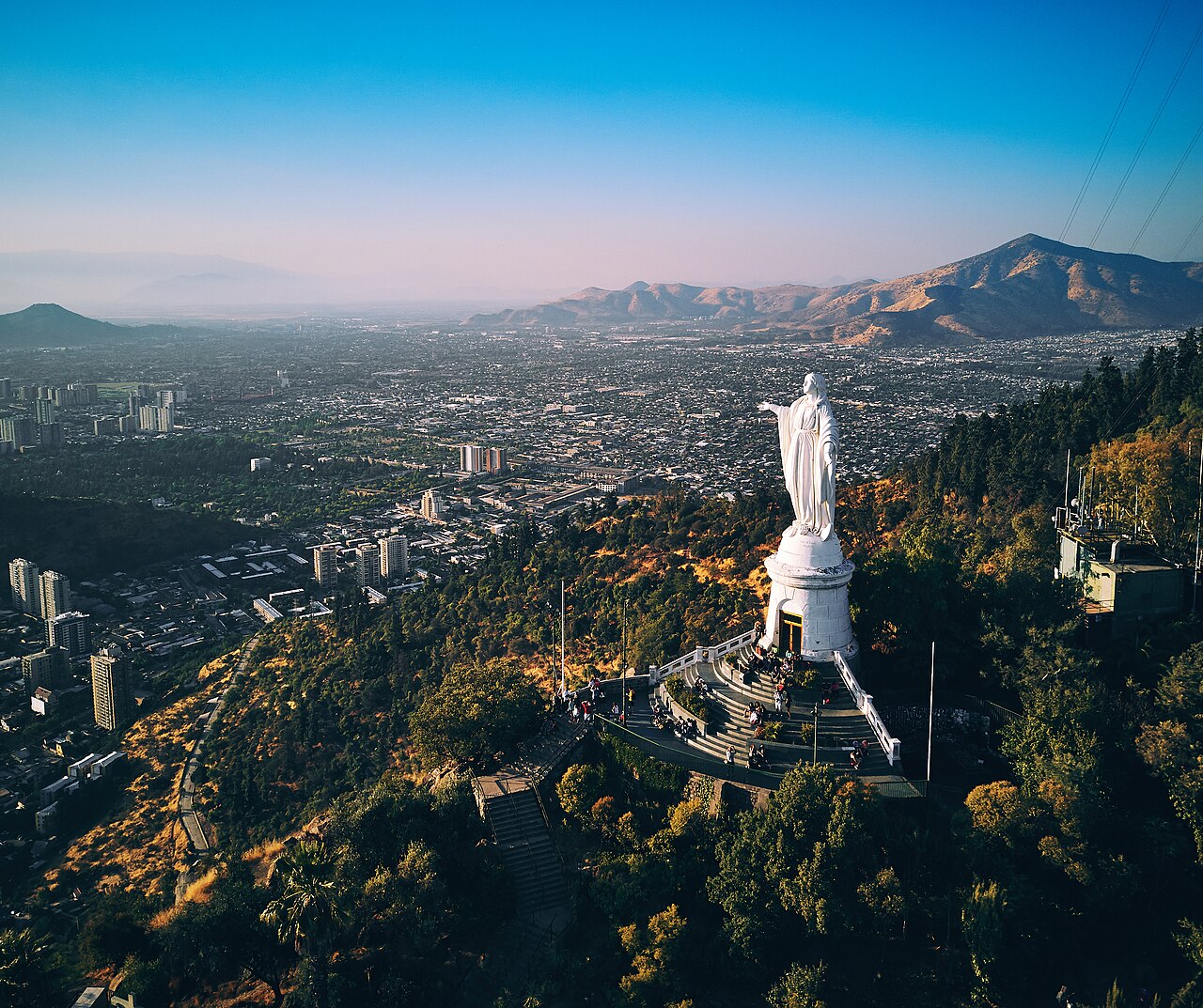
At the foot of San Cristóbal Hill, in the Santiago Metropolitan Park.
Thousands of animals representing 158 species, including native Chilean species such as the pudú and Darwin's frog.
Loading the interactive map…
The interactive map could not be loaded.
Last updated:
Source: OpenStreetMap contributors, Wikidata ·