
8 min walk
Museo Histórico y Militar de Chile
- Must see · Heritage site
- Museum
Language · 11 published
Historic monument · Santiago
Reviewed by Elena Voss · Roavina Travel Editor
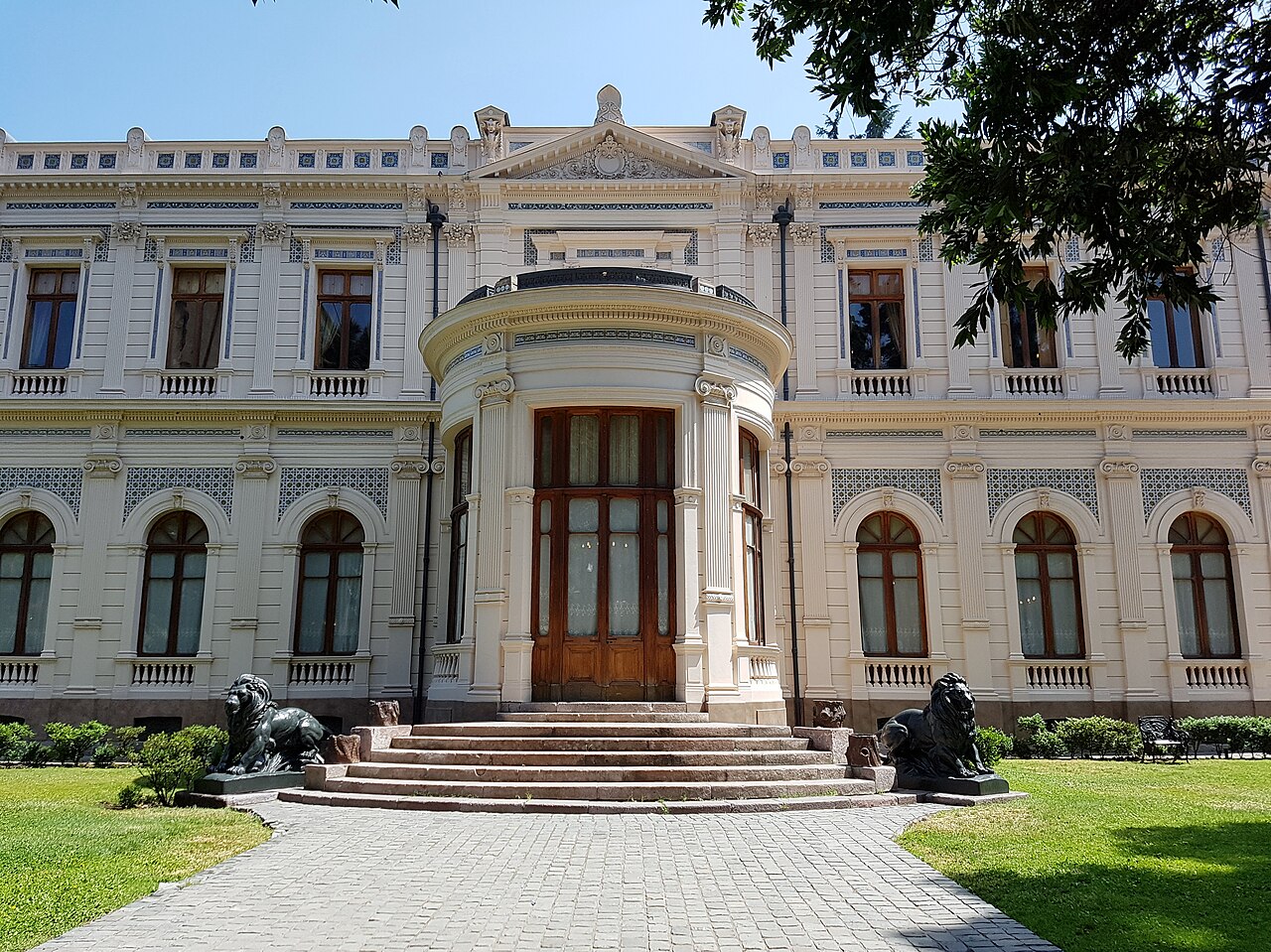
It was built in the Neoclassicism style. It carries the Historical Monument of Chile heritage designation.
Palacio Cousiño is a nineteenth-century mansion in Santiago, Chile, built during the country's mining boom era. The palace was constructed for the Cousiño-Goyenechea family, whose wealth derived from silver, coal, and other mineral extraction. The building exemplifies the opulent domestic architecture of Santiago's elite during this period of industrial expansion. It stands as a significant historical monument reflecting the social and economic stratification of Chilean society in the 1800s, when mining fortunes transformed urban landscapes and established new patterns of aristocratic residence in the capital city.
Checked 2026-08-26 · Source
The interior preserves period furnishings, decorative arts, and architectural details that illustrate elite domestic life from the mining era. Visitors can observe original rooms maintained in their historical configuration, including reception halls, private chambers, and service areas. The palace contains imported materials and craftsmanship reflecting international connections of wealthy Chilean families. Collections include European furniture, textiles, and decorative objects acquired through global trade networks. The building's construction materials and techniques demonstrate technological capabilities and aesthetic preferences of Santiago's upper class during a transformative period of national economic development based on extractive industries.
Checked 2026-08-26 · Source
The duration of a visit depends on individual interest in historical interiors and decorative arts. A thorough examination of preserved rooms, furnishings, and architectural features requires sufficient time for careful observation. Visitors with specific interest in nineteenth-century domestic life or Chilean mining history may wish to allocate extended periods. Those making general tourist visits typically spend less time. Visitors should assess their own pace based on engagement with historical detail and physical stamina for standing and walking through multi-room historical structures.
Checked 2026-08-26 · Source
The palace operates as a museum with visiting hours that may vary seasonally or according to administrative decisions. Potential visitors should verify current opening schedules directly with institutional operators before planning travel. Historical buildings in Santiago may modify access during holidays, maintenance periods, or special events. Climate considerations include Santiago's Mediterranean pattern with dry warm summers and mild wet winters. Indoor environments in historic structures may lack climate control, affecting comfort during temperature extremes. Advance confirmation prevents disappointment from unexpected closures or restricted access to specific rooms or exhibitions.
Checked 2026-08-26 · Source
Admission policies for heritage sites in Santiago vary between free entry, modest fees, and differentiated pricing for residents versus international visitors. Some historical properties operate through government cultural agencies with standardized fee structures; others maintain independent administrative arrangements. Group rates, student discounts, or senior concessions may apply but require verification. Payment methods accepted at historical sites in Chile range from cash in local currency to electronic transactions, though older institutional systems may have limited options. Visitors should carry sufficient Chilean pesos as backup for sites with restricted payment infrastructure or temporary system failures.
Checked 2026-08-26 · Source
Palacio Cousiño occupies a location within Santiago's urban fabric accessible through the city's public transportation network. Santiago operates an extensive metro system with stations serving central and peripheral districts. Bus services complement rail connections throughout metropolitan areas. Taxi and ride-hailing applications provide alternative access. The specific street address and nearest transit connections require verification through current mapping services or official sources. Visitors unfamiliar with Santiago should consult updated transportation applications or local information centers. Walking from nearby accommodations in central districts may be feasible depending on individual mobility and exact lodging location relative to the palace's position in the city.
Checked 2026-08-26 · Source
Historic buildings present inherent risks including uneven flooring, staircases without modern handrails, and thresholds between rooms. Original nineteenth-century construction prioritised aesthetic and social display over contemporary accessibility standards. Visitors with mobility limitations should anticipate potential barriers and inquire about accessible routes before visiting. Security measures at heritage sites may include bag inspection or restrictions on bulky items. Personal belongings require vigilant attention in tourist-frequented locations. Emergency procedures and exit routes in historic structures may differ from modern buildings. Visitors should remain aware of surroundings, follow staff instructions, and identify marked exits upon entry to unfamiliar historical interiors with complex room arrangements.
Checked 2026-08-26 · Source
Photography policies at Chilean heritage sites vary considerably between unrestricted documentation, flash prohibitions, and complete bans on image capture. Some institutions permit photography for personal use while restricting commercial or publication applications. Tripods and professional equipment often trigger special permission requirements due to space constraints and visitor flow considerations. Visitors should observe posted signage, inquire with admission staff upon entry, and respect any restrictions on image-making. Unauthorized photography in restricted areas may result in equipment confiscation or removal from premises. When permitted, photography should avoid disrupting other visitors or damaging sensitive historical materials through flash exposure.
Checked 2026-08-26 · Source
Visitors must verify current schedules directly with the institution before planning attendance.
Fee structures for Santiago heritage sites vary; direct verification with the palace is necessary.
Nineteenth-century construction typically presents accessibility barriers. Visitors with mobility limitations should contact the institution directly to inquire about accessible routes and accommodations.
Visitors should inquire directly with the institution regarding guided services and any reservation requirements.
Visitors must check posted regulations and staff instructions upon arrival regarding permitted image capture.
Visitors should consult current Santiago metro and bus maps, or use updated mapping applications to plan routes from their location.
Loading the interactive map…
The interactive map could not be loaded.
Last updated:
Source: OpenStreetMap contributors, Wikidata ·