


3 min walk
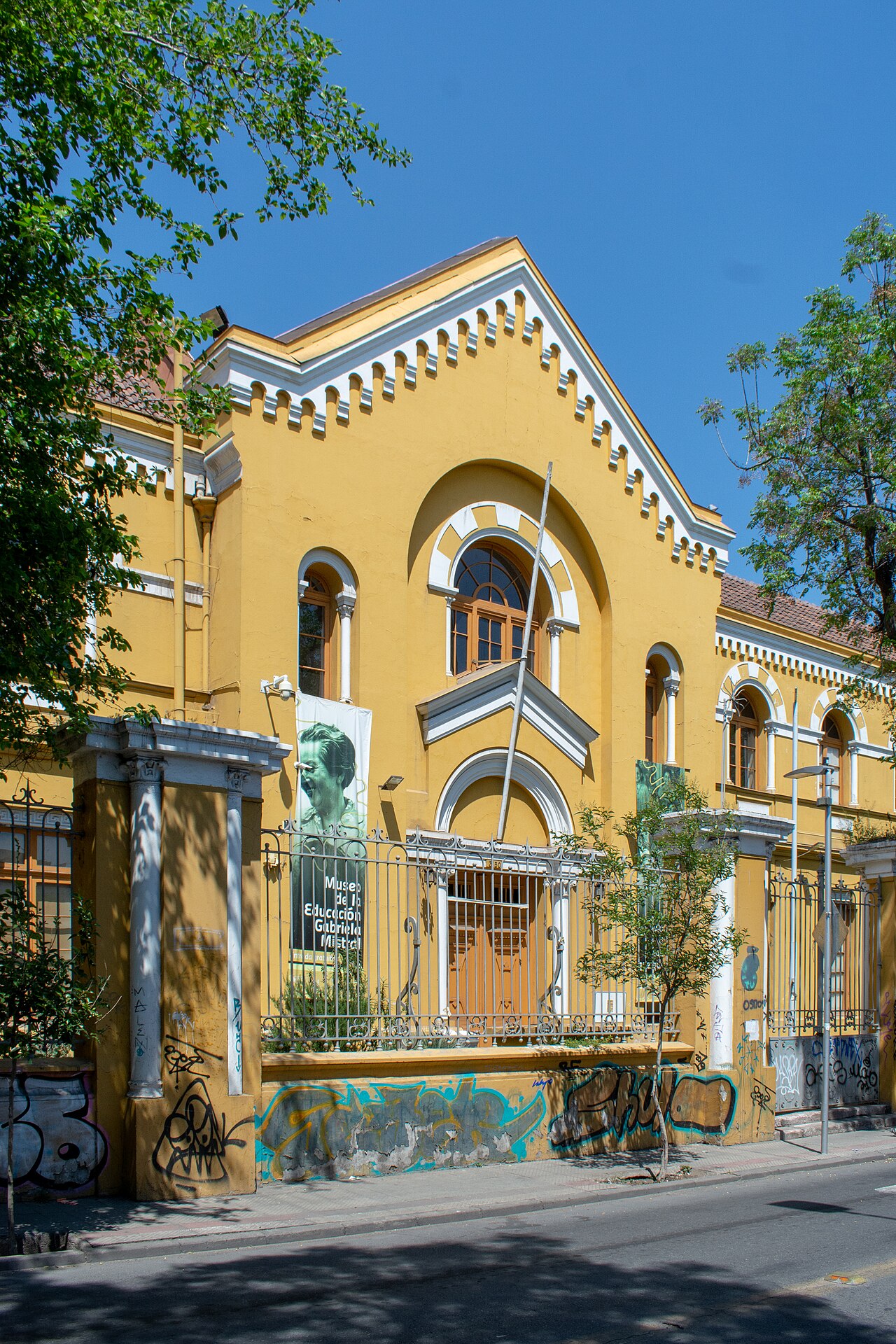
Museo de la Educación Gabriela Mistral
- Must see · Heritage site
- Museum
Language · 11 published
Museum · Santiago
Reviewed by Elena Voss · Roavina Travel Editor
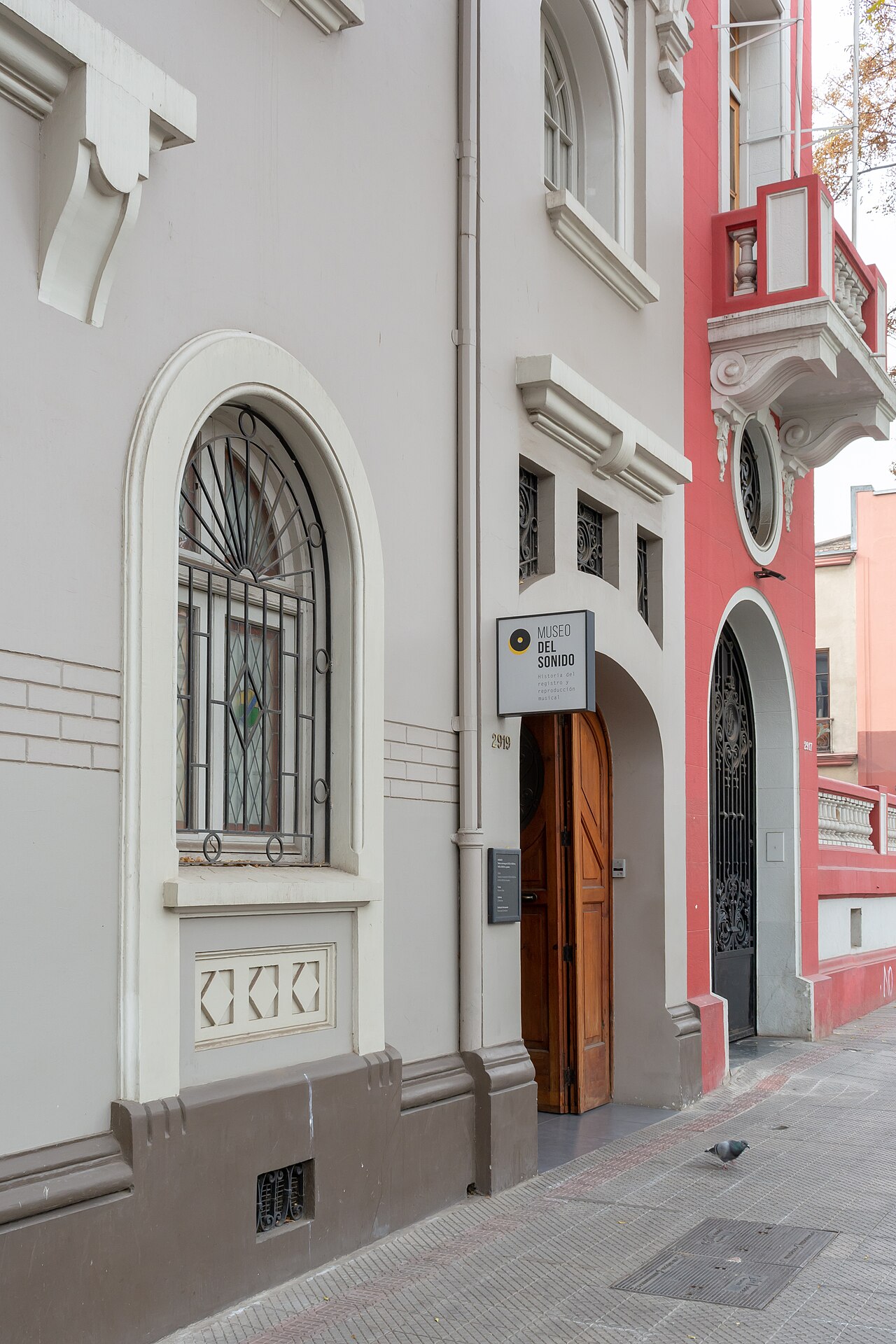
This place is a Museum. It carries the Typical Zone (Chile) heritage designation.
The Museo del Sonido, known in English as the Museum of Sound, is a specialist cultural museum in Santiago’s Yungay neighbourhood. The museum explores recorded sound, playback technology, and the ways people have listened to audio across changing periods. Its focus is the material culture of sound: the objects, mechanisms, and habits that connect recording technology with everyday life. This makes the museum a distinctive stop for visitors who enjoy design, engineering, music history, and Santiago’s cultural institutions. The museum also belongs naturally in a Yungay walk, where historic streets and independent cultural venues create a setting different from Santiago’s main museum avenues.
Checked 2026-08-26 · Source
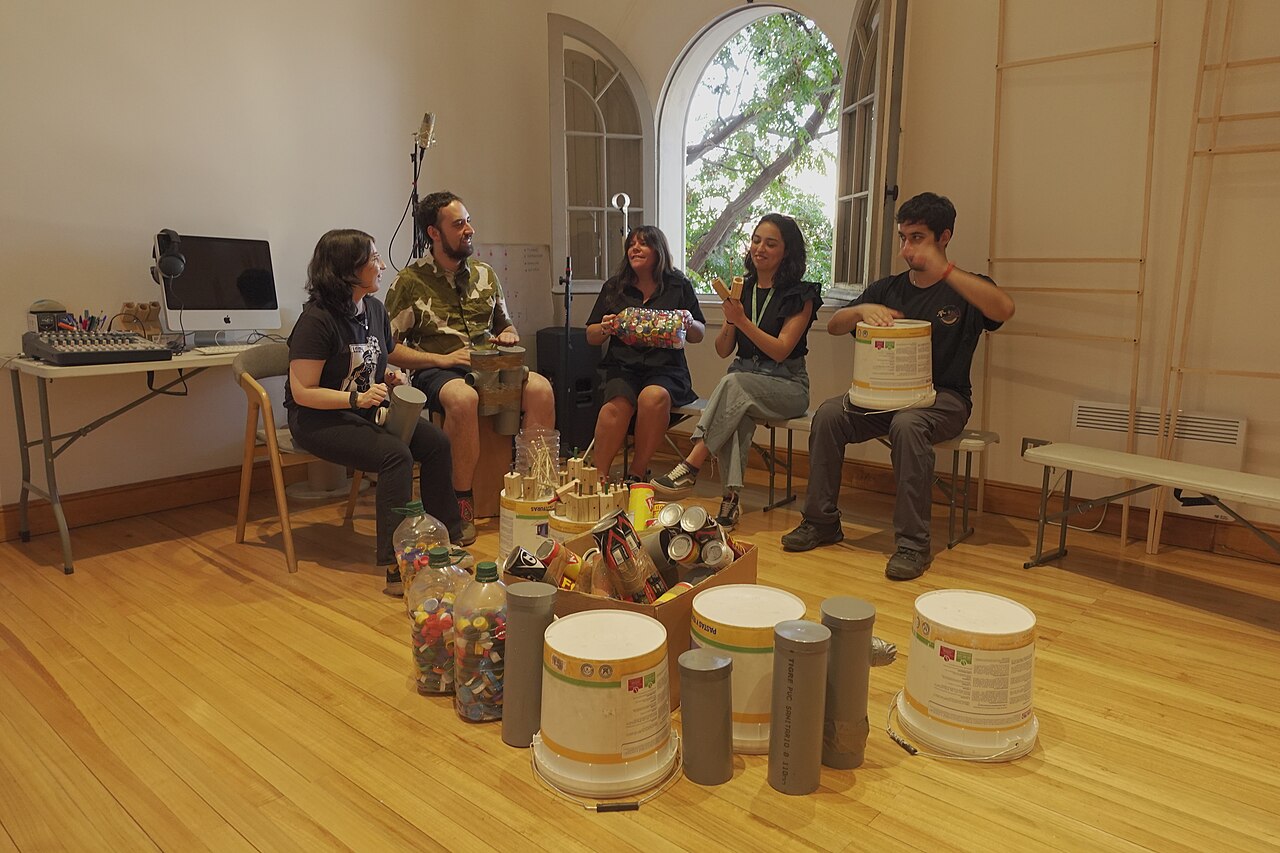
The museum’s displays centre on recorded sound and the technologies that make playback possible. Visitors encounter the history of listening through audio equipment and the cultural practices connected with it. The subject reaches beyond a collection of machines: it connects the design of devices with the experience of hearing music, speech, and other recordings in homes and public life. The museum’s thematic range includes the development of sound reproduction and the relationship between technology and listeners. Give attention to both the objects and the explanations around them, because the museum’s interest lies in how devices changed listening as well as in how the devices were built.
Checked 2026-08-26 · Source
Allow enough time to read the displays and examine the equipment rather than treating the Museum of Sound as a quick photo stop. A short visit can introduce the subject, while a longer visit suits travellers interested in audio engineering, recording history, or the design of older playback devices. The museum works well as one cultural stop within a wider Yungay outing. Pairing it with a neighbourhood walk creates a fuller half-day, while visitors concentrating on the exhibits can keep the museum as the central destination. Your pace will depend on how closely you engage with the technology and the listening culture surrounding it.
Checked 2026-08-26 · Source
The Museum of Sound is an indoor cultural stop, so it fits Santiago travel in every season. Spring and autumn are comfortable periods for combining the museum with a walk through Yungay. Summer’s warmer, drier weather makes an outdoor neighbourhood route pleasant when planned around the stronger midday sun. Winter is cooler and wetter, which makes the museum a useful sheltered destination alongside other indoor cultural venues. Build the visit around the museum’s confirmed schedule when planning the day, then leave room for the surrounding neighbourhood rather than arriving with an itinerary that allows no flexibility.
Checked 2026-08-26 · Source
The Museum of Sound is a focused cultural attraction for travellers interested in recorded audio and listening technology. Plan the museum as a dedicated cultural visit and keep the rest of the day adaptable around the visit. The experience is centred on the museum’s displays and the history they explain, rather than on a large entertainment complex or a broad collection of unrelated attractions. A Yungay itinerary can combine the museum with neighbourhood exploration, giving the stop value even when the museum visit itself is relatively compact. Carry a practical payment option for Santiago travel, while treating the museum as one part of a wider cultural day.
Checked 2026-08-26 · Source
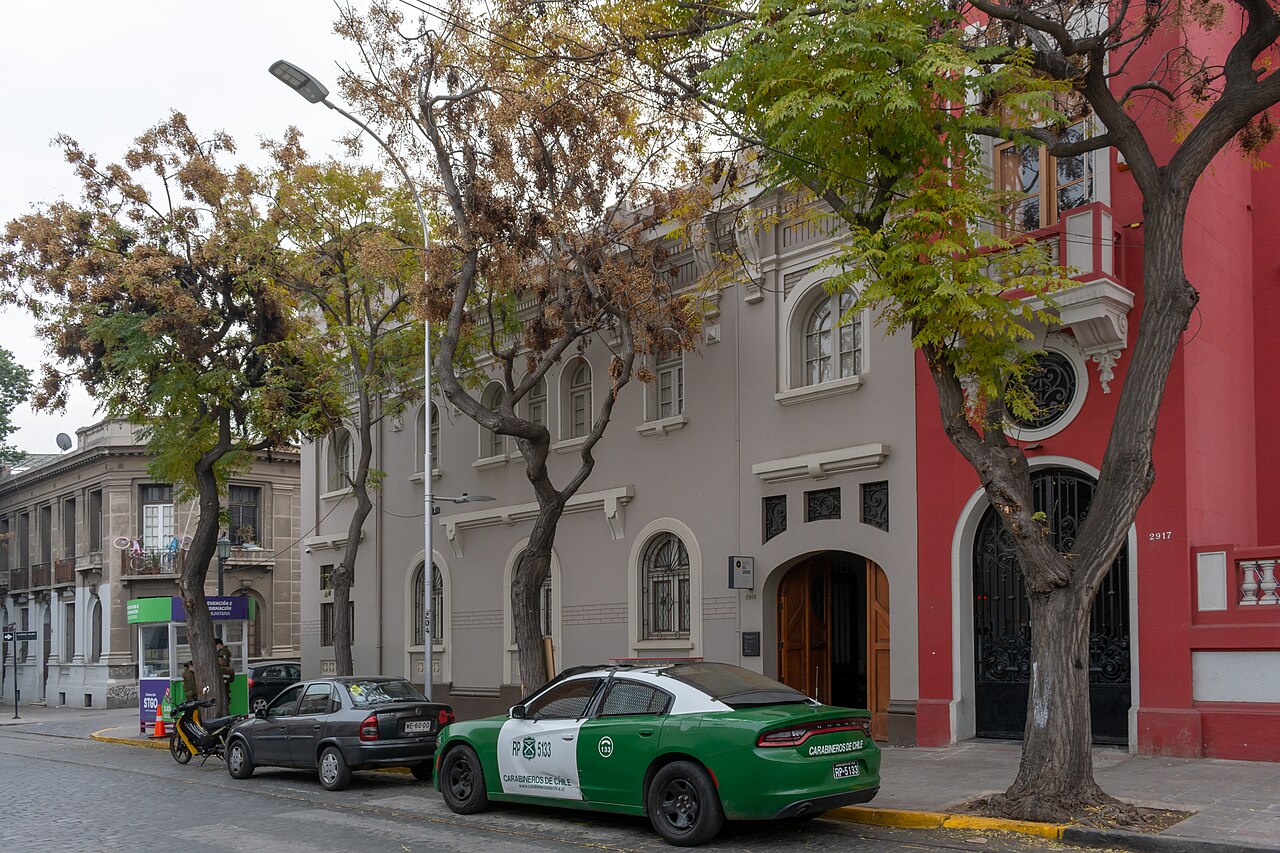
The Museum of Sound is in Santiago’s Yungay neighbourhood, a central cultural area suited to exploration on foot once you reach the district. Use the museum’s OpenStreetMap location as the destination when planning the final approach, and combine the visit with nearby streets and cultural spaces. Santiago’s public transport network serves central districts, but the best route depends on your starting point and the service running on the day. Allow extra time for the final urban approach, especially when crossing the city during busy periods. Yungay rewards a slower arrival: leave room to orient yourself before entering the museum.
Checked 2026-08-26 · Source
The Museum of Sound has a specialist subject, so the visit is strongest for travellers who enjoy technology, music history, or the social story of listening. Read the displays carefully, because the meaning of the museum lies in the connection between devices and the people who used them. Audio-focused exhibitions can involve listening and equipment that require considerate behaviour, particularly when other visitors are engaging with the same material. Keep personal belongings close during your wider walk through central Santiago. In the surrounding Yungay streets, behave respectfully around residents and cultural venues, and follow any instructions inside the museum.
Checked 2026-08-26 · Source
The Museum of Sound offers photographic interest through its audio equipment, display arrangements, and the contrast between historic technology and the museum’s cultural setting. Photograph the objects as part of the story of listening rather than treating each device as an isolated decoration. Keep cameras and phones clear of displays, listening points, and other visitors. Avoid using flash or bulky equipment when it interferes with the museum atmosphere or visitor movement. The surrounding Yungay neighbourhood adds useful context: exterior images can connect the museum’s specialist subject with Santiago’s historic urban fabric and its concentration of cultural spaces.
Checked 2026-08-26 · Source
The local name is Museo del Sonido.
The museum is in Santiago’s Yungay neighbourhood.
It focuses on recorded sound, playback technology, and listening culture.
The museum suits visitors interested in audio technology, music history, engineering, design, and the cultural history of listening.
Yes. Its Yungay location makes it a natural cultural stop within a walk through Santiago’s historic and creative district.
Its subject is auditory heritage and the material culture of sound reproduction, linking technology with the social experience of listening.
Loading the interactive map…
The interactive map could not be loaded.

Last updated:
Source: OpenStreetMap contributors, Wikidata ·