
22 min walk
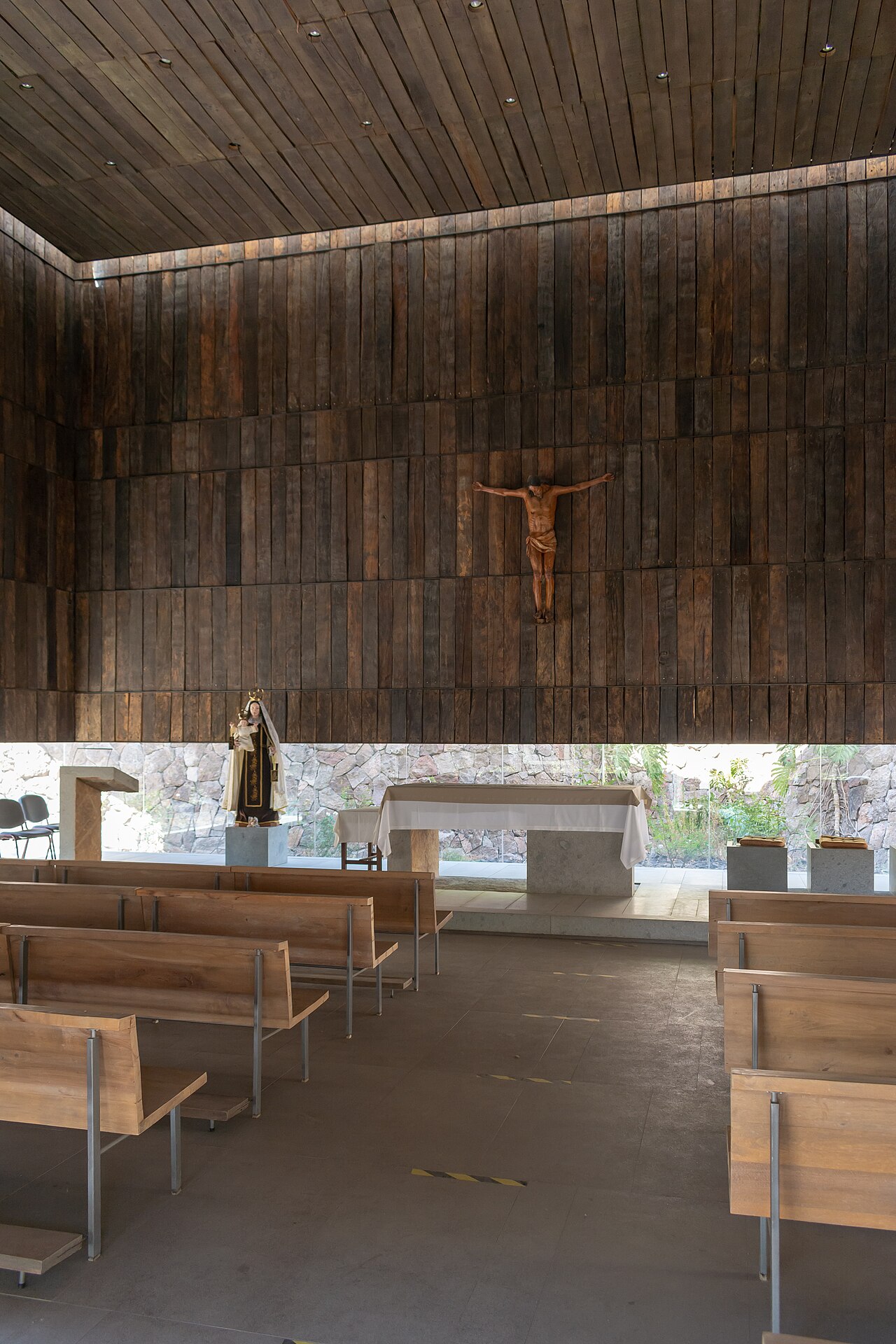
Capilla Santa Teresa de Los Andes
- Notable
- Place of worship
Language · 11 published
Museum · Santiago
Reviewed by Elena Voss · Roavina Travel Editor
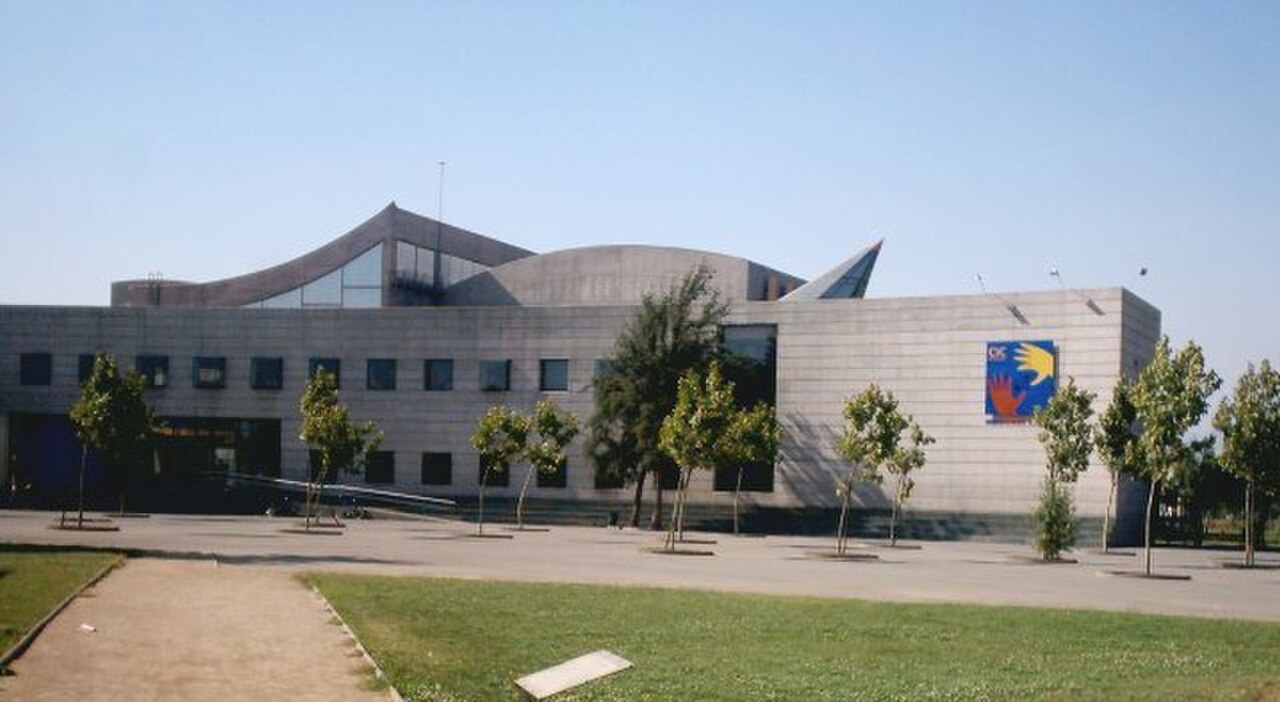
This place is a Museum. It opened in 2000.
Mirador Interactive Museum, or Museo Interactivo Mirador, is a hands-on science museum in metropolitan Santiago. It is designed around participation, so visitors learn by touching, moving, testing and observing rather than only reading labels. The museum is especially well suited to families seeking an active indoor stop, while adults can also enjoy the practical demonstrations and the chance to explore scientific ideas through direct experience. The Mirador Interactive Museum, known locally as Museo Interactivo Mirador, is Chile's leading interactive science museum. It stands as one of metropolitan Santiago's strongest family destinations. The museum focuses on hands-on scientific engagement rather than passive observation. The facility occupies a significant footprint in the Santiago metropolitan area and serves as a principal educational resource for visitors seeking interactive learning experiences about science and technology. Interactive exhibits generally accommodate varied developmental stages with adult assistance.
Checked 2026-08-26 · Source
Inside, visitors find interactive installations built for experimentation. The exhibits invite children and adults to manipulate objects, observe effects and connect everyday experiences with scientific principles. The museum's broad science focus makes it more varied than a single-subject display, and the participatory format rewards curiosity. Families can move at their own pace, returning to installations that hold a child's attention or prompt useful questions. The museum contains interactive science exhibits designed for visitor participation. These installations cover various scientific disciplines and encourage direct engagement through touch, manipulation, and experimentation. The content targets families and children particularly, though adult visitors find substantial educational value. The museum's reputation as Chile's foremost institution in this category suggests comprehensive, well-maintained installations.
Checked 2026-08-26 · Source
Plan several hours if you want time for repeated experiments and a relaxed family visit. Children may spend longer at a favourite installation, while adults interested in the explanations can add time to the visit. A shorter stop is possible when the museum forms part of a wider Santiago day, but rushing reduces the value of a place built around participation. Leave room for pauses between exhibit areas. Visitors typically allocate substantial time for interactive science museums of this caliber. A thorough visit demands multiple hours given the hands-on nature of exhibits. Families with children often extend stays as younger visitors engage repeatedly with favorite installations. The museum's standing as a leading destination implies sufficient content density to justify half-day or longer visits. Visitors should plan conservatively, allowing flexibility for unhurried exploration. Those with limited schedules may prioritize specific exhibit zones. Actual optimal duration varies by visitor interest, group composition, and crowd conditions.
Checked 2026-08-26 · Source
The museum works well as an indoor activity during any Santiago season. Weekends and school holidays are natural family periods, so popular installations may draw more visitors then. Weekday visits can provide a calmer rhythm for experimenting and reading. The museum is in metropolitan Santiago, where hot, dry summers and cooler wetter winters make an indoor science visit a practical choice when outdoor plans are less comfortable.
Checked 2026-08-26 · Source
Treat the museum as a substantial attraction within a Santiago itinerary and allow enough time to benefit from the visit. The museum's family orientation makes it sensible to plan the visit as a dedicated activity rather than as a quick photo stop between unrelated attractions.
Checked 2026-08-26 · Source
Mirador Interactive Museum is in metropolitan Santiago and belongs on a family day focused on indoor learning. Santiago's extensive urban transport network serves the metropolitan area, while taxis and ride services provide additional options. Use the museum's location in your route planning and allow time for the journey from central districts. Once there, keep the visit focused on the exhibits rather than combining it with a distant attraction.
Checked 2026-08-26 · Source
Interactive displays require active supervision, particularly when young children are testing moving or touch-sensitive installations. A busy session can make popular exhibits slower to access, so patience helps. The environment may include changing lights, sounds and movement typical of participatory science spaces. Spanish is central to the Chilean setting, and visitors who do not speak it may gain more from demonstrations than from written explanations.
Checked 2026-08-26 · Source
Photography can capture the energy of a hands-on museum, especially when children are engaged with an experiment. Keep the camera from interrupting other visitors' use of the installations, and protect children's privacy when photographing groups. Flash, tripods and commercial equipment may affect the experience in a busy exhibit space, so follow signs and staff directions inside. The strongest images usually show interaction rather than empty displays.
Checked 2026-08-26 · Source
Yes. Its hands-on science exhibits are designed for visitor participation and make it a strong family-oriented indoor activity.
It offers active science learning through interactive installations that visitors touch, move, test and observe.
Allow several hours for a relaxed visit, particularly when children want to repeat experiments or spend longer at favourite installations.
Yes. It is an indoor science attraction, making it a practical Santiago activity during very hot, wet or otherwise uncomfortable weather.
Families should expect participatory installations, scientific demonstrations and opportunities for children and adults to explore ideas through direct experimentation.
The museum is a Chilean institution in Santiago, so Spanish is central to the visitor experience and written explanations may require extra attention for non-Spanish speakers.
Loading the interactive map…
The interactive map could not be loaded.


Last updated:
Source: OpenStreetMap contributors, Wikidata ·