.JPG)
76 min walk
Tanzhe Temple
- Must see
- Nature site
Language · 11 published
Historic monument · Beijing
戒台寺
Reviewed by Elena Voss · Roavina Travel Editor
| Monday | 08:30 – 17:00 |
|---|---|
| Tuesday | 08:30 – 17:00 |
| Wednesday | 08:30 – 17:00 |
| Thursday | 08:30 – 17:00 |
| Friday | 08:30 – 17:00 |
| Saturday | 08:30 – 17:00 |
| Sunday | 08:30 – 17:00 |
Checked 2026-08-31 · Source
Read from the OpenStreetMap access tags; anything not listed has no tag recorded.
Set the group type to family in the planner and the day window contracts to about three quarters of a solo day.
It was built in the Chinese architecture style. It carries the Major Historical and Cultural Site Protected at the National Level heritage designation.
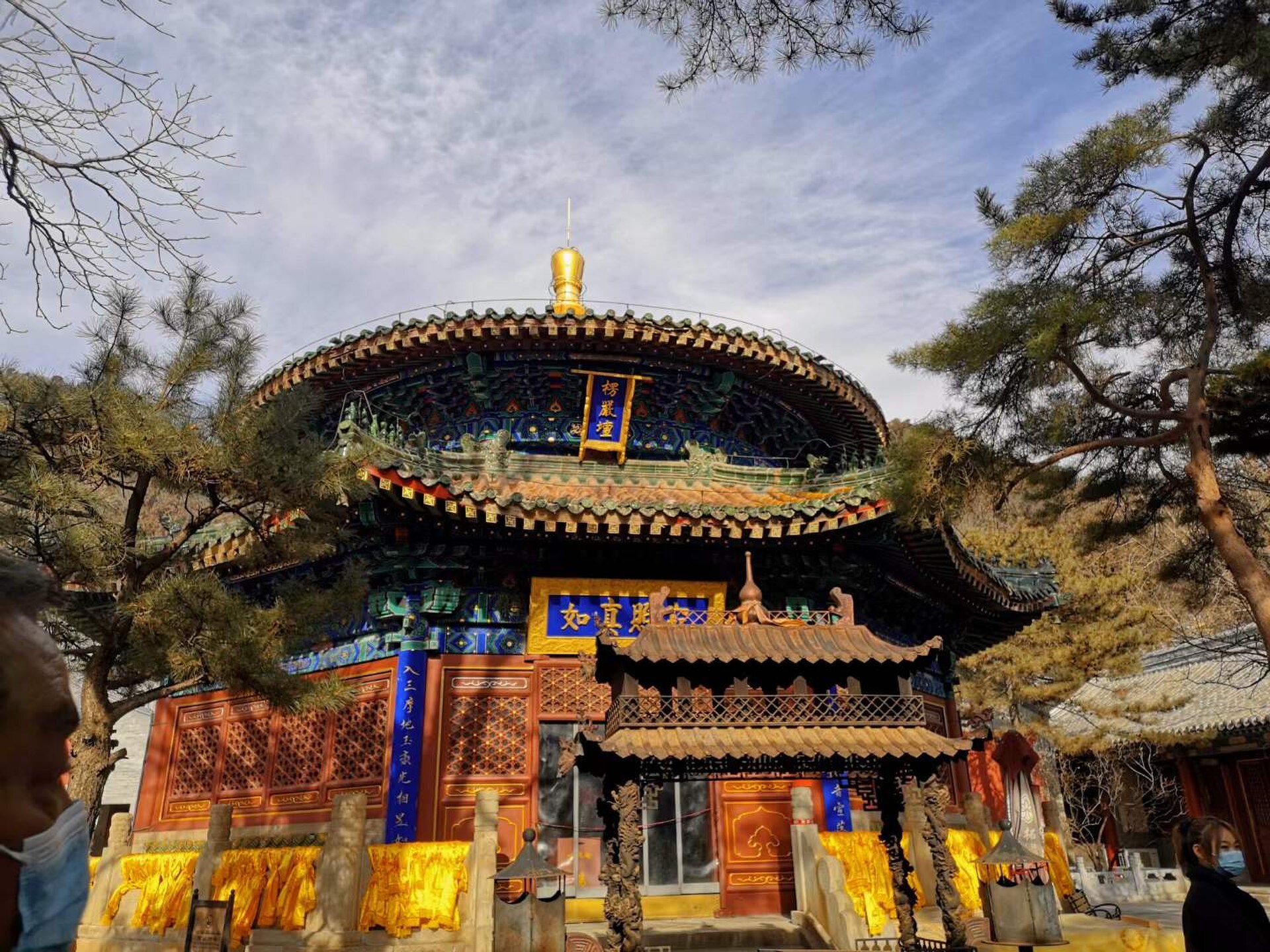
Jietai Temple, known locally as 戒台寺, is a historical Buddhist temple situated in the western outskirts of Beijing. The temple holds significant religious and cultural importance within China's Buddhist heritage. Its name references the ordination platform, a central feature used in Buddhist ceremonies for monks taking vows. The site represents centuries of architectural and spiritual tradition, attracting visitors interested in religious history and traditional Chinese temple design. As a curated destination ranked nineteenth among fifty-nine selected Beijing visitor places, it offers a distinct experience separate from the city's more heavily trafficked tourist corridors.
Checked 2026-08-31 · Source
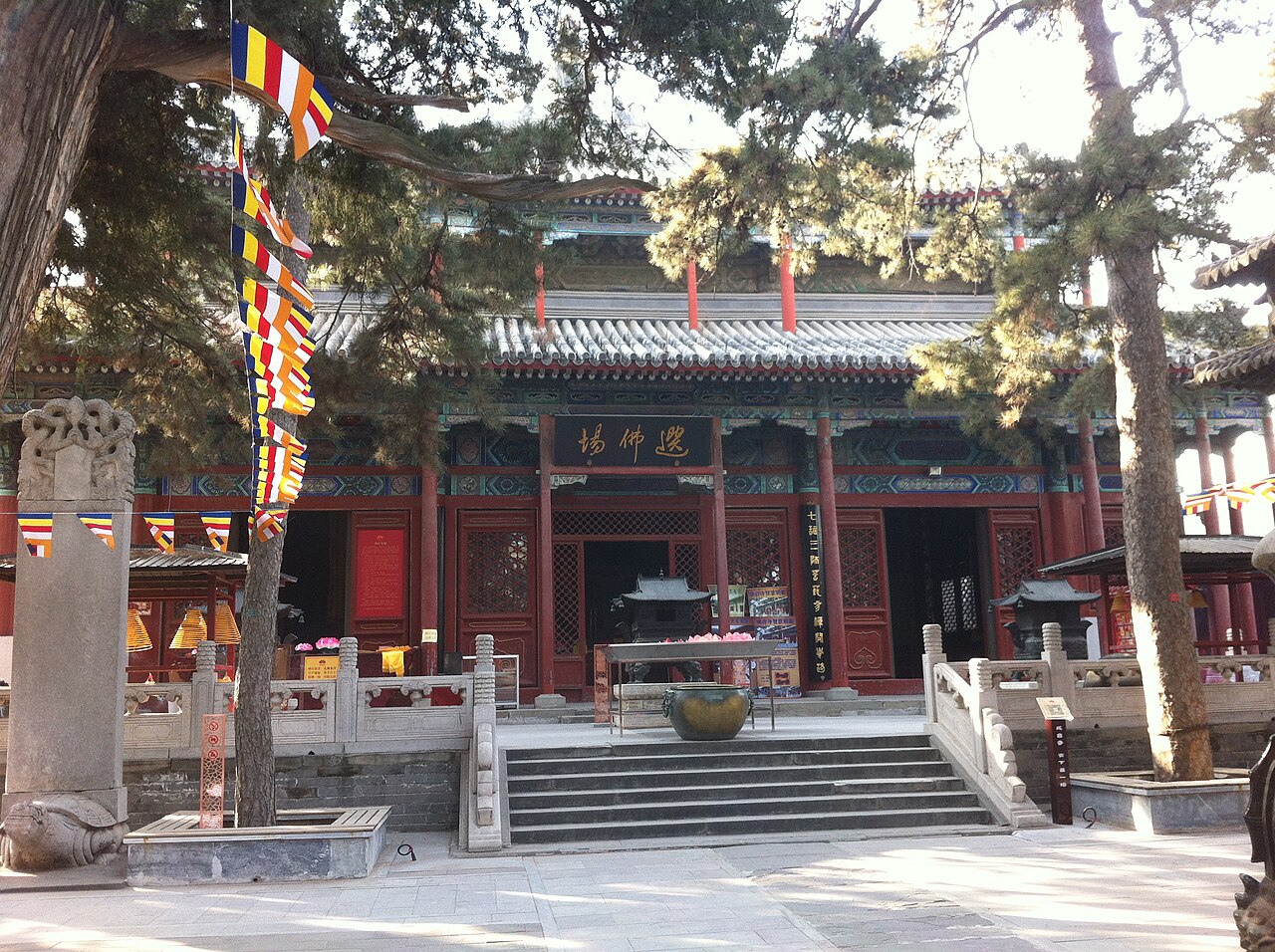
Jietai Temple is organised around its major Buddhist ordination altar, the feature that gives the temple its name. Halls, courtyards, ancient pines and lower gardens climb the slope of Ma'an Mountain, with the principal altar and upper buildings reached through repeated stone steps. The setting remains a working religious complex rather than a conventional museum. Selected entrance courts and lower paths can be approached with assistance, but they do not form a complete step-free route to the defining altar. A simple vegetarian meal is normally served by the temple dining hall around 11:30 for a separate charge.
Checked 2026-08-31 · Source
A thorough visit to Jietai Temple typically requires approximately two to three hours, though individual pacing varies considerably based on interest level and physical capability. The temple's hillside location necessitates walking between structures on uneven terrain and ascending stone steps, which extends visit duration compared to flat urban sites. Devotees engaging in prayer or meditation may spend additional time in contemplative practice. Photography enthusiasts and architectural detail observers should allocate extra time. The compact nature of the temple complex prevents the full-day commitment required by larger Beijing attractions, making it suitable for half-day excursions combined with nearby destinations in the western mountain area.
Checked 2026-08-31 · Source
Spring and summer hours are 08:30-17:00; autumn and winter hours are 08:30-16:30. Admission normally stops 30 minutes before closing. Arrive in the first hour for a quieter route and enough time before the final admission period. Weekends, public holidays and institutional events bring more visitors or altered access. Outdoor sections are hot in summer and cold in winter, while rain or ice can make heritage paving and mountain paths harder to use. The dated official notice always takes priority over a normal weekly pattern.
Checked 2026-08-31 · Source
Adult admission is CNY 45 and the half-price ticket is CNY 22. Children under six or 1.2 metres, disabled visitors, active military and other listed groups enter free with documents. Use the official venue channel and carry the identity document attached to any reservation or concession. A standard admission product does not include separately priced interpretation, food, transport or special events unless the operator says so. Free admission still requires compliance with capacity, security and real-name entry rules where the institution applies them. Retain the ticket or confirmation until the visit ends.
Checked 2026-08-31 · Source
Take Subway Line S1 to Shichang station, Exit B-East, then taxi about 15 minutes; buses 948 and M44 stop at Jietai Temple followed by a five-minute walk to the parking area. Allow additional time for the final approach, security or gate identification, especially at suburban and institutional sites. Use the full Chinese venue name in taxi or ride-hailing apps. Public transport is preferable where parking is scarce, and a campus, mountain temple or museum reservation never guarantees a parking place.
Checked 2026-08-31 · Source
The entrance court and selected lower paths are usable with assistance, but the temple rises along Ma'an Mountain through stone steps, platforms and uneven garden paths. The major altar and upper halls are not fully step-free. Follow the designated visitor route and staff instructions, and do not cross barriers into worship, teaching, conservation or staff-only areas. Historic thresholds, steep paths, exhibition installations and crowd controls can narrow access even where the main route is usable. Keep bags compact, protect tickets and identification, and allow other visitors clear access to lifts, ramps and entrances.
Checked 2026-08-31 · Source
The ordination complex, ancient pines, stone platforms and mountain backdrop provide the main photographic subjects. Use a compact handheld setup because steps and uneven ground make tripods awkward and obstructive. Interior halls and active ceremonies require permission; never use flash near statues, paintings or worshippers. Morning provides quieter courtyards and cooler climbing conditions, while late afternoon gives warm light but leaves less time before closing. Drone use needs explicit site and aviation approval. Stay on public paths and do not climb altar platforms, pine roots or walls to change viewpoint.
Checked 2026-08-31 · Source
It is named for its large Buddhist ordination altar, one of the most important surviving examples in China.
Allow about three hours for the temple axis, altar hall, ancient pines and lower garden routes.
Only partly. Lower areas can be approached, while the mountain halls and main altar route contain repeated stairs.
Yes. The ancient-road and mountain-loop hike is free, while entry into the temple costs CNY 45.
The temple dining hall serves a simple vegetarian meal around 11:30 for a separate charge.
Yes. The two sites form a practical full-day western-hills trip, using road transport between their entrances.
Loading the interactive map…
The interactive map could not be loaded.
Last updated:
Source: OpenStreetMap contributors, Wikidata ·