
7 min walk
Houhai
- Must see
- Nature site
Language · 11 published
Museum · Beijing
恭王府
Reviewed by Elena Voss · Roavina Travel Editor
| Monday | 08:30 – 17:00 |
|---|---|
| Tuesday | 08:30 – 17:00 |
| Wednesday | 08:30 – 17:00 |
| Thursday | 08:30 – 17:00 |
| Friday | 08:30 – 17:00 |
| Saturday | 08:30 – 17:00 |
| Sunday | 08:30 – 17:00 |
Checked 2026-08-31 · Source
Read from the OpenStreetMap access tags; anything not listed has no tag recorded.
Set the group type to family in the planner and the day window contracts to about three quarters of a solo day.
This place is a Museum. It carries the Major Historical and Cultural Site Protected at the National Level heritage designation.
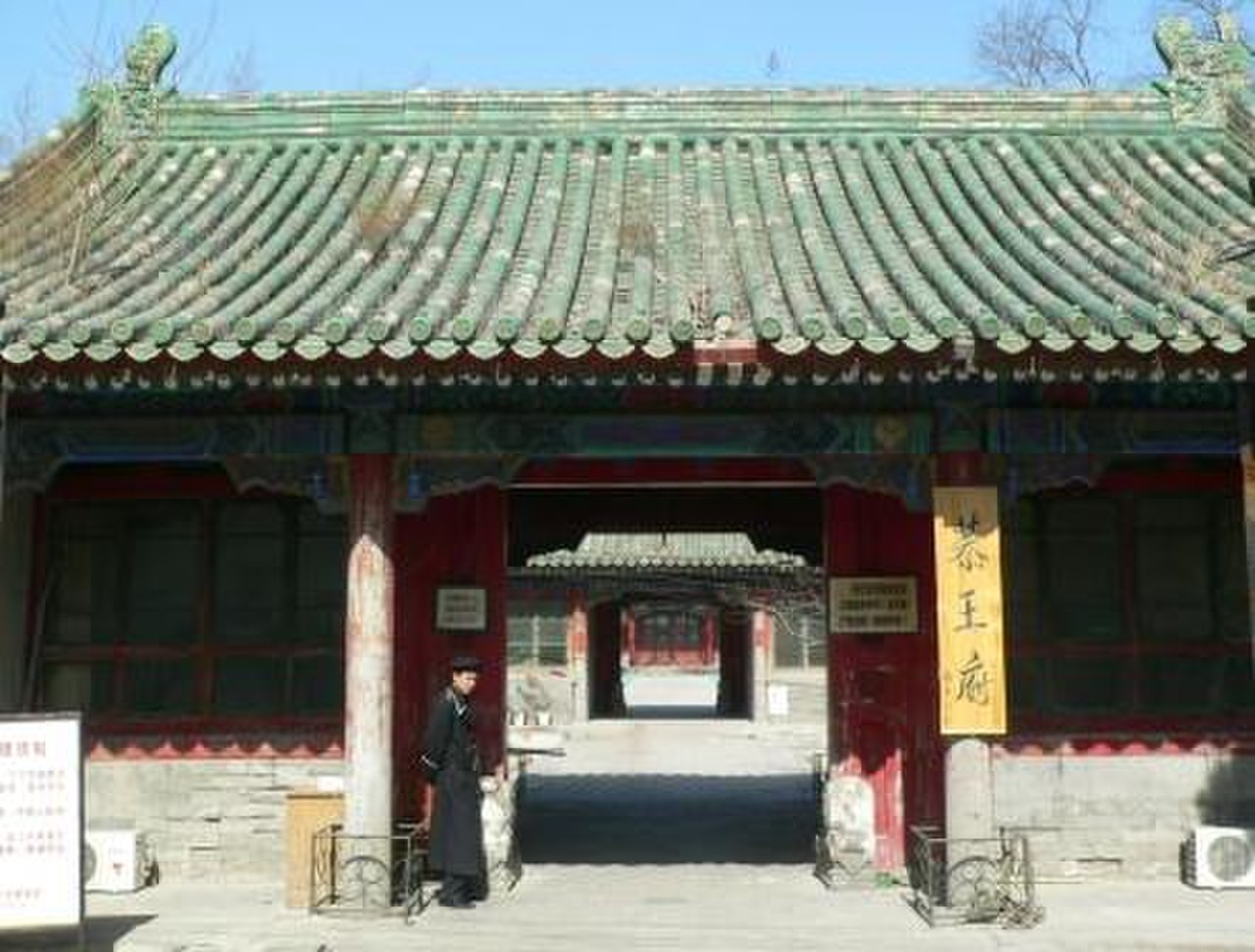
Prince Gong Mansion, known locally as 恭王府, stands as one of Beijing's most significant surviving aristocratic residences from the Qing dynasty era. The complex represents a prime example of traditional Chinese princely architecture and garden design. Located in the historic Shichahai area, this extensive compound served as the private residence of several imperial princes, most notably Prince Gong. The mansion encompasses both residential quarters and elaborate gardens, reflecting the hierarchical structure of Qing nobility. Its preservation offers visitors insight into the lifestyle and cultural practices of China's late imperial aristocracy. The responsible tourism page recommends about two hours for the mansion halls and garden.
Checked 2026-08-31 · Source
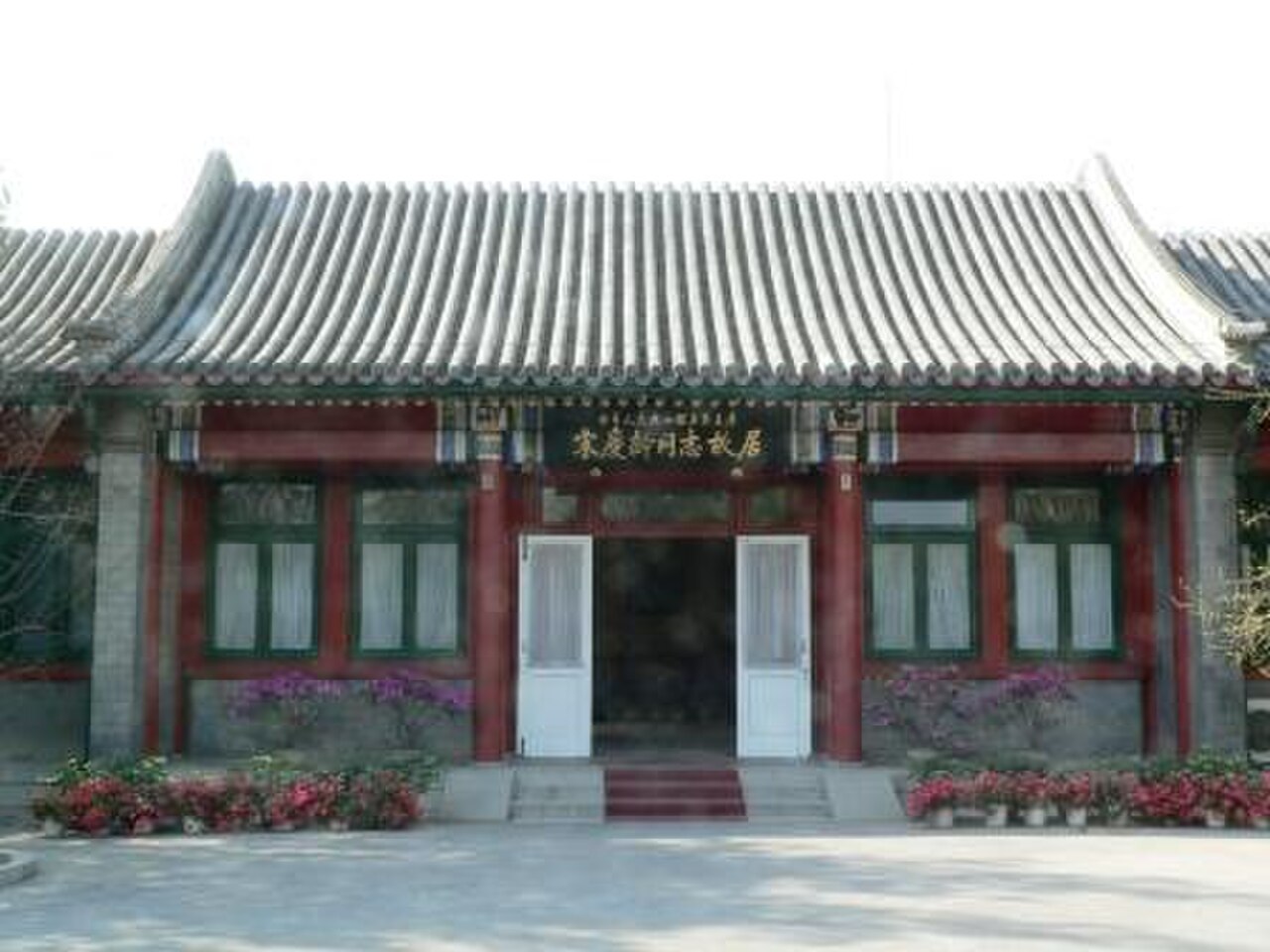
The mansion complex divides into two principal zones: the residential buildings and the garden areas. The residential portion contains multiple courtyards arranged along a central axis, following classical Chinese architectural principles. These spaces include ceremonial halls, living quarters, and auxiliary structures. The garden section features artificial rockeries, ponds, pavilions, and covered walkways. Notable architectural elements include traditional timber framing, decorative roof tiles, and painted corridors. The compound also contains various carved stone features and ornamental gateways that demonstrate craftsmanship from the period. Vegetation within the gardens provides seasonal variation to the landscape. Yes. Ticket sales end at 16:10, fifty minutes before the 17:00 closure.
Checked 2026-08-31 · Source
Visitors typically allocate between one and a half to three hours for exploring Prince Gong Mansion thoroughly. The duration depends on individual pacing and depth of interest in architectural details. A cursory walk through main courtyards and garden paths may require approximately sixty to ninety minutes. Those examining decorative elements, reading informational displays, and photographing extensively should plan for longer visits. The garden areas particularly invite slower progression. Crowd conditions vary significantly by season and time of day, potentially affecting movement speed through narrower passages and popular viewing spots within the complex. Yes. The Kangxi-character Fu stele is in the garden cave route within the standard mansion visit.
Checked 2026-08-31 · Source
Open 08:30-17:00 with ticket sales ending at 16:10. Temporary conservation work, exhibitions and special events can close individual halls or garden areas. Allow two to three hours for the mansion courtyards and rear garden. Rockeries, halls, theatre spaces and exhibition rooms create repeated short stops. Statutory holidays, severe weather, conservation work and special events can replace the ordinary schedule through a dated notice from the responsible body. No. Heritage conservation and exhibition arrangements keep some rooms view-only or temporarily closed.
Checked 2026-08-31 · Source
Standard adult admission is CNY 40. Children under 1.2 metres enter free under the published visitor information. Real-name products require the original registered identity document at entry. Transport, inner courtyards, performances, boat hire, separately controlled ruins and commercial activities are excluded unless the ticket description explicitly includes them. Only partly. Level paths are usable, while rockeries, cave passages, bridges and raised pavilions require steps.
Checked 2026-08-31 · Source
Take Beijing Subway Line 6 to Beihai North station, Exit B, then walk north through Sanzuoqiao Hutong for about five minutes. Buses also stop at Beihai North Gate. Use the named gate, station or district in these directions because the attraction may cover several kilometres or sit within a much larger historic neighbourhood. Beihai North station Exit B on Line 6 provides the shortest published walking route.
Checked 2026-08-31 · Source
Main courtyards and parts of the garden have broad paved routes, but raised wooden halls, thresholds, rockeries, cave passages, steps and narrow historic doorways prevent complete step-free access. The responsible tourism page recommends about two hours for the mansion halls and garden. Yes. Ticket sales end at 16:10, fifty minutes before the 17:00 closure. Yes. The Kangxi-character Fu stele is in the garden cave route within the standard mansion visit. Long distances, historic thresholds, stairs, active worship, dense crowds and independently operated sites remain relevant to the final route. Beihai North station Exit B leads through Sanzuoqiao Hutong to the mansion entrance in about five minutes.
Checked 2026-08-31 · Source
The architectural and garden features of Prince Gong Mansion offer substantial photographic interest throughout the compound. Traditional courtyards provide framed compositions of rooflines and sky. Garden elements including rockeries, water features, and pavilion structures create varied subject matter. Interior spaces present challenges due to lighting conditions and potential restrictions. Visitors should observe any posted guidelines regarding camera use, tripods, or flash photography. Morning and late afternoon light generally produces favorable conditions for exterior photography. Peak visitation periods complicate clean compositions without crowd elements. The contrast between grey brick architecture and seasonal vegetation colors provides additional visual opportunities.
Checked 2026-08-31 · Source
The responsible tourism page recommends about two hours for the mansion halls and garden.
Yes. Ticket sales end at 16:10, fifty minutes before the 17:00 closure.
Yes. The Kangxi-character Fu stele is in the garden cave route within the standard mansion visit.
No. Heritage conservation and exhibition arrangements keep some rooms view-only or temporarily closed.
Only partly. Level paths are usable, while rockeries, cave passages, bridges and raised pavilions require steps.
Beihai North station Exit B on Line 6 provides the shortest published walking route.
Loading the interactive map…
The interactive map could not be loaded.
Last updated:
Source: OpenStreetMap contributors, Wikidata ·