
8 min walk
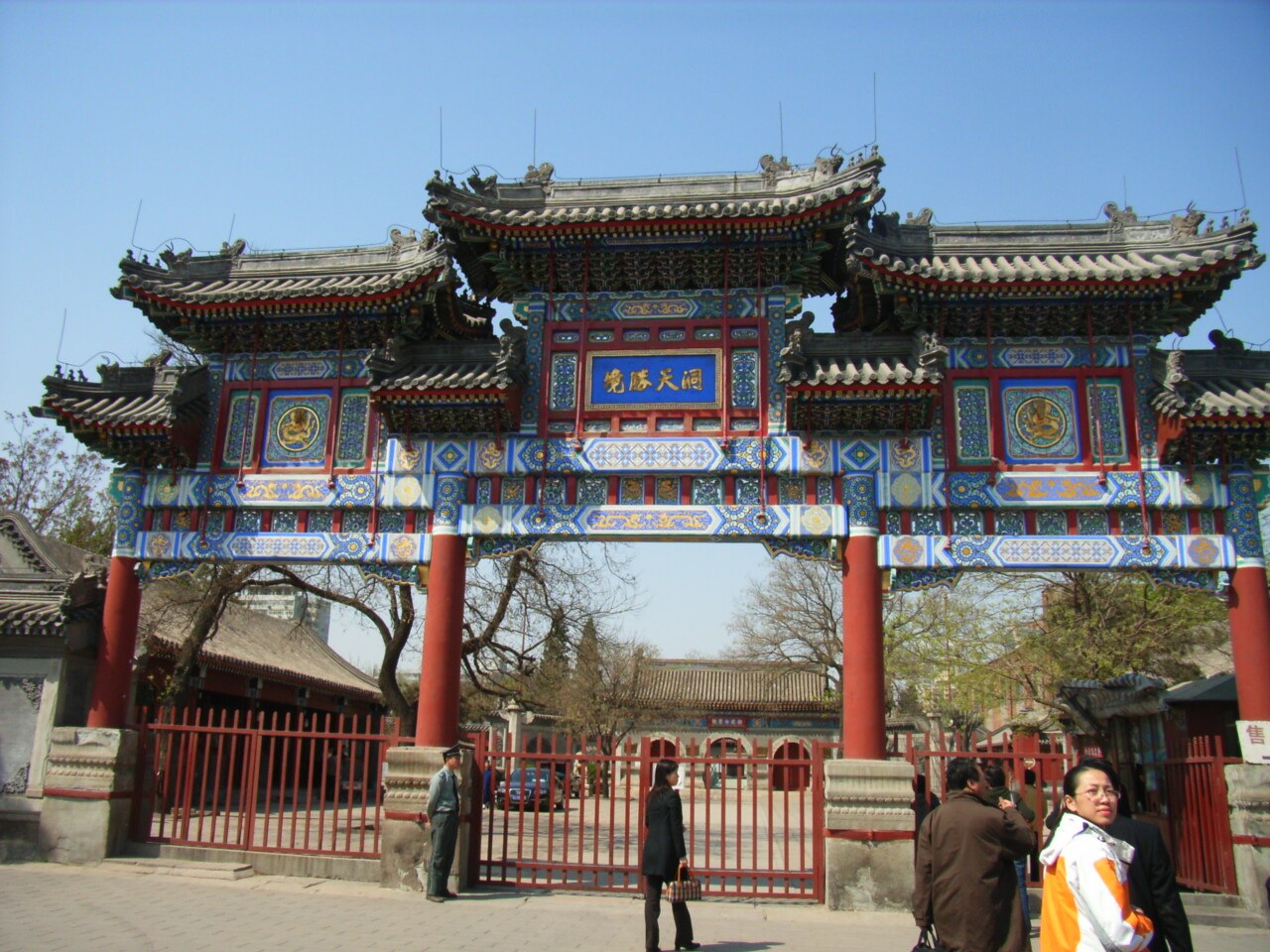
白云观
- Must see
- Place of worship
Language · 11 published
Museum · Beijing
首都博物馆
Reviewed by Elena Voss · Roavina Travel Editor
| Monday | Closed |
|---|---|
| Tuesday | 09:00 – 17:00 |
| Wednesday | 09:00 – 17:00 |
| Thursday | 09:00 – 17:00 |
| Friday | 09:00 – 17:00 |
| Saturday | 09:00 – 17:00 |
| Sunday | 09:00 – 17:00 |
Checked 2026-08-31 · Source
Read from the OpenStreetMap access tags; anything not listed has no tag recorded.
Set the group type to family in the planner and the day window contracts to about three quarters of a solo day.
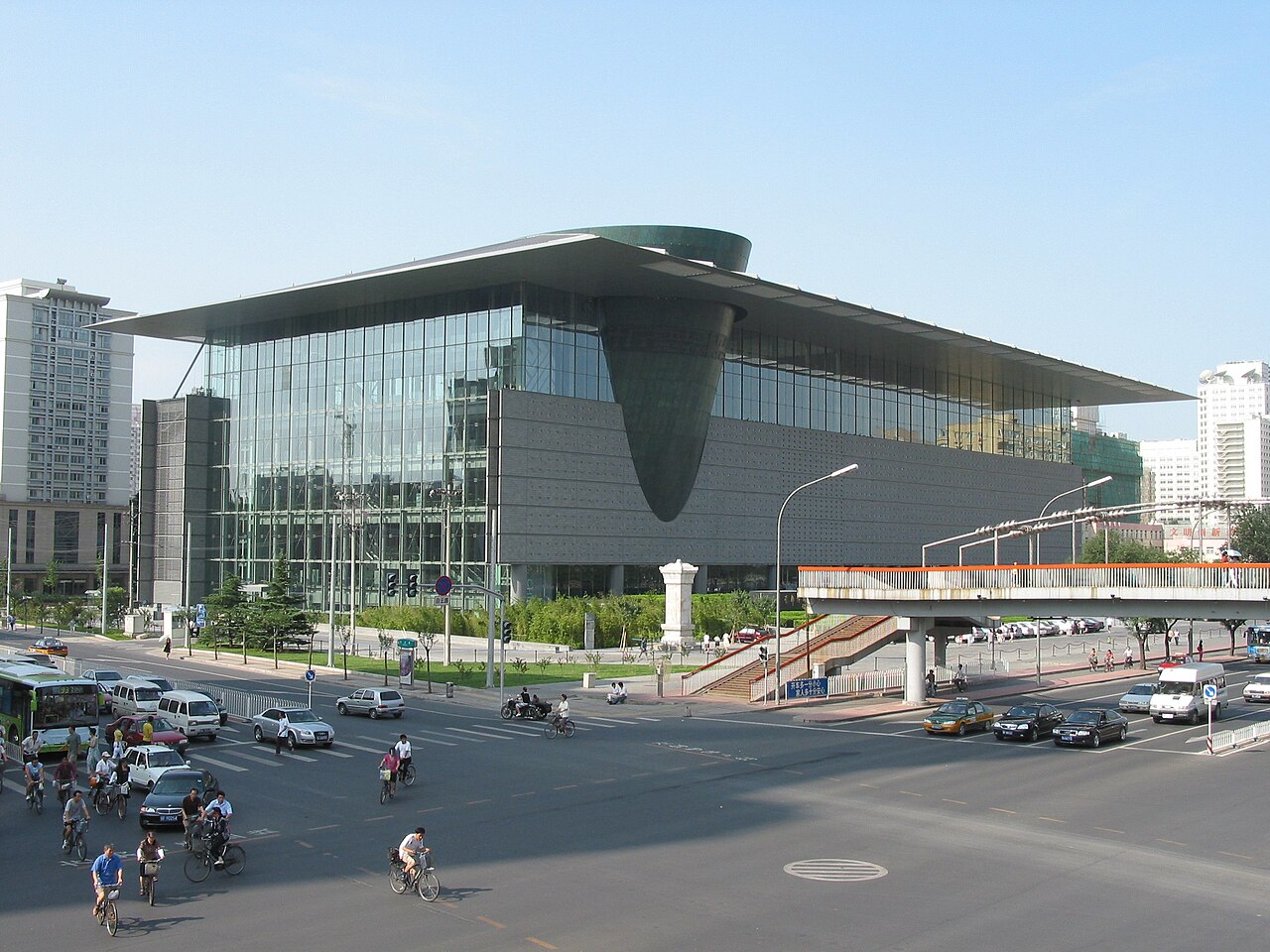
This place is a Museum. It opened in 1981.
The Capital Museum is a major cultural institution in Beijing, China, dedicated to preserving and exhibiting artifacts related to the city's history and culture. Its local name is 首都博物馆. The museum occupies a significant building and serves as an important repository for understanding Beijing's development from ancient times through the modern era. It complements other major institutions in China's capital by focusing specifically on regional heritage rather than national collections. The museum's purpose-built Fuxingmenwai building uses a large atrium and layered galleries to connect Beijing archaeology, art, folk culture and the city's urban history. Yes. Permanent admission is free, while selected major temporary exhibitions can charge separately.
Checked 2026-08-31 · Source
Capital Museum presents Beijing's history through archaeology, ceramics, bronzes, jade, painting, calligraphy, folk customs and material from the city's urban development. Permanent galleries occupy the large Fuxingmenwai building, while major temporary exhibitions can use separate tickets and reservations. Free staff and volunteer tours and a lobby audio-guide service operate on open days. The visitor route is fully step-free: ramps and accessible security lead to lifts serving every public level, including a platform lift to the sixth-floor round hall. Wheelchairs, lockers, accessible toilets and designated parking are available through visitor services.
Checked 2026-08-31 · Source
Allow two to four hours for Capital Museum. A two-hour route can cover selected Beijing-history and art galleries, while a half day suits visitors reading labels closely or adding a major temporary exhibition. The museum's free staff and volunteer tours can structure a shorter visit, and the lobby audio-guide service supports independent exploration. The fully accessible building has seating, lifts and wheelchairs, but its scale still makes prioritisation useful. Arrive well before the 16:00 last-entry point; one hour is insufficient for the permanent collection and security process.
Checked 2026-08-31 · Source
Open Tuesday-Sunday 09:00-17:00 with last entry at 16:00. Closed Monday except statutory-holiday or specially announced openings; selected extended Saturdays can run until 20:00 with separate reservation. Arrive in the first hour for a quieter route and enough time before the final admission period. Weekends, public holidays and institutional events bring more visitors or altered access. Outdoor sections are hot in summer and cold in winter, while rain or ice can make heritage paving and mountain paths harder to use. The dated official notice always takes priority over a normal weekly pattern.
Checked 2026-08-31 · Source
Permanent museum admission is free with valid identification and real-name registration or reservation. Selected major temporary exhibitions can require a separately priced ticket. Use the official venue channel and carry the identity document attached to any reservation or concession. A standard admission product does not include separately priced interpretation, food, transport or special events unless the operator says so. Free admission still requires compliance with capacity, security and real-name entry rules where the institution applies them. Retain the ticket or confirmation until the visit ends.
Checked 2026-08-31 · Source
The museum is at 16 Fuxingmenwai Street. Use Muxidi station on Subway Line 1 for the closest rail approach, then follow the signed walk to the north visitor entrance; accessible parking is onsite. Allow additional time for the final approach, security or gate identification, especially at suburban and institutional sites. Use the full Chinese venue name in taxi or ride-hailing apps. Public transport is preferable where parking is scarce, and a campus, mountain temple or museum reservation never guarantees a parking place.
Checked 2026-08-31 · Source
Ramps, accessible security, lockers, wheelchairs, lifts to every public area, a wheelchair platform lift to the sixth-floor round hall, accessible toilets and parking spaces provide a complete step-free route. Follow the designated visitor route and staff instructions, and do not cross barriers into worship, teaching, conservation or staff-only areas. Historic thresholds, steep paths, exhibition installations and crowd controls can narrow access even where the main route is usable. Keep bags compact, protect tickets and identification, and allow other visitors clear access to lifts, ramps and entrances.
Checked 2026-08-31 · Source
Non-flash personal photography is suitable in permanent galleries unless a sign identifies a restricted object or loan exhibition. Keep tripods, selfie sticks and lighting out of the galleries and never lean equipment against cases. Major temporary exhibitions can impose stricter rules than the free permanent displays. The broad atrium and layered interior architecture are useful contextual subjects, while glass cases require the lens to stay close without touching. Visitors using wheelchairs need clear access to case fronts and lift doors, so wait rather than blocking the route. Publication and commercial use require museum authorisation.
Checked 2026-08-31 · Source
Yes. Permanent admission is free, while selected major temporary exhibitions can charge separately.
No. Monday is the regular closing day unless a holiday or special notice changes it.
Yes. Visitors present valid identification and complete the current registration or reservation process.
Yes. Standard lifts and a dedicated platform lift complete the route to the round hall's sixth floor.
Yes. Wheelchairs are available from the cloakroom or visitor-service area.
Scheduled Chinese staff and volunteer tours and the lobby audio-guide service are offered free on open days.
Loading the interactive map…
The interactive map could not be loaded.
Last updated:
Source: OpenStreetMap contributors, Wikidata ·