


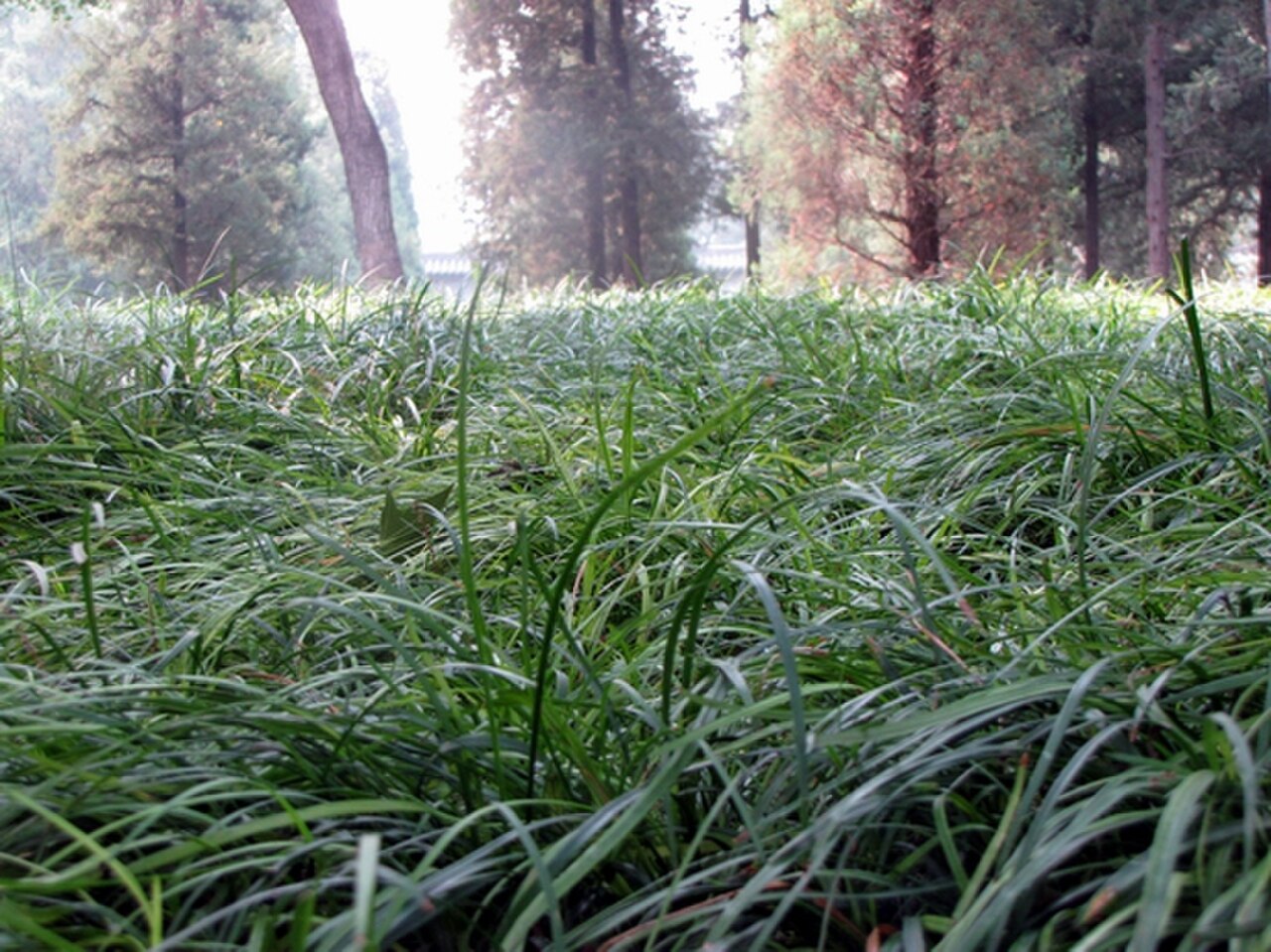
15 min walk
月坛公园
- Must see
- Nature site
Language · 11 published
Museum · Beijing
鲁迅博物馆
Reviewed by Elena Voss · Roavina Travel Editor
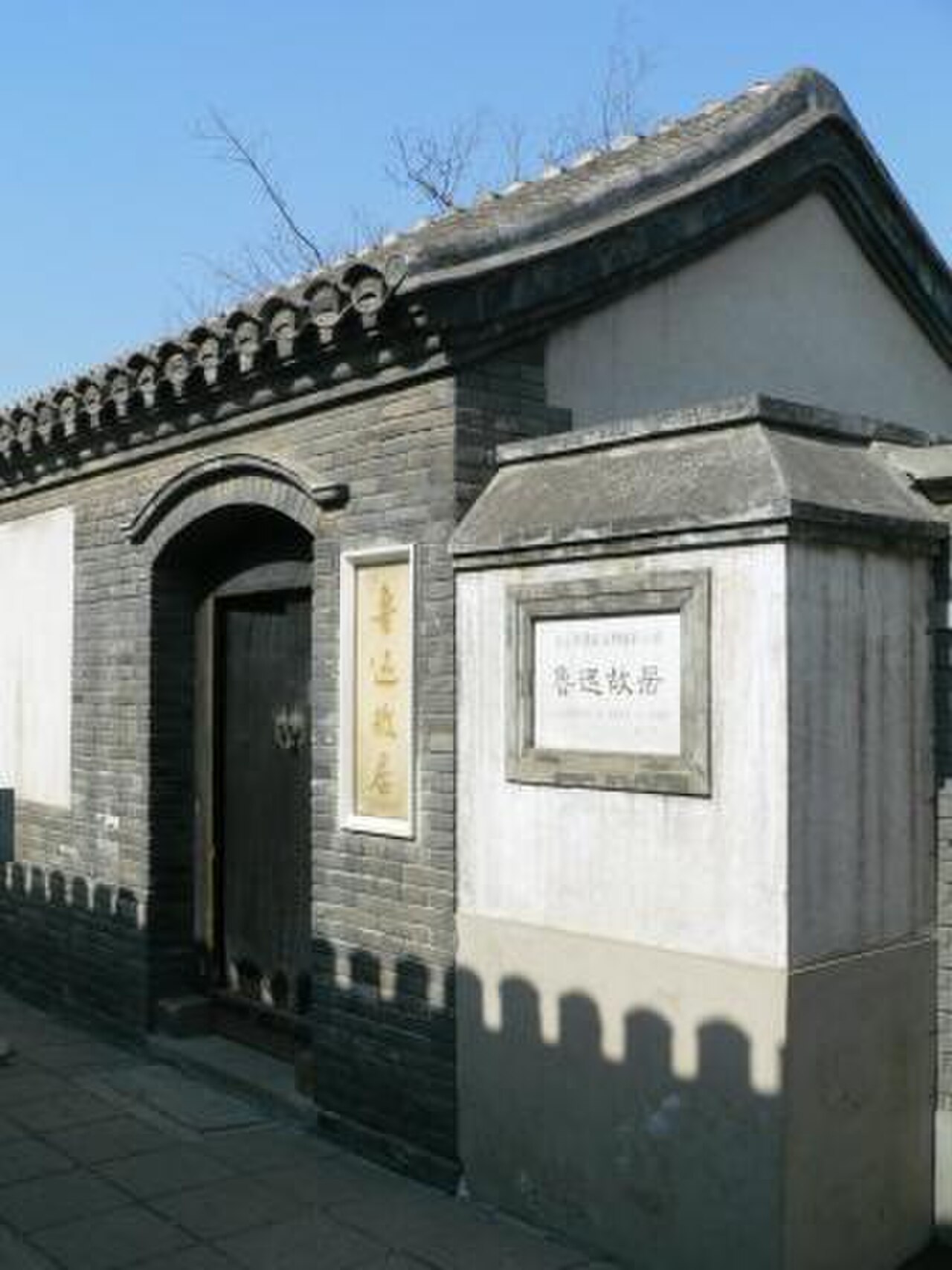
This place is a Museum. It was established in 1956. It carries the Major Historical and Cultural Site Protected at the National Level heritage designation.
Beijing Lu Xun Museum is dedicated to the life, writing and cultural legacy of Lu Xun, one of modern China’s most influential authors. The museum includes the traditional Beijing courtyard residence where he lived and worked, giving the literary subject a physical setting as well as an archival one. It suits readers, visitors interested in China’s New Culture Movement and anyone who enjoys intimate historic houses. The experience is quieter and more focused than a large national museum. The Beijing Lu Xun Museum is a cultural institution dedicated to the life and legacy of Lu Xun, widely regarded as modern China's greatest writer. Lu Xun was a pivotal figure in early twentieth-century Chinese literature, known for his sharp social criticism and influential short stories. Yes, the museum incorporates the traditional Beijing courtyard house where Lu Xun lived and worked.
Checked 2026-08-26 · Source
The complex combines Lu Xun’s preserved siheyuan residence with exhibition rooms devoted to his work and period. You can see living spaces such as his study and bedroom, then explore manuscripts, correspondence, photographs, first editions, journals and translated works. Documents connect Lu Xun with the intellectual world of early twentieth-century China and the New Culture Movement. The courtyard layout makes the visit personal in scale: domestic rooms, archival material and cultural history sit close together rather than being separated across a vast museum campus.
Checked 2026-08-26 · Source
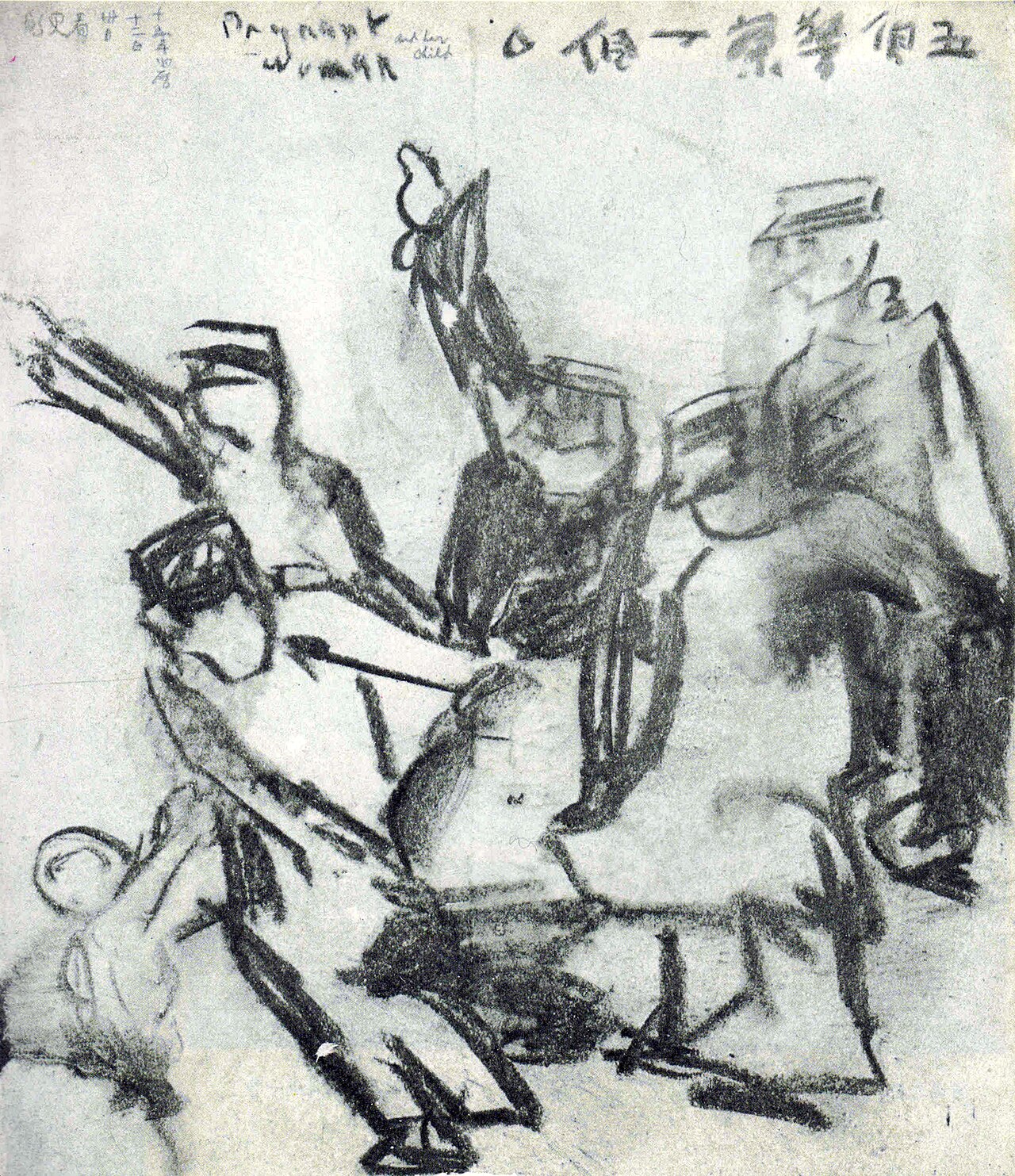
Most visitors need one to two hours for the residence and exhibition halls. The compact courtyard makes circulation straightforward, but reading manuscripts, correspondence and explanatory panels adds time. Readers familiar with Lu Xun’s stories may want longer pauses in the study and archival displays, while a general visitor can complete a calm overview within an hour. The museum works well as a focused cultural stop between other Xicheng walks, especially when you prefer a small historic site to a crowded headline attraction.
Checked 2026-08-26 · Source
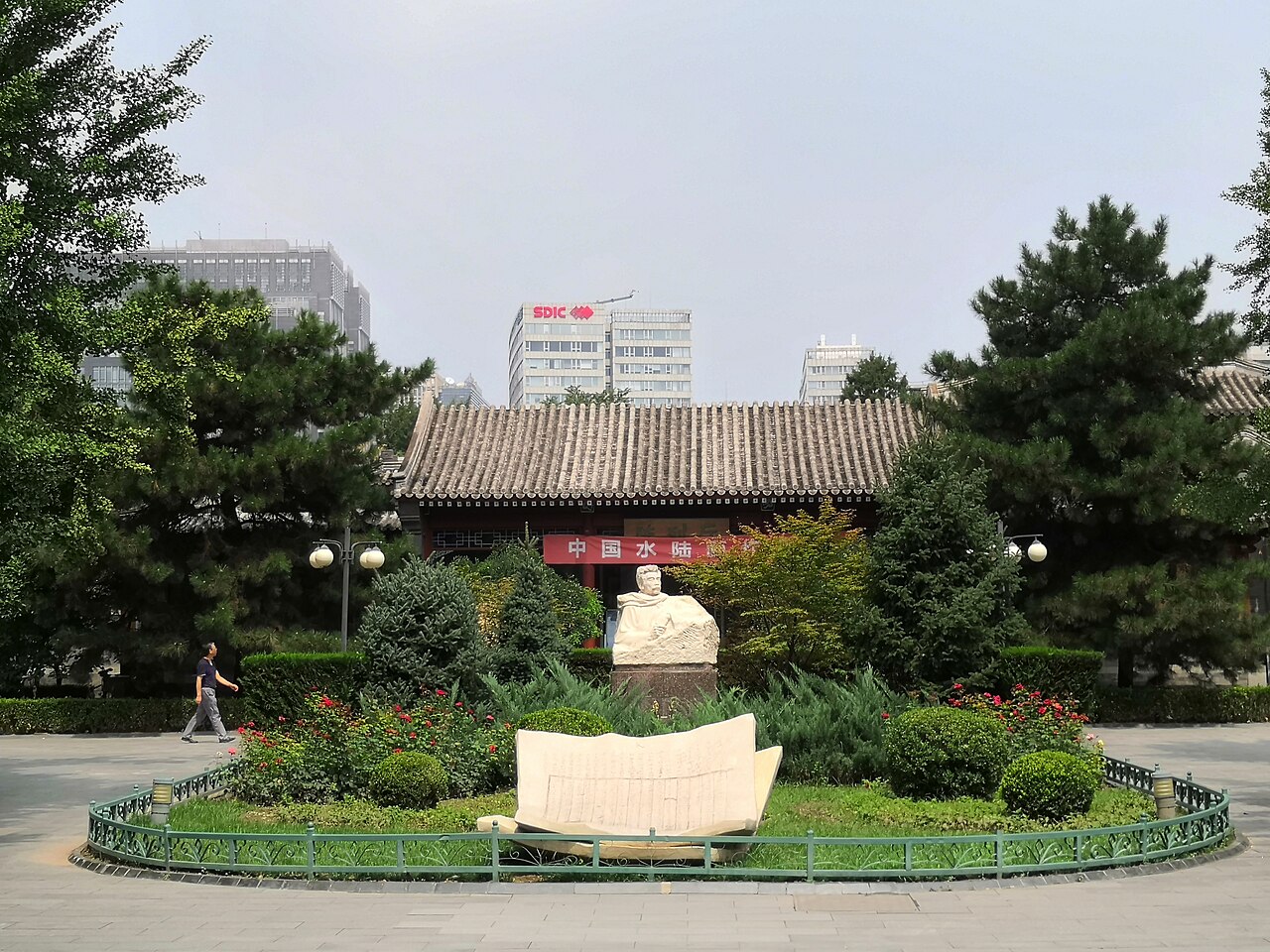
Spring and autumn are comfortable seasons for moving between the courtyard and indoor galleries. Beijing’s summers are hot and humid, while winters are cold and dry, conditions that matter in a historic residence with outdoor circulation. A morning visit can support a more contemplative experience before nearby attractions become busy. The courtyard may have limited shelter from rain or strong sun, so dress for the season. Include this museum in a flexible day of Xicheng cultural visits rather than rushing through it between distant sights.
Checked 2026-08-26 · Source
The museum is a literary memorial and exhibition venue centred on Lu Xun’s residence, manuscripts and personal history. Carry identification as part of a normal museum day in Beijing. Visitors who want to understand the displays will gain more from knowing a little about Lu Xun’s stories and the New Culture Movement before entering. Groups should preserve the quiet character of the courtyard and residential rooms. The site is most rewarding when treated as a place for close attention rather than a quick photograph between larger attractions.
Checked 2026-08-26 · Source
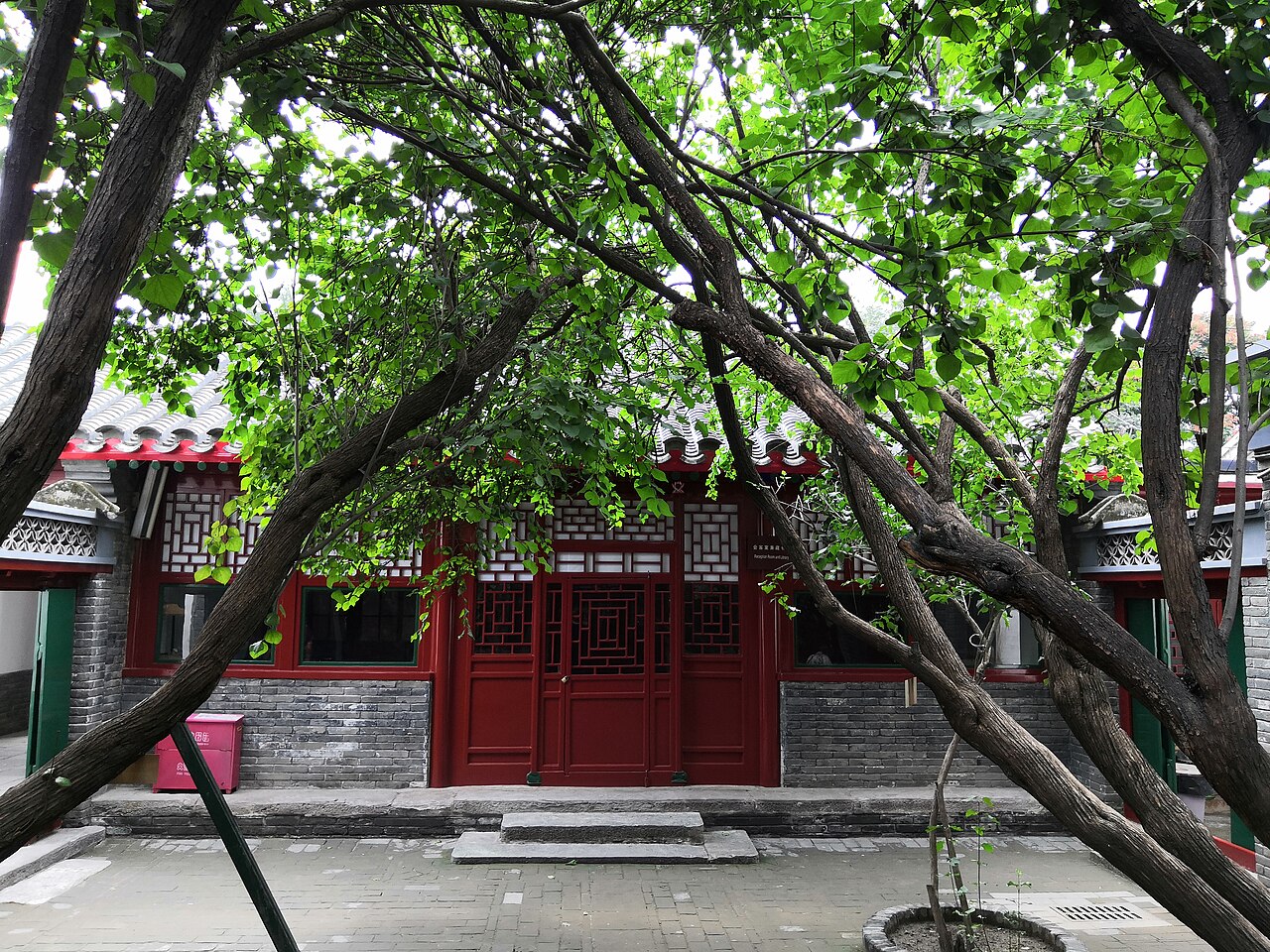
The museum is in central Beijing’s Xicheng District, within the city’s extensive metro, bus, taxi and ride-hailing network. Use the Chinese name 北京鲁迅博物馆 when searching a map or showing a driver. The surrounding hutong streets make walking from a nearby starting point an appealing part of the journey, although distance depends on your route. Combine the museum with other Xicheng cultural stops and allow time for the final walk through neighbourhood streets rather than planning a tight transfer from the opposite side of Beijing.
Checked 2026-08-26 · Source
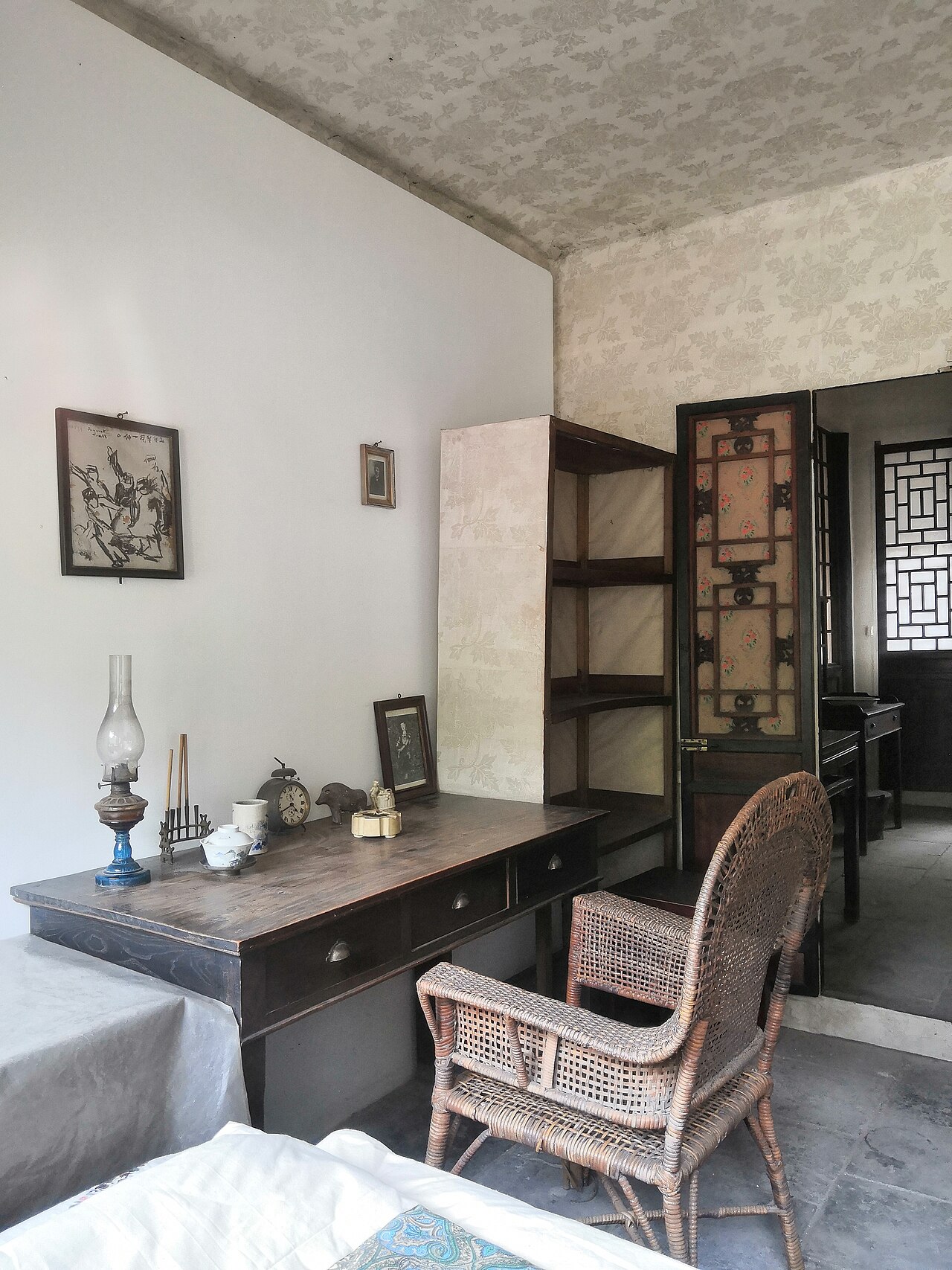
The historic courtyard includes traditional paving and thresholds, so watch your footing between rooms. Indoor conditions can vary with the season, and the residence does not feel like a modern climate-controlled gallery throughout. Many labels are in Chinese, making a translation application useful for foreign visitors. School groups or organised tours can change the noise level and pace. Respect the domestic character of the former residence, follow any photography signs and leave room for other visitors in the study, bedroom and narrow courtyard passages.
Checked 2026-08-26 · Source
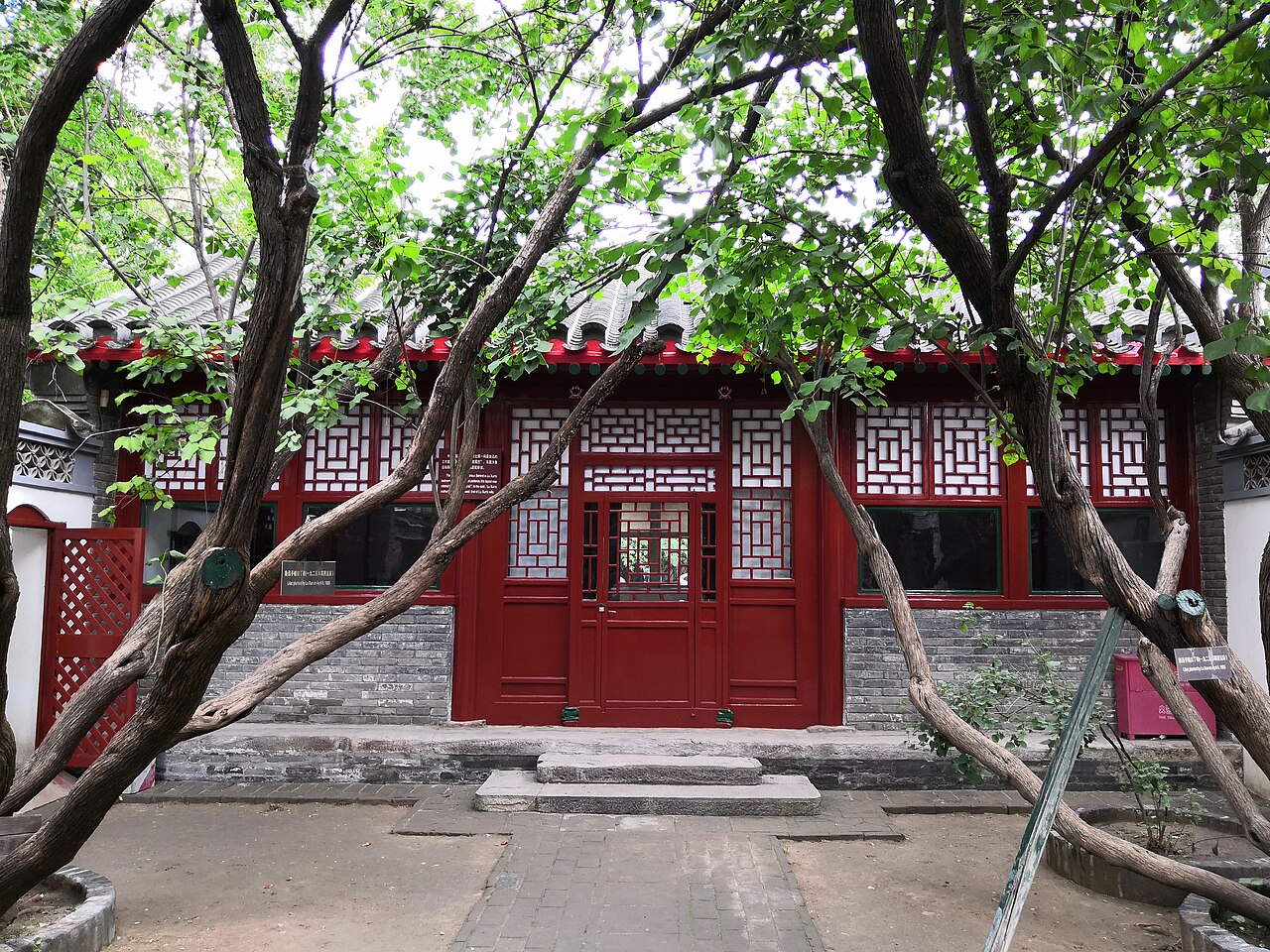
The courtyard, preserved rooms and literary displays offer photographs with a quiet, intimate character. Look for architectural details, study furniture, doorways and views across the siheyuan rather than photographing every document closely. Keep flash and bulky equipment away from paper collections and historic interiors unless staff permit them. Ask before making close images of people. The residence is also a memorial space, so a restrained approach suits the setting. Pair interior details with photographs of the surrounding hutong streets for a fuller sense of place.
Checked 2026-08-26 · Source
Yes. The museum incorporates the traditional Beijing courtyard house where Lu Xun lived and worked.
The visit includes Lu Xun’s study and bedroom, manuscripts, correspondence, photographs, first editions, journals, translations and material about his intellectual circle.
Plan one to two hours for the preserved residence and exhibition rooms, with extra time if you read the archival displays closely.
Spring and autumn are comfortable for the courtyard and nearby walking routes. Summer is hot and humid, while winter is cold and dry.
Expect a compact traditional siheyuan with preserved residential rooms, thresholds and historic paving. Move carefully and respect the intimate memorial setting.
Knowing a little about Lu Xun and the New Culture Movement helps. A translation application is useful when reading Chinese labels and archival descriptions.
Loading the interactive map…
The interactive map could not be loaded.
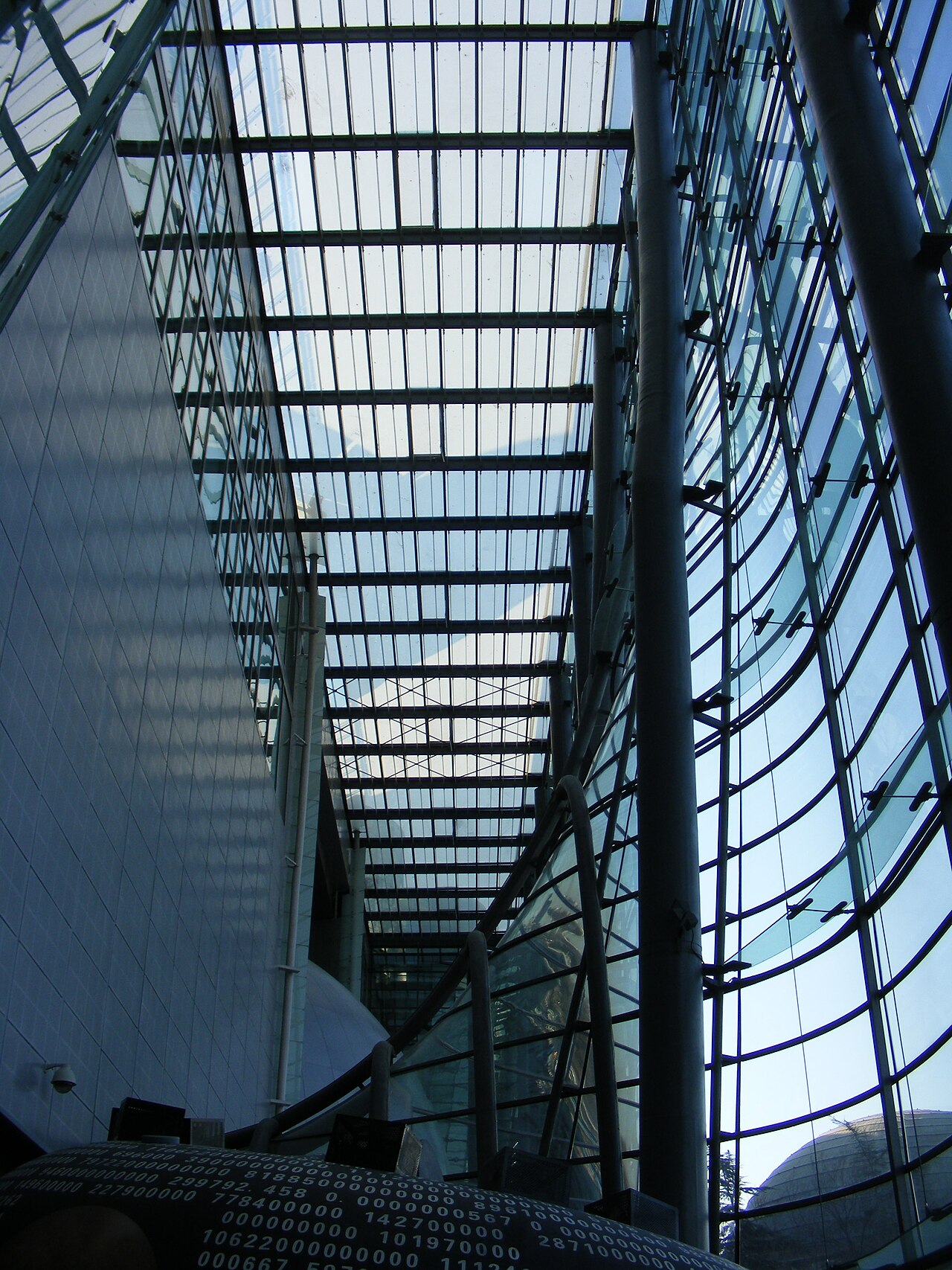
Last updated:
Source: OpenStreetMap contributors, Wikidata ·