
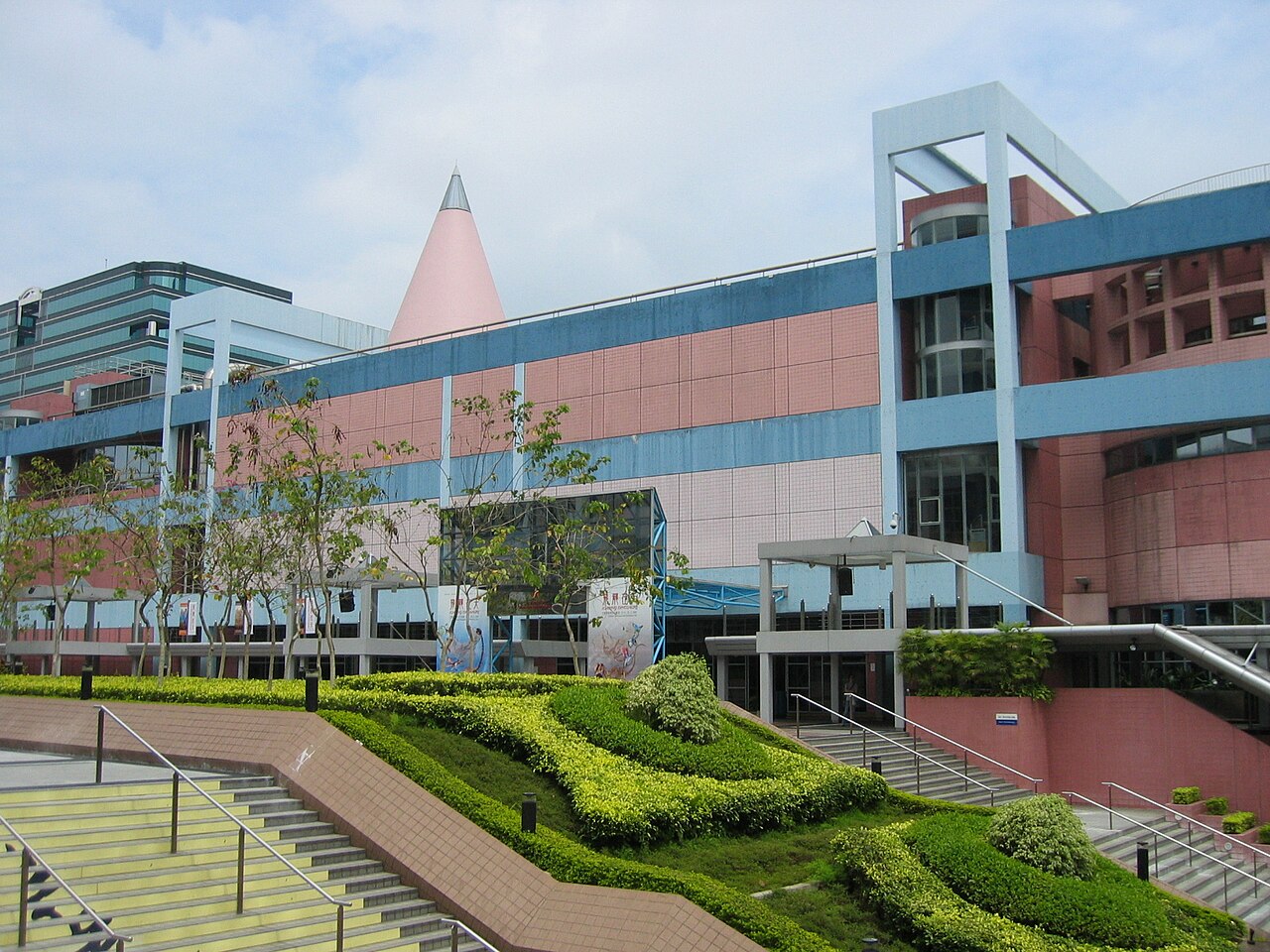
2 min walk · 油尖旺區 Yau Tsim Mong District
Hong Kong Science Museum
- Must see
- Museum
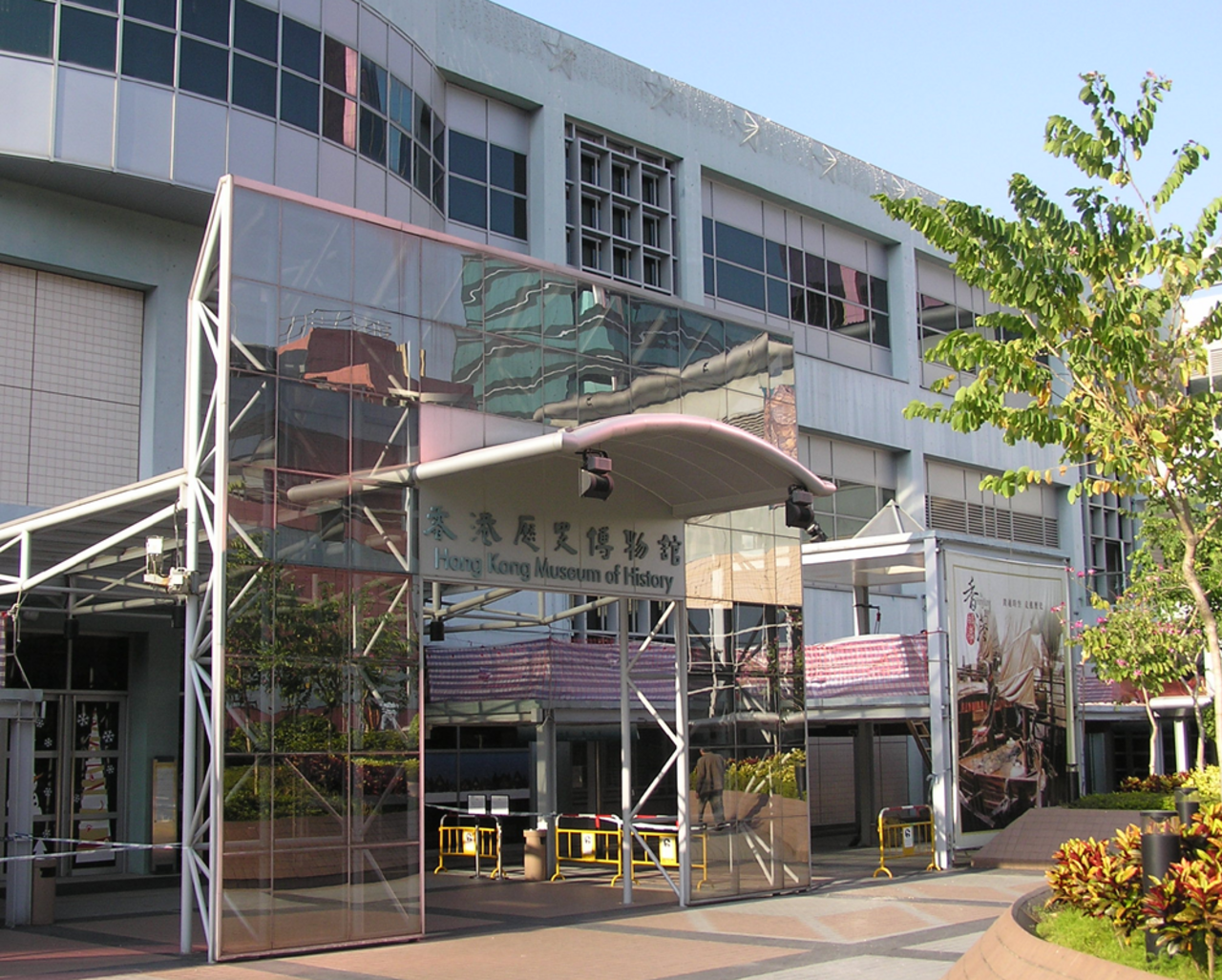
Museum · 油尖旺區 Yau Tsim Mong District, Hong Kong
香港歷史博物館 Hong Kong Museum of History
Closed today, Tuesday. Next open Wednesday at 10:00 — the planner will not place a stop here on a Tuesday.
Plan around it| Monday | 10:00 – 18:00 |
|---|---|
| Tuesday | Closed |
| Wednesday | 10:00 – 18:00 |
| Thursday | 10:00 – 18:00 |
| Friday | 10:00 – 18:00 |
| Saturday | 10:00 – 19:00 |
| Sunday | 10:00 – 19:00 |
Checked 2026-08-31 · Source
| Per person | Free entry |
|---|
Checked 2026-08-31 · Source
Read from the OpenStreetMap access tags; anything not listed has no tag recorded.
Set the group type to family in the planner and the day window contracts to about three quarters of a solo day.
The Hong Kong Museum of History is a major cultural institution dedicated to preserving and presenting the history of Hong Kong and South China. Located in Tsim Sha Tsui, Kowloon, the museum occupies a purpose-built facility. Its comprehensive collections span archaeology, ethnography, natural history, and local heritage. The institution serves as a key educational resource for residents and visitors seeking to understand the territory's complex historical development from prehistoric times through the modern era.
Checked 2026-08-31 · Source
The museum features permanent exhibitions tracing Hong Kong's evolution across millennia. Displays encompass prehistoric archaeology, imperial Chinese governance, maritime trade, colonial period developments, wartime occupation, and post-war transformation. Galleries incorporate artifacts, documents, dioramas, and multimedia presentations. Thematic sections address folk culture, traditional customs, and urban growth. Temporary exhibitions rotate periodically, supplementing core collections. The institution maintains substantial holdings of photographs, costumes, and everyday objects illustrating social change across generations of Hong Kong inhabitants. city_place_id; local name, English name, OSM identity and coordinates are copied without near-matching.
Checked 2026-08-31 · Source
Visitors typically require substantial time to engage meaningfully with the museum's extensive permanent exhibitions. The comprehensive chronological narrative demands careful pacing for adequate comprehension. Casual observers might complete a superficial circuit relatively quickly, while historically inclined guests often prefer extended immersion. The substantial floor area and dense information presentation reward deliberate exploration. Budgeting several hours permits reasonable coverage of major galleries without excessive haste. Those with particular research interests or methodological thoroughness may wish to allocate additional time for detailed examination of specific display sections.
Checked 2026-08-31 · Source
Monday and Wednesday–Friday 10:00–18:00; Saturday, Sunday and public holidays 10:00–19:00; Christmas Eve and Chinese New Year’s Eve 10:00–17:00. Closed on Tuesdays except public holidays, and on the first two days of Chinese New Year. The box office closes 30 minutes before the museum. Improvement works may cause noise and disruption. Seasonal variations, special exhibitions, and public holidays may affect accessibility. Weekday mornings potentially offer quieter conditions for concentrated viewing. Weekend and holiday periods typically experience increased patronage from local families and tourist groups. Climate-controlled interior spaces provide comfortable environments regardless of external weather conditions prevalent in Hong Kong's subtropical climate throughout the calendar year.
Checked 2026-08-31 · Source
General admission is free. The Hong Kong Story permanent exhibition and National Security Exhibition Gallery are free; some special exhibitions may require a separate admission fee. The museum has historically maintained accessible pricing structures consistent with public cultural institution mandates in Hong Kong. Certain special exhibitions may implement separate ticketing arrangements distinct from general admission. Eligible categories such as students, seniors, or persons with disabilities may qualify for concessions subject to verification. Group arrangements potentially exist for organized educational visits. Visitors should verify current fee structures through official channels rather than relying upon potentially outdated secondary sources or assumptions based upon past policies.
Checked 2026-08-31 · Source
The museum is at 100 Chatham Road South, Tsim Sha Tsui, Kowloon, next to the Hong Kong Science Museum. It is within walking distance of Tsim Sha Tsui, East Tsim Sha Tsui, Jordan and Hung Hom MTR stations; bus and minibus stops are located outside. The main visitor entrance is through the Upper Piazza into the first-floor lobby. The museum occupies a prominent position in Tsim Sha Tsui's cultural district, proximate to other major institutions. The Star Ferry terminal connecting Central and Wan Chai provides iconic harbor crossing access within walking distance. Multiple MTR subway stations serve the surrounding area with subsequent pedestrian connection. Extensive bus networks traverse Kowloon peninsula with nearby stops. Taxi services operate throughout the district. Visitors should consult current transportation resources for precise routing, as urban infrastructure modifications occur periodically. The museum's established location facilitates integration with broader sightseeing itineraries in the Tsim Sha Tsui area.
Checked 2026-08-31 · Source
Automatic doors at the ground-floor and first-floor entrances. Passenger lifts connect the ground-floor and first-floor lobbies with the exhibition galleries and other visitor facilities. Passenger lifts have audible signals and Braille-coded buttons. Wheelchair-height counters are provided at the box office and Resource Centre. Accessible toilets are available in the ground-floor and first-floor lobbies. The Resource Centre has an induction-loop system for hearing-aid users. The museum's substantial scale may induce fatigue; comfortable footwear supports extended walking. Crowded conditions during peak visitation periods potentially obstruct optimal viewing and photography. Some exhibition content addresses sensitive historical periods including wartime suffering and social displacement, which may disturb sensitive visitors. Climate-controlled environments maintain consistent temperatures; light layering accommodates personal comfort preferences. Security screening procedures apply upon entry. Personal belongings require appropriate management throughout galleries. Visitors should remain attentive to temporary closure notices affecting specific galleries during maintenance or exhibition transitions.
Checked 2026-08-31 · Source
Flash photography commonly proves prohibited due to conservation concerns for light-sensitive materials. Tripods and professional equipment may face restrictions without prior arrangement. Specific exhibitions or individual objects might carry absolute photography prohibitions. Visitors should observe posted signage and staff guidance regarding permissible recording. Commercial or publication-oriented photography typically requires advance institutional authorization. Respectful conduct toward fellow patrons and exhibited materials should govern all image-capture activities within the museum environment.
Checked 2026-08-31 · Source
Yes. The fully renovated Hong Kong Story reopened on 1 April 2026 and presents more than 2,800 exhibits in four chronological chapters.
It is at 100 Chatham Road South, Tsim Sha Tsui, Kowloon, beside the Hong Kong Science Museum in Tsim Sha Tsui East.
Photography is generally allowed in exhibition galleries, but flash, lighting equipment, selfie sticks and tripods are prohibited. Video and audio recording are prohibited, and individual special exhibitions may restrict photography.
Large objects and items that may inconvenience other visitors must not be taken into the museum. Staff may inspect belongings and require items to be deposited in the cloakroom.
No. Eating and drinking are prohibited inside the museum.
The second-floor Resource Centre requires an appointment at least one working day in advance. Its reference materials may be consulted there but cannot be borrowed.
Loading the interactive map…
The interactive map could not be loaded.
Last updated:
Source: OpenStreetMap contributors, Wikidata ·