
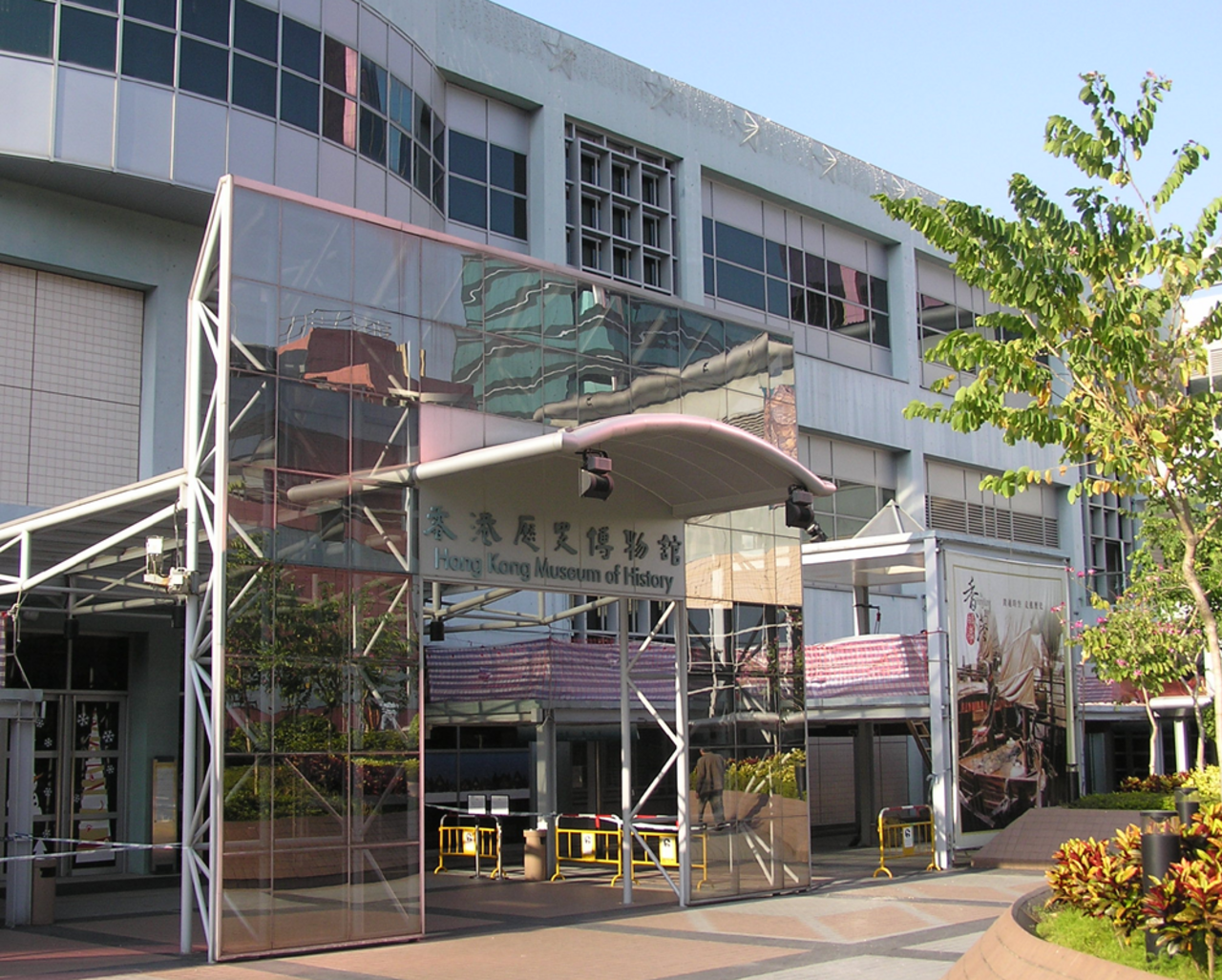
2 min walk · 油尖旺區 Yau Tsim Mong District
Hong Kong Museum of History
- Must see
- Museum
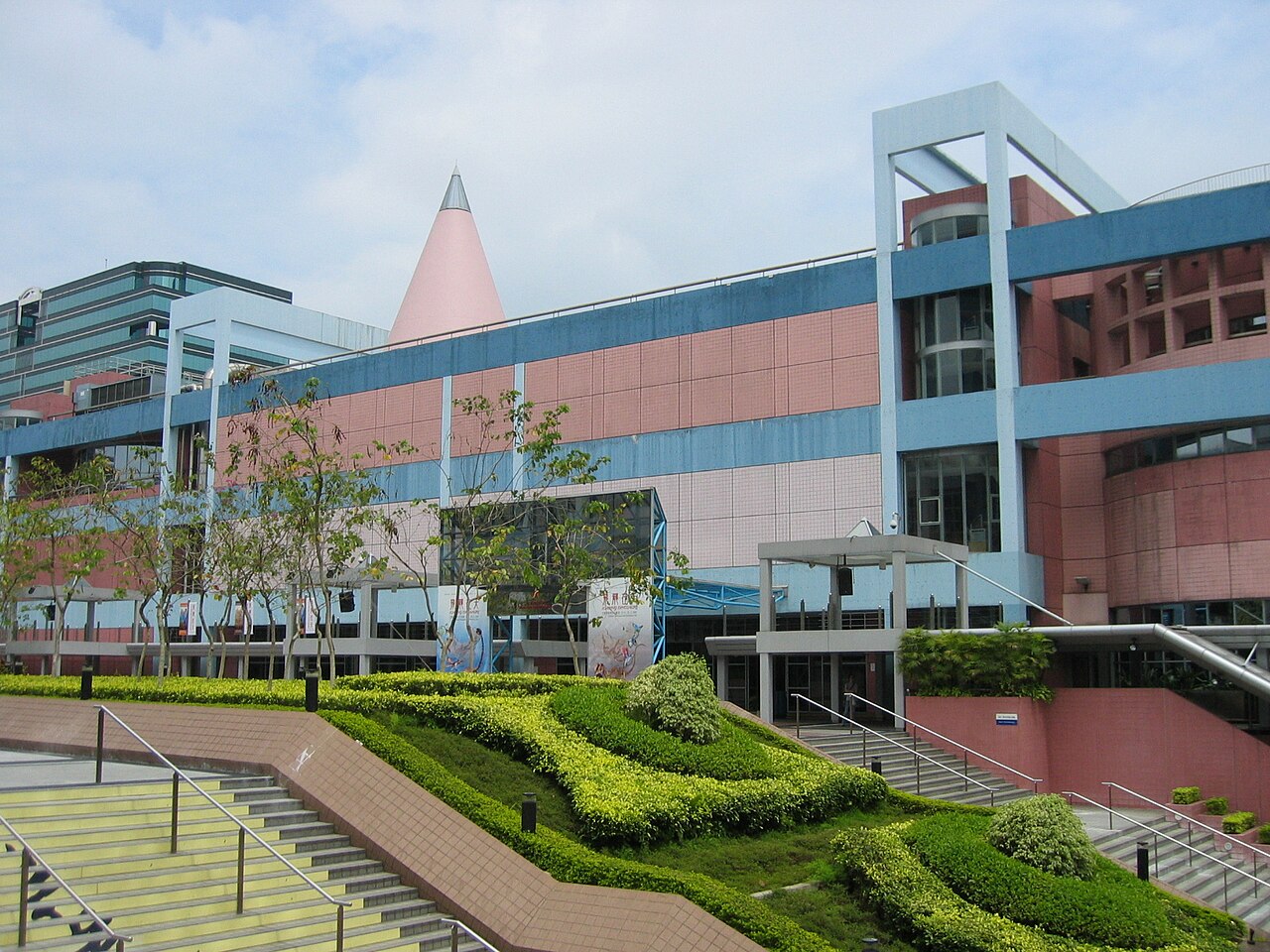
Museum · 油尖旺區 Yau Tsim Mong District, Hong Kong
香港科學館 Hong Kong Science Museum
Read from the OpenStreetMap access tags; anything not listed has no tag recorded.
Set the group type to family in the planner and the day window contracts to about three quarters of a solo day.
Hong Kong Science Museum is a public science museum in Tsim Sha Tsui East, Kowloon. It presents science as something to explore with your hands, eyes, and curiosity rather than only through labels or glass cases. The museum suits families, school-age visitors, and adults who enjoy practical demonstrations. Its indoor setting makes it a useful Hong Kong stop in hot, humid, or rainy weather, especially when you want an educational activity close to other Kowloon attractions. The Hong Kong Science Museum is a public science museum located in Tsim Sha Tsui East, Kowloon. It is operated by the Leisure and Cultural Services Department of the Hong Kong government. The museum opened to promote science education and public understanding of scientific principles through interactive exhibits. It occupies a substantial building with multiple gallery floors dedicated to various scientific disciplines. The facility serves as a major educational attraction for families, students, and visitors interested in hands-on science experiences. Yes, the museum is designed with family audiences in mind. Many exhibits feature interactive elements specifically created for younger visitors to explore scientific concepts through play and direct manipulation.
Checked 2026-08-26 · Source
The museum is arranged around themed galleries covering subjects including robotics, transportation, telecommunications, and life sciences. Interactive installations encourage visitors to press, turn, test, compare, and observe, making the experience particularly engaging for children. Large-scale displays give the galleries visual variety, while the permanent exhibition includes hundreds of objects intended for direct exploration. Temporary exhibitions add changing themes, so repeat visitors may find a different emphasis on later visits. The museum features numerous interactive exhibits across themed galleries covering topics such as robotics, transportation, telecommunications, and life sciences. Notable displays include large-scale exhibits that encourage visitor participation and experimentation. The facility contains a permanent exhibition area with hundreds of items designed for tactile engagement.
Checked 2026-08-26 · Source
Allow about two to four hours for the Hong Kong Science Museum. A shorter visit can focus on the galleries that match your interests, while a longer visit gives children time to experiment with more stations instead of moving quickly from room to room. Include extra time when a temporary exhibition interests you. The museum rewards an unhurried pace because many displays become meaningful only after you try them and watch the result.
Checked 2026-08-26 · Source
Weekday mornings can feel calmer than weekends, public holidays, and school breaks, when local families and visiting groups may fill the most popular interactive stations. The museum is also a practical choice during Hong Kong's hot summers and rainy periods because the experience is indoors and climate-controlled. If a temporary exhibition is central to your plan, place the museum early enough in the day to enjoy both its changing programme and permanent galleries.
Checked 2026-08-26 · Source
The museum has offered concession arrangements for particular visitor groups, and temporary exhibitions may use separate admission arrangements from the permanent galleries. Treat the ticket as part of your day-planning decision, especially if you are visiting with children or combining several paid attractions. The Science Museum works well as a focused educational stop rather than a quick photo break, because its value comes from time spent using the exhibits and following a subject from one gallery to another.
Checked 2026-08-26 · Source
The museum is in Tsim Sha Tsui East, with Hung Hom station serving as a nearby MTR access point on the Tuen Ma and East Rail lines. Tsim Sha Tsui station offers another approach with a longer urban walk. Buses serve the surrounding Kowloon streets, while the Star Ferry connects the area with Hong Kong Island. Taxi access is practical, but drivers should allow for dense traffic and limited parking in this central district.
Checked 2026-08-26 · Source
Crowds can make the most popular hands-on stations difficult to use during busy periods. Some exhibits may be temporarily unavailable for maintenance, so build your visit around the wider gallery collection rather than a single installation. Moving parts, water displays, loud sounds, and sudden lighting may need extra care with young or sensitive children. Wear comfortable shoes for the multi-level building, and keep belongings close while attention is focused on experiments.
Checked 2026-08-26 · Source
The museum offers many visual subjects, from large mechanical displays to colourful interactive stations and technology-themed galleries. Photographing the building and personal experiences can help children remember what they explored, but exhibition spaces may have individual restrictions. Avoid flash near sensitive objects or screens, and keep equipment from blocking narrow areas or other visitors' experiments. Temporary exhibitions may use different rules, so follow the signs and staff directions in each gallery.
Checked 2026-08-26 · Source
Yes. Its galleries use interactive exhibits that invite children to explore scientific ideas through direct manipulation, observation, and play.
The galleries cover subjects including robotics, transportation, telecommunications, and life sciences, with permanent and temporary displays.
Plan around two to four hours, with more time if children want to use many interactive stations or you include a temporary exhibition.
Hung Hom is a nearby MTR access point, while Tsim Sha Tsui station provides another route with a longer walk.
Yes. The museum's galleries are indoors and climate-controlled, making it a practical activity during rain, heat, or high humidity.
Popular interactive stations may be crowded during weekends, holidays, and school breaks, so weekday mornings can provide a calmer experience.
Loading the interactive map…
The interactive map could not be loaded.
Last updated:
Source: OpenStreetMap contributors, Wikidata ·