
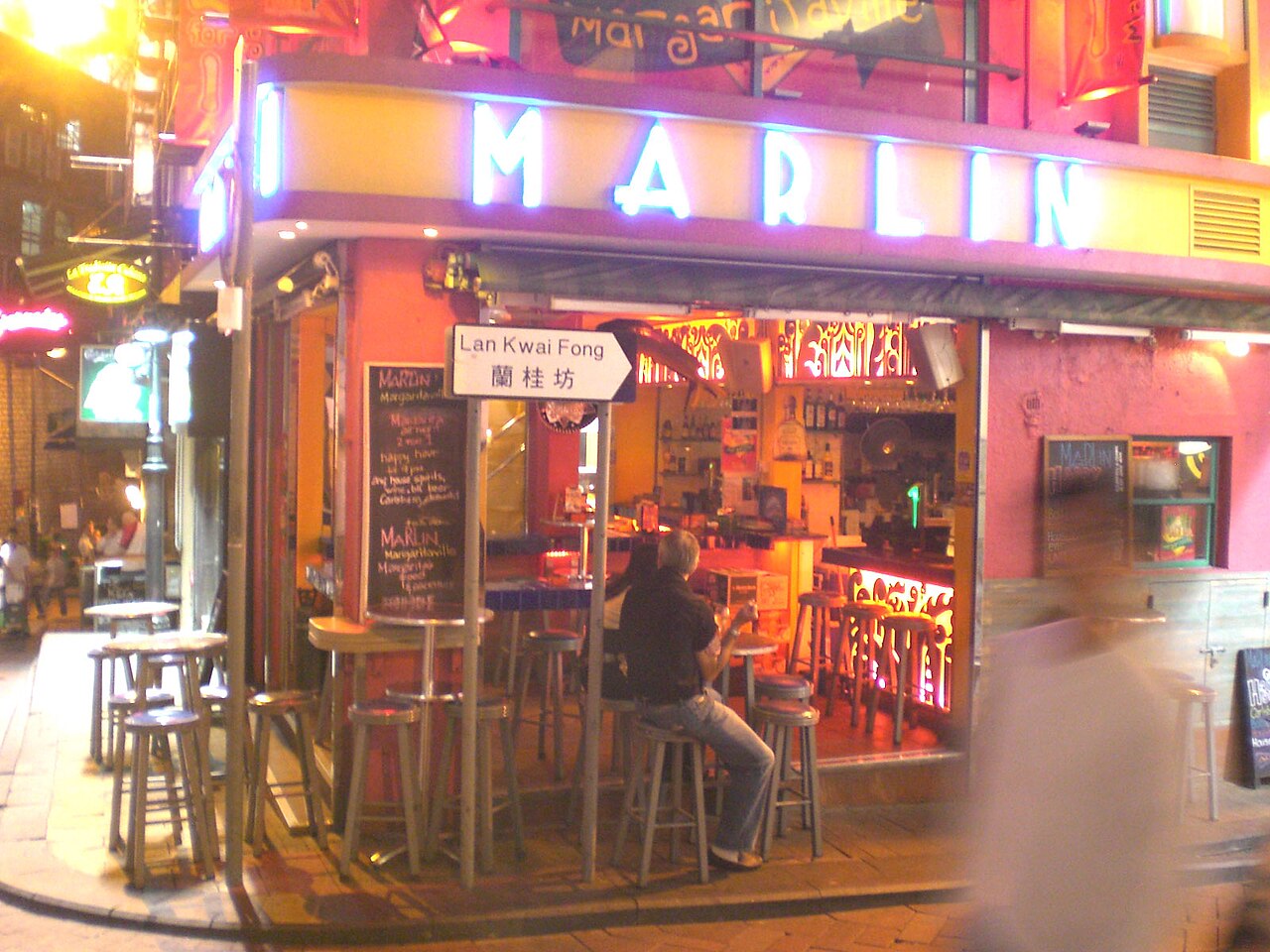
5 min walk · 中西區 Central and Western District
Lan Kwai Fong
- Must see
- Historic monument
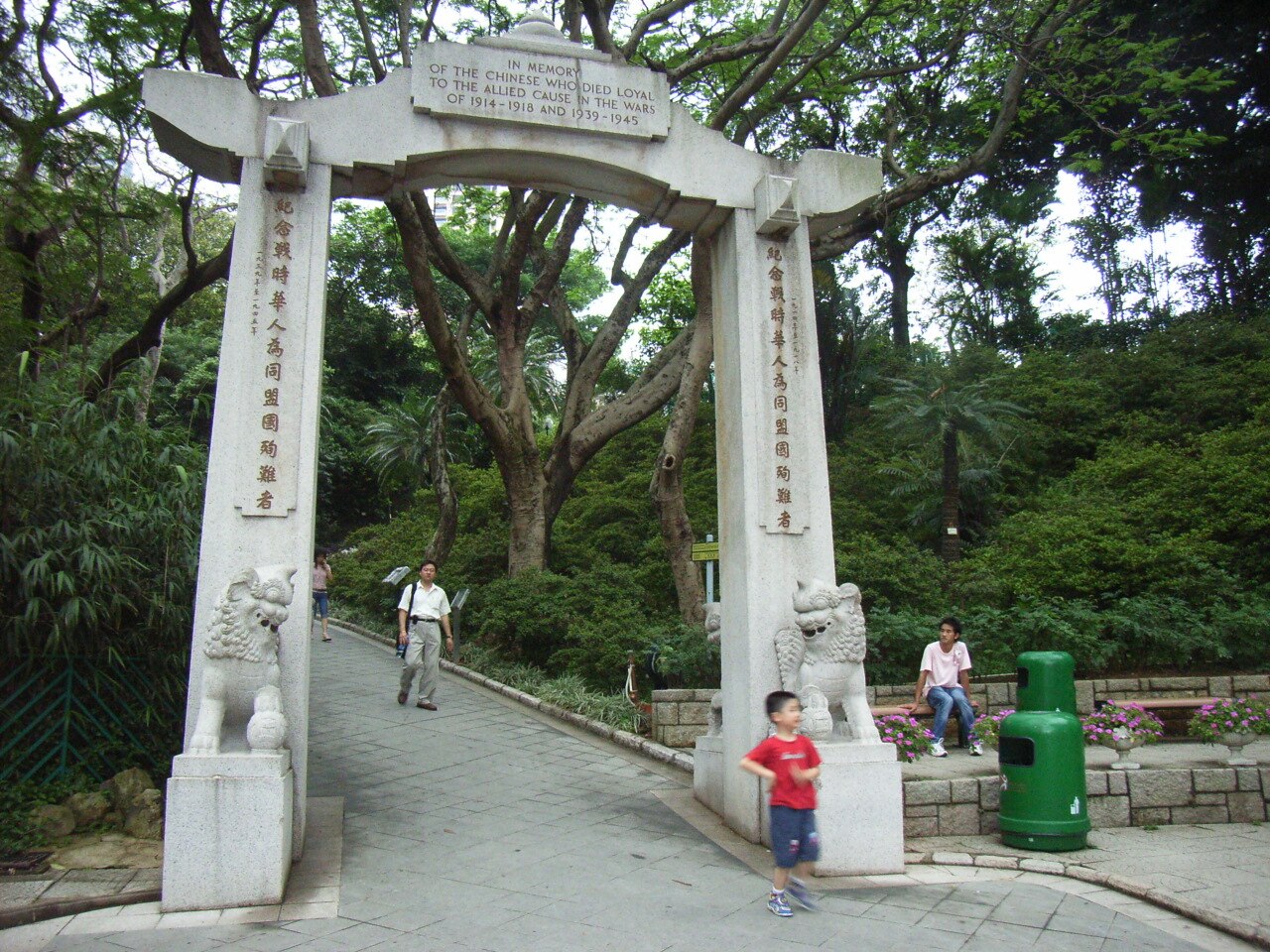
Family attraction · 中西區 Central and Western District, Hong Kong
香港動植物公園 Hong Kong Zoological & Botanical Garden
| Monday | 06:00 – 19:00 |
|---|---|
| Tuesday | 06:00 – 19:00 |
| Wednesday | 06:00 – 19:00 |
| Thursday | 06:00 – 19:00 |
| Friday | 06:00 – 19:00 |
| Saturday | 06:00 – 19:00 |
| Sunday | 06:00 – 19:00 |
Parsed from OpenStreetMap opening hours on 2026-09-09.
Hong Kong Zoological and Botanical Gardens is a historic public garden on a hillside above Central, Hong Kong Island. It combines botanical collections with zoological enclosures, creating a green retreat close to the business district. The site works for visitors who want a slower walk among mature planting, animals, and heritage features while remaining within easy reach of Central's streets and transport connections. The Hong Kong Zoological and Botanical Gardens is a public park and conservation facility in Central, Hong Kong Island. Established during the colonial era, it occupies a hillside location above the central business district. The site functions as both a botanical garden with extensive plant collections and a zoological garden housing various animal species. It represents one of Hong Kong's oldest public green spaces and serves educational and recreational purposes for residents and visitors. The gardens are managed by the Leisure and Cultural Services Department. The gardens have historically operated without admission charges, but current pricing should be verified through official sources before visiting as policies may change.
Checked 2026-08-26 · Source
The gardens contain tropical and subtropical plants arranged across upper and lower areas, together with enclosures for mammals, birds, and reptiles. Visitors can also see the Edward Youde Aviary, greenhouse structures, memorials, ornamental planting, and water features. Pedestrian paths connect the garden zones, but elevation changes and stairways are part of the movement between the upper and lower sections. The gardens contain diverse botanical collections including tropical and subtropical plants arranged across terraced landscapes. Zoological exhibits feature mammals, birds, and reptiles in enclosures. Notable animal residents have historically included primates, big cats, and avian species. The site incorporates Victorian-era architectural elements including the Edward Youde Aviary and greenhouse structures. Memorial plaques and monuments commemorate historical figures. Walking paths connect different garden zones. The upper and lower gardens are linked by pedestrian routes with elevation changes. Water features and ornamental plantings supplement the scientific collections.
Checked 2026-08-26 · Source
Set aside two to three hours for a thorough visit covering both botanical and zoological areas. A focused circuit can take about sixty to ninety minutes if you select only the principal sights. Reading plant information, watching animals, and photographing the heritage features can extend the stay. The terraced hillside layout also means that stairways and uphill sections affect the pace. Visitors typically allocate two to three hours for a comprehensive exploration of both zoological and botanical sections. Casual visitors may complete a circuit in sixty to ninety minutes focusing on highlights. The hillside terrain and staircase connections between upper and lower levels affect pacing. Photography enthusiasts and botanically interested visitors may extend their stay.
Checked 2026-08-26 · Source
Morning suits this hillside garden because temperatures are usually more comfortable for climbing between levels. Weekdays are generally calmer than weekends and public holidays. Hong Kong's summers are hot and humid, while May through September can bring heavier rain and typhoon conditions. Winter is milder and drier. Shaded planting offers relief, although open botanical areas remain exposed to sun.
Checked 2026-08-26 · Source
The gardens have historically operated as a free public facility, making them a useful low-cost addition to a Central walking day. The site combines outdoor planting, animal enclosures, aviary space, and heritage features without the format of a separately ticketed museum. Groups planning an organised educational visit should allow time to move between the upper and lower garden areas and their different exhibits.
Checked 2026-08-26 · Source
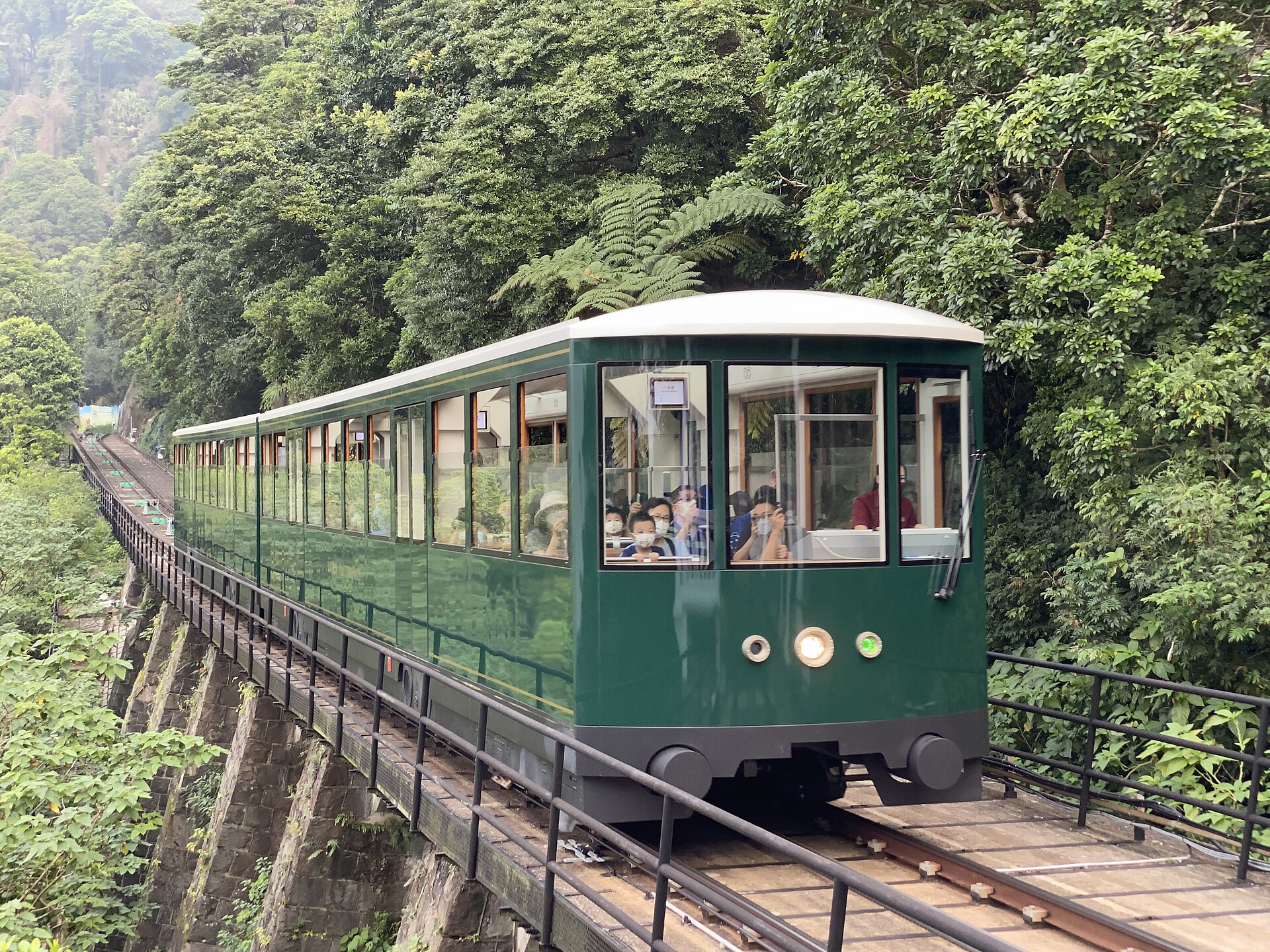
Approaches include Albany Road, Upper Albert Road, and Glenealy pathways. Central MTR station, nearby bus routes, and the Peak Tram terminus connect the gardens with the wider city. Taxis can reach upper entrance roads. The Mid-Levels escalator system also links into surrounding pedestrian routes. Whichever approach you choose, expect a hillside setting and stair connections between garden levels.
Checked 2026-08-26 · Source
The garden's terraces and stairways make the visit physically demanding for some visitors. Wear comfortable shoes and carry water, especially in summer heat and humidity. Mosquitoes may be present among dense planting. Shade varies between areas, and animal enclosures may be temporarily unavailable during maintenance. Free-ranging birds and squirrels share the grounds, so keep food secured and follow visitor guidance near animals.
Checked 2026-08-26 · Source
The gardens provide subjects ranging from mature tropical planting and flowers to animal enclosures, aviary structures, memorials, and historic architecture. Morning light through the canopy can soften scenes, while overcast weather reduces harsh contrast in dense planting. Use patience around animals and avoid flash near enclosures. The elevated position occasionally opens views toward the city through gaps in the vegetation.
Checked 2026-08-26 · Source
The gardens contain tropical and subtropical plant collections, animal enclosures for mammals, birds, and reptiles, the Edward Youde Aviary, greenhouses, memorials, and water features.
Allow two to three hours for both botanical and zoological sections, or about sixty to ninety minutes for a focused circuit of the main sights.
The hillside location, terraces, and stair connections create significant challenges between the upper and lower garden areas.
Morning is generally more comfortable for uphill walking, and weekdays are usually calmer than weekends and public holidays.
Yes. The zoological areas include mammals, birds, and reptiles, and the gardens also contain the Edward Youde Aviary.
Use Central MTR station, nearby buses, the Peak Tram area, Albany Road, Upper Albert Road, or Glenealy pathways, followed by a hillside approach.
Loading the interactive map…
The interactive map could not be loaded.
Last updated:
Source: OpenStreetMap contributors, Wikidata ·