
15 min walk · 沙田區 Sha Tin District
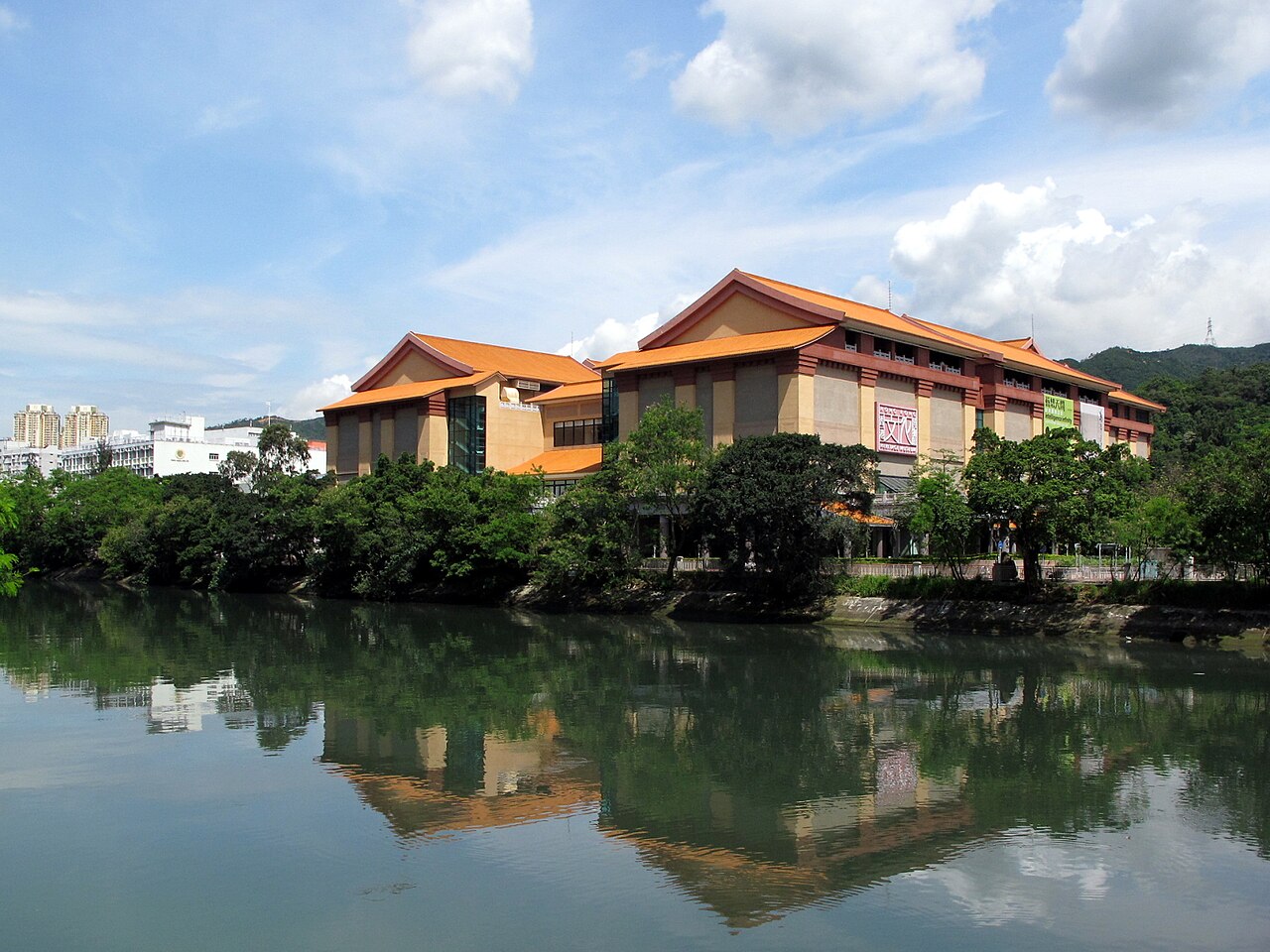
Hong Kong Heritage Museum
- Must see
- Museum
Language · 11 published
Place of worship · 沙田區 Sha Tin District, Hong Kong
萬佛寺 Ten Thousand Buddha's Monastery
Reviewed by Elena Voss · Roavina Travel Editor
| Monday | 09:00 – 17:00 |
|---|---|
| Tuesday | 09:00 – 17:00 |
| Wednesday | 09:00 – 17:00 |
| Thursday | 09:00 – 17:00 |
| Friday | 09:00 – 17:00 |
| Saturday | 09:00 – 17:00 |
| Sunday | 09:00 – 17:00 |
Checked 2026-08-31 · Source
Read from the OpenStreetMap access tags; anything not listed has no tag recorded.
Set the group type to family in the planner and the day window contracts to about three quarters of a solo day.
This place is a Place of worship. It was established in 1957. It carries the Grade III historic building heritage designation.
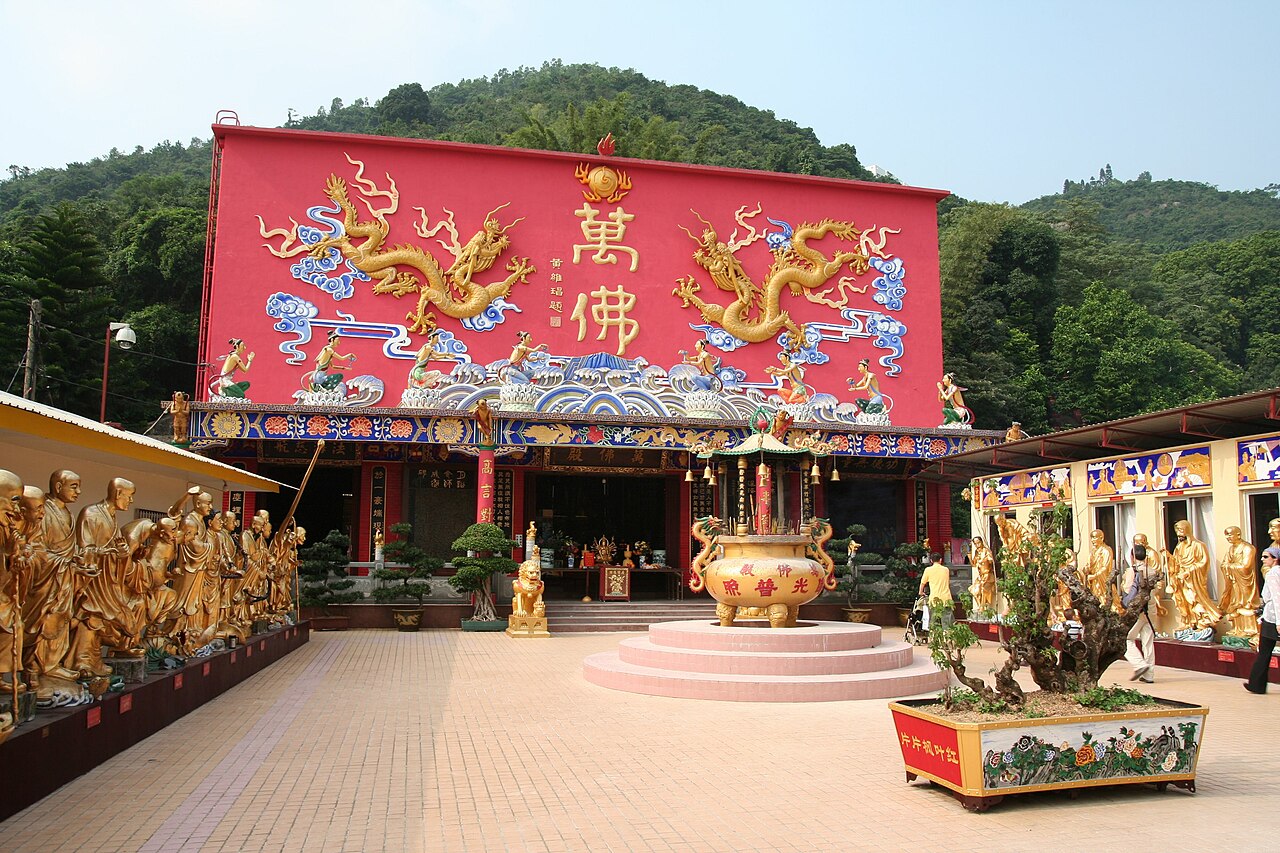
Ten Thousand Buddhas Monastery is a Buddhist temple complex in Sha Tin, New Territories, Hong Kong. Despite its name, it is not a monastery in the traditional sense as no monks reside there. The site was founded in 1957 by the Reverend Yuet Kai. Visitors must climb over 400 steps to reach the main complex. The path is flanked by golden Buddha statues, each unique in posture and expression. The main building houses approximately 13,000 small Buddha statues, significantly more than the name suggests.
Checked 2026-08-31 · Source
The complex contains multiple halls, pagodas, and pavilions spread across hillside terrain. The main temple hall contains thousands of small golden Buddha statues arranged in rows. A nine-storey pagoda stands prominently on the grounds. The Reverend Yuet Kai's embalmed body is displayed in a glass case, preserved in a lotus position. Additional structures include the Kwun Yam Pavilion and various shrine buildings. The grounds feature landscaped gardens with flowering plants and trees. The exterior walls and roofs display traditional Chinese architectural decoration with bright colors.
Checked 2026-08-31 · Source
Visitors should allocate approximately two to three hours for a complete visit to Ten Thousand Buddhas Monastery. The steep ascent of over 400 steps requires physical effort and may take fifteen to twenty minutes depending on fitness level. Additional time is needed to explore the various temple halls, pagodas, and viewing areas at the top. Photography enthusiasts may require extended periods. The descent follows a different path, adding exploration time. Visitors with mobility limitations should assess their capability before attempting the climb, as no alternative transport exists.
Checked 2026-08-31 · Source
Daily 09:00–17:00 No weekly closure day. Closed while Hong Kong Observatory Typhoon Warning Signal No. 8 or above, or a Black Rainstorm Warning, is in force. The outdoor stairway ascent offers minimal shade, making midday summer visits potentially uncomfortable due to Hong Kong's heat and humidity. Early morning or late afternoon may provide more temperate conditions. Rainy weather creates slip hazards on the stone steps. Weekends typically see more local visitors than weekdays. The site remains an active religious location, so respectful behavior is expected regardless of timing.
Checked 2026-08-31 · Source
Free general admission. The monastery has historically operated without admission fees, relying instead on donations for maintenance and religious activities. Visitors may encounter donation boxes throughout the complex. Some sources suggest voluntary contributions support the upkeep of the extensive grounds and buildings. No advance booking system is known to exist. Visitors should carry cash for any donation purposes or incidental offerings. Commercial tour operators may charge for guided services, but these are separate from site access. Verify current arrangements through official channels before visiting.
Checked 2026-08-31 · Source
Take the MTR to Sha Tin Station and use Exit A1 or B. The monastery is above Pai Tau Village, reached by an uphill approach of approximately 430 steps. In the Transport Department's HKeMobility journey planner, use “Ten Thousand Buddhas Monastery Sprinkler Kwun Yam Statue” as the destination. The monastery is located in Sha Tin, accessible via Hong Kong's Mass Transit Railway system. Visitors should alight at Sha Tin MTR station on the East Rail Line. From the station, follow directional signage toward the monastery on Pai Tau Village. The entrance is situated near Sha Tin Junior School and the government offices. The walk from the station to the stairway base takes approximately ten to fifteen minutes through urban streets. Clear directional signs guide visitors from the station area. The site is not directly served by public bus routes to the entrance itself.
Checked 2026-08-31 · Source
The public approach climbs approximately 430 hillside steps. The Hong Kong Heritage Museum describes access as a hike. The climb involves over 400 steep concrete steps with minimal handrails in sections. Visitors with heart conditions, knee problems, or limited mobility should carefully consider attempting the ascent. The path includes both shaded and exposed sections; sun protection and water are essential. Monkey encounters occasionally occur in the surrounding hillside area; maintain distance and secure food items. The descent follows a separate route that may be uneven. Religious etiquette requires modest dress covering shoulders and knees. Photography restrictions may apply inside certain halls. The site contains active worship spaces requiring quiet behavior.
Checked 2026-08-31 · Source
The golden Buddha statues lining the entrance pathway provide iconic photographic subjects. The nine-storey pagoda offers architectural photography opportunities against hillside vegetation. The main hall's interior with thousands of Buddha statues presents challenging low-light conditions. Tripod use may be restricted in interior spaces. Respectful photography of religious activities requires discretion and distance. The elevated position provides views toward Sha Tin valley and surrounding hills. Early morning light illuminates the eastern-facing statue rows. Visitors should observe any posted restrictions regarding camera use in shrine areas and near the preserved remains of Reverend Yuet Kai.
Checked 2026-08-31 · Source
The complex contains more than 12,000 Buddha statues.
Master Yuet Kai founded it in 1949.
No. Despite its English name, the monastery has no resident monks.
The hillside complex includes five halls, two pavilions, a nine-storey pagoda and the Eighteen Arhats’ Corridor.
The principal visitor approach climbs approximately 430 steps.
Yes. Man Fat Din and Man Fat Pagoda received Grade III historic-building status in 2010.
Loading the interactive map…
The interactive map could not be loaded.
Last updated:
Source: OpenStreetMap contributors, Wikidata ·