
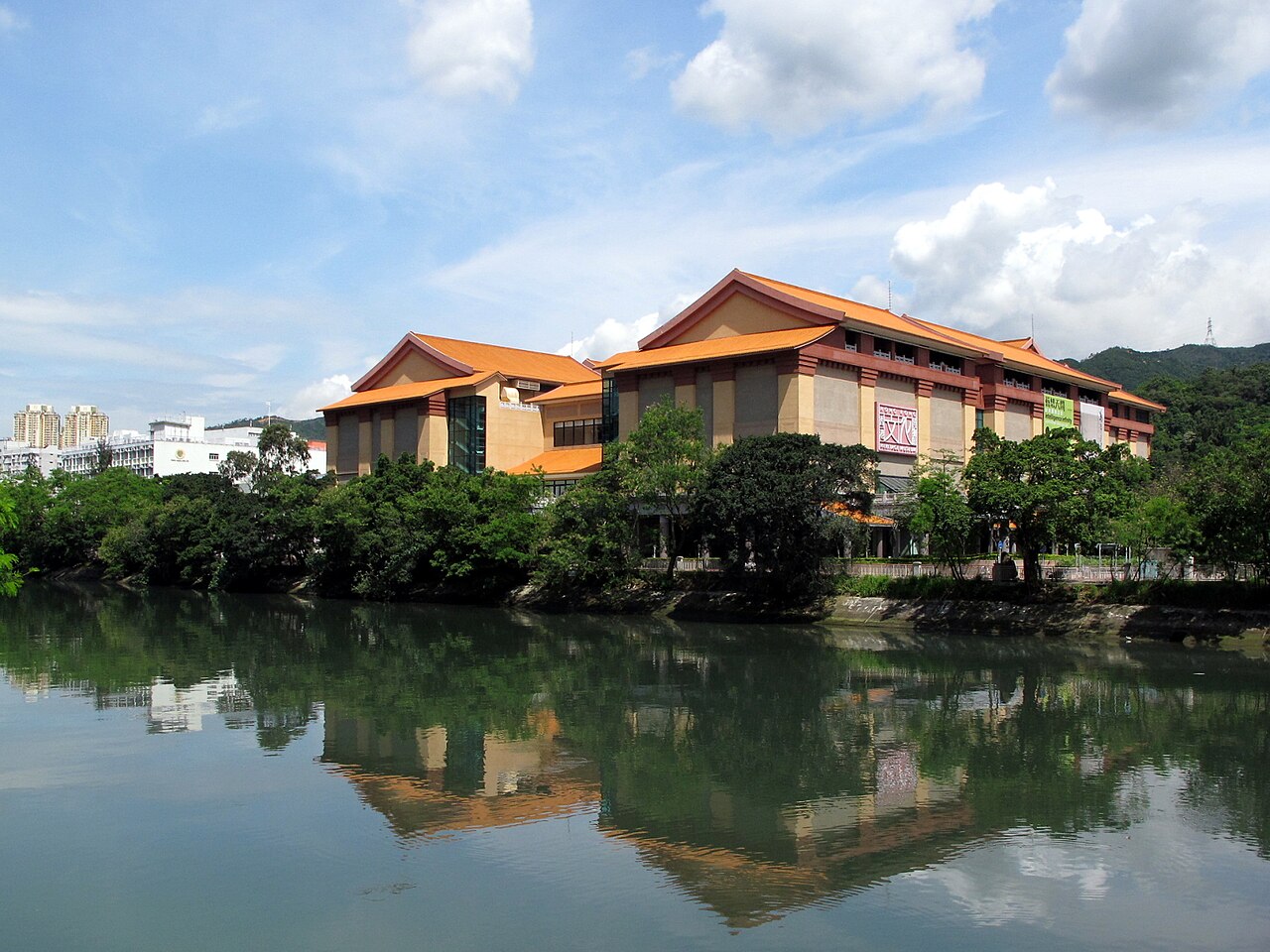
7 min walk · 沙田區 Sha Tin District
Hong Kong Heritage Museum
- Must see
- Museum
Language · 11 published
Place of worship · 沙田區 Sha Tin District, Hong Kong
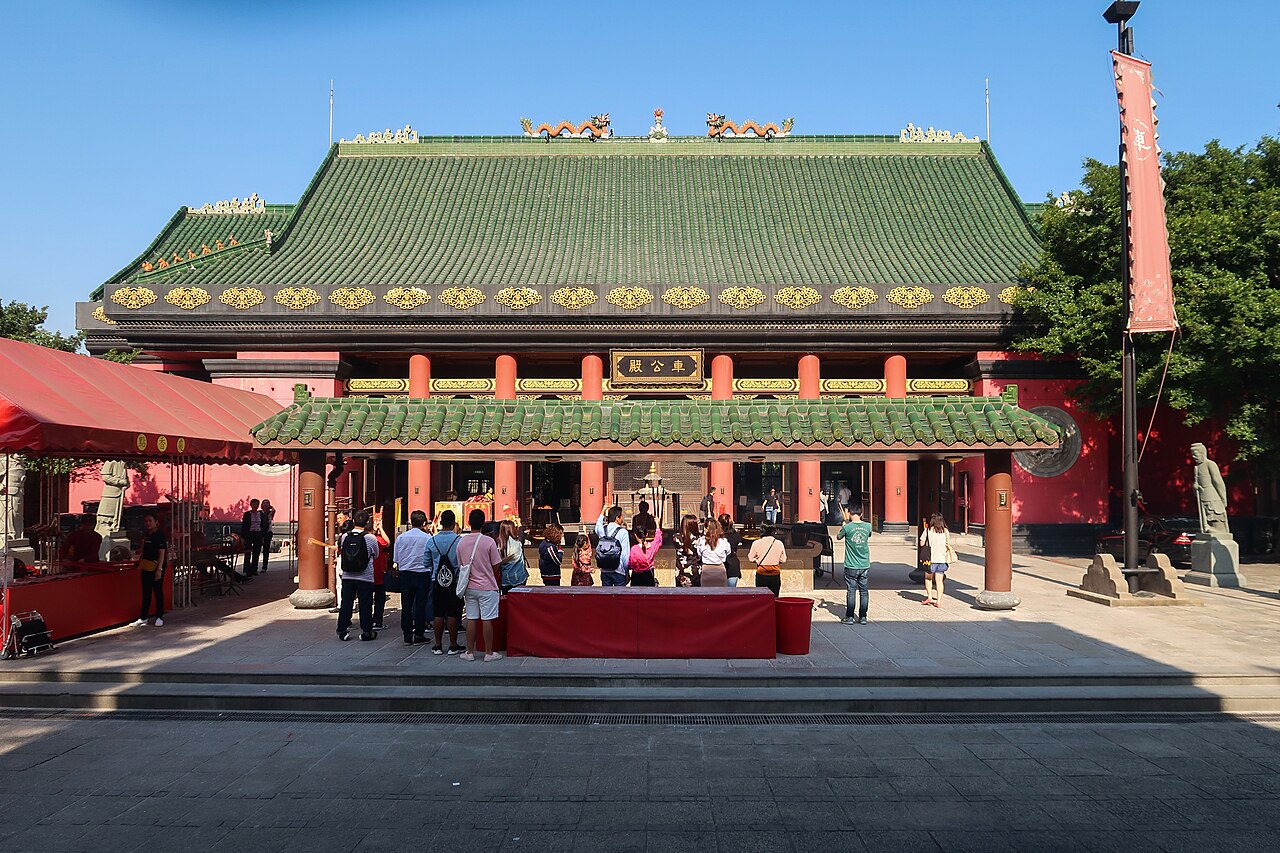
車公廟 Che Kung Temple
Reviewed by Elena Voss · Roavina Travel Editor
Read from the OpenStreetMap access tags; anything not listed has no tag recorded.
Set the group type to family in the planner and the day window contracts to about three quarters of a solo day.
This place is a Place of worship. It is run by Chinese Temples Committee.
Che Kung Temple is a Taoist temple in Hong Kong dedicated to Che Kung, a military commander from the Song dynasty revered for his supposed ability to suppress rebellions and bring good fortune. The temple holds particular significance during Lunar New Year when worshippers visit to spin the bronze windmill for luck. The current structure is a modern reconstruction, as the original temple was built during the Ming dynasty. It serves as an active place of worship and cultural landmark in Sha Tin district.
Checked 2026-08-26
The temple complex contains several halls and worship spaces. The main hall houses a large statue of Che Kung. A notable feature is the bronze windmill, which visitors rotate clockwise to bring good fortune. Incense coils hang from the ceiling, creating characteristic aromatic atmosphere. The temple grounds include additional altars and offering areas. Decorative elements reflect traditional Chinese temple architecture with ornamental roof details. The interior spaces are designed for devotional practice rather than tourist display, maintaining authentic religious function.
Checked 2026-08-26
A typical visit to Che Kung Temple requires approximately thirty to sixty minutes for casual observation and respectful circulation through the grounds. Devotees engaging in prayer, offering rituals, or queuing during festival periods should allow additional time. The compact site does not demand extensive walking. Visitors interested in architectural details or observing worship practices may extend their stay. During peak periods such as Lunar New Year, waiting times and crowd density significantly increase duration requirements. Quiet weekdays permit more efficient visits.
Checked 2026-08-26
Visitors should consult official sources before planning. The temple attracts substantial crowds during Lunar New Year, particularly the third day when tradition holds that arguments are more likely, prompting many to avoid home visits and seek temple blessings instead. This period offers intense cultural experience but requires patience with congestion. Regular worship days maintain steadier flow. Weather considerations include Hong Kong's hot humid summers and occasional typhoon disruptions. Early morning visits generally provide calmer atmosphere. Check the operator's own site for the travel date before relying on a schedule or fare.
Checked 2026-08-26
Many traditional temples in Hong Kong operate without admission fees, though voluntary donations are commonly accepted and culturally appropriate. Visitors may wish to bring small denomination notes for contribution boxes. Incense and offering materials typically incur separate costs if purchased on-site. During major festivals, special fortune-related items may be available for purchase. Visitors should verify current arrangements through official channels rather than assuming free entry, as policies may change without widespread notification. Che Kung Miu also earns time in a hong kong itinerary because Exact production row verified through pois.city_place_id; local name, English name, OSM identity and coordinates are copied without near-matching. Its value becomes clearer when the stop is compared with the surrounding streets and the other ranked places nearby. Check the operator's own site for the travel date before relying on a schedule or fare.
Checked 2026-08-26
Che Kung Temple is located in Sha Tin district, New Territories. The most convenient public transport access is via MTR to Che Kung Temple station on the Tuen Ma line, with the temple situated immediately adjacent to the station exit. Multiple bus routes also serve the surrounding area. Private vehicle access is possible though parking availability in the immediate vicinity is limited and should not be assumed. The temple's proximity to the railway station makes it straightforward to incorporate into broader New Territories itinerary planning.
Checked 2026-08-26
Visitors must observe active worship space etiquette. Photography restrictions may apply in certain interior areas; respect posted signage and worshipper privacy. Incense smoke concentration can irritate respiratory conditions. Crowd management requires attention during festival periods when pushing and dense queues occur. Proper dress covering shoulders and knees demonstrates respect. Offerings and prayer items should not be touched without permission. The windmill rotation tradition has specific clockwise convention that should be followed. Donation solicitations from unofficial sources may occur nearby.
Checked 2026-08-26
Exterior architectural photography is generally permissible, capturing traditional roof decorations and entrance features. Interior photography requires careful assessment of whether worshippers are present and whether signage restricts recording. Flash use is inappropriate in dim interior spaces and may be prohibited. The incense coils and main statue present compelling subjects but demand respectful distance. During crowded festival periods, capturing unobstructed images becomes challenging. Tripod use would likely impede circulation and should be avoided. Commercial or posed photography may require explicit permission from temple management.
Checked 2026-08-26
The current structure is a modern reconstruction. The original temple dated to the Ming dynasty but has been rebuilt.
The bronze windmill is turned clockwise by worshippers seeking good fortune, particularly during Lunar New Year visits.
Not recorded pending review. Many Hong Kong temples operate by donation, but visitors should verify current arrangements officially.
Lunar New Year, especially the third day, attracts the largest crowds seeking blessings for the coming year.
Yes, Che Kung Temple MTR station on the Tuen Ma line provides direct adjacent access.
Interior photography restrictions are not specifically recorded; visitors should observe posted signs and respect worshippers.
Loading the interactive map…
The interactive map could not be loaded.
Last updated:
Source: OpenStreetMap contributors, Wikidata ·