
3 min walk · 離島區 Islands District
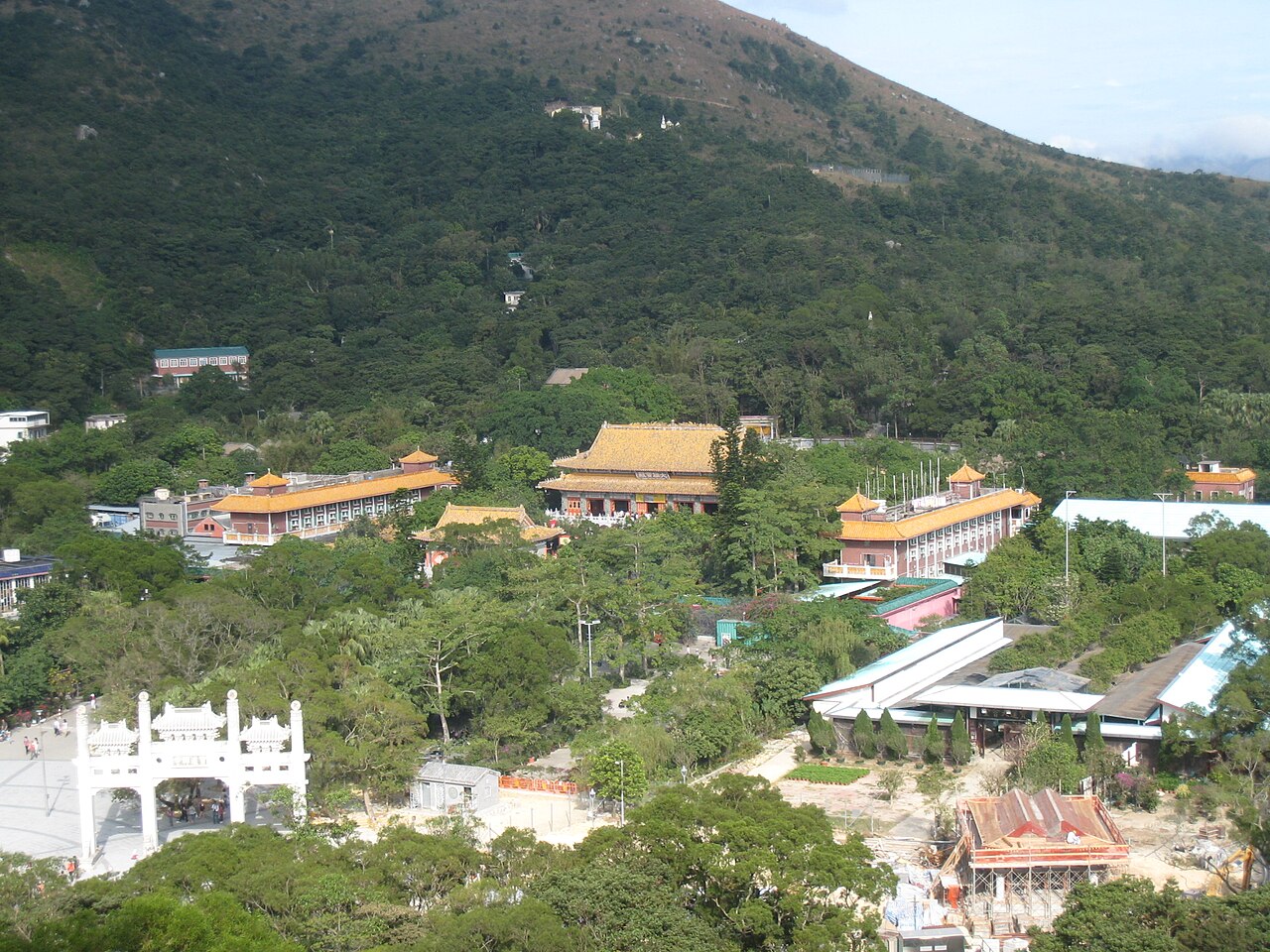
Po Lin Monastery
- Must see
- Place of worship
Art and culture venue · 離島區 Islands District, Hong Kong
天壇大佛 Tian Tan Buddha Statue
| Monday | 10:00 – 17:30 |
|---|---|
| Tuesday | 10:00 – 17:30 |
| Wednesday | 10:00 – 17:30 |
| Thursday | 10:00 – 17:30 |
| Friday | 10:00 – 17:30 |
| Saturday | 10:00 – 17:30 |
| Sunday | 10:00 – 17:30 |
Checked 2026-08-31 · Source
| Per person | Free entry |
|---|
Checked 2026-08-31 · Source
Read from the OpenStreetMap access tags; anything not listed has no tag recorded.
Set the group type to family in the planner and the day window contracts to about three quarters of a solo day.
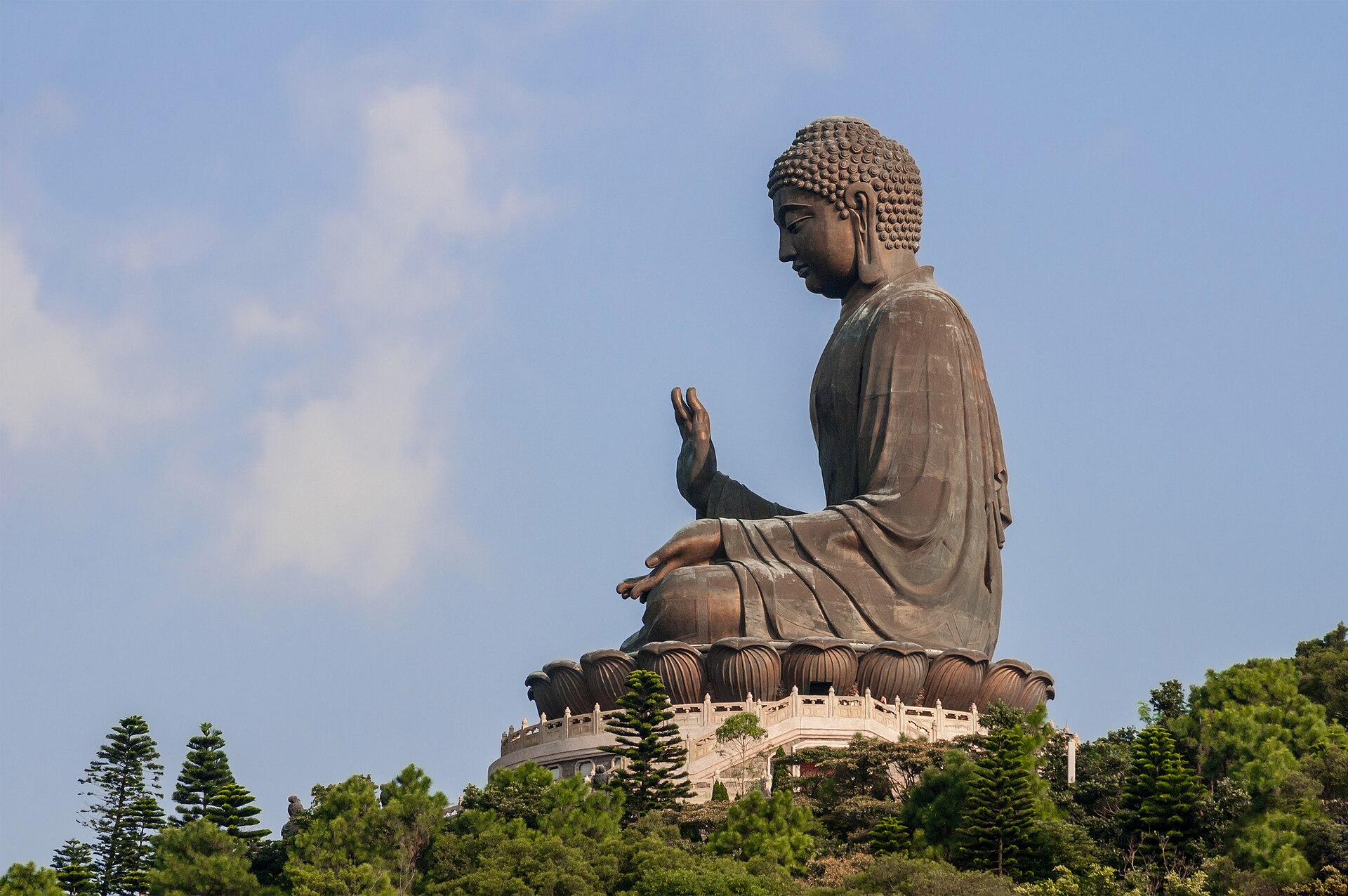
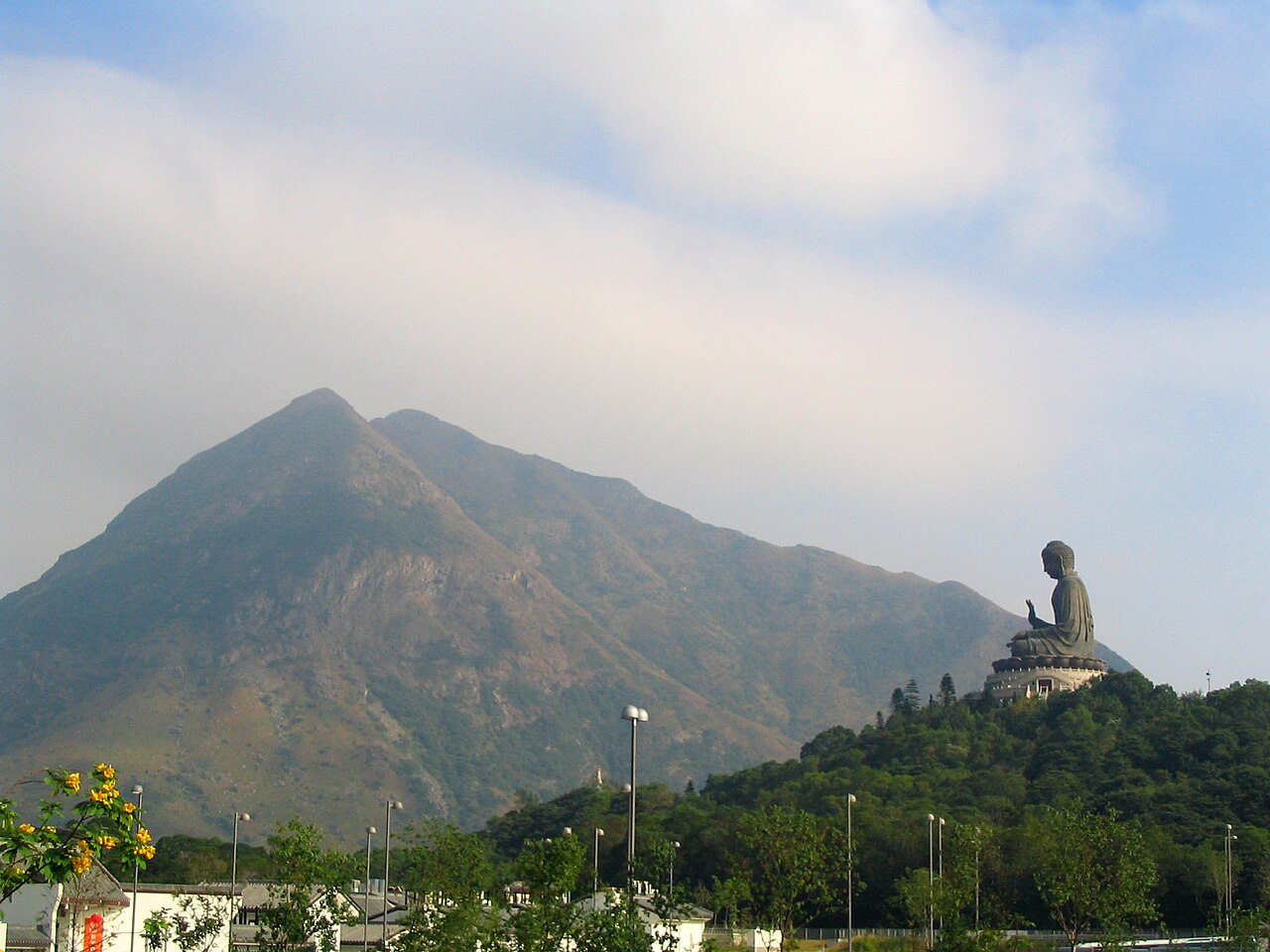
Tian Tan Buddha is a large bronze Buddha statue located on Lantau Island in Hong Kong. It is commonly known as the Big Buddha. The statue sits atop a hill near Po Lin Monastery and is a major Buddhist site and tourist attraction. It was constructed to symbolise the harmonious relationship between man and nature, people and faith. The figure is depicted seated in the lotus position, with one hand raised in a gesture of blessing. Visitors reach the statue by climbing a substantial staircase. The surrounding area includes religious and cultural features that complement the main monument.
Checked 2026-08-31 · Source
The interior of the Tian Tan Buddha statue is not generally accessible for casual public entry. The main experience centres on the exterior viewing platform at the base of the statue, where visitors can observe the figure up close and enjoy panoramic views of the surrounding mountains and sea. Nearby, Po Lin Monastery offers additional religious and architectural interest with its halls and gardens. The Ngong Ping Village, a commercial and cultural area, lies in the vicinity and provides dining and retail options. The overall site combines spiritual significance with visitor amenities.
Checked 2026-08-31 · Source
A typical visit to Tian Tan Buddha requires several hours when including travel time from central Hong Kong. The ascent to the statue platform itself involves climbing numerous steps, which most visitors complete at a moderate pace with pauses for rest and photography. Many combine this with exploration of Po Lin Monastery and the surrounding Ngong Ping area. Those travelling via the Ngong Ping 360 cable car will need additional time for queuing and the scenic journey. A half-day allocation is prudent for a comfortable experience without rushing through the main attractions.
Checked 2026-08-31 · Source
Monday–Sunday, including public holidays: 10:00–17:30. Open daily with no routine weekly or public-holiday closure day. Hong Kong experiences hot humid summers and milder winters, which affects visitor comfort given the outdoor stair climb and exposed platform. Morning visits may offer clearer atmospheric conditions before afternoon haze develops. Visitors should verify current opening arrangements through official channels before travelling, as religious sites may observe special schedules during festivals or maintenance periods. Weekends and public holidays typically draw larger crowds. Checking weather forecasts is advisable due to the exposed hillside location and potential for reduced visibility in poor conditions.
Checked 2026-08-31 · Source
Admission to visit Tian Tan Buddha is free. Entry to the exhibition halls inside the base is charged separately. Access to the Tian Tan Buddha statue platform itself has historically been free of charge, though donations are welcomed. The Ngong Ping 360 cable car, a common transport method, requires purchased tickets with various cabin classes available. Some combined packages with nearby attractions may be offered. Carrying cash remains practical in Hong Kong, though electronic payment methods are increasingly accepted. Budgeting for transport, meals, and any optional activities is recommended.
Checked 2026-08-31 · Source
From Tung Chung, take New Lantao Bus 23 to Ngong Ping Village, approximately 50 minutes, or take the Ngong Ping 360 cable car from its Tung Chung station, approximately 25 minutes. New Lantao Bus 2 runs from Mui Wo to Ngong Ping in approximately 45 minutes, and route 21 runs from Tai O in approximately 20 minutes. The statue is reached on foot from Ngong Ping Village. The most prominent route to Tian Tan Buddha involves the Ngong Ping 360 cable car from Tung Chung MTR station, offering aerial views during the crossing. Alternative transport includes buses from Tung Chung and other points on Lantau Island. Ferries operate to nearby Mui Wo from Central, with connecting bus services. Private vehicles and taxis can reach the area though parking availability should be considered. The final approach to the statue always requires ascending the staircase on foot.
Checked 2026-08-31 · Source
The principal visitor route to the statue and its base has 268 steps. Visitors unable to use the staircase can see the outdoor statue from the lower plaza, but the published visitor route to the upper platform is not step-free. The staircase to the Buddha platform is extensive and demanding; visitors with mobility limitations, cardiovascular conditions, or young children should assess suitability carefully. Summer heat and humidity can cause discomfort during the climb. The exposed summit offers limited shade. Religious etiquette applies at this Buddhist site; respectful dress and behaviour are expected. Crowding occurs regularly, particularly at cable car terminals and viewing areas. Weather changes can affect cable car operations. Scams and overpriced goods have been reported in tourist areas nearby. Staying hydrated, wearing appropriate footwear, and maintaining awareness of personal belongings are essential precautions.
Checked 2026-08-31 · Source
The Tian Tan Buddha statue presents strong photographic subjects from multiple angles, including the approach stairs, the platform base, and distant viewpoints. Early or late light may enhance the bronze surface texture. The surrounding mountain and sea backdrop adds scenic context. Tripod use may be restricted in crowded areas or during religious ceremonies. Drone operation is subject to strict Hong Kong aviation regulations and should not be assumed permissible. Interior photography is not applicable given limited access. Respect for worshippers should govern all image-making; intrusive behaviour around those engaged in prayer is inappropriate regardless of technical opportunity.
Checked 2026-08-31 · Source
The main staircase has 268 steps leading to the statue and its base.
The bronze figure is 26.4 metres tall and reaches approximately 34 metres including the lotus throne and base.
Tian Tan Buddha was cast from approximately 250 tonnes of bronze.
Its three-level granite base was modelled on the altar of Beijing’s Tian Tan, or Temple of Heaven, which gave the statue its name.
The inaugural ceremony took place on 29 December 1993.
The raised right hand is the mudra of imparting fearlessness, while the upward-facing left hand resting on the lap is the mudra of fulfilling wishes.
Loading the interactive map…
The interactive map could not be loaded.

Last updated:
Source: OpenStreetMap contributors, Wikidata ·