
01
2 hours
Victoria Harbour
維多利亞港
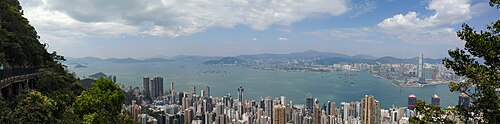
Victoria Harbour is a natural landform harbour situated between Hong Kong Island and the Kowloon Peninsula.
- Must see
- Activity
Language · 11 published
City guide · China
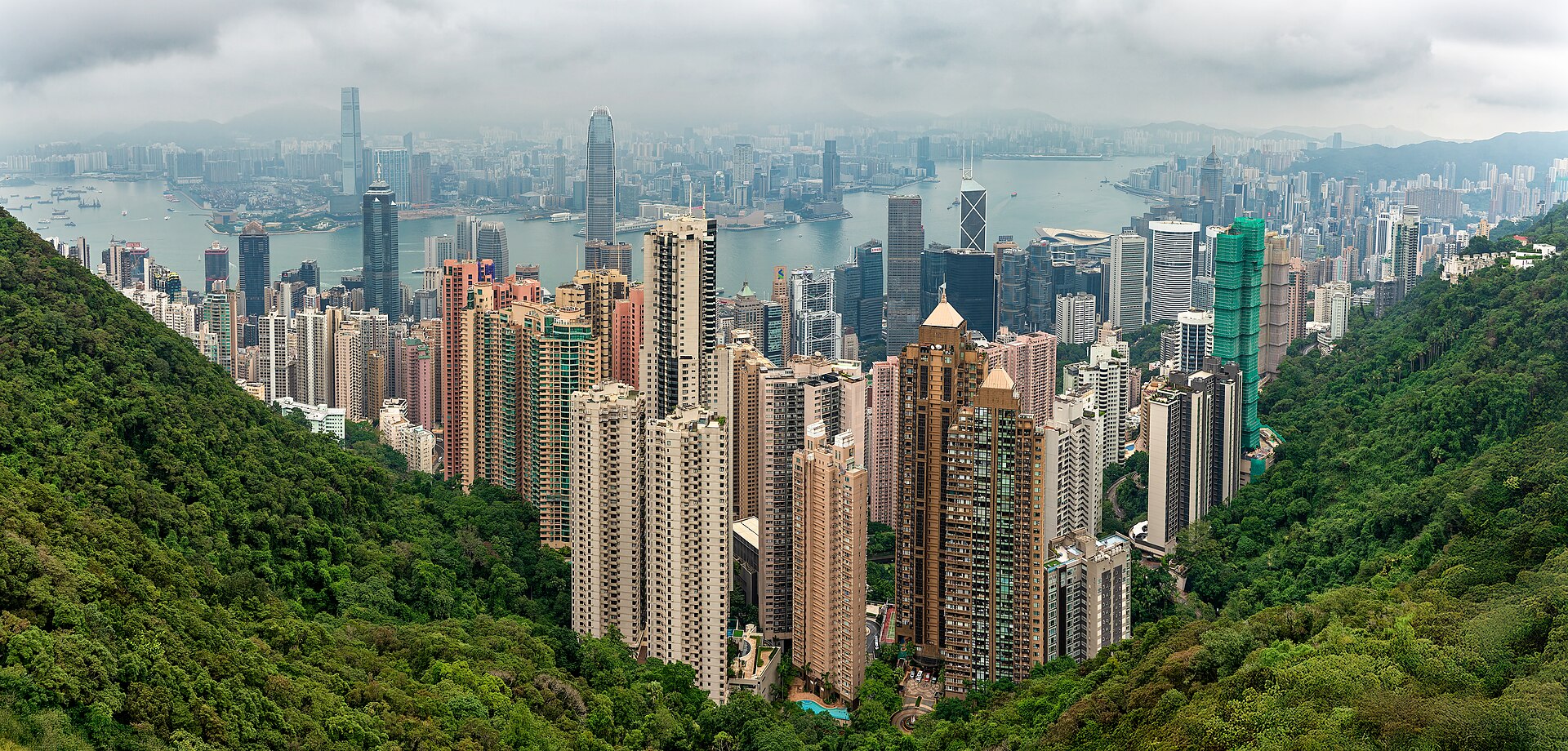
Hong Kong is a harbour city spread across Hong Kong Island, Kowloon and the New Territories, with major visitor districts packed around Victoria Harbour and outlying landscapes reached by rail, ferry or bus. Central, Tsim Sha Tsui and Mong Kok are dense and easy to combine; Lantau, Sai Kung and the outer islands require deliberate trips. The MTR is the default transport, but ferries and trams are part of the city rather than optional sightseeing extras.
Reviewed by Elena Voss · Roavina Travel Editor
Set your days, your pace and the hours you actually want to be out. The planner works around closing days and travel time, and leaves room to eat.
Ranked by importance — sitelinks, pageviews and heritage status, not editor preference.
3 places match
Category
Typical visit duration
Interests
維多利亞港
Victoria Harbour is a natural landform harbour situated between Hong Kong Island and the Kowloon Peninsula.
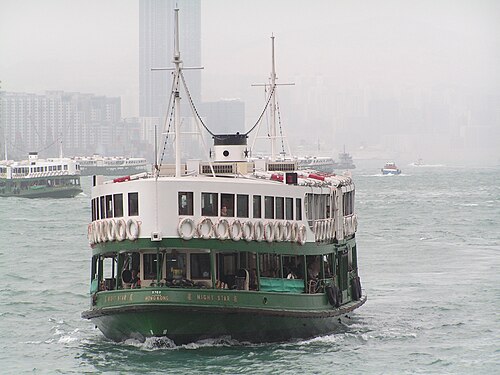
The Star Ferry is a cross-harbour passenger service between Hong Kong Island and Kowloon. Its operator describes the ferry as both a vital transport connection and a must-experience visitor journey across Victoria Harbour.

昂坪360
Ngong Ping 360 is a cable-car system on Lantau Island, Hong Kong, connecting Tung Chung to the Ngong Ping highland village area.
Source: OpenStreetMap contributors, Wikidata ·
District boundaries come from OSM administrative relations, so a district page holds exactly the places inside it — plus, for the islands and the coast, the nearest district by proximity.
Victoria Harbour is the central reference. Hong Kong Island's north shore holds Central, Admiralty, Wan Chai and Causeway Bay; directly opposite, Kowloon's waterfront begins at Tsim Sha Tsui and runs north through Jordan, Yau Ma Tei and Mong Kok. The New Territories extend beyond urban Kowloon toward country parks and historic settlements. Lantau contains the airport, Disneyland and Ngong Ping, while smaller islands and Sai Kung sit outside the central sightseeing circuit. Plan harbour districts together and give distant areas their own half or full day.
Checked 2026-08-26
The MTR connects all major urban districts and reaches the boundary stations with mainland China. Octopus is the simplest common payment method across rail, buses, trams and ferries, while contactless options vary by operator. Use the Star Ferry for direct harbour crossings, the tram for short east-west trips along northern Hong Kong Island, and buses for hill routes, beaches and areas beyond rail. The official HKeMobility planner combines MTR, bus, minibus, tram, ferry and water-taxi information in one route search.
Checked 2026-08-26
Four to five days give the harbour districts room to breathe and leave one day for Lantau, an outer island or the New Territories. A three-day visit should stay focused on Hong Kong Island and Kowloon.
October through December is usually the most comfortable period for walking, with lower humidity than summer. Hot, humid months need more indoor breaks, and seasonal storm conditions should be checked close to travel.
Yes. Octopus is accepted across the main rail, bus, tram and ferry networks, which avoids handling exact cash on services where card payment is the easier option. Tourist Octopus products are available after arrival.
Both sides work. Central and Wan Chai suit business districts, hillside sights and island nightlife; Tsim Sha Tsui and Jordan suit harbour views, markets and direct access into Kowloon. Frequent MTR and ferry crossings keep either base practical.
Treat Lantau as a separate half or full day. The airport, Ngong Ping and Disneyland are well connected but lie outside the compact harbour core, and combining them with Central or Kowloon produces unnecessary backtracking.