Ruins of St. Paul's
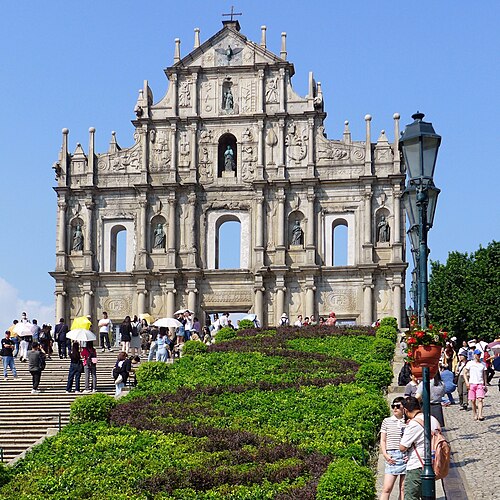
大三巴牌坊 Ruínas de São Paulo
The Ruins of St. Paul's are the surviving granite facade of the Church of Mater Dei and the remains of St. Paul's College in Macau.
- Must see
- Historic monument
Language · 11 published
City guide · China
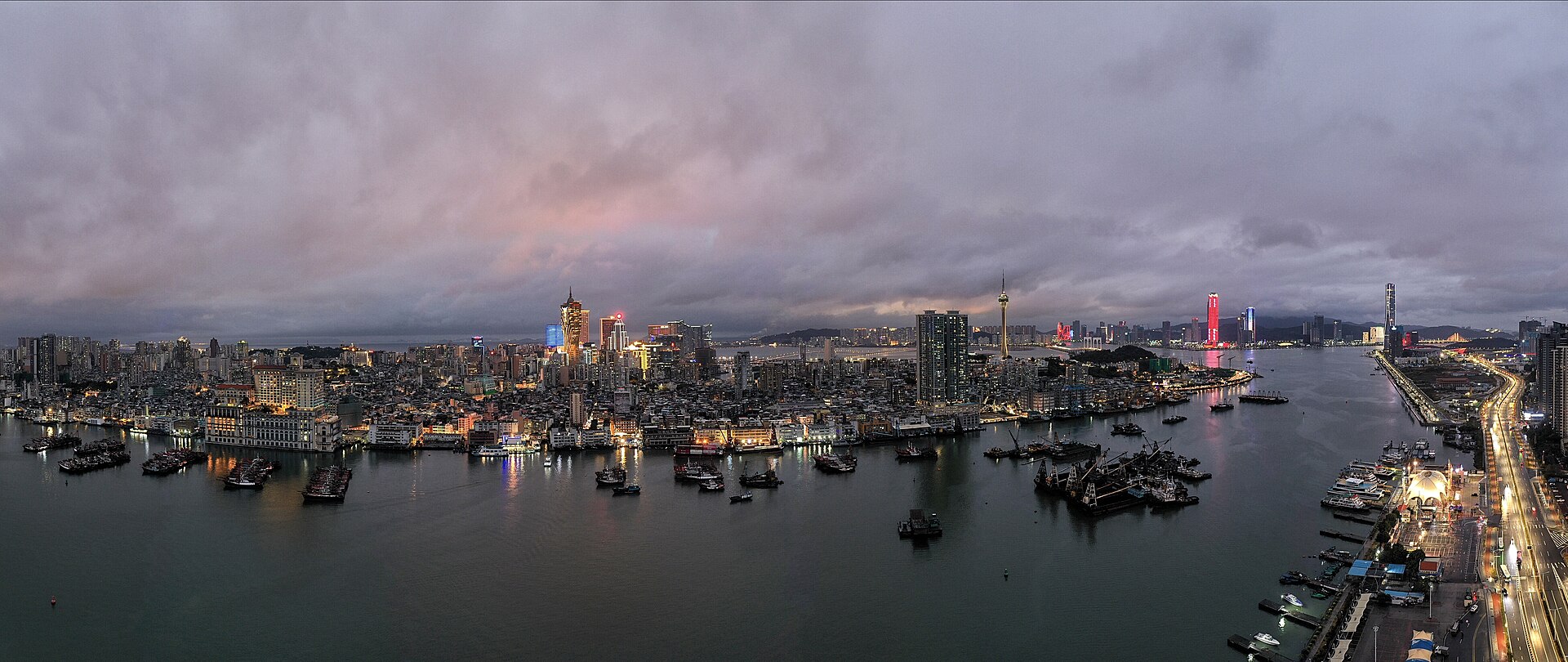
Macau combines a dense historic peninsula with newer districts across the water. Senado Square, the Ruins of St Paul's and nearby churches anchor the UNESCO-listed centre; Guia Hill and the harbour extend the peninsula visit. Taipa preserves a lower-rise village core beside Cotai's resort strip, and Coloane adds beaches, trails and a quieter settlement farther south. Distances between these areas make Macau a compact destination with several distinct transport legs.
Reviewed by Elena Voss · Roavina Travel Editor
Set your days, your pace and the hours you actually want to be out. The planner works around closing days and travel time, and leaves room to eat.
Ranked by importance — sitelinks, pageviews and heritage status, not editor preference.
53 places match
Category
Typical visit duration
Interests
大三巴牌坊 Ruínas de São Paulo
The Ruins of St. Paul's are the surviving granite facade of the Church of Mater Dei and the remains of St. Paul's College in Macau.
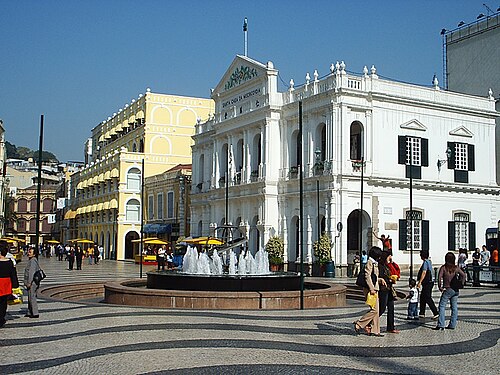
議事亭前地
Senado Square, known locally as 議事亭前地, is a public square in the historic centre of Macau. It forms part of the Historic Centre of Macau UNESCO World Heritage Site.
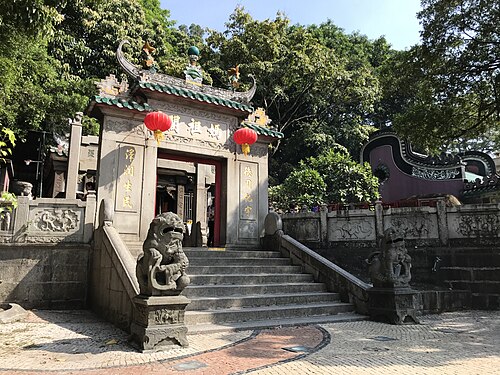
媽閣廟 Templo de A-Ma
A-Ma Temple is a historic Chinese temple complex in Macau dedicated to Mazu, the goddess of seafarers. Its traditions predate Portuguese colonisation and connect the site with Macau's maritime heritage and long-standing local religious life.
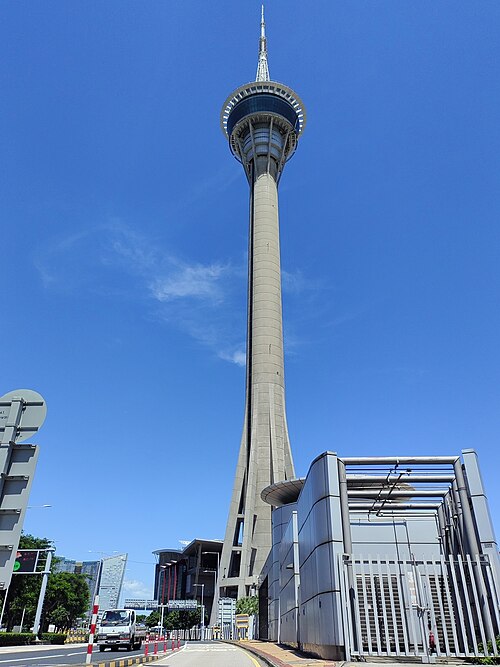
澳門旅遊塔 Macau Tower
Macau Tower is a prominent waterfront landmark on the Macau peninsula, combining observation, dining, entertainment and telecommunications in one tall structure.
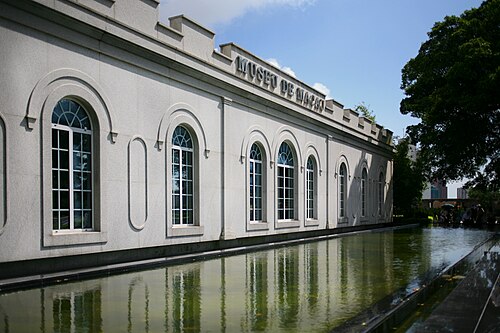
澳門博物館 Museu de Macau
Macao Museum is a cultural institution located within the Mount Fortress complex in the historic centre of Macau, a UNESCO World Heritage site. The museum occupies a prominent position overlooking the city, integrated into the seventeenth-century Portuguese military fortification.
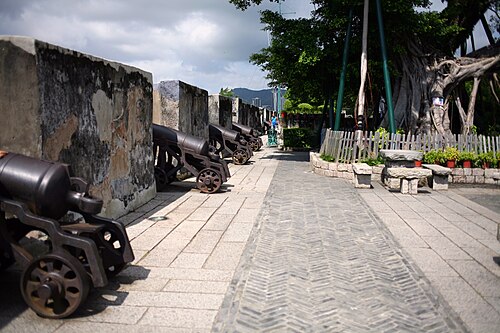
大炮台 Fortaleza do Monte
Fortaleza do Monte, also called 大炮台 (Da Pao Tai), is a historic military fortification on a hill in central Macau. Jesuits began building it in the early seventeenth century, and the fort later became part of Macau’s defensive system.
氹仔舊城區
Taipa Village is a historic district on Taipa Island, Macau, preserving Portuguese colonial architecture alongside southern Chinese building styles. The area represents a fusion settlement pattern characteristic of Macau's UNESCO World Heritage status.
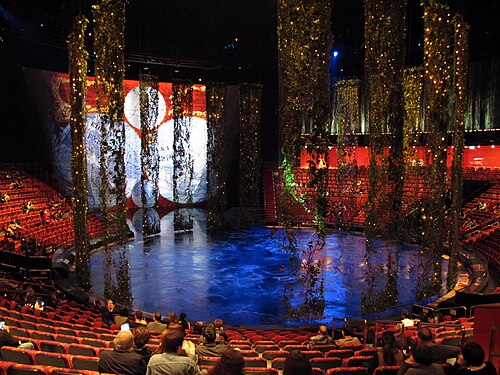
The House of Dancing Water is a large-scale water-based theatrical production at City of Dreams Macau. Created by Franco Dragone, it combines acrobatics, martial arts, diving, and motorcycle stunts in a purpose-built theatre with a transforming pool.
Macao Giant Panda Pavilion is a wildlife attraction dedicated to giant pandas in Macau. It gives visitors a chance to observe these animals in a managed setting while learning about their behaviour and conservation.
東望洋炮台 Fortaleza da Guia
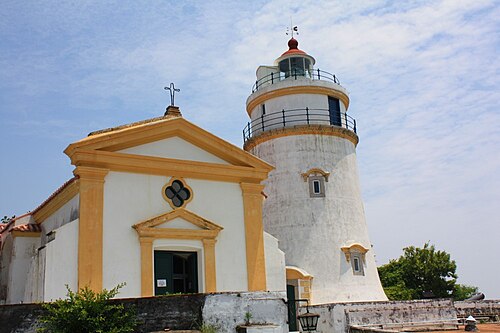
Guia Fortress and Lighthouse is a historic military and navigational complex situated on Guia Hill, the highest point of the Macau Peninsula.
玫瑰聖母堂
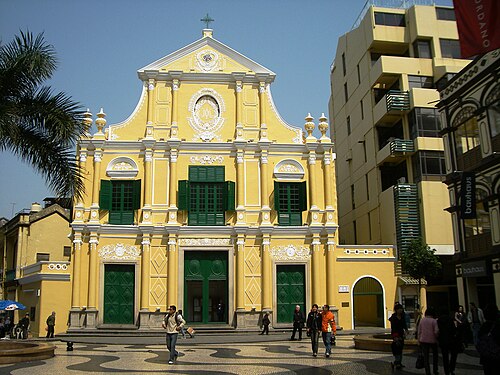
St. Dominic's Church is a historic Catholic church in Macau, known locally as 玫瑰堂.
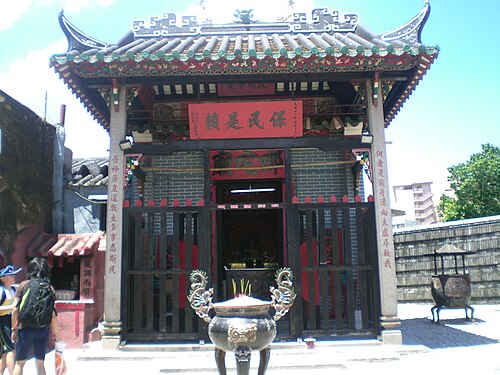
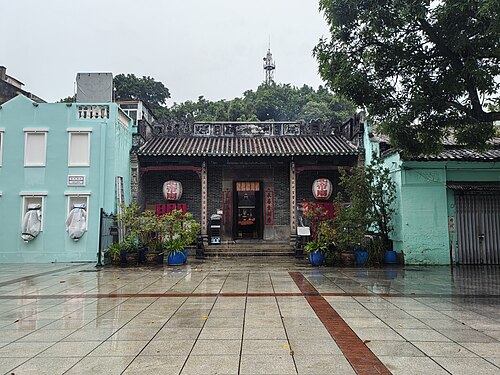
大三巴哪吒廟 Templo de Na Tcha, junto às Ruínas de S. Paulo
Na Tcha Temple, or 哪吒廟, is a small Chinese folk-religion temple dedicated to Na Tcha, a child deity associated with protection and exorcism. Its position beside the Ruins of St.
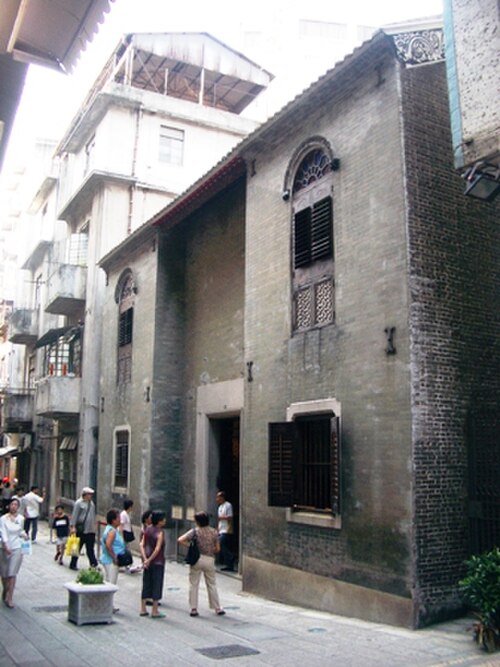
盧家大屋 Casa de Lou Kau
Casa de Lou Kau, locally called 盧家大屋, is a preserved merchant residence in Macau’s Historic Centre.
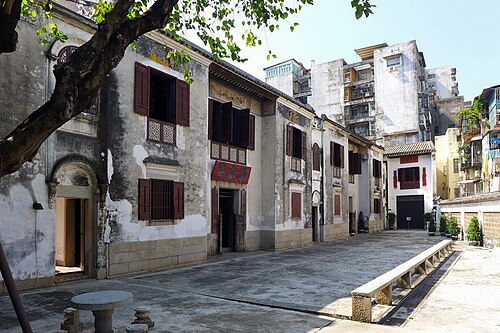
鄭家大屋 Casa do Mandarim
Mandarin’s House, also known as Zheng Guanying’s former residence, is a historic mansion in Macau’s Historic Centre. It was the ancestral home of the Zheng family and is associated with the thinker Zheng Guanying.
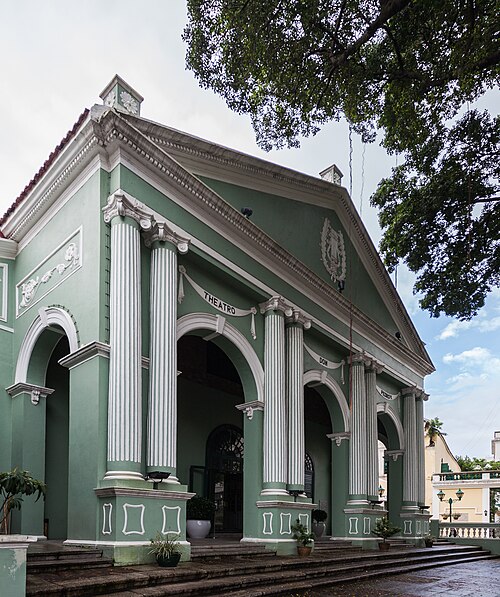
伯多祿五世劇院 Teatro Dom Pedro V
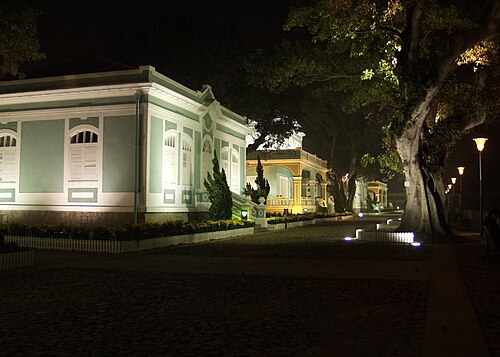
Dom Pedro V Theatre is a historic performing arts venue in Macau's St. Lawrence Parish district, situated on Calçada de S. Lourenço. Built in the mid-19th century during the Portuguese colonial period, it represents one of Asia's earliest Western-style theatres.
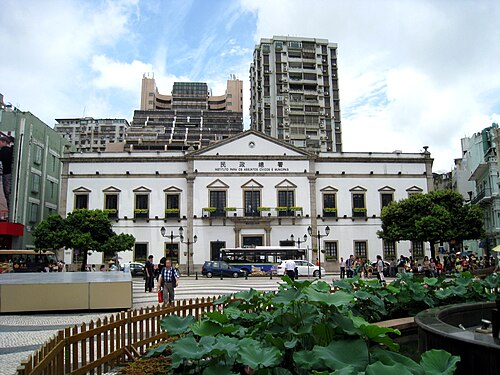
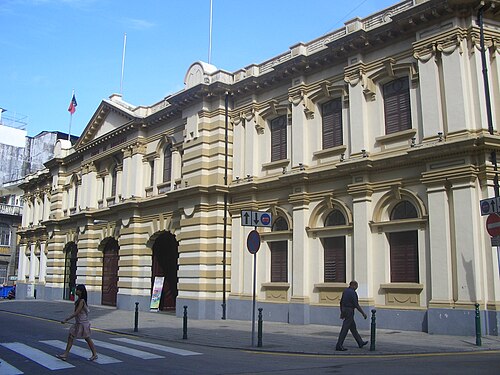
民政總署大樓
The Leal Senado Building stands in Senado Square at the heart of Macau’s historic centre. Its name means Loyal Senate in Portuguese, recalling the building’s role in colonial municipal government.
仁慈堂大樓 Santa Casa da Misericórdia
The Holy House of Mercy, or 仁慈堂大樓, is a historic charitable institution beside Senado Square in Macau. Founded in 1569 by Macau's first bishop, it became associated with care for orphans, widows and people in poverty.
The Cathedral of the Nativity of Our Lady is the present cathedral of the Roman Catholic Diocese of Macau. Set on a terrace above the historic centre, it has a prominent urban position and remains an active place of worship.
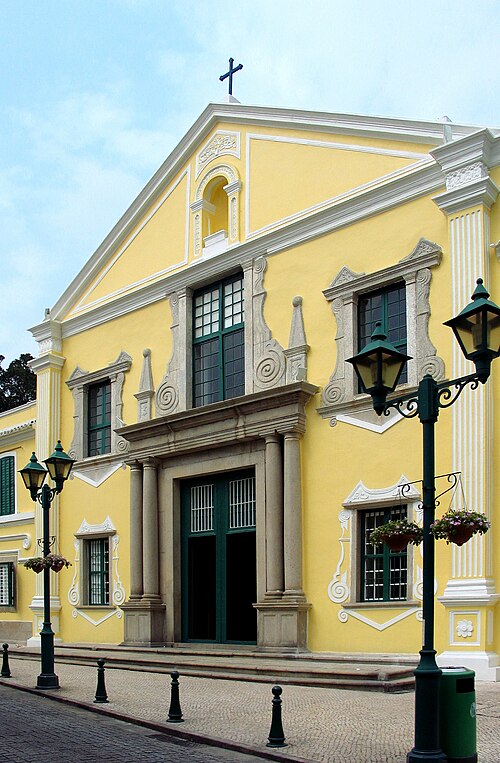
聖奧斯定教堂 Igreja de Santo Agostinho
St. Augustine’s Church, 聖奧斯定教堂, is a historic Catholic church in Macau’s Historic Centre. Founded by Augustinian missionaries, it represents the religious architecture that developed during the Portuguese presence in Macau.
聖老楞佐堂 Igreja de S. Lourenço
St. Lawrence's Church is a historic Catholic church in Macau, one of the territory's oldest religious structures. The local name is 聖老楞佐教堂. It stands as a significant monument within the Historic Centre of Macau, a UNESCO World Heritage Site.
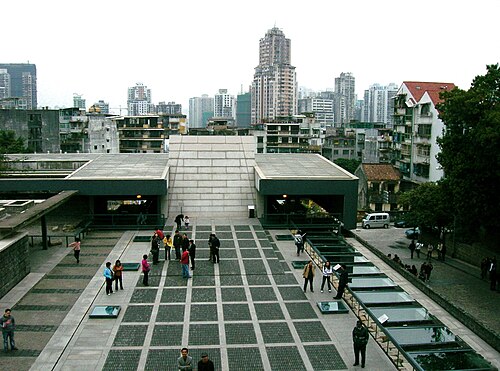
聖若瑟修院大樓及聖堂 Igreja e Seminário de São José
St. Joseph’s Seminary and Church is a historic religious complex in Macau’s Historic Centre and part of the city’s UNESCO World Heritage setting. The seminary was founded in 1728 and the church was consecrated in 1758.
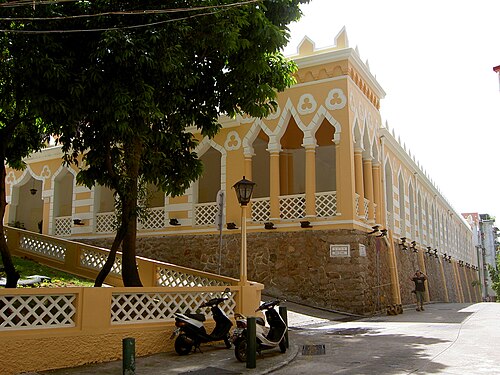
港務局大樓 Quartel dos Mouros
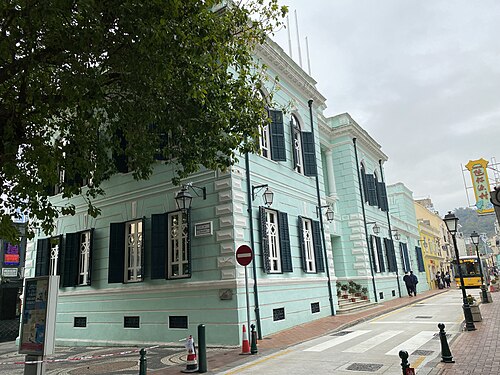
Moorish Barracks, locally known as 港務局大樓, is a historic building in Macau’s Historic Centre. Its design combines Islamic-influenced details with neoclassical elements, reflecting the layered architectural culture created during Portuguese administration.
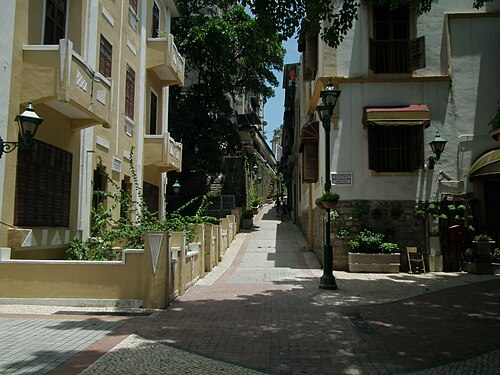
亞婆井前地 Largo do Lilau
Lilau Square is a small public square in Macau's historic western district, situated near the intersection of Rua de Lilau and Rua do Lilau.
白鴿巢公園 Jardim Luís de Camões
Camoes Garden, also known locally as 白鴿巢公園, is a public park on Macau’s peninsula. Its mature vegetation, hillside setting, and connection with Portuguese literary heritage give it a character distinct from Macau’s busier commercial streets.
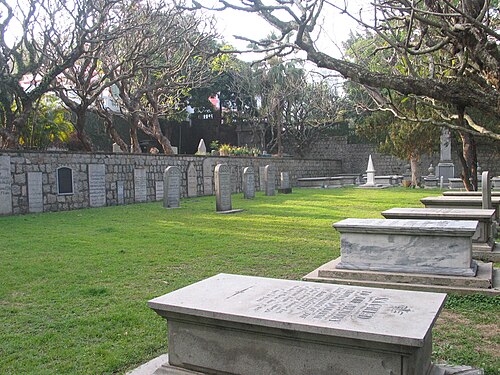
舊基督教墳場 Cemitério Protestante
The Protestant Cemetery is a historic burial ground within Macau’s Historic Centre, part of the UNESCO World Heritage Site.
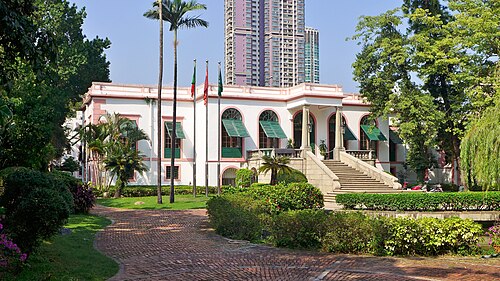
東方基金會會址 Casa Garden
Casa Garden, known locally as 東方基金會會址, is a historic residence on the Macau peninsula and the headquarters of the Orient Foundation.
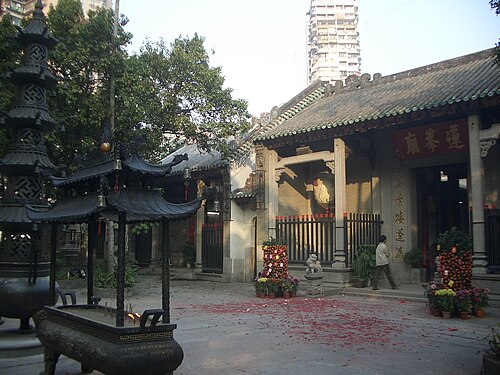
普濟禪院 (觀音堂) Templo Kun Iam
Kun Iam Temple, known locally as 普濟禪院, is one of the oldest and most significant Buddhist temples in Macau. It serves as a major place of worship and cultural heritage site, reflecting the territory's deep-rooted Buddhist traditions.
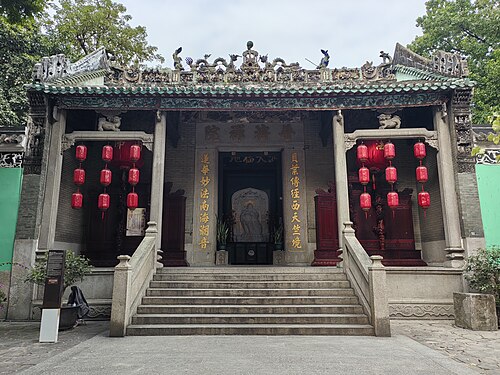
蓮峰廟 Templo Lin Fung
Lin Fong Temple, also called 蓮峰廟 and Templo Lin Fung, is a living Chinese place of worship on Macau Peninsula.
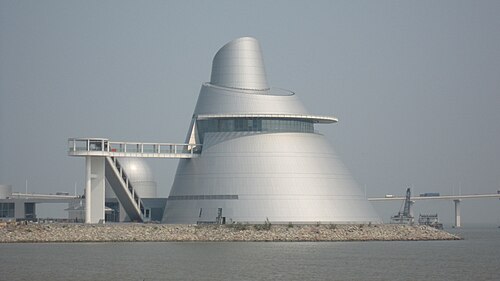
澳門科學館 Centro de Ciência de Macau
The Macao Science Center is a waterfront science museum on the Macau peninsula dedicated to science education and public engagement.
澳門藝術博物館 Museu de Arte de Macau
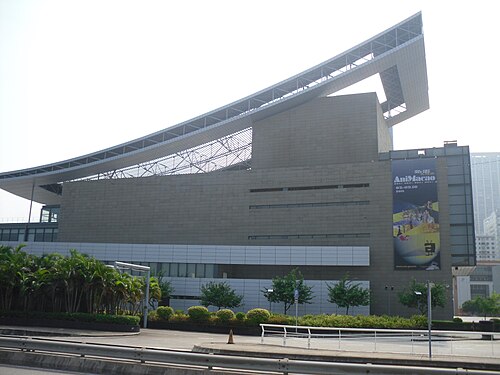
The Macao Museum of Art is the largest visual arts museum in Macau, dedicated to collecting, preserving, and exhibiting artworks. It occupies a purpose-built facility in the Macau Cultural Centre complex near the Outer Harbour.
澳門回歸賀禮陳列館 Museu das Ofertas sobre a Transferência de Soberania de Macau
Handover Gifts Museum of Macao presents commemorative gifts given to Macao by Chinese provinces, municipalities, and autonomous regions after the 1999 handover. The museum turns a major political transition into a visual encounter with regional craft traditions.
天主教藝術博物館 Museu de Arte Sacra e Cripta
Museum of Sacred Art and Crypt occupies the lower level of the Ruins of St. Paul’s in Macao’s historic center. It preserves religious art and architectural remains connected with the former Church of Mater Dei and College of St.
消防博物館 Museu dos Bombeiros
Fire Services Museum explores the history and development of Macao’s firefighting service.
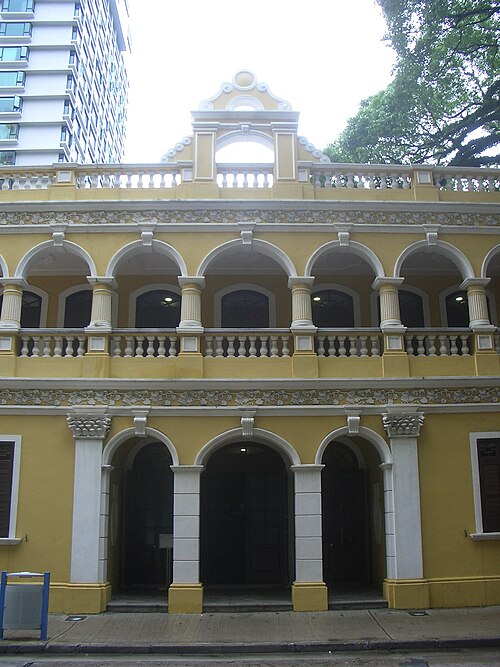
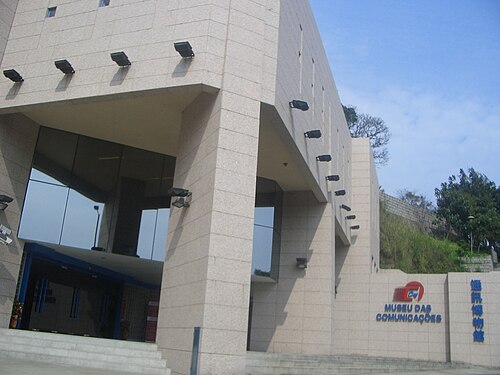
通訊博物館 Museu das Comunicações
Communications Museum introduces the history and development of communication technology in Macao. Its subject reaches from postal services and telecommunications to broadcasting and the systems that connect people across distance.
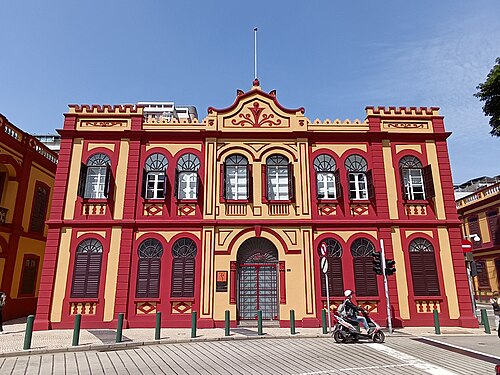
路氹歷史館 Museu da História da Taipa e Coloane
The Museum of Taipa and Coloane History, known locally as 路氹歷史館, is a cultural institution in Macau dedicated to preserving and presenting the historical development of the islands of Taipa and Coloane.
典當業展示館 Espaço Patrimonial uma Casa de Penhores Tradicional
The Heritage Exhibition of a Traditional Pawnshop Business is a museum dedicated to preserving Macau's historical pawnshop culture. Pawnshops played a significant role in the territory's commercial and social history, serving as vital financial institutions for residents.
澳門茶文化館
Macao Tea Culture House is a cultural venue devoted to tea heritage in Macao. It stands within the Historic Centre of Macao, the UNESCO-listed urban area inscribed in 2005.
塔石藝文館 A Galeria Tap Seac
Tap Seac Gallery is an arts and cultural venue in Macao’s Tap Seac Square area. Known locally as 塔石藝文館, it occupies a building within the Historic Centre of Macao, the UNESCO World Heritage area inscribed in 2005.
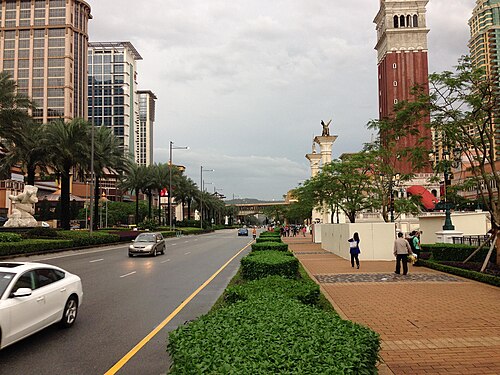
路氹金光大道
The Cotai Strip is a major tourism and entertainment zone in Macau, located on reclaimed land between the islands of Coloane and Taipa. The area derives its name from these two islands.
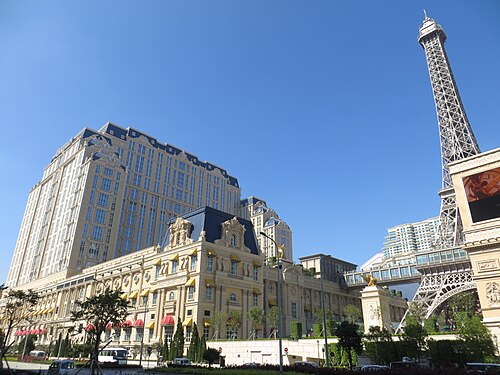
澳門巴黎人 The Parisian Macau
The Parisian Macao is a casino resort on the Cotai Strip in Macau, operated by Sands China. Its signature feature is a half-scale replica of the Eiffel Tower, visible across the resort grounds.
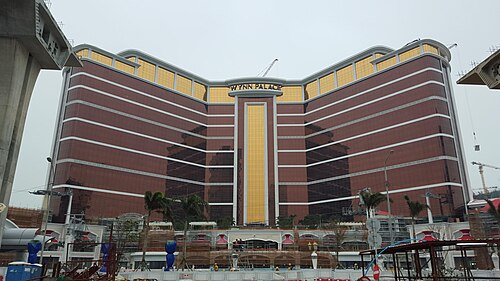
永利皇宮 Palácio Wynn
Wynn Palace is a luxury integrated resort on Macau’s Cotai Strip. The complex combines a hotel, casino, restaurants, retail spaces and entertainment in one large destination.
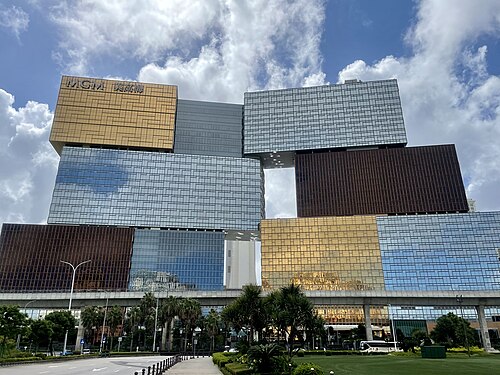
美獅美高梅 MGM Cotai
MGM Cotai is a major integrated resort on the Cotai Strip in Macau, operated by MGM China Holdings Limited. The property features a distinctive architectural design with a stack of glass boxes containing various facilities.
澳門漁人碼頭 Doca dos Pescadores de Macau
Macau Fisherman's Wharf is a waterfront leisure and entertainment complex on the Macau Peninsula, close to the Outer Harbour Ferry Terminal.
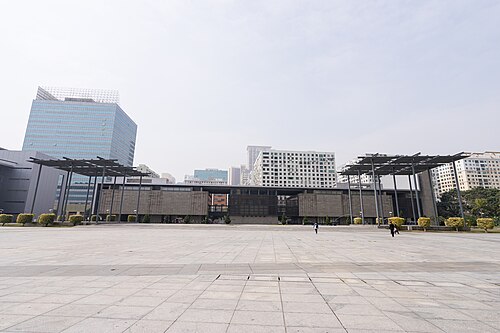
澳門文化中心 Centro Cultural de Macau
Macao Cultural Centre is a major performing-arts and exhibition venue operated by the Cultural Affairs Bureau of the Macao SAR Government. Opened in 1999, it provides a home for concerts, theatre, festivals and visual-art presentations.
金蓮花廣場 A Praça Flor de Lótus
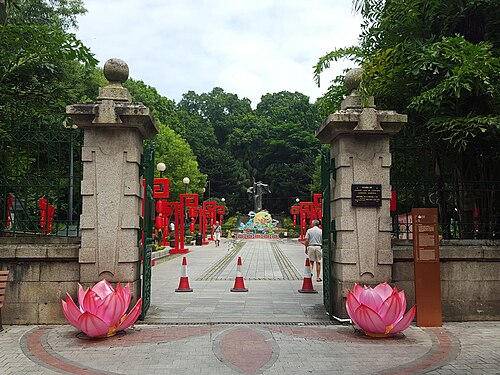
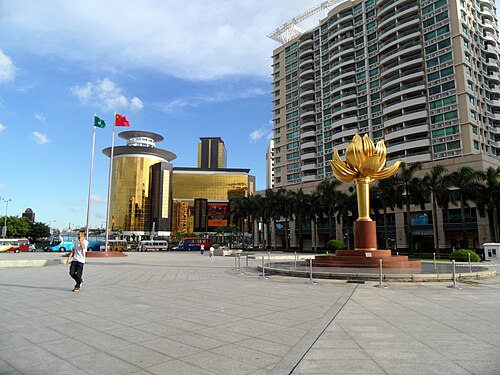
Lotus Square is an open civic plaza in Macau, known locally as 金蓮花廣場. Its centrepiece is the Golden Lotus, a large gilded bronze flower that represents Macau.
黑沙海灘 Praia de Hác Sá
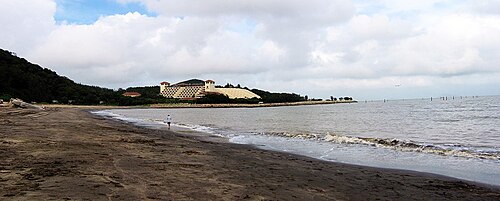
Hac Sa Beach, or 黑沙海灘, is a coastal beach on the southeastern side of Coloane Island in Macau. Its name means Black Sand Beach and refers to the dark mineral-rich sand that gives the shoreline its distinctive appearance.
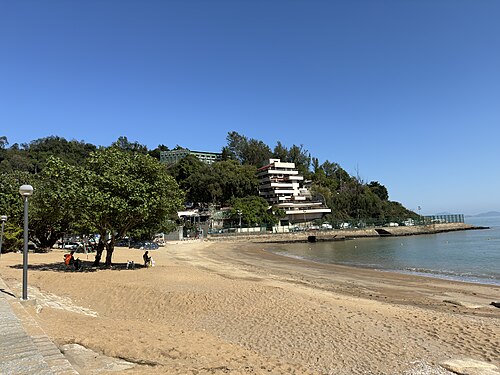
竹灣海灘 Baia de Cheoc Van
Cheoc Van Beach, known locally as 竹灣海灘, is a coastal recreation spot in southern Macau. Its Coloane setting offers a quieter contrast to the peninsula’s casinos, shopping streets, and heritage landmarks.
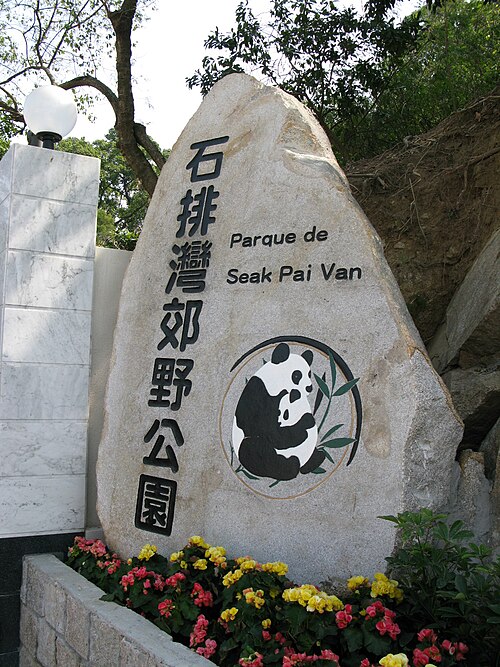
石排灣郊野公園 Parque de Seac Pai Van
Seac Pai Van Park, or 石排灣郊野公園, is a country park on Coloane Island in Macau. It gives travellers a green hillside setting within a highly urban territory, combining wooded paths with a major panda-viewing facility.
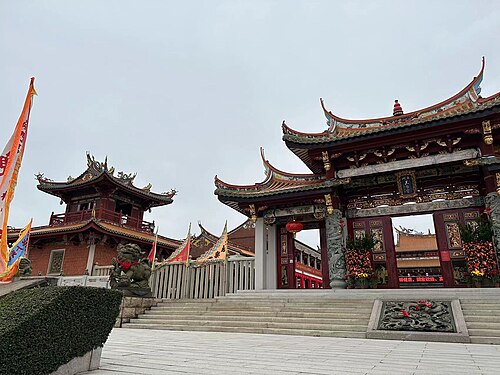
媽祖文化村 Aldeia Cultural de A-Ma
A-Ma Cultural Village is a hillside religious and cultural complex on Coloane Island devoted to A-Ma, the goddess associated with seafarers. The setting connects worship, traditional Chinese architecture and Macau’s maritime heritage.
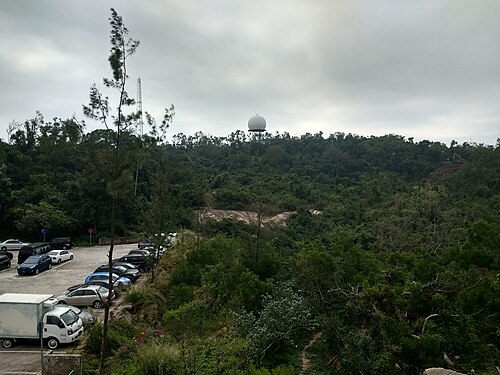
疊石塘山 Alto de Coloane
Alto de Coloane is the highest point on Coloane Island in Macau, standing as a natural landmark within the southern reaches of the Macau Special Administrative Region.
Taipa Grande Natural Park is a green hillside retreat on Taipa Island in Macau, also known locally as 大潭山郊野公園. It gives travelers a chance to leave the dense urban setting and spend time among trees, slopes, and open outdoor space.
北帝廟 Templo Pak Tai
Pak Tai Temple, known locally as 北帝廟, is a Taoist temple in Macau dedicated to Pak Tai, the Northern Emperor deity revered for his power over water and protection against evil.
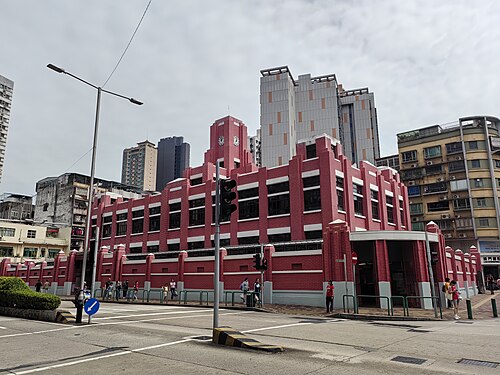
紅街市 Mercado Municipal Almirante Lacerda
Red Market, or 紅街市, is a functioning wet market in Macau housed in a distinctive red-brick building. It is both an everyday shopping place and an architectural landmark, bringing visitors close to local commerce rather than a staged heritage display.
Source: OpenStreetMap contributors, Wikidata ·
Begin on the Macau Peninsula, where Senado Square, the Ruins of St Paul's and the lanes of the Historic Centre form the main walking sequence. Guia Hill and the Outer Harbour sit beyond that compact core. South of the bridges, Taipa Village is distinct from Cotai's large resort blocks, while Coloane occupies the quieter southern end. Keep each peninsula or island district together instead of repeatedly crossing the harbour.
Checked 2026-08-26
Walk the short lanes between Senado Square, St Paul's and the surrounding Historic Centre sights. Public buses connect the peninsula with Taipa, Cotai and Coloane, while the light rail serves a different corridor south of the harbour; taxis are another official option. Ferry terminals, the airport and land-border checkpoints are separate arrival points, so identify the correct one before choosing a route and consult current transport notices on the day.
Checked 2026-08-26
A fixed stay length is not recorded. Start with Historic Centre and waterfront, then add Taipa Village and Cotai and Coloane only when the available schedule supports separate transport blocks.
Keep Historic Centre and waterfront together and treat Taipa Village and Cotai as another local cluster. Reserve Coloane for a dedicated journey so repeated transfers do not displace the main visit.
Use Walking, public bus, light rail and taxi. Walk within compact visitor areas and consult the linked official transport information for longer connections, current timetables and service changes.
Walking works within Historic Centre and waterfront, but the wider visitor area is not one continuous pedestrian route. Use public or scheduled transport for Taipa Village and Cotai and more distant destinations.
Plan Coloane separately and check airport, ferry terminals and border checkpoints. Confirm the practical return connection on the official source before committing to the journey.