
3 min walk
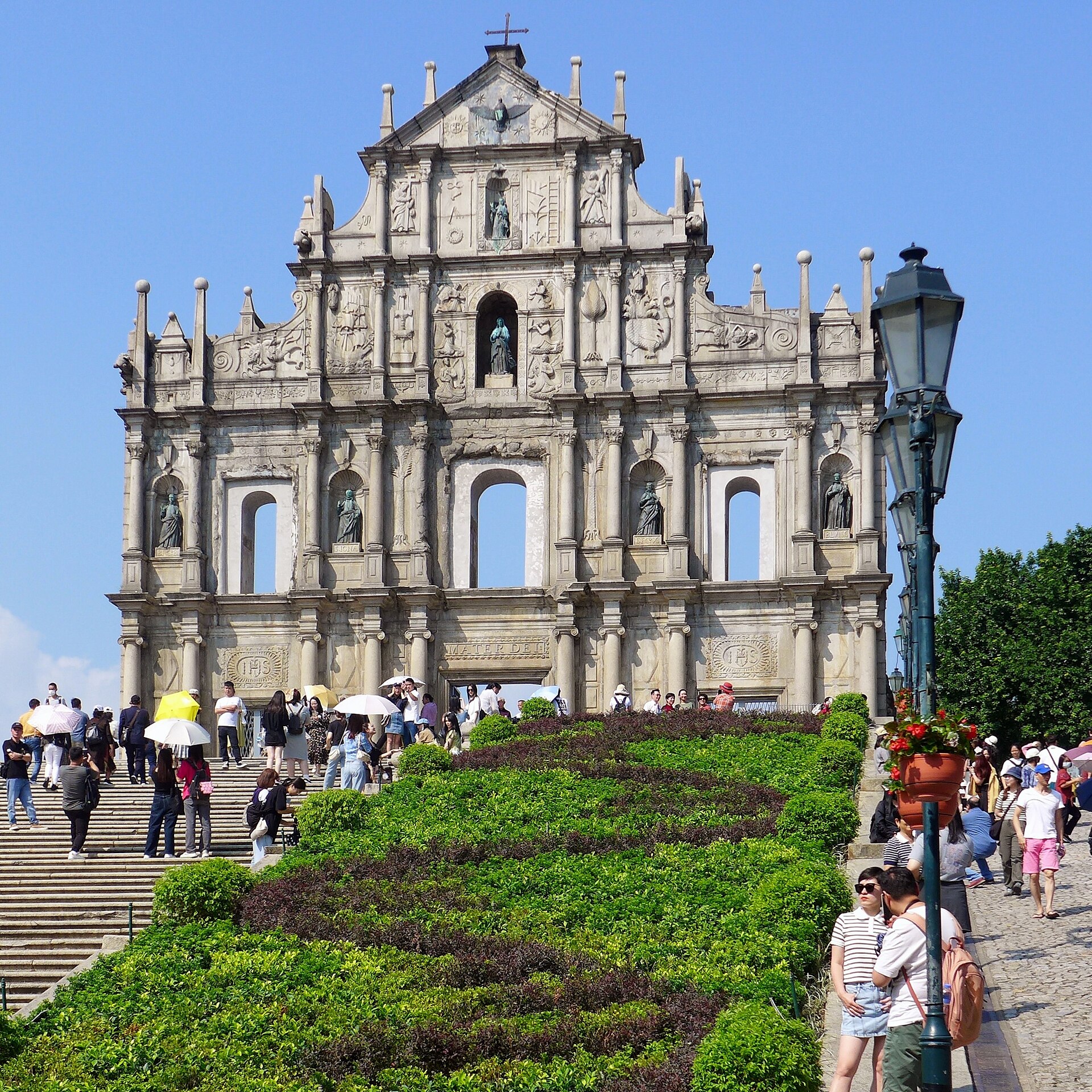
Ruins of St. Paul's
- Must see · Heritage site
- Historic monument
Language · 11 published
Historic monument · Macau
大炮台 Fortaleza do Monte
Reviewed by Elena Voss · Roavina Travel Editor
| Monday | 07:00 – 19:00 |
|---|---|
| Tuesday | 07:00 – 19:00 |
| Wednesday | 07:00 – 19:00 |
| Thursday | 07:00 – 19:00 |
| Friday | 07:00 – 19:00 |
| Saturday | 07:00 – 19:00 |
| Sunday | 07:00 – 19:00 |
Checked 2026-08-31 · Source
Read from the OpenStreetMap access tags; anything not listed has no tag recorded.
Set the group type to family in the planner and the day window contracts to about three quarters of a solo day.
This place is a Attraction. It was established in 1617. It carries the Heritage of Portuguese Influence heritage designation.
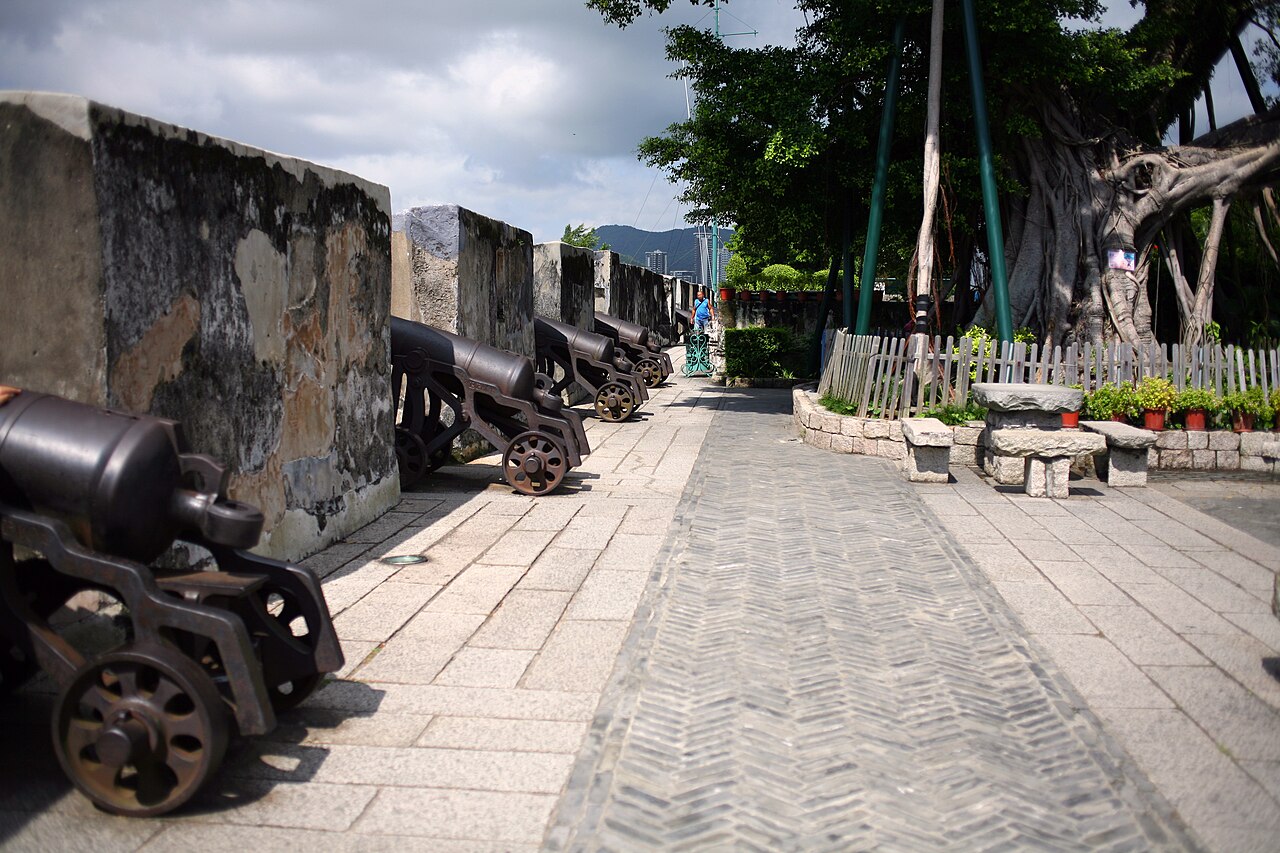
Fortaleza do Monte, also called 大炮台 (Da Pao Tai), is a historic military fortification on a hill in central Macau. Jesuits began building it in the early seventeenth century, and the fort later became part of Macau’s defensive system. Its position, surviving walls, and relationship with the nearby Ruins of St. Paul’s make it one of the city’s clearest places to see European military architecture in an East Asian setting. It belongs to the Historic Centre of Macau UNESCO World Heritage Site. Fortaleza do Monte, known locally as 大炮台 (Da Pao Tai, meaning Big Gun Platform), is a historic military fortification in Macau. Built by the Jesuits in the early 17th century between 1617 and 1626, it formed part of the defensive complex protecting the Church of St. Paul's. The fort occupies a strategic hilltop position and represents one of the best-preserved examples of European military architecture in East Asia. The Macau Museum is housed within Fortaleza do Monte, but they are not identical. The fort is the historic military structure; the museum is a later installation occupying much of its interior.
Checked 2026-08-26 · Source
The fort’s visit combines open ramparts, bastions, defensive walls, and preserved artillery with the Macau Museum, which occupies much of the interior. Walk the perimeter for views across Macau, then spend time with the museum’s interpretation of the city’s military, civic, and cultural development. The contrast between thick defensive masonry and the dense modern city outside gives the site much of its character. The fort is most rewarding when treated as both a viewpoint and a historical structure rather than as a single photo stop.
Checked 2026-08-26 · Source
Allow around one to two hours for a complete visit. That time gives you room to walk the ramparts, inspect the artillery positions, take in the city views, and explore the museum. A shorter visit of about forty-five minutes can still cover the principal outdoor features and viewpoints. Visitors especially interested in Macau’s military history or the museum’s displays may stay longer. Pairing the fort with the Ruins of St. Paul’s creates a substantial heritage walk through the historic centre.
Checked 2026-08-26 · Source
The open ramparts are most comfortable in Macau’s milder autumn, winter, and spring conditions, when heat and humidity are generally less demanding. Summer can feel strenuous on the exposed hilltop, especially during a long walk around the walls. Morning and late afternoon bring softer light and can make the outdoor sections more pleasant. The historic centre becomes busier around weekends and major holidays, so an earlier arrival can leave more space for viewing the fort and nearby landmarks.
Checked 2026-08-26 · Source
The fort includes the Macau Museum, so your visit may involve two related experiences: the historic outdoor fortifications and the museum galleries inside. Treat the museum and ramparts as complementary parts of the stop, with the walls providing the physical setting and the galleries adding historical context. If you are planning a tightly timed day, leave flexibility between this fort and the nearby Ruins of St. Paul’s, since the hill, outdoor viewpoints, and museum can each hold your attention.
Checked 2026-08-26 · Source
Fortaleza do Monte stands in Macau’s central historic district, close to the Ruins of St. Paul’s and within walking distance of Senado Square. The approach from the surrounding heritage streets climbs uphill, and the final route includes steep sections. Local buses and taxis serve the central peninsula, while visitors already exploring the historic centre can reach the fort as part of a continuous walking route. The fort’s position makes it easy to combine with St. Paul’s and other nearby heritage sites.
Checked 2026-08-26 · Source
Wear shoes with a firm grip because the hill, historic surfaces, and changes in level demand careful footing. Much of the ramparts is exposed, with direct sun and limited shelter during rain. Bring water and sun protection in warm weather, and allow extra energy for the uphill approach. The museum and older fort structures may include confined areas and varying floor levels. Stay within visitor routes and give other people room on narrow passages and viewpoints.
Checked 2026-08-26 · Source
The elevated ramparts provide broad views over Macau’s urban landscape, while the fort itself offers strong compositions of stone walls, bastions, artillery, and angular defensive geometry. Morning and late afternoon light can bring texture to the masonry and reduce harsh glare. Include the modern skyline in wider frames to show the fort’s setting. Museum photography may follow different rules from outdoor photography, so follow signs and staff directions. Keep equipment compact on narrow walkways and busy viewpoints.
Checked 2026-08-26 · Source
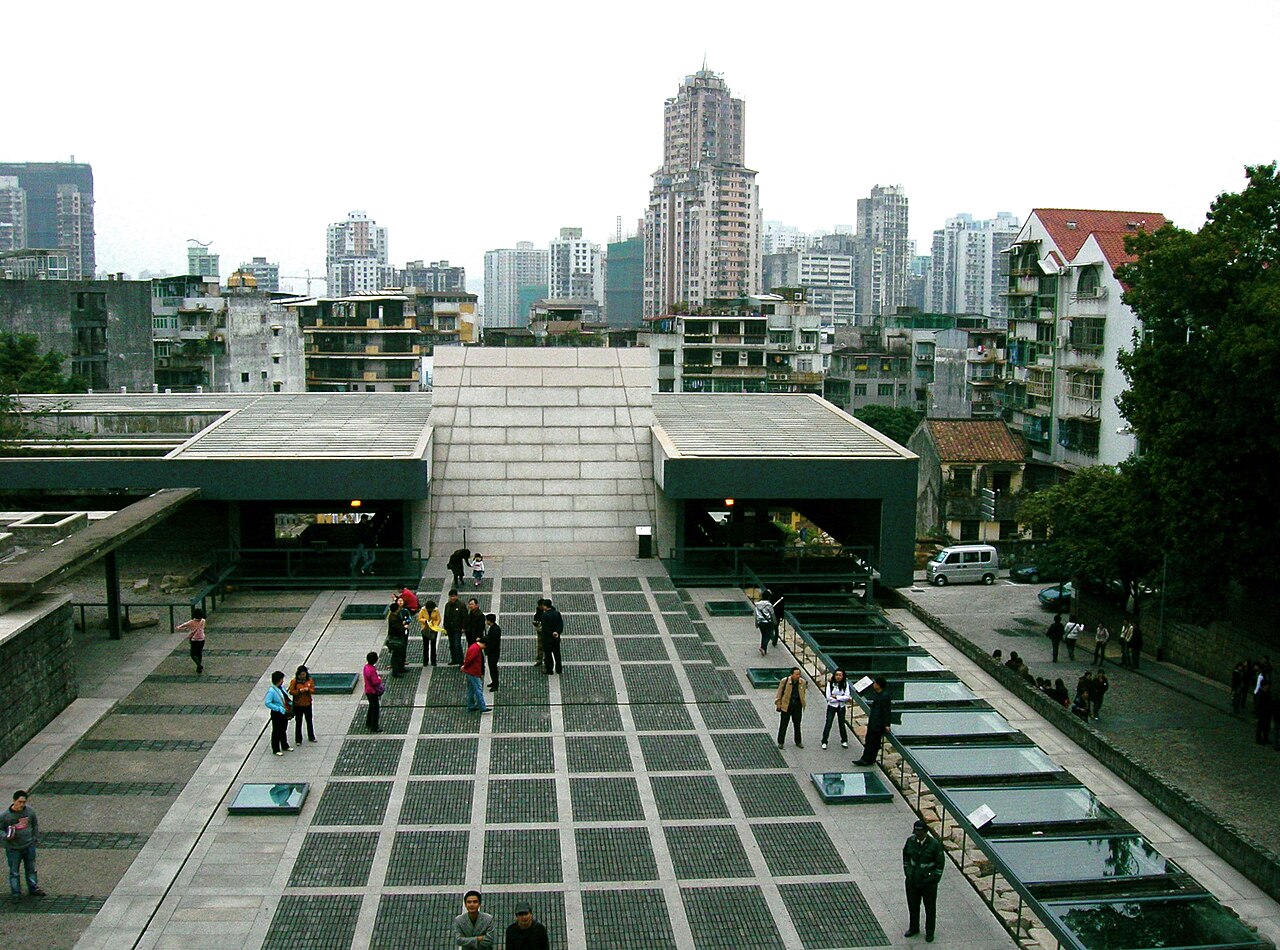
The Macau Museum is housed within Fortaleza do Monte. The fort is the historic military structure, while the museum occupies interior space and presents broader interpretations of Macau’s history.
You can see ramparts, bastions, defensive walls, preserved artillery, city views, and the Macau Museum’s historical displays.
The route includes an uphill approach, steep gradients, uneven historic surfaces, exposed ramparts, and changes in level.
Yes. Fortaleza do Monte forms part of the Historic Centre of Macau, which was inscribed on the UNESCO World Heritage List in 2005.
The fort helped defend the Church of St. Paul’s, whose surviving facade stands nearby. The two sites formed part of a connected religious and defensive landscape.
Morning and late afternoon provide softer light for the fort’s stonework and broad views, while earlier arrival can also reduce crowding around the historic centre.
Loading the interactive map…
The interactive map could not be loaded.
Last updated:
Source: OpenStreetMap contributors, Wikidata ·