
3 min walk
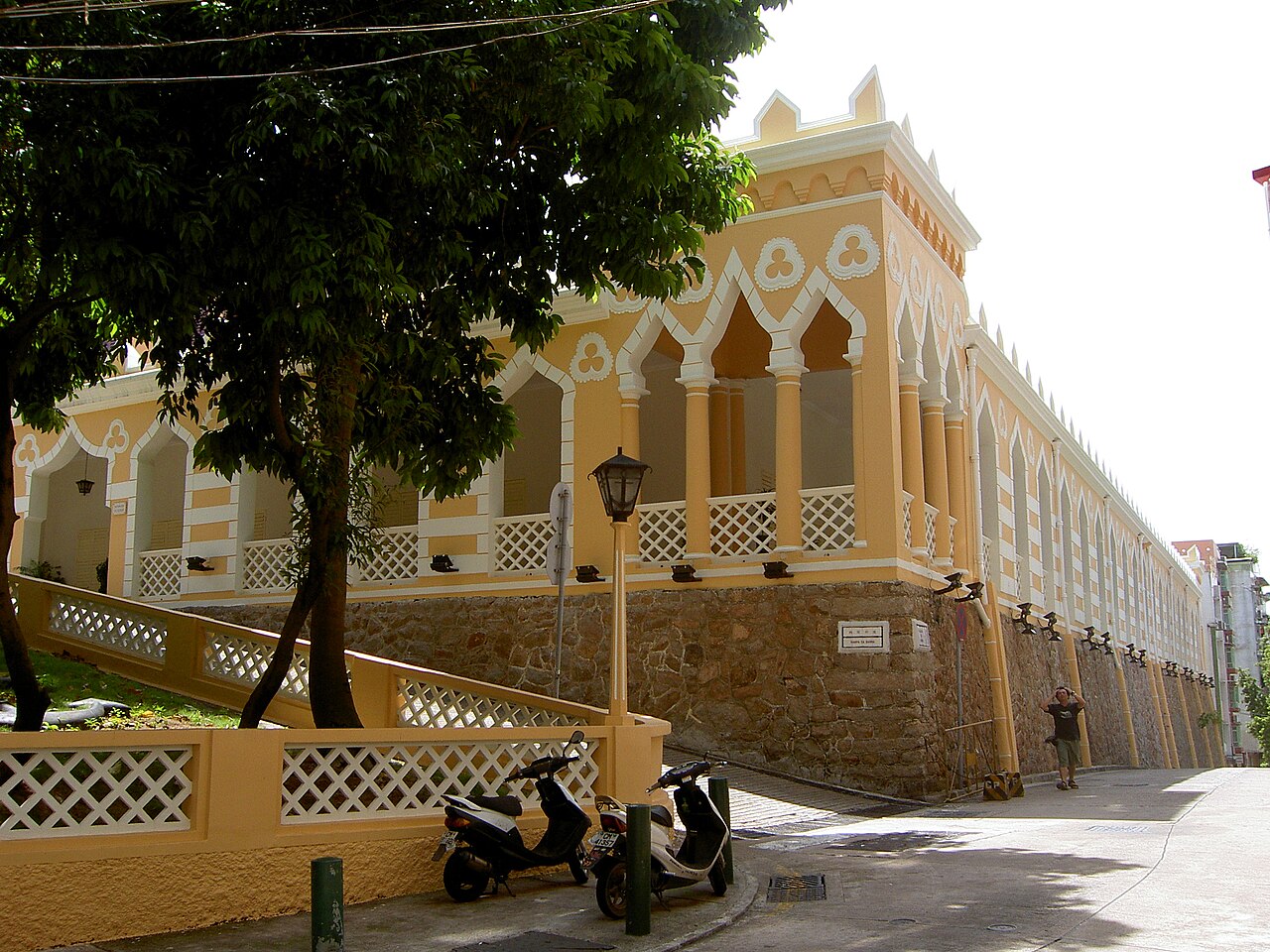
Moorish Barracks
- Must see · Heritage site
- Historic monument
Language · 11 published
Place of worship · Macau
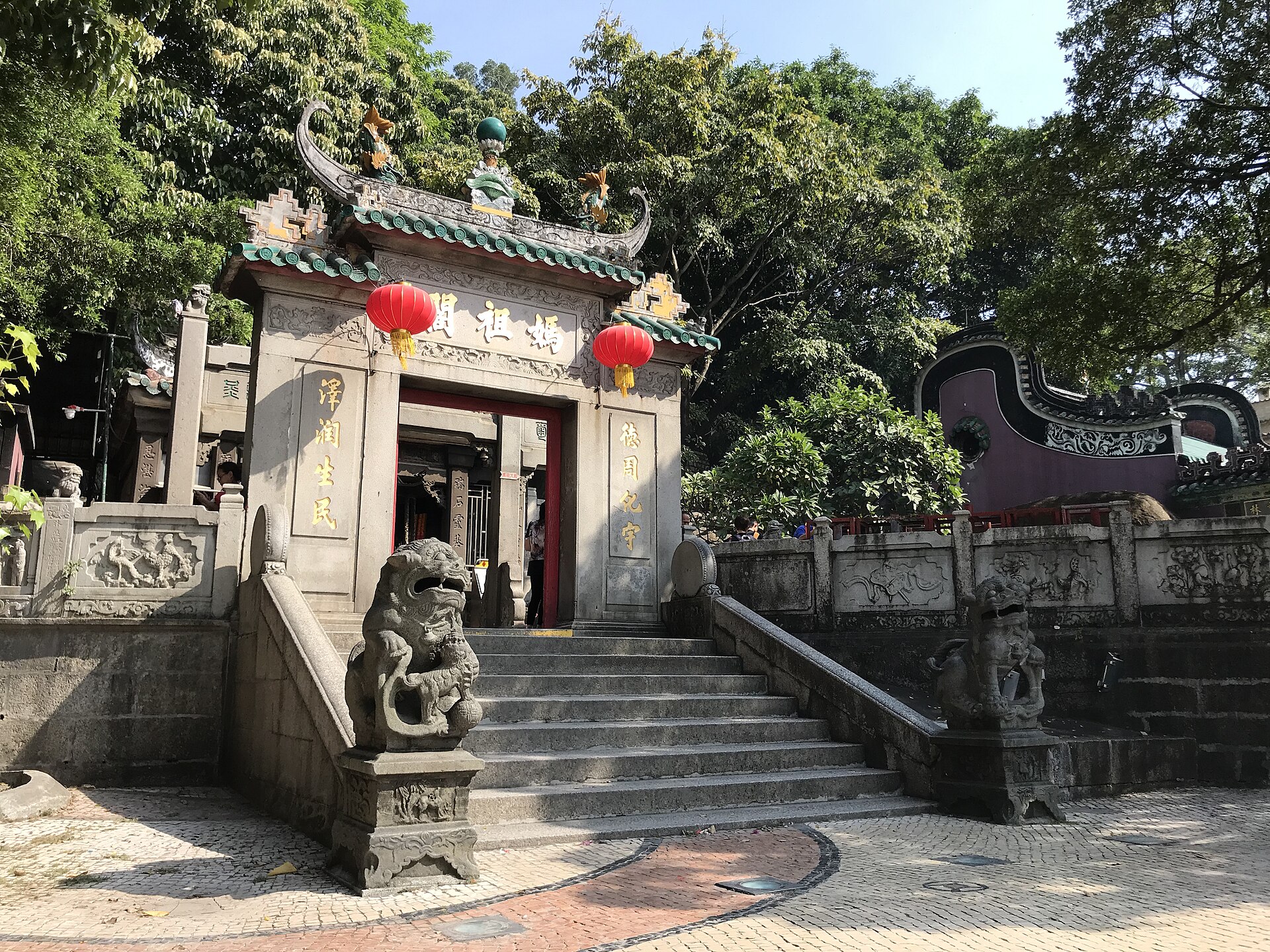
媽閣廟 Templo de A-Ma
Reviewed by Elena Voss · Roavina Travel Editor
| Monday | 08:00 – 18:00 |
|---|---|
| Tuesday | 08:00 – 18:00 |
| Wednesday | 08:00 – 18:00 |
| Thursday | 08:00 – 18:00 |
| Friday | 08:00 – 18:00 |
| Saturday | 08:00 – 18:00 |
| Sunday | 08:00 – 18:00 |
Checked 2026-08-31 · Source
Read from the OpenStreetMap access tags; anything not listed has no tag recorded.
Set the group type to family in the planner and the day window contracts to about three quarters of a solo day.
This place is a Attraction. It was established in 1488. It carries the World Heritage Site heritage designation.
A-Ma Temple is a historic Chinese temple complex in Macau dedicated to Mazu, the goddess of seafarers. Its traditions predate Portuguese colonisation and connect the site with Macau's maritime heritage and long-standing local religious life. Built around a hillside above the Inner Harbour, the temple combines worship spaces, rock, vegetation, and harbour views. It is included within the UNESCO World Heritage listing for the Historic Centre of Macau. A-Ma Temple, locally known as 媽閣廟, is one of the oldest and most significant Taoist temples in Macau. Dedicated to Mazu, the goddess of seafarers, it predates Portuguese colonization and embodies the city's deep maritime heritage. The temple complex climbs a hillside overlooking the Inner Harbour, representing centuries of Chinese spiritual tradition. Its inclusion in the UNESCO World Heritage listing for the Historic Centre of Macau underscores its cultural importance as a symbol of the territory's indigenous roots before Western influence. Yes, A-Ma Temple is included within the Historic Centre of Macau UNESCO World Heritage listing. The temple is primarily Taoist, dedicated to Mazu, the goddess of seafarers, though it incorporates Buddhist elements including the Zhengjiao Chanlin pavilion.
Checked 2026-08-26 · Source
The complex rises through terraces containing the Gate Pavilion, Memorial Arch, Prayer Hall, Hall of Benevolence, Hall of Guanyin, and Zhengjiao Chanlin Buddhist pavilion. Look for stone carvings, porcelain figures, ceramic roof animals, and large incense coils hanging beneath the temple roofs. The buildings are fitted around granite outcrops and greenery, creating a sequence of intimate courtyards and elevated viewpoints rather than one single monumental hall. The temple complex comprises several pavilions and prayer halls arranged across multiple terraces ascending the hillside. Key structures include the Gate Pavilion, the Memorial Arch, the Prayer Hall, the Hall of Benevolence, the Hall of Guanyin, and the Zhengjiao Chanlin Buddhist pavilion. Decorative elements feature traditional Chinese architectural details including intricate stone carvings, porcelain figurines, and roof ridges with ceramic animals. Incense coils hang from ceilings, creating atmospheric smoke patterns. The natural integration of built structures with granite outcrops and vegetation demonstrates classical Chinese landscape principles.
Checked 2026-08-26 · Source
Most visitors need forty-five to ninety minutes to move through the terraces, inspect the architectural details, and pause at the harbour-facing viewpoints. Prayer, contemplation, and photography can extend the visit. Stone steps between levels require a slower pace for some travelers. A-Ma Temple also fits naturally into a half-day walk around Barra, especially when paired with other heritage sights near Macau's southwestern waterfront.
Checked 2026-08-26 · Source
Morning is a strong time to visit if you want cooler air and the atmosphere of active worship. Mazu-related festivals bring more devotees and visitors. Macau's hot, humid summers make the shaded and naturally ventilated hillside preferable to exposed streets, while milder winters are comfortable for walking. Rain can make the stone paths slippery, so allow extra care when moving between the terraces.
Checked 2026-08-26 · Source
A-Ma Temple is a traditional Chinese religious site where entry has historically been free, with donation boxes and incense purchases forming part of the visitor environment. Travelers should treat the complex as an active place of worship rather than a staged attraction. A packaged tour may charge for guiding or transport, but independent visitors can experience the temple as part of a walk through Barra and the Macau heritage district.
Checked 2026-08-26 · Source
The temple stands in the Barra district at the southwestern end of the Macau Peninsula. Public buses connect it with central Macau and ferry-terminal areas, while taxis and ride-hailing services provide direct access. It is close to Barra Square and the Maritime Ferry Terminal. Walking from the Historic Centre takes roughly twenty to thirty minutes along routes with some elevation change, making the temple a useful southern endpoint for a heritage walk.
Checked 2026-08-26 · Source
Wear secure footwear for the stone staircases linking the terraces, especially after rain. Incense smoke and ash may bother sensitive eyes or airways. Keep voices moderate, dress respectfully with shoulders and knees covered, and give worshippers space. Some halls may restrict photography. Festival crowds can make narrow passages difficult to navigate, while the hillside offers limited shelter from direct sun during warm periods.
Checked 2026-08-26 · Source
A-Ma Temple rewards photographs that combine pavilions, granite rock, vegetation, incense, and harbour glimpses. The Memorial Arch and exterior terraces provide strong compositions against the water and sky. Morning light suits weathered stone and ceramic decoration. Inside worship spaces, avoid flash and intrusive positioning, particularly when people are praying. The rising layout creates layered views of roofs and courtyards, while telephoto framing helps reveal ceramic figures on upper rooflines.
Checked 2026-08-26 · Source
The temple is dedicated to Mazu, the goddess of seafarers, and reflects Macau's maritime heritage.
Yes. A-Ma Temple is included within the Historic Centre of Macau UNESCO World Heritage listing.
The terraces contain several halls and pavilions, with stone carvings, porcelain figures, ceramic roof decorations, incense coils, rock, and vegetation.
Plan forty-five to ninety minutes, with extra time if you pray, photograph the details, or move slowly over the stone steps.
Buses, taxis, and ride-hailing services connect the temple with central Macau and ferry-terminal areas; it is also walkable from the Historic Centre.
Wear respectful clothing covering the shoulders and knees, and keep voices moderate in active worship spaces.
Loading the interactive map…
The interactive map could not be loaded.
Last updated:
Source: OpenStreetMap contributors, Wikidata ·