
5 min walk
Museum of Art Pudong
- Must see
- Art and culture venue
Language · 11 published
Historic monument · Shanghai
外滩
Reviewed by Elena Voss · Roavina Travel Editor
| Monday | 00:00 – 23:59 |
|---|---|
| Tuesday | 00:00 – 23:59 |
| Wednesday | 00:00 – 23:59 |
| Thursday | 00:00 – 23:59 |
| Friday | 00:00 – 23:59 |
| Saturday | 00:00 – 23:59 |
| Sunday | 00:00 – 23:59 |
Checked 2026-08-31 · Source
Read from the OpenStreetMap access tags; anything not listed has no tag recorded.
Set the group type to family in the planner and the day window contracts to about three quarters of a solo day.
This place is a Attraction.
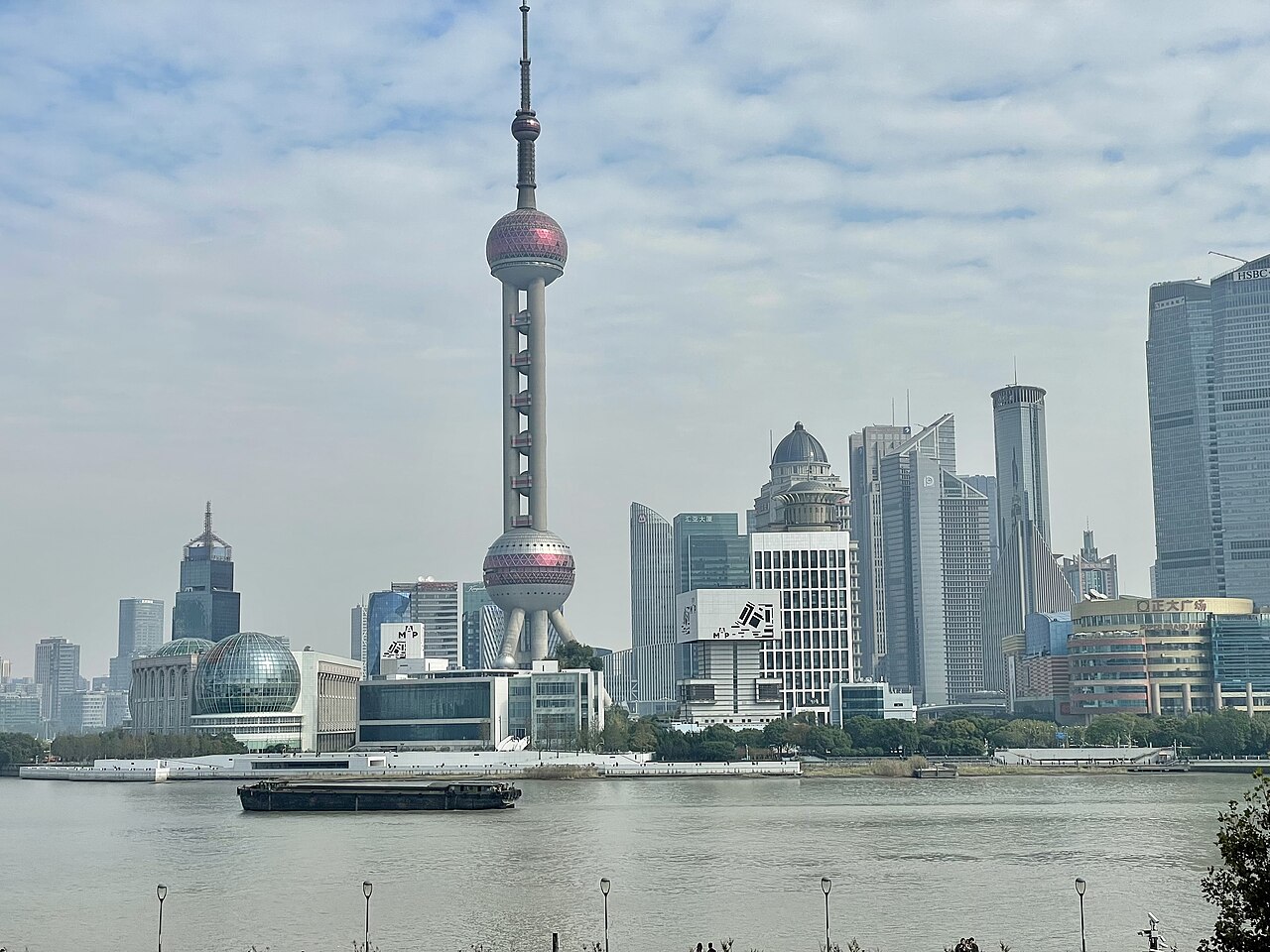
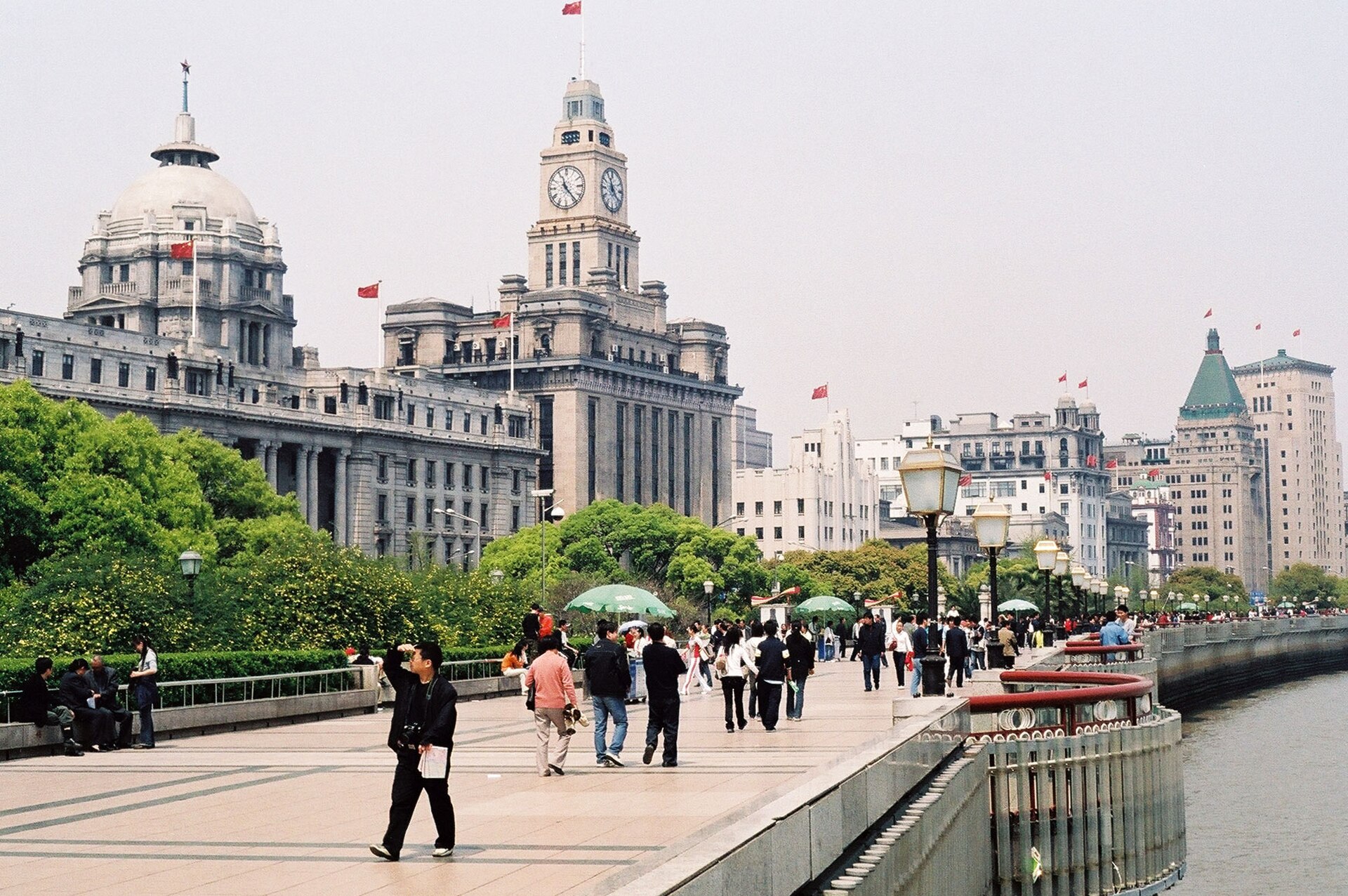
The Bund is Shanghai's historic waterfront promenade along the western bank of the Huangpu River. It features a concentration of early 20th-century colonial-era buildings representing various European architectural styles, including Neoclassical, Art Deco, and Beaux-Arts. This stretch served as the financial center of foreign concessions during Shanghai's treaty port era. Today it stands as a symbol of the city's complex colonial past and rapid modern transformation, facing the futuristic Pudong skyline directly across the river.
Checked 2026-08-31 · Source
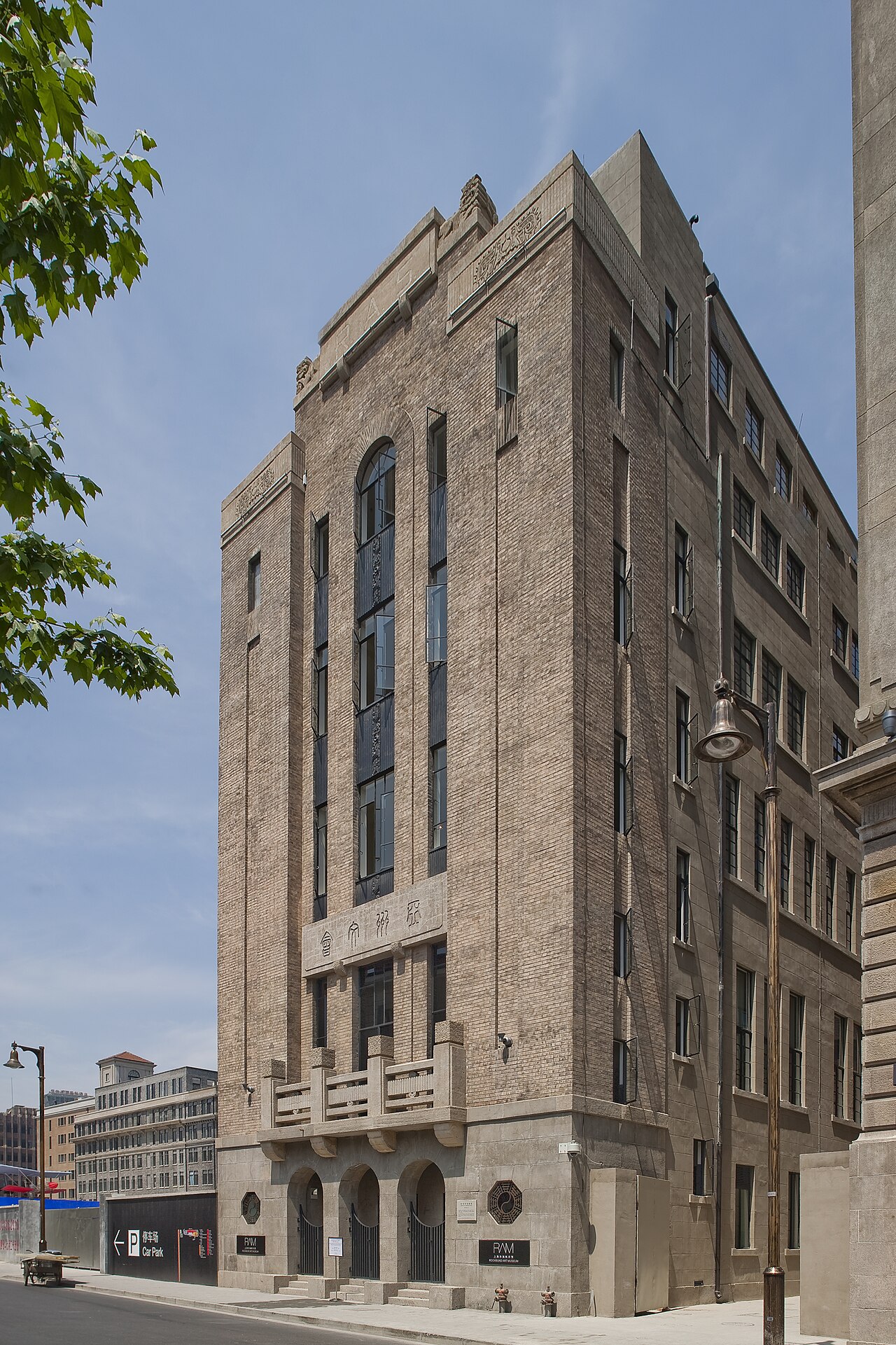
The Bund comprises twenty-six historic buildings of varying architectural significance, formerly housing banks, trading houses, and consulates. Notable structures include the former Hongkong and Shanghai Banking Corporation building and the Customs House with its clock tower. The riverside promenade itself offers pedestrian walkways and viewing areas. The immediate vicinity contains hotels, restaurants, and retail establishments operating within repurposed heritage structures. The contrast between preserved historic fabric and contemporary commercial use defines the visitor experience.
Checked 2026-08-31 · Source
A thorough walking inspection of the full Bund promenade and building facades requires approximately two to three hours. Visitors typically combine this with river crossing to Pudong or adjacent Nanjing Road exploration, extending total engagement. Evening visits add time for observation of the illuminated skyline across the river. The promenade length itself is walkable in under an hour at moderate pace without extended stops. Duration depends substantially on photographic interest and crowd conditions.
Checked 2026-08-31 · Source
Open 24 hours daily, year-round. The public Bund sightseeing area has no regular closure day. Museums, galleries, cruises and other separately operated attractions along the Bund keep their own schedules and admission rules. The promenade is publicly accessible and experiences heavy visitor concentration during evening hours when building illumination and Pudong skyline lighting create dramatic visual contrast. Dawn hours offer reduced crowding. Seasonal weather variations affect comfort significantly: summer brings high humidity, winter exposes visitors to cold river winds. National holiday periods generate extreme congestion.
Checked 2026-08-31 · Source
Free public access; no general-admission ticket is required for the Bund’s public waterfront sightseeing area. Separately operated buildings, exhibitions, cruises and the sightseeing tunnel may charge admission. The Bund promenade itself is a public thoroughfare without entry controls. Individual buildings may contain commercial establishments with their own access policies. River cruise boats operating from nearby docks charge separate fees. Any building-specific exhibitions or observation facilities would require independent ticketing. Current pricing for ancillary services requires direct verification with operators. A flexible visit lets travellers connect The Bund with the rest of the day without treating one room, viewpoint or photograph as the whole experience. The useful pace depends on personal interest and conditions on arrival.
Checked 2026-08-31 · Source
Take Shanghai Metro Line 2 or Line 10 to East Nanjing Road Station, then continue east along East Nanjing Road to the waterfront. From Pudong, the municipal ferry from Dongchang Road reaches East Jinling Road Ferry Terminal; the city identifies East Jinling Road as the most convenient Bund-area pier for visitors. Sightseeing buses also stop at The Bund A opposite No. 18, The Bund, The Bund B by the Shanghai Federation of Trade Unions, and Shiliupu. This is the named approach for an independent visit. The Bund is accessible via Shanghai Metro with multiple nearby stations including East Nanjing Road and Nanjing East Road on Line 2 and Line 10. Walking connections exist from People's Square and the Nanjing Road pedestrian zone. Taxi and ride-hail services serve the area though traffic congestion is chronic. The Bund Sightseeing Tunnel provides a pedestrian connection to Pudong. Ferry services cross the Huangpu River to Lujiazui. Bicycle and pedestrian approaches require caution given heavy vehicle and tourist traffic.
Checked 2026-08-31 · Source
The Bund waterfront redevelopment included dedicated accessible routes and accessible elevators for older and disabled visitors. Huangpu District reports that accessible passages have been installed where site conditions permit, but some waterfront routes are not yet continuous. The elevated promenade and plazas also contain stairs, so wheelchair users should follow the signed ramps and lifts rather than assuming every approach is step-free. The access description applies to the documented visitor route. Crowd density peaks during evening illumination periods and holiday weekends, creating safety and mobility concerns. Aggressive street vendors and unauthorized tour guides operate in the vicinity. Traffic separation between promenade and road requires attention, particularly with distracted photography. Summer heat and winter wind exposure demand appropriate preparation. River edges lack protective barriers in some sections. Pickpocketing risk elevates in dense conditions. Building interiors accessed commercially may have distinct security protocols. Water quality in the Huangpu River is not suitable for contact.
Checked 2026-08-31 · Source
The primary photographic subject is the skyline contrast: historic Bund buildings against Pudong's modern towers across the river. Optimal positioning moves along the promenade length to vary compositional relationships. Evening blue hour provides balanced exposure between building illumination and sky. Tripod use may attract security attention; discretion advised. Wide-angle lenses accommodate the scale differential between foreground architecture and background towers. River cruise boats offer alternative vantage points. Weather haze significantly degrades long-distance clarity, particularly in summer months.
Checked 2026-08-31 · Source
The Bund occupies the Huangpu River waterfront along East Zhongshan No. 1 Road in Shanghai’s Huangpu District.
The official Shanghai tourism page describes a 1.5-kilometre stretch running from East Yan’an Road in the south to Waibaidu Bridge in the north.
The waterfront is lined by 52 historic buildings representing styles including Gothic, Romanesque, Baroque and other Classical Revival forms.
Waibaidu Bridge stands where Suzhou Creek meets the Huangpu River; the official tourism authority identifies it as China’s first fully steel riveted bridge and the country’s only surviving unequal-height truss bridge.
In August 2026, the Bund’s normal landscape lighting began at 19:00, with 38 first-façade buildings illuminating sequentially from north to south.
Yes. The Dongchang Road–East Jinling Road ferry links Pudong with the Bund side of the river, and the municipal transport guide lists a pedestrian fare of CNY 2.
Loading the interactive map…
The interactive map could not be loaded.

Last updated:
Source: OpenStreetMap contributors, Wikidata ·