
2 min walk
KK Mall
- Notable
- Market
Language · 11 published
Historic monument · Shenzhen
京基100
Reviewed by Elena Voss · Roavina Travel Editor
Read from the OpenStreetMap access tags; anything not listed has no tag recorded.
Set the group type to family in the planner and the day window contracts to about three quarters of a solo day.
This place is a Attraction. It opened in 2011. It was designed by Terry Farrell.
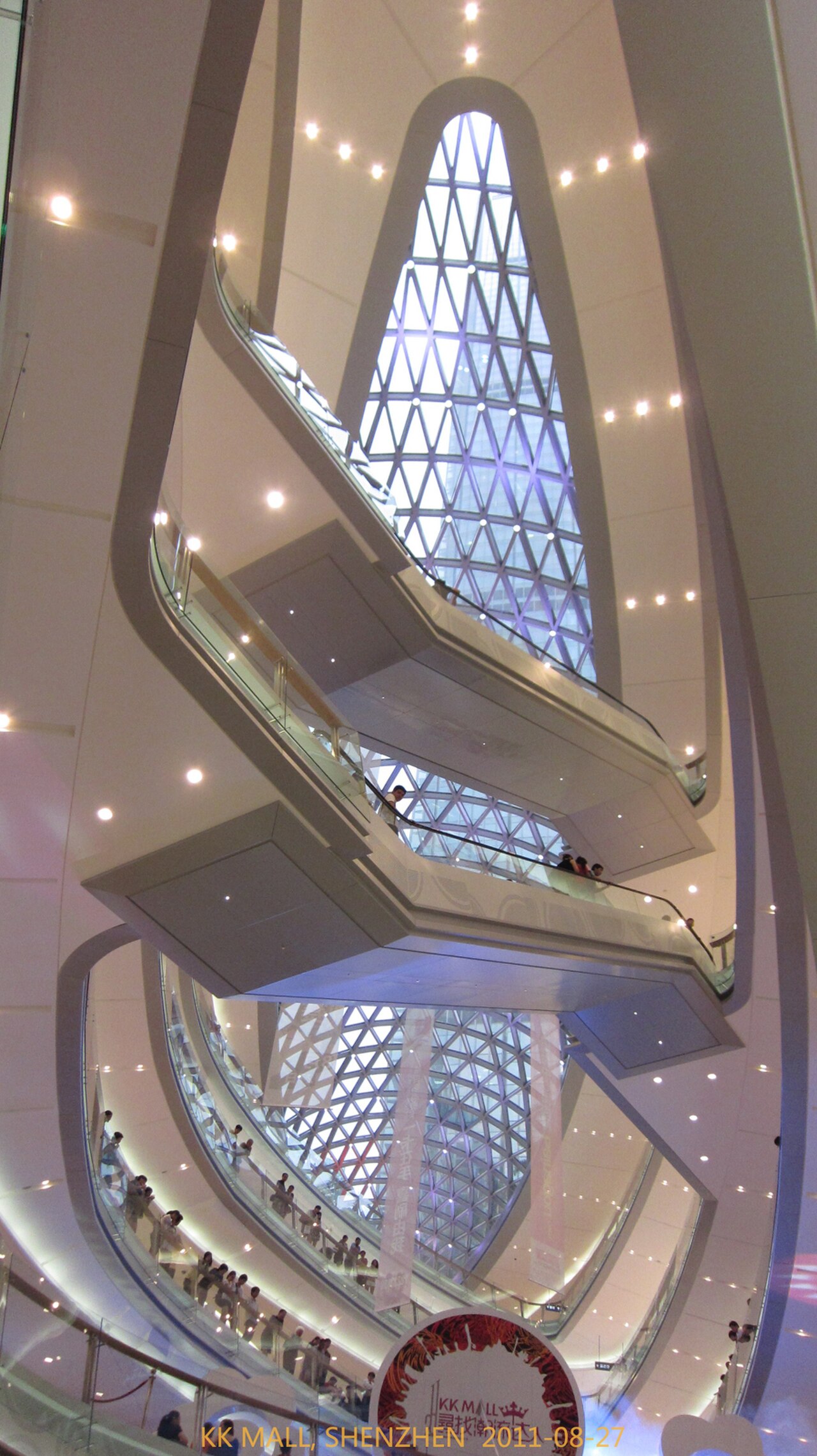
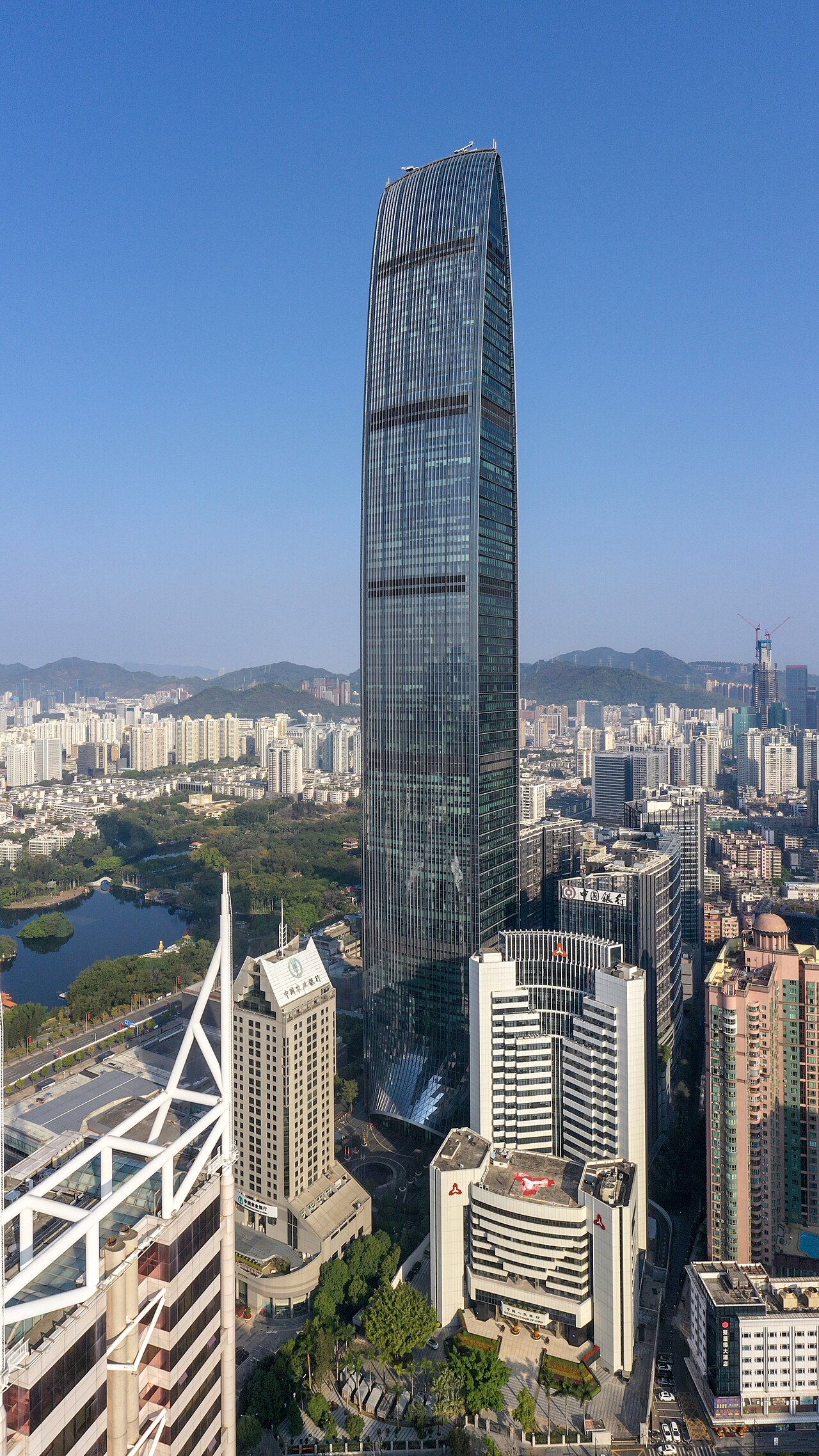
KK100, known locally as 京基100, is a supertall mixed-use tower in Shenzhen's Luohu District. It is one of the city's most recognizable skyline landmarks and contains office space and the St. Regis Shenzhen hotel in its upper portion. The building represents Shenzhen's rapid transformation into a major global metropolis. For travelers, KK100 is most useful as an urban landmark: its exterior changes the scale of the surrounding streets, while its hotel and business functions show how different parts of one tower serve different users. KK100, known locally as 京基100, is a supertall skyscraper in Shenzhen, Guangdong Province, China. It stands as one of the city's most prominent landmarks and was among the tallest buildings globally upon completion. The tower serves multiple functions including office space, with the St. Public observation deck operations, if any exist, require direct verification with building management or the St. Regis Shenzhen hotel.
Checked 2026-08-26 · Source
The tower contains extensive commercial office areas and the St. Regis Shenzhen hotel in its upper floors. Hotel guests use the hospitality facilities, while office areas serve business visitors with the appropriate purpose and access. The building's mixed-use character is visible from the contrast between public-facing street activity and controlled internal spaces. Travelers should treat it as a working tower and hotel rather than a conventional museum or fully open monument. The surrounding central district adds shops, roads and dense urban movement at street level.
Checked 2026-08-26 · Source
A short exterior visit can take around thirty minutes, especially if your aim is to photograph the tower from nearby streets. Allow one to two hours for an elevated visit if you have access through an operating visitor facility, including time for movement and views. Hotel guests have a different experience because their stay extends beyond sightseeing. Business visitors should plan around their appointment and building access. Combining the tower with nearby central Shenzhen streets creates a fuller urban stop than viewing the façade alone.
Checked 2026-08-26 · Source
Clear winter air can improve long-distance skyline views, while Shenzhen's hot, humid summers can make outdoor street photography less comfortable. Typhoon conditions between May and November can affect high-rise operations and visibility. Evening brings illuminated views of the tower and the surrounding city streets. Daytime is better for studying the building's relationship with Luohu's roads and neighboring development. Weather matters most when your plan includes exterior photography or elevated views, because haze, rain and strong winds change what you can see.
Checked 2026-08-26 · Source
Office floors are controlled business spaces, and hotel facilities serve guests and patrons rather than functioning as a general public attraction. Accommodation at the St. Regis Shenzhen is a premium hotel experience. An elevated visitor facility, if operating for public access, would be a separate experience from simply viewing the tower outside. This distinction matters when planning a visit: street-level photography does not require the same arrangements as hotel use, business access or entry to a paid viewpoint.
Checked 2026-08-26 · Source
KK100 stands near the intersection of Shennan East Road and Hongling South Road in central Shenzhen's Luohu District. The area is close to Shenzhen Railway Station and the Luohu border-crossing district. Metro, buses, taxis and ride-hailing vehicles serve this central part of the city. Shenzhen Bao'an International Airport connects the city with domestic and international destinations. A map route is useful because the tower sits within a dense road network, and the final walk may involve busy crossings and large commercial blocks.
Checked 2026-08-26 · Source
KK100 is a working mixed-use tower, so security procedures and controlled access shape the experience inside. Severe weather, including typhoons, can affect high-rise conditions. Central Shenzhen traffic and busy commercial streets require attention when crossing roads and moving around the base. Air quality and humidity can reduce distant visibility. Keep personal belongings secure in crowded areas, and respect the boundary between public street space, hotel facilities and office areas. Construction or street changes can alter the most convenient approach around the building.
Checked 2026-08-26 · Source
KK100 photographs well from surrounding streets, where the tower's height can be set against traffic, smaller buildings and Shenzhen's dense skyline. Its illumination after dark creates a different subject from the daytime façade. Clear winter conditions can strengthen distant views, while haze softens the outline. Public viewpoints around the base are practical for ordinary cameras. Tripods may attract attention in busy public spaces, and drone flights in urban Shenzhen face strict controls. Keep equipment and framing within public areas and avoid hotel or office privacy.
Checked 2026-08-26 · Source
KK100 is a mixed-use supertall tower containing commercial office space and the St. Regis Shenzhen hotel. It is also a prominent landmark in the Luohu skyline.
The tower is in Shenzhen's Luohu District near Shennan East Road and Hongling South Road. It is also relatively close to Shenzhen Railway Station and the Luohu border-crossing area.
Office floors are business areas with controlled access. Entry is connected to business purposes and appropriate authorization, while hotel areas serve guests and patrons.
Yes. KK100 is one of Shenzhen's most recognizable high-rise landmarks and illustrates the city's rapid urban development and transformation into a major metropolis.
Daytime works well for showing the tower against Luohu's streets and neighboring development. Evening adds the building's illumination, while clear winter air can improve distant skyline views.
Shenzhen's hot, humid summers, haze, rain and typhoon conditions can reduce comfort or visibility. Typhoon season in the region generally falls between May and November.
Loading the interactive map…
The interactive map could not be loaded.

Last updated:
Source: OpenStreetMap contributors, Wikidata ·