

2 min walk
新安县衙
- High
- Historic monument
Language · 11 published
Historic monument · Shenzhen
南头古城
Reviewed by Elena Voss · Roavina Travel Editor
| Monday | 10:00 – 18:00 |
|---|---|
| Tuesday | 10:00 – 18:00 |
| Wednesday | 10:00 – 18:00 |
| Thursday | 10:00 – 18:00 |
| Friday | 10:00 – 18:00 |
| Saturday | 10:00 – 18:00 |
| Sunday | 10:00 – 18:00 |
Checked 2026-08-31 · Source
Read from the OpenStreetMap access tags; anything not listed has no tag recorded.
Set the group type to family in the planner and the day window contracts to about three quarters of a solo day.
This place is a Attraction.
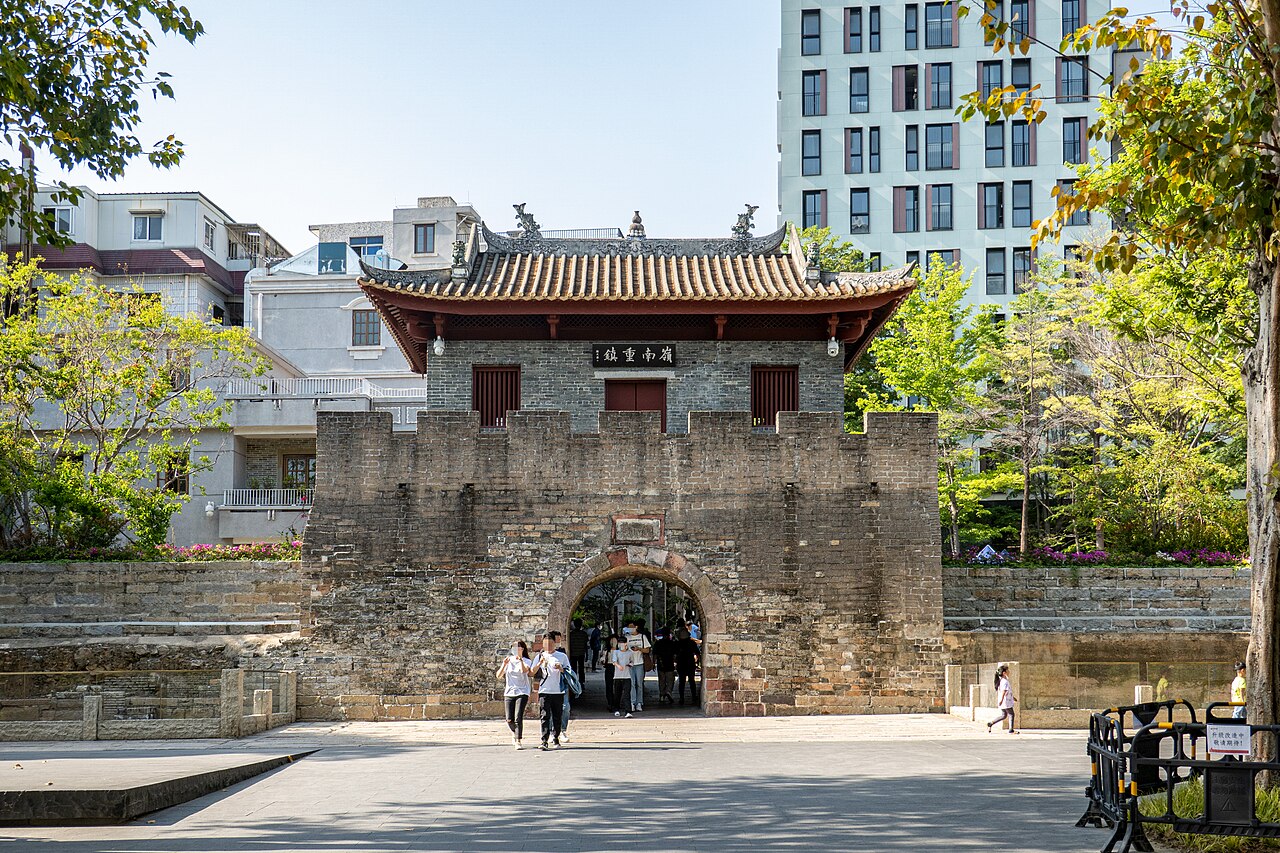
Nantou Ancient City, or 南头古城, is a historic fortified settlement in Shenzhen. It preserves the memory of an older urban landscape within a city better known for new towers, technology, and rapid construction. Walls, gates, lanes, courtyards, and surviving traditional forms create a compact heritage quarter where historic fabric sits beside contemporary streets. The result is a place to explore gradually, with architecture and everyday city life sharing the same setting. Nantou Ancient City, known locally as 南头古城, is a historic fortified settlement in Shenzhen. The site represents one of the area's oldest urban foundations, with origins tracing to administrative and military functions in the region's past. The city walls and remaining structures illustrate traditional Chinese defensive architecture adapted to southern coastal conditions. As a ranked visitor destination in Shenzhen's top 100 attractions, it offers contrast to the city's contemporary skyline and rapid development.
Checked 2026-08-26 · Source
Walk through gate structures, remaining wall sections, traditional rooflines, and courtyard spaces that suggest the settlement's earlier defensive and residential organization. The area also includes exhibition and cultural spaces, small businesses, food vendors, and active residential uses. This mixture is central to the experience: Nantou is not a sealed museum complex but a living historic district where restored elements, modern interventions, commerce, and local life appear together. The ancient city contains reconstructed and preserved architectural elements typical of historic Chinese urban compounds. Visitors encounter traditional gate structures, residual wall segments, and courtyard arrangements that suggest original spatial organization. Interior areas include exhibition spaces and cultural displays interpreting local history. Some sections accommodate small commercial establishments and food vendors serving regional specialties.
Checked 2026-08-26 · Source
Set aside one to three hours. A quick circuit through the compact historic area can take less than an hour, but slower travelers will want time for wall details, lanes, courtyards, exhibitions, food, and photographs. Narrow passages may slow progress when the district is busy. Nantou pairs well with other attractions in Shenzhen's central-western area, making it easy to shape the visit into part of a longer cultural outing.
Checked 2026-08-26 · Source
Weekday mornings are well suited to travelers who want more space in the lanes and softer light on the historic façades. Autumn and winter usually bring more comfortable outdoor conditions than Shenzhen's hot, humid summer. Rain can make paving slippery, while typhoon-period weather can disrupt outdoor plans. Public holidays and major festival periods are busier, so choose an earlier start when you want to examine architecture or photograph the quieter edges of the district.
Checked 2026-08-26 · Source
Nantou Ancient City is best approached as a walkable historic neighborhood containing heritage features, cultural spaces, shops, and places to eat. Carry a payment method suitable for ordinary purchases in Shenzhen and keep identification with you for public venues. If you enter an exhibition or cultural installation inside the district, treat it as a separate experience from wandering the streets. The most rewarding part of the visit is the combination of historic atmosphere and active urban life.
Checked 2026-08-26 · Source
The ancient city sits within Shenzhen's developed urban fabric and can be reached through the city's metro and bus network, followed by a walk through surrounding streets. Taxi and ride-hailing journeys are easier when you provide the Chinese name 南头古城. Plan the final approach as part of the experience: the site is woven into the neighborhood rather than isolated behind a large rural access road. Allow extra journey time when traffic is heavy.
Checked 2026-08-26 · Source
Historic lanes can become crowded, and active residential areas bring pedestrians, bicycles, and vehicles into the same spaces. Watch your footing on uneven paving and steps, especially after rain or around dimly lit passages. Respect residents and businesses when taking photographs or pausing in doorways. Shenzhen's heat and humidity make water and sun protection useful. Keep belongings close in crowded lanes, and leave room for local activity to continue around you.
Checked 2026-08-26 · Source
Nantou offers strong compositions built from contrast: weathered walls against modern buildings, traditional rooflines above busy lanes, and intimate courtyard details beside active shops. Early morning and late afternoon give exterior surfaces more depth and reduce harsh overhead light. Respect residents in inhabited areas and follow signs in exhibitions or managed interiors. A handheld camera is usually more practical than bulky equipment in narrow passages, where pedestrians need to move freely.
Checked 2026-08-26 · Source
It is a compact historic district combining fortified remains, traditional architecture, cultural spaces, shops, food vendors, residences, and modern urban surroundings.
Allow one to three hours, depending on how much time you give to lanes, wall details, exhibitions, food, and photography.
Yes. Small commercial establishments and food vendors operate within the historic area, alongside cultural and residential uses.
The district combines preserved and reconstructed historic elements with modern interventions and active neighborhood life.
Yes. Historic walls, rooflines, courtyards, narrow lanes, and modern buildings create varied subjects, especially in morning or late-afternoon light.
Stay aware of vehicles, protect residents' privacy, avoid blocking narrow lanes, and watch for uneven paving or slippery surfaces after rain.
Loading the interactive map…
The interactive map could not be loaded.
Last updated:
Source: OpenStreetMap contributors, Wikidata ·