

4 min walk
Museum of Contemporary Art & Planning Exhibition
- Must see
- Museum
Language · 11 published
Museum · Shenzhen
深圳博物馆历史民俗馆
Reviewed by Elena Voss · Roavina Travel Editor
| Monday | Closed |
|---|---|
| Tuesday | 09:00 – 18:00 |
| Wednesday | 09:00 – 18:00 |
| Thursday | 09:00 – 18:00 |
| Friday | 09:00 – 18:00 |
| Saturday | 09:00 – 18:00 |
| Sunday | 09:00 – 18:00 |
Checked 2026-08-31 · Source
Read from the OpenStreetMap access tags; anything not listed has no tag recorded.
Set the group type to family in the planner and the day window contracts to about three quarters of a solo day.
This place is a Museum.
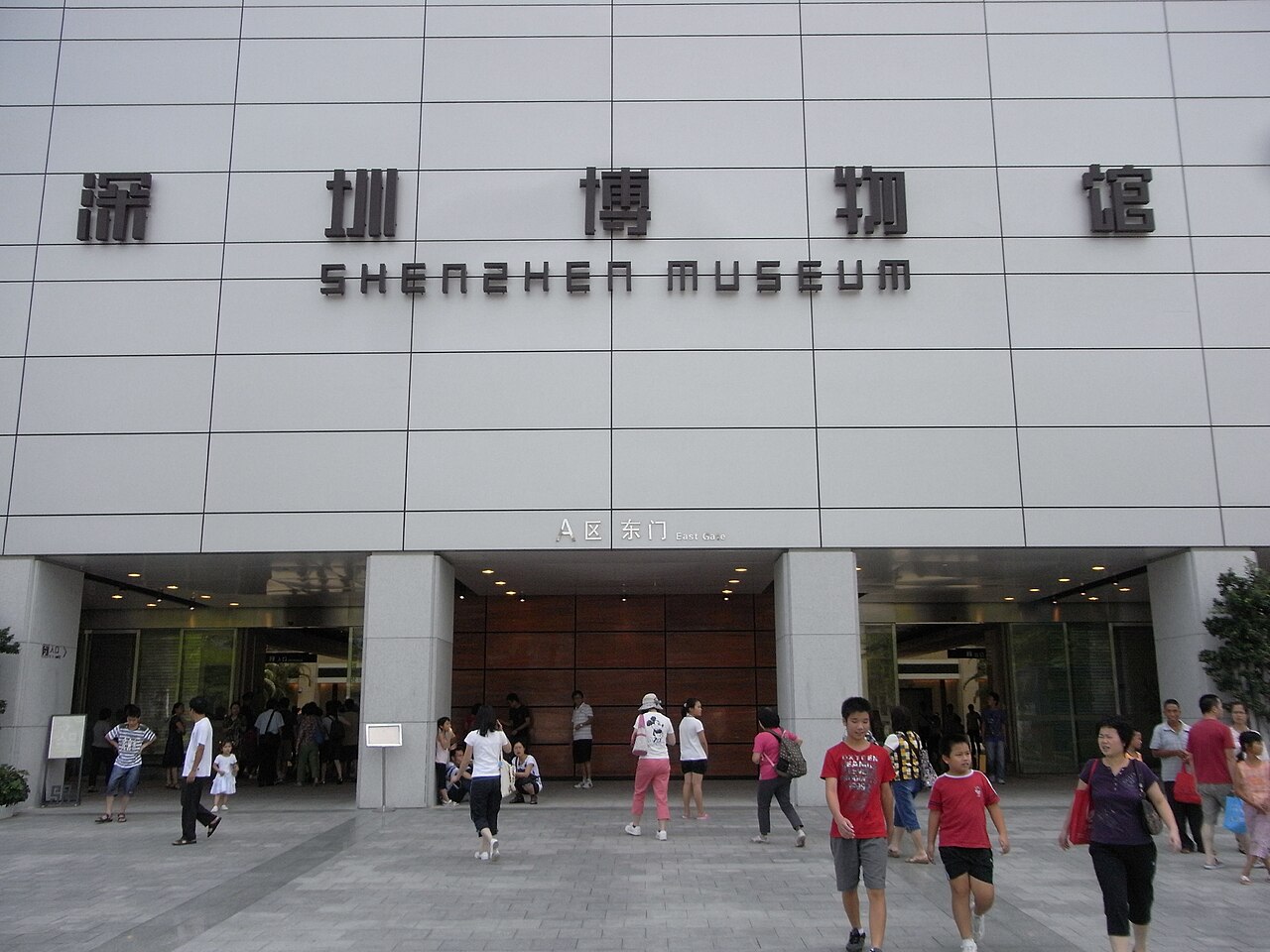
Shenzhen Museum is a municipal cultural institution in Shenzhen, Guangdong Province, known locally as 深圳博物馆. It is a useful stop for travelers who want context for the city's transformation from a small fishing settlement into a major modern metropolis. The museum places Shenzhen's urban story within the wider history and culture of southern China, offering a more grounded counterpoint to the city's towers, shopping districts, and technology campuses. Shenzhen Museum is a major municipal museum in Shenzhen, Guangdong Province, China. Its local name is 深圳博物馆. The institution serves as a key cultural venue documenting the city's transformation from a small fishing village to a modern metropolis. As a ranked visitor destination retained in breadth-first top 100 listings for Shenzhen, it holds significance for understanding regional development. The museum operates under municipal administration and contributes to the city's cultural tourism infrastructure alongside other official attractions promoted through city channels. Visitors must verify current policies directly through official channels.
Checked 2026-08-26 · Source
Displays focus on Shenzhen's history, regional culture, archaeology, folk traditions, and urban development. The special economic zone and the rapid growth associated with it are important themes, while older material helps explain the region before the modern city took shape. Move through the galleries as a chronological story: begin with local landscapes and communities, then connect those foundations with the economic and architectural changes that define contemporary Shenzhen. The museum presents exhibitions related to Shenzhen's history, regional culture, and urban development. Collections and displays typically cover archaeological findings, folk traditions, and the special economic zone's rapid growth since 1980.
Checked 2026-08-26 · Source
Allow one to two hours for a focused introduction to Shenzhen's history and urban development. Travelers who read labels carefully or take a strong interest in regional culture can stay longer, especially when temporary displays add another layer to the visit. The museum works well as a central cultural stop before continuing through nearby city streets, where the contrast between historic themes and contemporary Shenzhen becomes especially clear. Visitor duration varies considerably based on individual interest in urban history and exhibition depth. Casual visitors typically allocate one to two hours for a general overview.
Checked 2026-08-26 · Source
A morning visit gives you time to read the galleries without rushing and leaves the rest of the day open for Shenzhen's other districts. Indoor galleries also provide a comfortable pause during the city's hot, humid, or rainy periods. Weekdays generally suit travelers seeking a quieter museum experience, while weekends and public holidays can bring more visitors. Build the museum into a broader cultural day rather than treating it as a brief photo stop.
Checked 2026-08-26 · Source
Plan the museum as a cultural experience rather than a shopping or entertainment attraction. The visit is centered on historical and regional displays, so the main value comes from the galleries and the connections they make between older Shenzhen and the modern city. Keep identification with you when visiting public institutions in China, and follow the entry arrangements presented at the venue. Any special exhibition may have its own arrangements.
Checked 2026-08-26 · Source
The museum is in Shenzhen's central urban area, so it fits naturally into a day based around the city's metro, bus, taxi, or ride-hailing network. Use the Chinese name 深圳博物馆 when showing the destination to a driver or when searching in a local map application. Once in the central districts, combine the museum with nearby cultural or civic places to reduce unnecessary cross-city travel and make better use of the city's extensive transport system.
Checked 2026-08-26 · Source
Museum visits involve indoor walking, standing, and reading, so comfortable shoes make the galleries easier to enjoy. Keep personal belongings secure in busy areas and follow screening procedures at the entrance. Shenzhen's humidity and sudden rain are easier to manage when you carry water and a light rain layer for the journey between transport stops and the museum. Give yourself enough time to read rather than moving through every display quickly.
Checked 2026-08-26 · Source
The museum's strongest visual material is the relationship between historical objects, regional cultural displays, and the story of Shenzhen's urban change. Photograph only where gallery signs and staff allow it, and avoid flash or equipment that obstructs other visitors. Exterior images can complement the indoor visit by showing the museum within the surrounding city. A quiet, detail-focused approach works better here than treating the museum as a single landmark photograph.
Checked 2026-08-26 · Source
The museum connects Shenzhen's regional culture and earlier history with the city's rapid development as a modern metropolis.
Allow one to two hours for a focused visit, with extra time if you read the displays closely or explore temporary exhibitions.
Shenzhen Museum is written as 深圳博物馆, which is useful when searching local maps or communicating with a driver.
It explains the historical and cultural background behind the modern city, giving greater meaning to Shenzhen's contemporary skyline and urban districts.
Yes. Its galleries provide an indoor cultural activity during Shenzhen's humid or rainy weather, while the surrounding city can be explored separately.
Place it within a central cultural day and continue to nearby civic, historical, or urban attractions rather than crossing the city repeatedly.
Loading the interactive map…
The interactive map could not be loaded.
Last updated:
Source: OpenStreetMap contributors, Wikidata ·