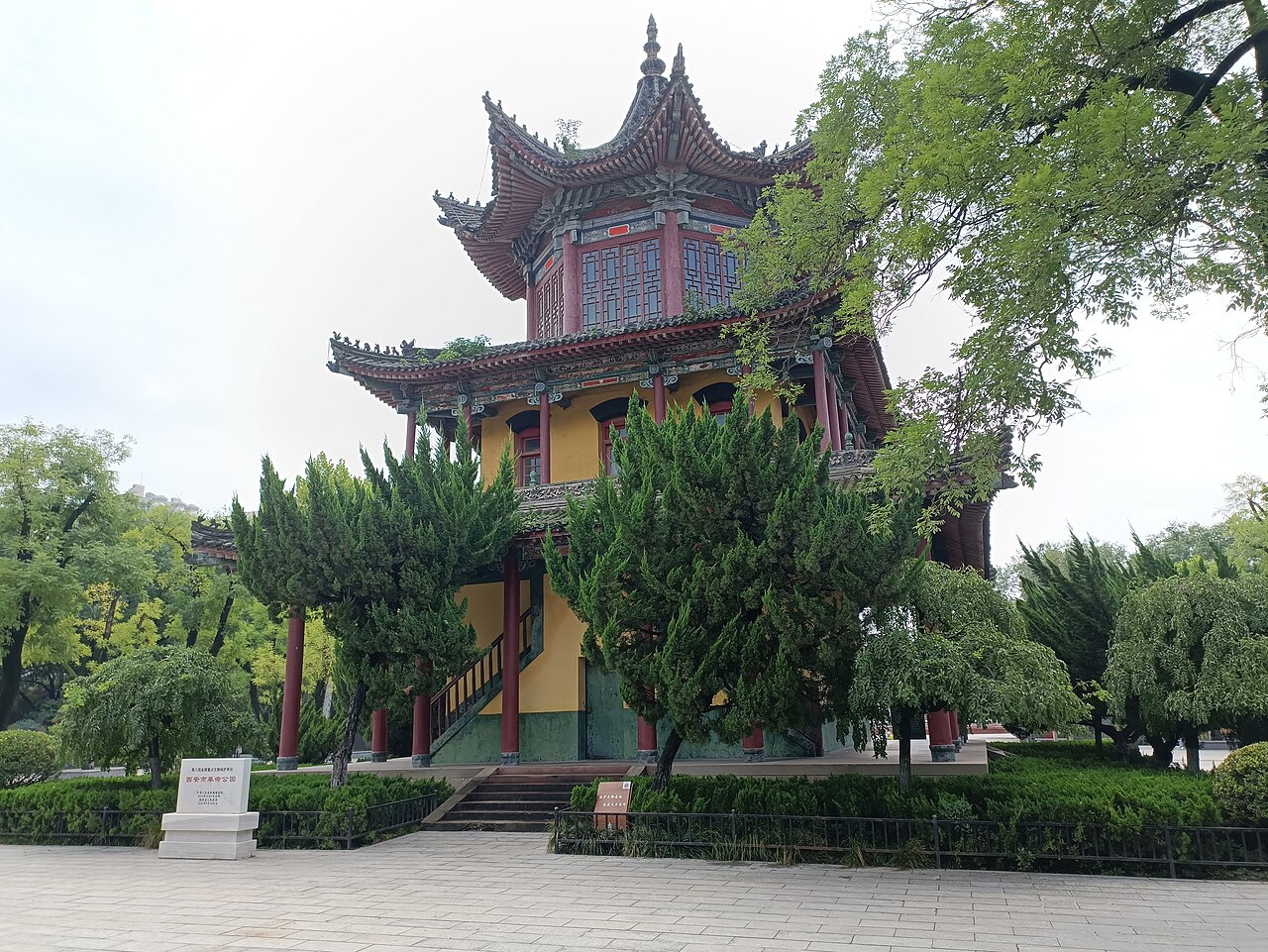
12 min walk
Revolution Park
- Must see
- Nature site
Language · 11 published
Museum · Xi'an
西安事变纪念馆
Reviewed by Elena Voss · Roavina Travel Editor
This place is a Museum.
Xi'an Incident Memorial Hall commemorates the 1936 Xi'an Incident, a turning point in modern Chinese history. Nationalist general Zhang Xueliang detained Chiang Kai-shek and pressed for cooperation with the Communists against Japanese invasion. The memorial places this political crisis within the broader story of Republican-era China. Visitors come for a focused historical experience rather than a broad art collection. The site is especially rewarding for travelers who want to understand why Xi'an matters beyond its ancient walls, imperial heritage, and archaeological landmarks. Allow time to read the narrative carefully and connect the events to the city's twentieth-century political history.
Checked 2026-08-26 · Source
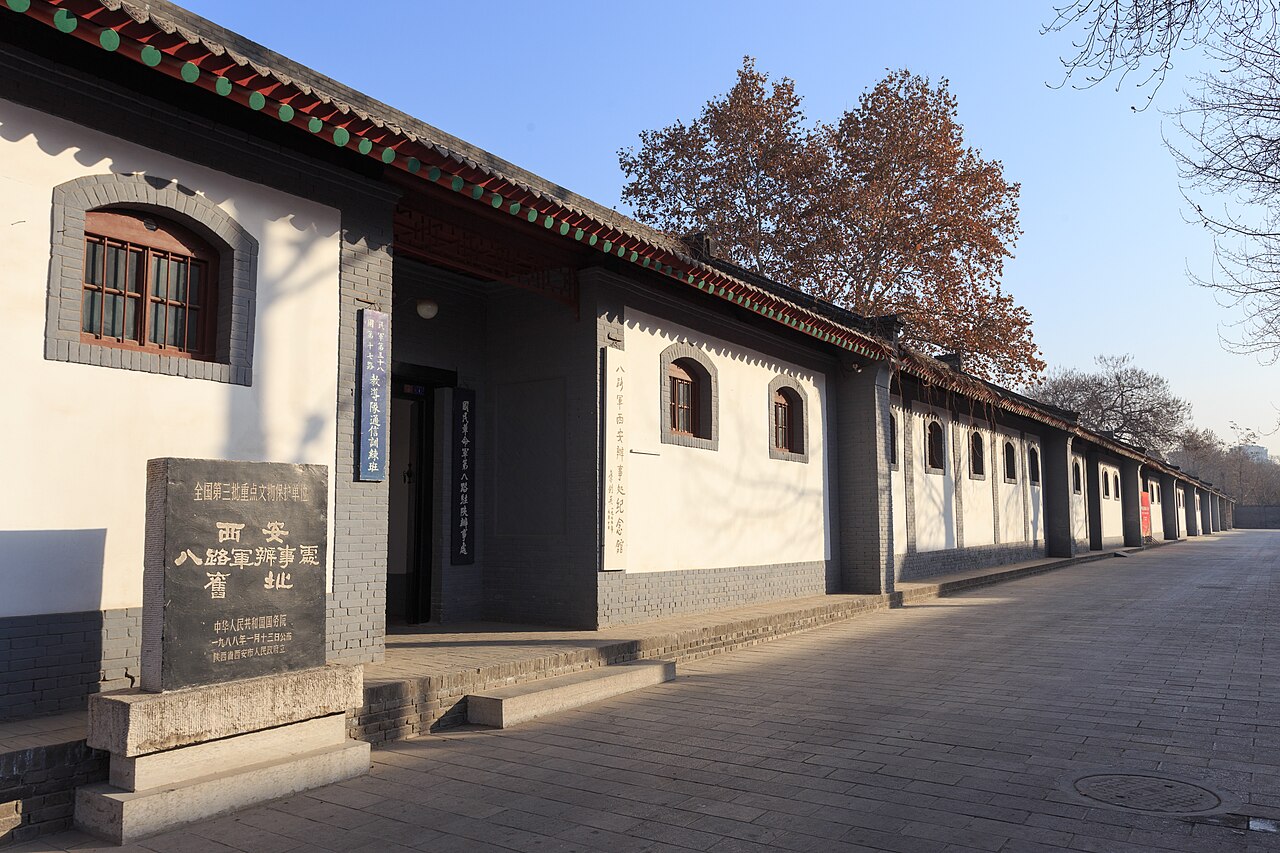
The memorial presents historical material connected with the Xi'an Incident and its principal figures. Expect exhibition spaces containing documents, photographs, artifacts, and explanatory displays about the detention, negotiations, and political consequences of the event. Preserved or reconstructed rooms connected with the historical premises help give the story a physical setting. The visit is primarily interpretive: the value lies in following the sequence of events and understanding the choices made by the people involved. Read the displays in order if you want the clearest account of how a local confrontation became a national political crisis.
Checked 2026-08-26 · Source
Plan around ninety minutes for a comfortable visit. That gives enough time to move through the principal displays, study photographs and documents, and pause at the rooms or structures associated with the incident. Travelers with a strong interest in modern Chinese history may want longer, particularly when reading detailed captions or comparing the roles of Zhang Xueliang and Chiang Kai-shek. Visitors making a shorter cultural stop can cover the main story more quickly. Pairing the memorial with nearby historic streets or other central Xi'an sights creates a balanced day with both outdoor and indoor experiences.
Checked 2026-08-26 · Source
Spring and autumn are comfortable seasons for combining the memorial with walking through central Xi'an. Summer can be hot and busy, while winter brings colder, drier conditions during any outdoor walking between stops. The displays make the memorial suitable for a history-focused break during a day of sightseeing. Morning visits can leave the afternoon open for other attractions, while a later visit works well when you want a quieter change of pace after outdoor exploration. Build the stop into a flexible central itinerary so the reading time can match your interest rather than forcing a rushed circuit.
Checked 2026-08-26 · Source
Treat this as a history memorial with an exhibition-led visit. Carry identification with you when visiting Chinese cultural institutions, since visitor procedures can involve identity checks. The practical value of the stop comes from the historical premises and interpretation, not from a large leisure complex or commercial attraction. Keep enough time in your itinerary for reading rather than planning the visit as a quick photo stop. If you are traveling with companions, agree beforehand whether everyone wants a detailed political-history visit, because the experience rewards attention to documents and explanatory panels.
Checked 2026-08-26 · Source
The memorial lies within Xi'an's urban area and fits naturally into a central-city sightseeing route. Use the OpenStreetMap location as the destination reference when planning the final approach. Public transport, taxis, and ride-hailing services are practical ways to reach the surrounding district; the last part of the journey may require walking through city streets. Showing the Chinese name, 西安事变纪念馆, can help with navigation and driver communication. Allow extra time during busy traffic periods, especially when moving between several historic attractions in one day.
Checked 2026-08-26 · Source
The subject is politically significant, so a quiet and respectful manner suits the setting. Read the exhibition sequence before drawing conclusions from individual photographs or objects. Crowds may make narrow rooms and display areas feel slower during major holiday periods. Xi'an's summer heat and occasional poor air quality can make an outdoor walking route tiring, so place the memorial between sheltered or indoor stops when useful. Keep personal belongings secure in crowded streets and follow any instructions inside the exhibition spaces. The experience is strongest when treated as a commemorative historical site rather than an entertainment venue.
Checked 2026-08-26 · Source
The associated historic premises and exhibition design provide more meaningful subjects than quick souvenir images. Photograph architectural details only where visitor rules permit, and keep the atmosphere of commemorative rooms in mind. Documents, portraits, and displays may need to be viewed directly so that other visitors can read them without obstruction. Avoid flash, tripods, or intrusive compositions whenever signage or staff directions restrict them. Outside, frame the site with the surrounding Xi'an streets to show how a politically important place sits within the modern city. A short visual record is enough; the memorial's main reward is historical understanding.
Checked 2026-08-26 · Source
It commemorates the 1936 Xi'an Incident, when Zhang Xueliang detained Chiang Kai-shek and pressed for cooperation against Japanese invasion.
The memorial focuses on Zhang Xueliang and Chiang Kai-shek, whose confrontation shaped the political story presented at the site.
Expect an exhibition-led historical visit with documents, photographs, artifacts, explanatory displays, and premises associated with the incident.
Around ninety minutes suits a thoughtful visit, with extra time useful for detailed reading and historical discussion.
It adds twentieth-century political history to an itinerary otherwise often dominated by ancient walls, dynastic heritage, and archaeology.
Keep the Chinese name 西安事变纪念馆 available for maps, taxi drivers, and ride-hailing destinations.
Loading the interactive map…
The interactive map could not be loaded.
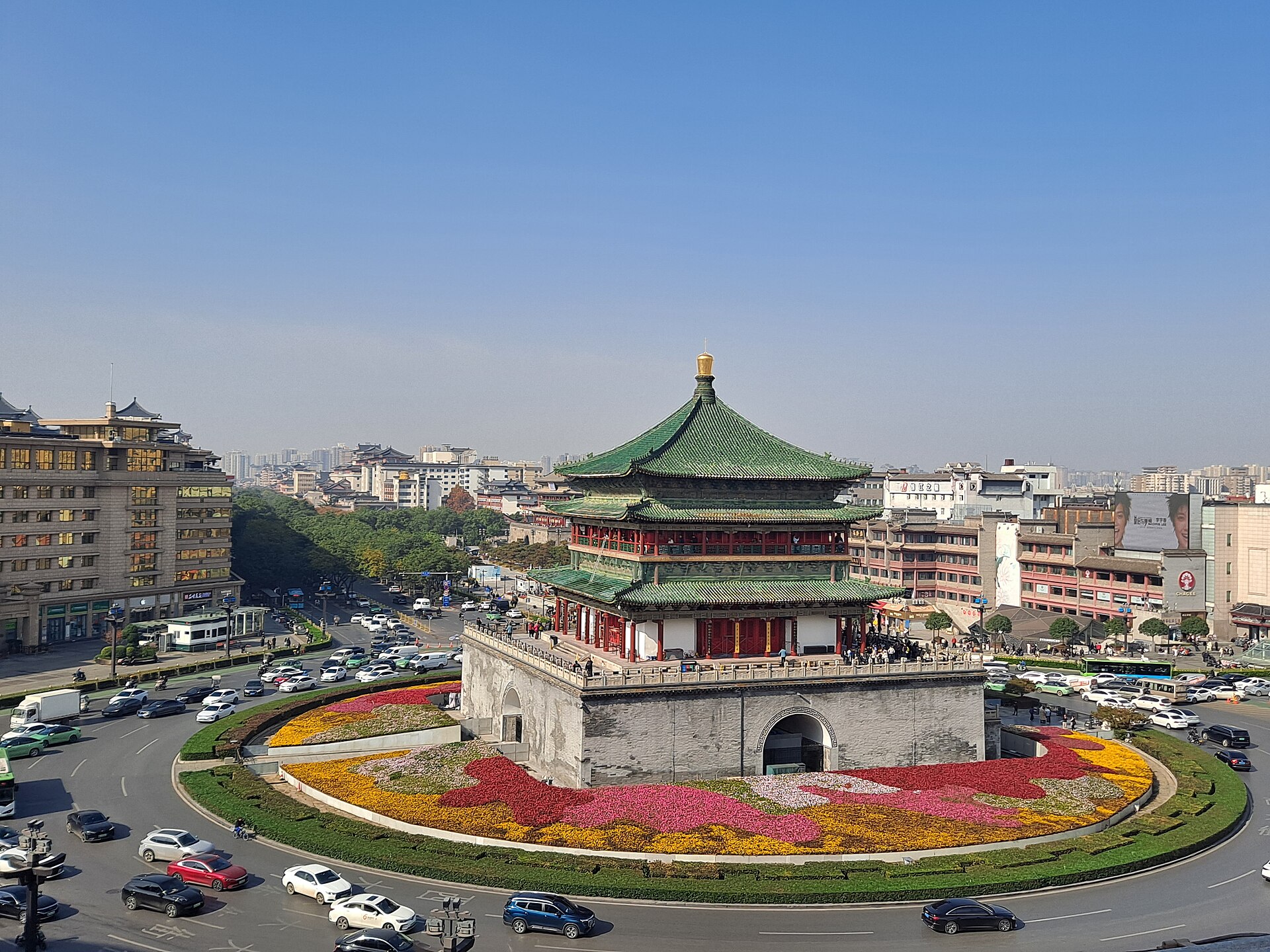
Last updated:
Source: OpenStreetMap contributors, Wikidata ·