01
1 hr 30 min
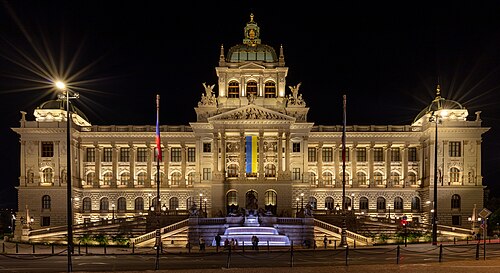
National Museum
Národní muzeum
The National Museum in Prague, known locally as Národní muzeum, stands as the Czech Republic's preeminent museum institution.
- Must see
- Museum
City guide · Czechia
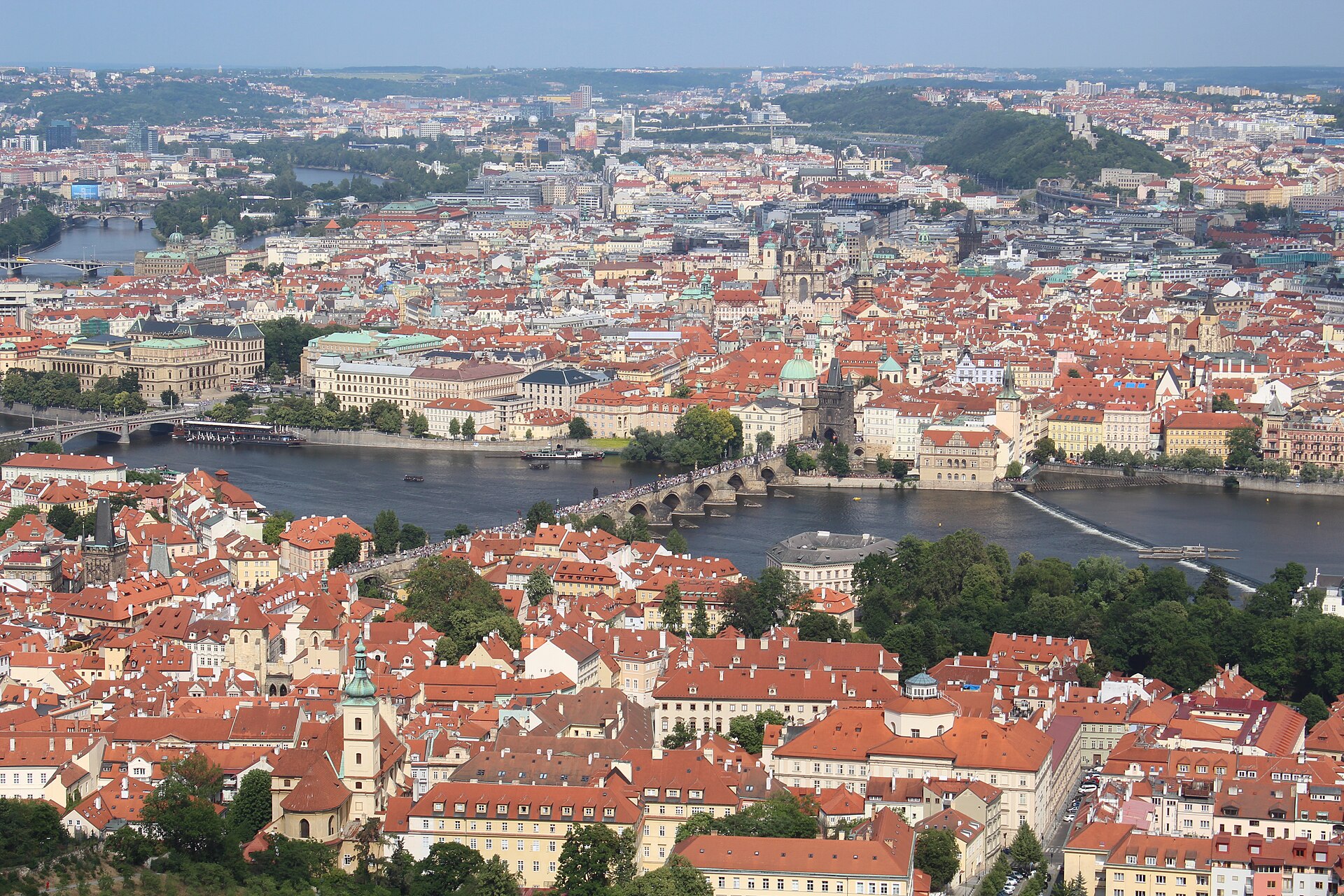
Prague is Czechia's capital, built on both banks of the Vltava. Its historic visitor core links Old Town and New Town on the east bank with Malá Strana and Prag...
Photograph · Deror_avi · CC BY-SA 4.0
Set your days, your pace and the hours you actually want to be out. The planner works around closing days and travel time, and leaves room to eat.
Editorial responsibility: Elena Voss · Roavina Travel Editor
Prague is Czechia's capital, built on both banks of the Vltava. Its historic visitor core links Old Town and New Town on the east bank with Malá Strana and Prague Castle on the west through a sequence of squares, bridges and steep streets. The preserved centre carries medieval, Renaissance, Baroque and later architecture in close succession, while districts such as Holešovice, Karlín and Žižkov reveal the industrial and residential city beyond the postcard core. Most first visits combine walking in the centre with public transport to outer districts.
Checked 2026-08-26
November · November averages 7.2°C by day and 2.1°C at night in Prague, making cold the material trade-off.
Ranked by importance — sitelinks, pageviews and heritage status, not editor preference.
11 places match
Category
Typical visit duration
Good for
Interests
Národní muzeum
The National Museum in Prague, known locally as Národní muzeum, stands as the Czech Republic's preeminent museum institution.
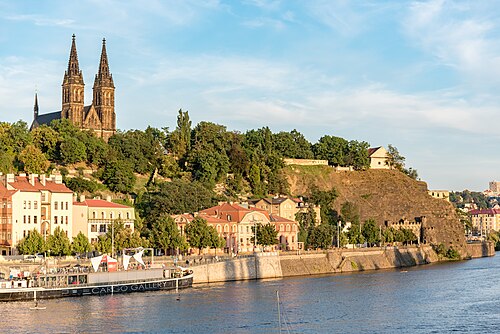
Vyšehrad is a walled hilltop above the right bank of the Vltava, about three kilometres upstream of Charles Bridge, and it is the one major Prague sight that costs nothing to enter.
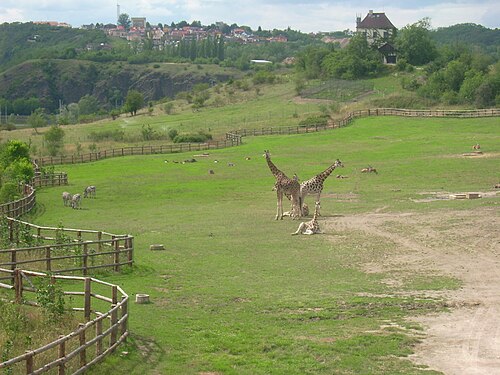
Zoo Praha
Prague Zoo, known locally as Zoo Praha, is a zoological garden in the Czech capital. It sits in the Troja district on the banks of the Vltava River, within the city's administrative boundaries.
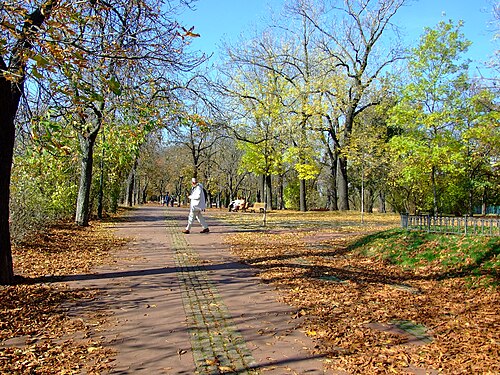
Letenské sady
Letná Park is a prominent hillside public park in Prague, Czech Republic, occupying elevated terrain above the Vltava River north of the city centre. The local name is Letenské sady.
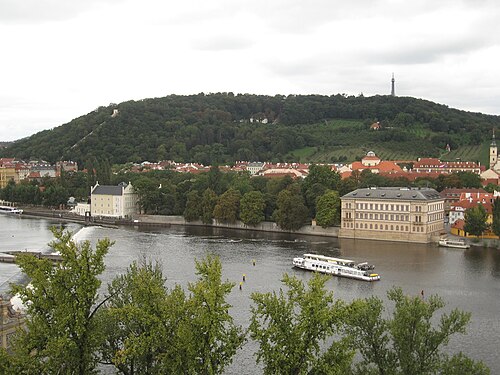
Petřín is a prominent hill in the centre of Prague, rising above the left bank of the Vltava River in the Malá Strana district. It reaches approximately 327 metres above sea level and offers extensive views across the Czech capital.
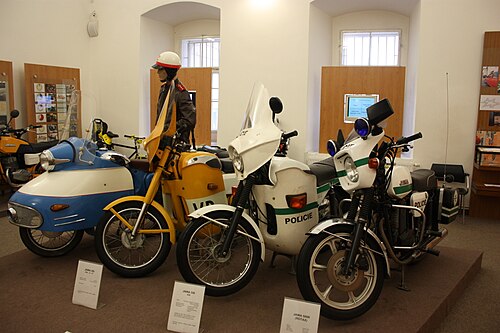
Muzeum Policie ČR
The Czech Police Museum, known locally as Muzeum Policie ČR, is a museum in Prague devoted to the history and development of law enforcement in the Czech Republic.
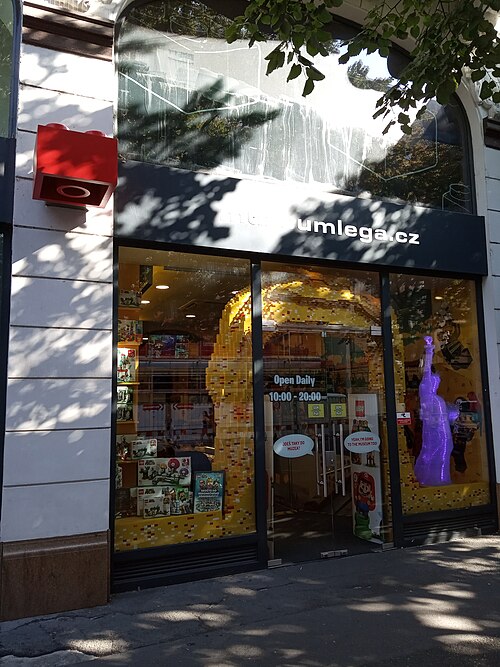
Museum of Bricks Praha
Museum of Bricks is a privately run model and brick collection on Národní Street in central Prague. Its Prague branch is the largest of the operator's five locations and is designed around both finished displays and building.
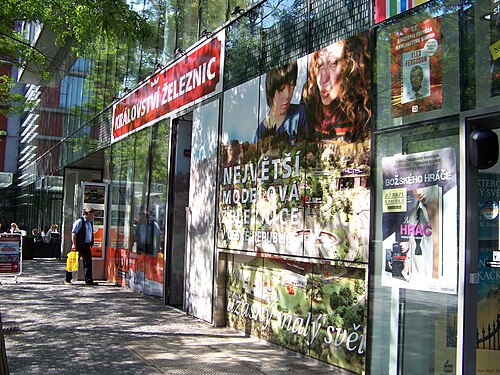
Království železnic
Království železnic is a railway-themed attraction in Prague, Czech Republic. Its name means Kingdom of Railways in English.

Královská obora
Stromovka, locally known as Královská obora, is a historic royal game reserve and park in Prague. Originally established as a fenced hunting ground for Czech monarchs, it evolved into a public green space.
Aquapalace Prague is the largest water park in the Czech Republic, in Čestlice about 100 metres beyond the Prague city limits. Opened on 5 May 2008, it has connected indoor and outdoor areas.
The Vltava and the ridge below Prague Castle organise the centre. Old Town Square, the Jewish Quarter and Wenceslas Square sit east of the river; Charles Bridge crosses to Malá Strana, where streets climb toward the castle. New Town wraps around the medieval core rather than forming a separate modern centre. Beyond it, Holešovice lies north, Karlín northeast and Žižkov east of the central station. These outer districts are best treated as individual routes, while Old Town, Charles Bridge and Malá Strana can be joined on foot if steep sections are manageable.
Checked 2026-08-26
Walk through the historic centre and use Prague Integrated Transport for longer or steeper journeys. Metro, trams, buses, trains and ferries operate within the integrated system; the three colour-coded metro lines form its backbone and trams are especially useful across the central districts. Ticket validity is time-based and transfers are allowed within the ticket period. Paper tickets that require validation must be stamped once at the start, not again during transfers. Consult PID or Prague City Tourism for current fares, disruptions and accessibility details.
Checked 2026-08-26
Suggested stay for a first visit: 3–4 days. Divide the visit between Old Town and New Town, the west-bank castle and Malá Strana, then an outer district such as Holešovice, Karlín or Žižkov.
Prague Castle and Malá Strana are on the west bank of the Vltava. Old Town, the Jewish Quarter, New Town and the main railway station are on the east side.
Use the metro for longer cross-city links and trams for many central and hillside routes. Walking remains the best way to connect sights inside the historic core.
Ticket validity is based on time rather than the number of transfers. A paper ticket that requires validation is stamped once at the beginning and not stamped again when changing services.
No. Old Town is comparatively level, but routes through Malá Strana toward Prague Castle climb. Use a tram when steep streets or mobility constraints make the full walk unsuitable.