
07
1 hour
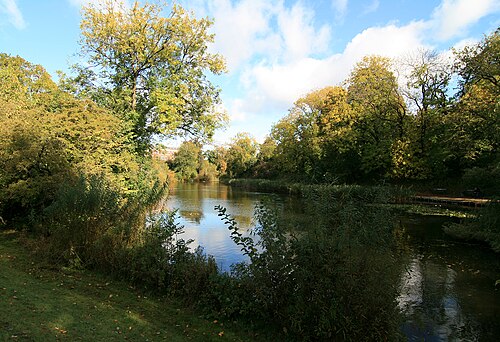
Østre Anlæg
Østre Anlæg is a public park in Copenhagen developed on part of the city’s former fortification ring.
- Must see
- Nature site
City guide · Denmark
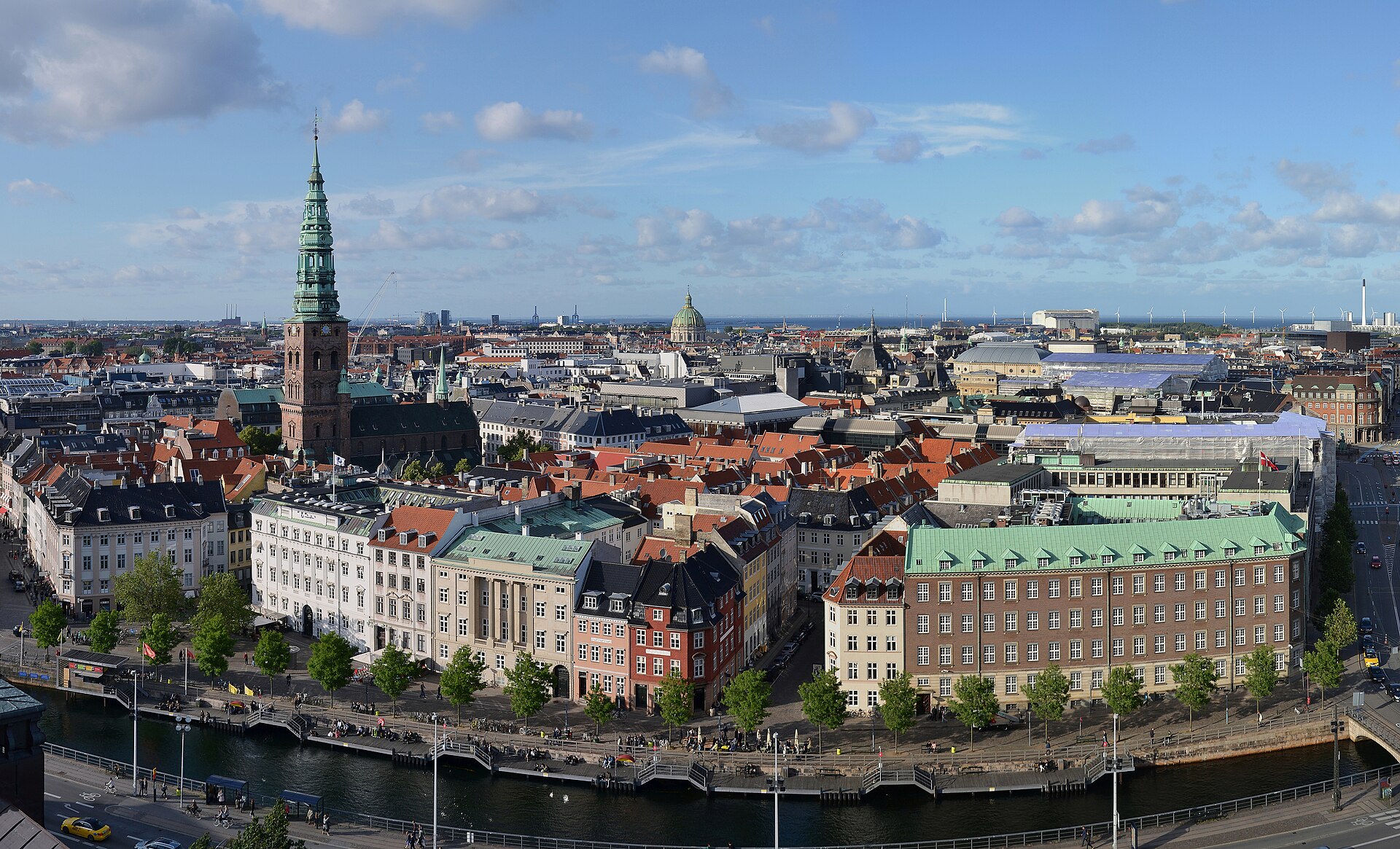
Copenhagen's compact centre sits around Indre By, with the harbour separating it from Christianshavn and Amager. Frederiksberg lies west as a separate municipal...
Photograph · Pudelek · CC BY-SA 4.0
Set your days, your pace and the hours you actually want to be out. The planner works around closing days and travel time, and leaves room to eat.
Reviewed by Elena Voss · Roavina Travel Editor
Copenhagen's compact centre sits around Indre By, with the harbour separating it from Christianshavn and Amager. Frederiksberg lies west as a separate municipality inside the urban fabric, while Norrebro and Osterbro extend north of the centre. Major visitor areas are connected by metro, trains, buses and cycle routes, and most central clusters remain practical to explore on foot.
Checked 2026-08-26
September · September remains mild in Copenhagen at a 17.0°C mean high, though about fourteen rain days require flexible plans.
Ranked by importance — sitelinks, pageviews and heritage status, not editor preference.
14 places match
Category
Typical visit duration
Interests
Østre Anlæg is a public park in Copenhagen developed on part of the city’s former fortification ring.
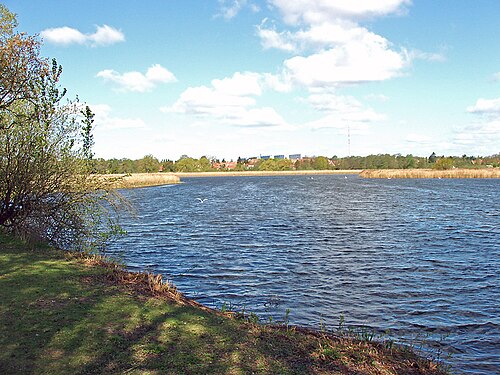
Utterslev Mose is a large wetland and nature area located in the northern part of Copenhagen, Denmark. It represents one of the significant green spaces within the urban environment of the Danish capital.
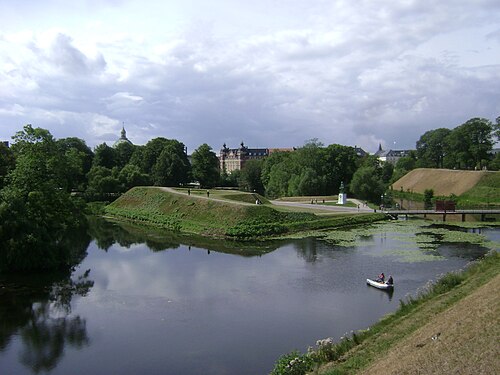
Churchillparken is a public park in Copenhagen, Denmark, situated in the Østerbro district near Kastellet and the Little Mermaid statue. The park is named after Sir Winston Churchill, the former British Prime Minister.
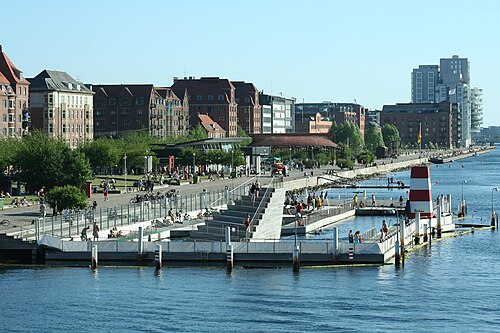
Havneparken is a public waterfront park in Copenhagen, set beside the city’s harbour. The park belongs to the everyday recreational landscape of the capital, offering open space and a place to pause beside the water.
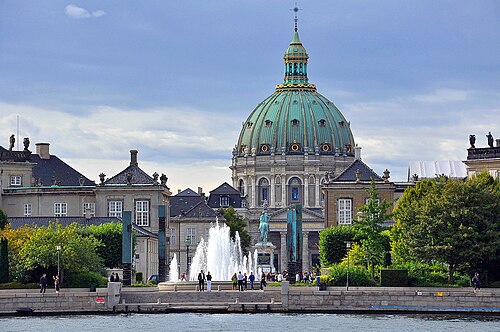
Amaliehaven is a formal public garden on Copenhagen’s waterfront beside the Amalienborg Palace complex.
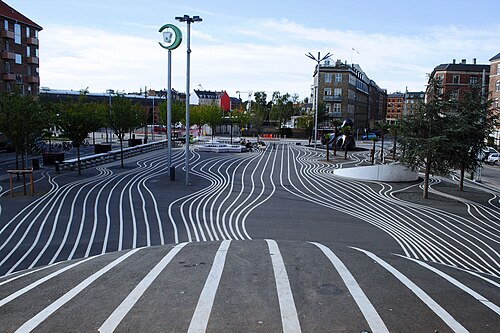
Superkilen is a public urban park in Copenhagen's Nørrebro district, created by Superflex with Bjarke Ingels Group and Topotek1. Opened in 2012, the linear park extends for about one kilometre through a neighbourhood known for its ethnic diversity.
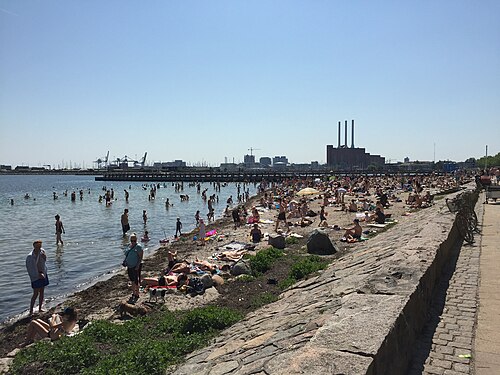
Svanemølle Strand
Svanemølle Beach, locally known as Svanemølle Strand, is a coastal bathing area in Copenhagen. The beach gives visitors access to the Øresund for swimming and seaside leisure within the capital.
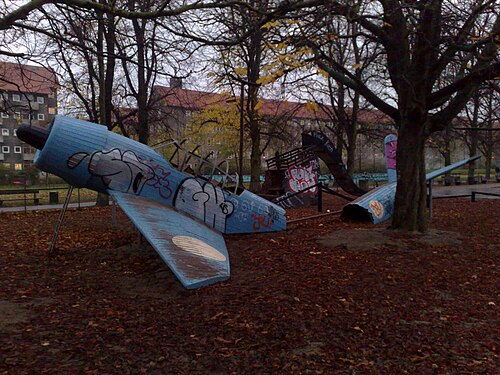
Nørrebroparken is a public green space in Copenhagen’s Nørrebro district. The park brings open ground and everyday outdoor life into a densely built neighbourhood, making it useful for a relaxed break between cafés, shops, and city walks.
Indre By contains the historic centre, main shopping streets, palace district and inner harbour. Christianshavn sits across the water, Vesterbro lies west of Central Station, and Norrebro and Osterbro extend north. Frederiksberg forms a green western district with its own centre. The harbour is both a boundary and a transport corridor, so combine waterfront sights by side before crossing repeatedly.
Checked 2026-08-26
Walk or cycle for short central journeys and use metro, trains and buses for longer trips. Visit Copenhagen states that the metro operates throughout the day and night and connects the centre with major neighbourhoods and the airport. Harbour buses are part of public transport and serve waterfront journeys. Buy the correct ticket before boarding and use the journey planner for zone-dependent trips.
Checked 2026-08-26
A fixed duration is not recorded. Plan by cluster: Indre By, Christianshavn and the harbour, then Vesterbro, Norrebro, Osterbro or Frederiksberg according to interest.
Yes. Indre By and the inner harbour are compact enough for walking. Cycling and public transport are useful when moving between outer neighbourhoods or across the wider city.
Yes. Visit Copenhagen states that the metro operates throughout the day and night, connecting the centre with major neighbourhoods and Copenhagen Airport.
Yes. Harbour buses use the public transport system and provide a practical waterfront connection as well as a view of the city from the water.
Metro and regional trains both connect the airport with the city. The better choice depends on the destination neighbourhood, so check the official journey planner before departure.