

.jpg)
.jpg)
.jpg)
.jpg)
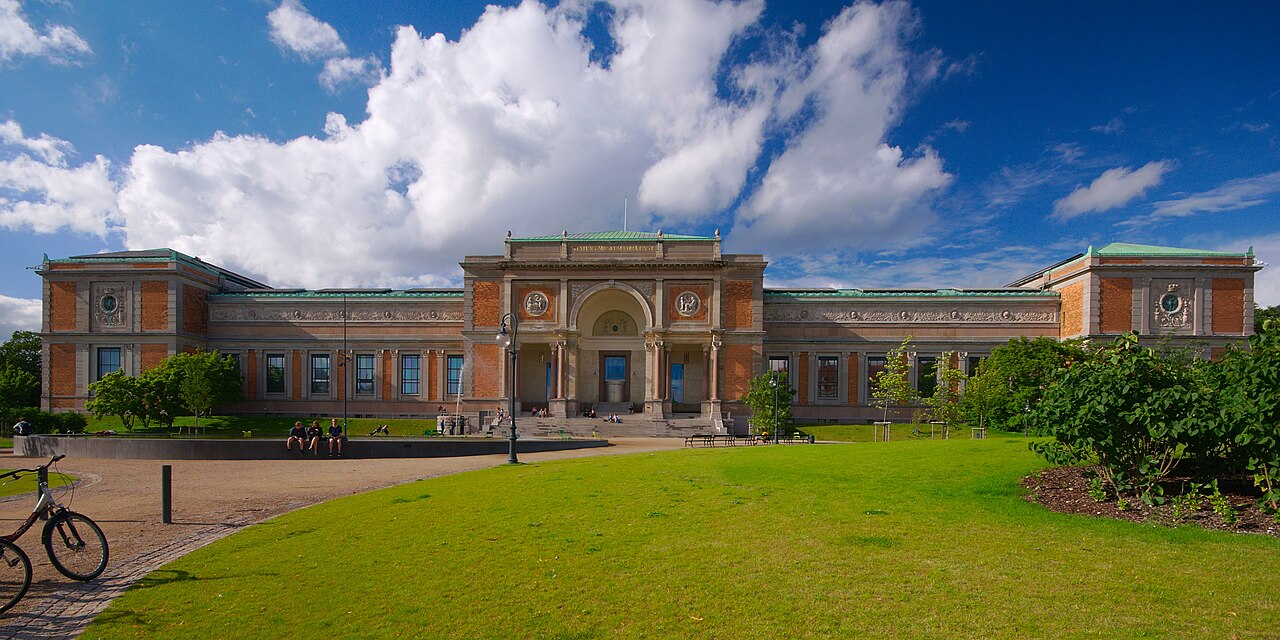
3 min walk
Statens Museum for Kunst
- Must see
- Museum
Language · 11 published
Nature site · Copenhagen
Reviewed by Elena Voss · Roavina Travel Editor
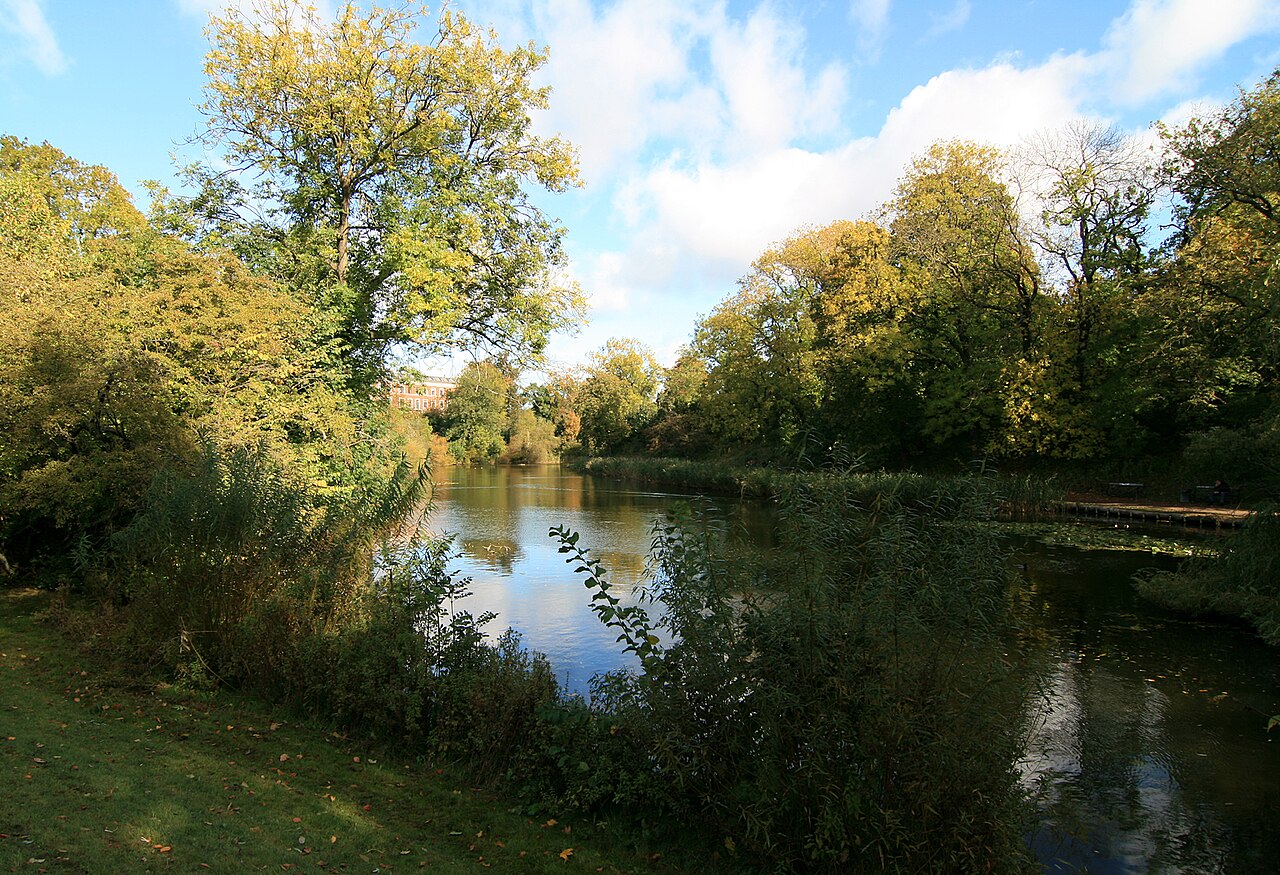
This place is a Park. It was established in 1870.
Østre Anlæg is a public park in Copenhagen developed on part of the city’s former fortification ring. The landscaped green space sits beside the Statens Museum for Kunst and brings lawns, trees, paths, and traces of defensive earthworks into the urban centre. It is a useful pause between museums and central neighbourhoods, offering open air, greenery, and a slower walking rhythm. Østre Anlæg is a public park in Copenhagen, Denmark, forming part of the city's historic fortification ring. The green space lies adjacent to the Statens Museum for Kunst and connects to other parkland along the former ramparts. As one of Copenhagen's municipal parks, it serves residents and visitors seeking open green space within the urban core. The area reflects 19th-century landscape planning that transformed military earthworks into recreational grounds for public benefit.
Checked 2026-08-26 · Source
The park contains lawns, mature plantings, walking paths, benches, and outdoor spaces for quiet recreation. Sculptural elements and the adjacent national gallery add cultural interest, while the former ramparts give parts of the landscape a gently raised and irregular character. There is no single indoor exhibit to complete; the experience comes from moving through the park and noticing how military land became public landscape. The park contains lawns, tree plantings, and pathways typical of Copenhagen's park system. Sculpture installations appear within the grounds, consistent with Danish traditions of integrating art into public spaces. The proximity to the national gallery suggests cultural programming potential. Seasonal vegetation changes character throughout the year. Benches and informal gathering spots accommodate leisure use. The terrain preserves traces of its former defensive purpose while functioning as contemporary urban parkland without commercial attractions or built entertainment facilities. A flexible visit lets travellers connect Østre Anlæg with the rest of the day without treating one room, viewpoint or photograph as the whole experience. The useful pace depends on personal interest and conditions on arrival.
Checked 2026-08-26 · Source

Allow fifteen to twenty minutes for a direct walk through Østre Anlæg. Spend one to two hours if you want to sit, read, picnic, or connect the park with the surrounding green corridors. The park is easy to scale to the rest of your day: use it as a short passage between attractions or as a longer outdoor break after museum time. Casual traversal requires approximately fifteen to twenty minutes at walking pace. Extended visits for picnicking, reading, or passive recreation may extend to one or two hours depending on individual preference.
Checked 2026-08-26 · Source
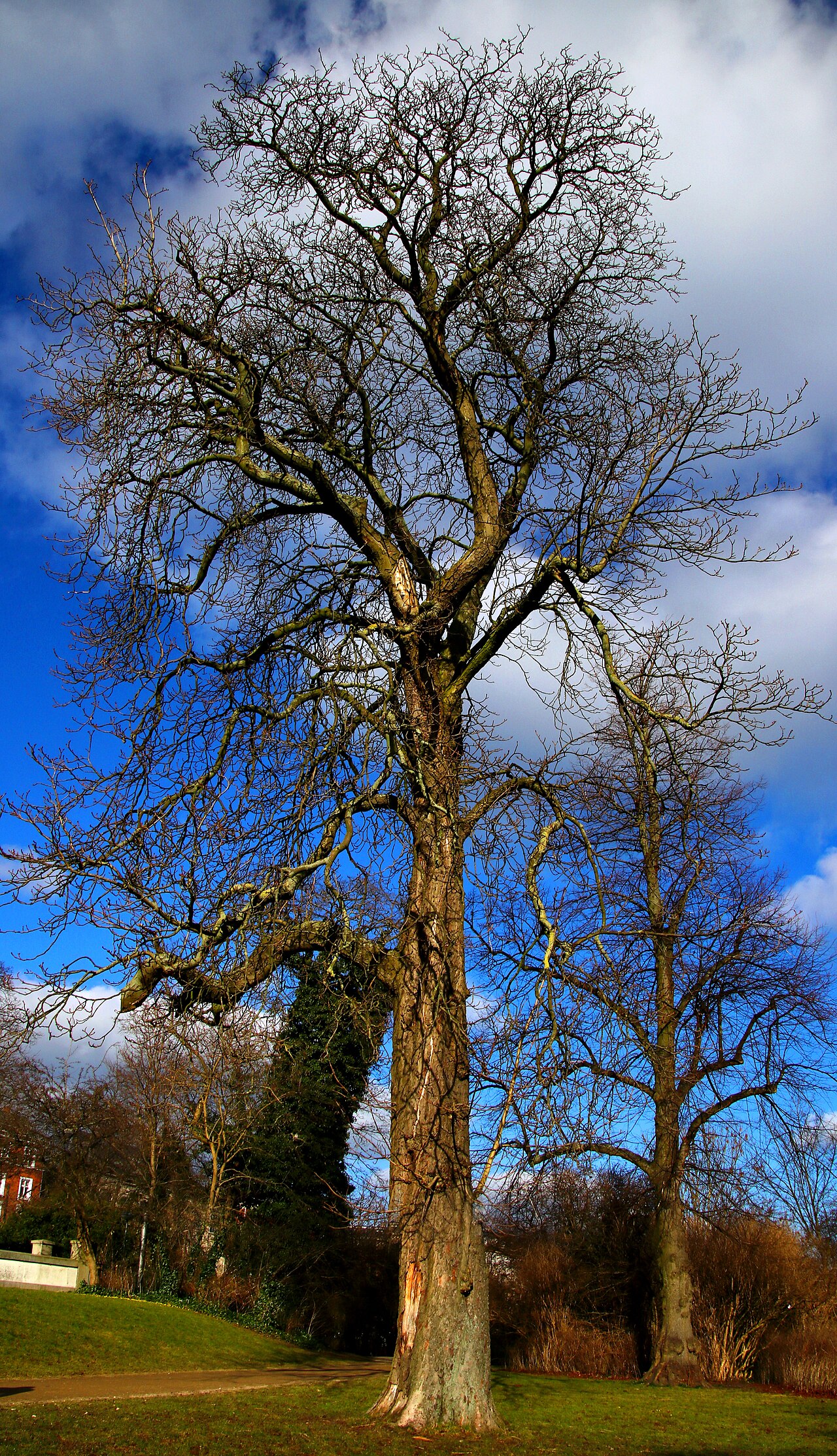
Visit during daylight for the clearest views of the lawns, paths, sculptures, and preserved earthworks. Spring brings fresh growth, while autumn gives the park stronger foliage colour. Copenhagen’s winter daylight is brief, so plan outdoor time earlier in the day then. Rain and wind can reduce comfort, but the park remains a practical green interlude whenever your route passes nearby.
Checked 2026-08-26 · Source
Østre Anlæg is a public urban park, so a normal walk through the grounds is a free outdoor activity. There is no museum-style visit to organize inside the park itself. Personal spending may come from food, drinks, or transport arranged elsewhere in the city. Its free, flexible character makes it easy to add before or after the nearby Statens Museum for Kunst.
Checked 2026-08-26 · Source
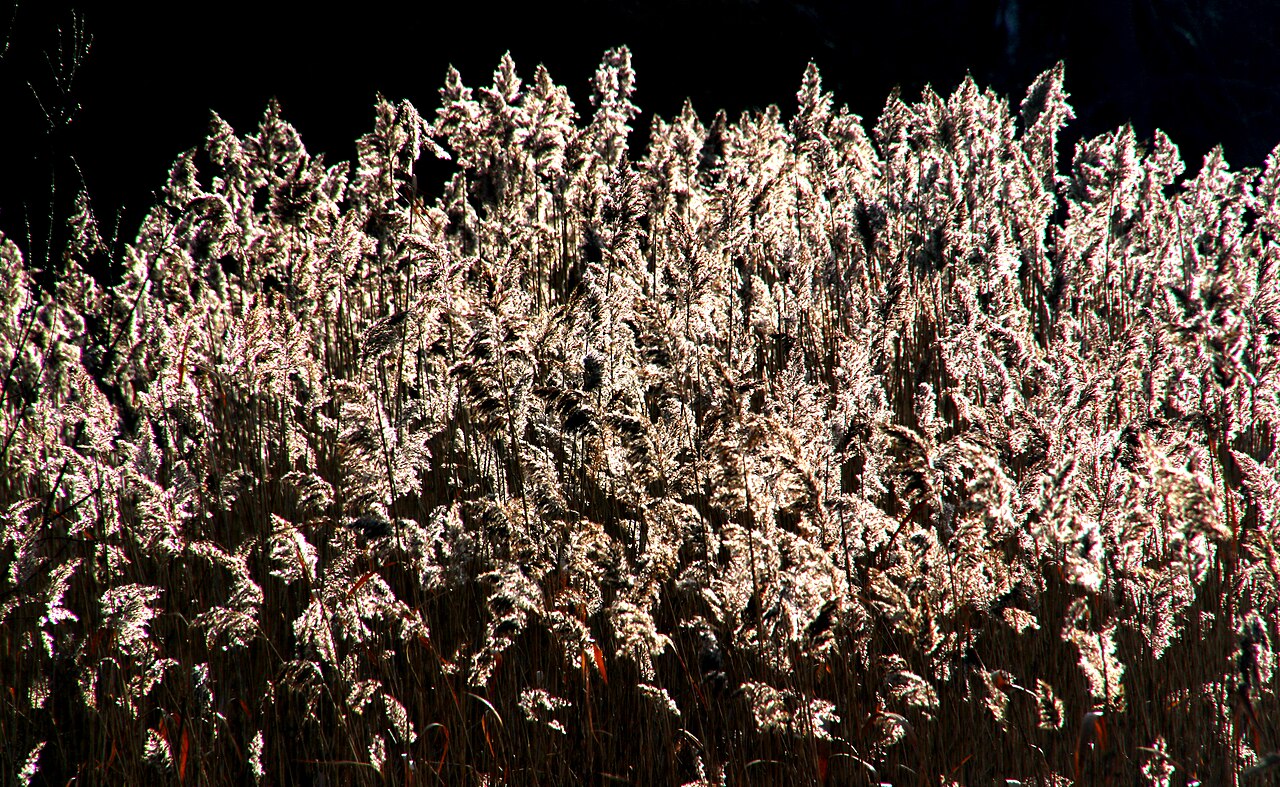
The park lies in central Copenhagen beside the Statens Museum for Kunst and within reach of Nørreport. Walking is particularly convenient when linking it with museums and the historic centre. Cycling and public transport also suit the location. Entering from a nearby city street, follow the paths through the former rampart landscape and use the park as a scenic connection rather than a destination requiring elaborate logistics.
Checked 2026-08-26 · Source
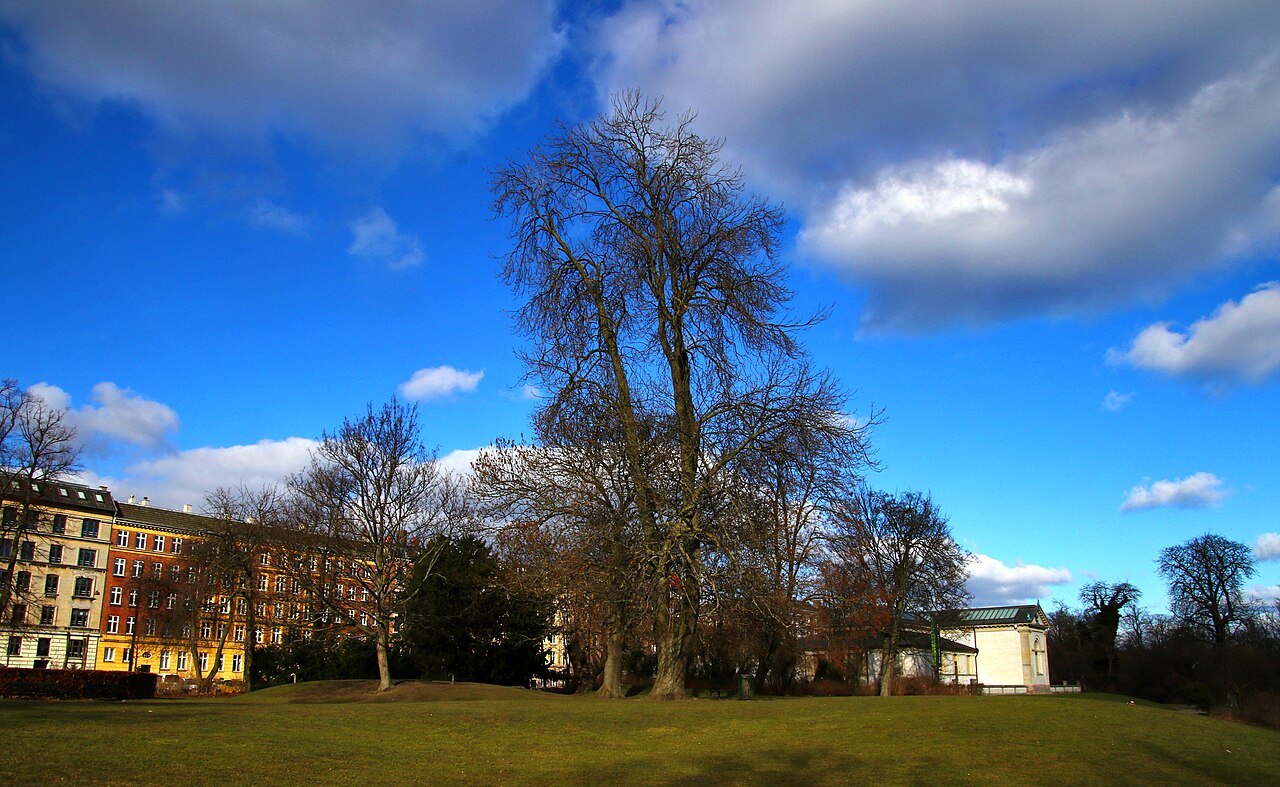
Paths cross an uneven landscape shaped by former fortifications, so watch your footing where the ground rises or changes surface. Cyclists and pedestrians share parts of the park, requiring attention at crossings. Weather affects the experience because much of the area is open. In darker seasons, plan outdoor walking with visibility in mind and keep valuables close as you would elsewhere in a busy city.
Checked 2026-08-26 · Source
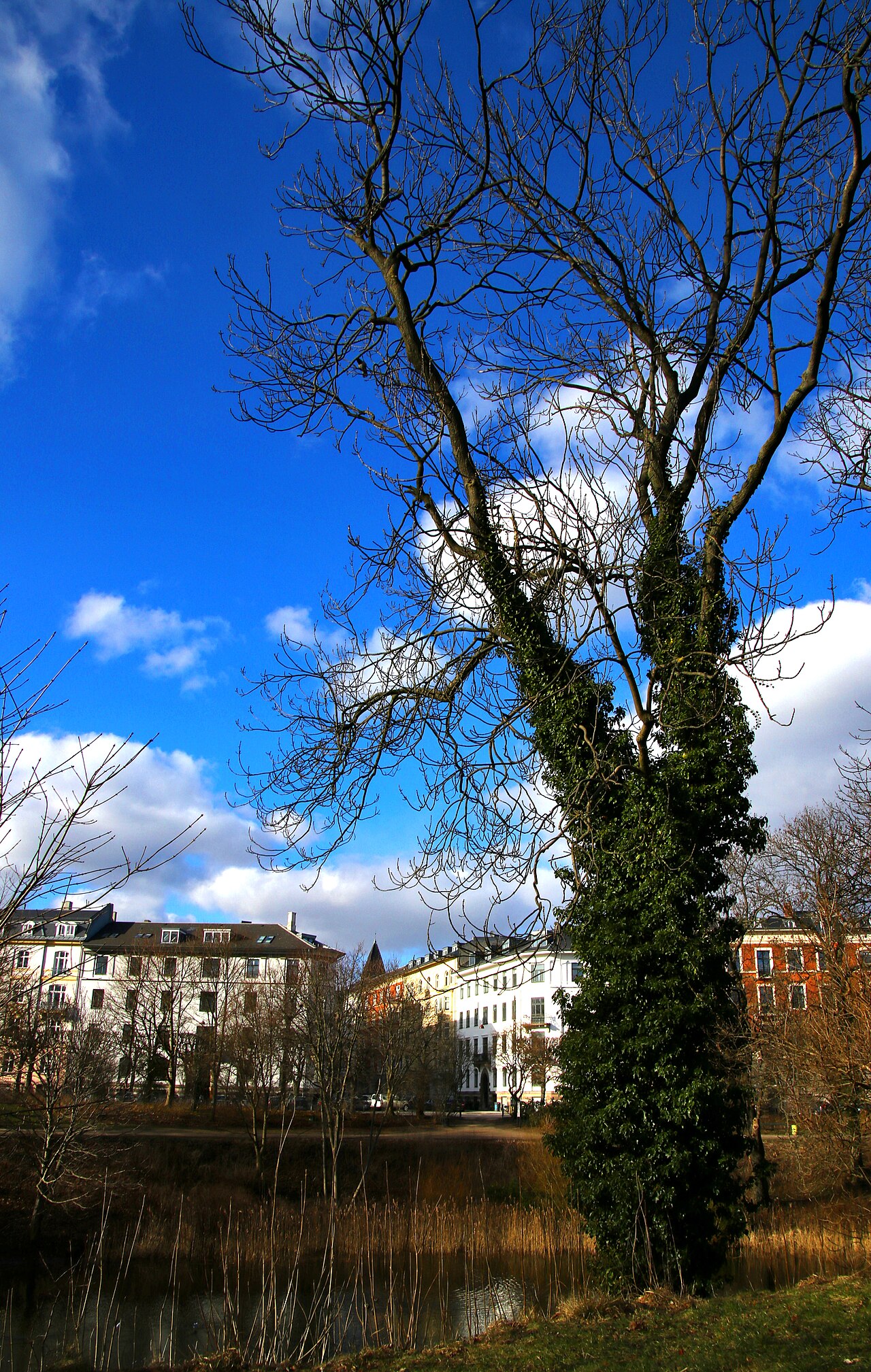
Photographers can use the park’s lawns, mature trees, sculptures, paths, and former ramparts as varied subjects. The neighbouring Statens Museum for Kunst provides an architectural backdrop, while morning and late-day light can add depth to the landscape. Keep tripods and bags clear of paths, give other park users room, and frame people respectfully when the park is busy.
Checked 2026-08-26 · Source
Østre Anlæg is a public Copenhagen park created on part of the former fortification ring. It combines lawns, trees, paths, sculptures, and traces of defensive earthworks beside the Statens Museum for Kunst.
Allow fifteen to twenty minutes for a walk through the park, or one to two hours for sitting, reading, picnicking, and exploring the connected green spaces.
Yes. The park sits beside the Statens Museum for Kunst and works well as an outdoor break before or after time in the galleries.
A normal walk through this public urban park is free. Spending may arise only from optional food, drinks, or transport arranged elsewhere.
Expect lawns, trees, paths, benches, sculptures, and landscaped traces of Copenhagen’s old fortification ring, with the national gallery close beside the park.
Yes. Trees, sculptures, paths, lawns, historic earthworks, and the adjacent museum create varied subjects. Morning or late-day light can give the landscape more depth.
Loading the interactive map…
The interactive map could not be loaded.
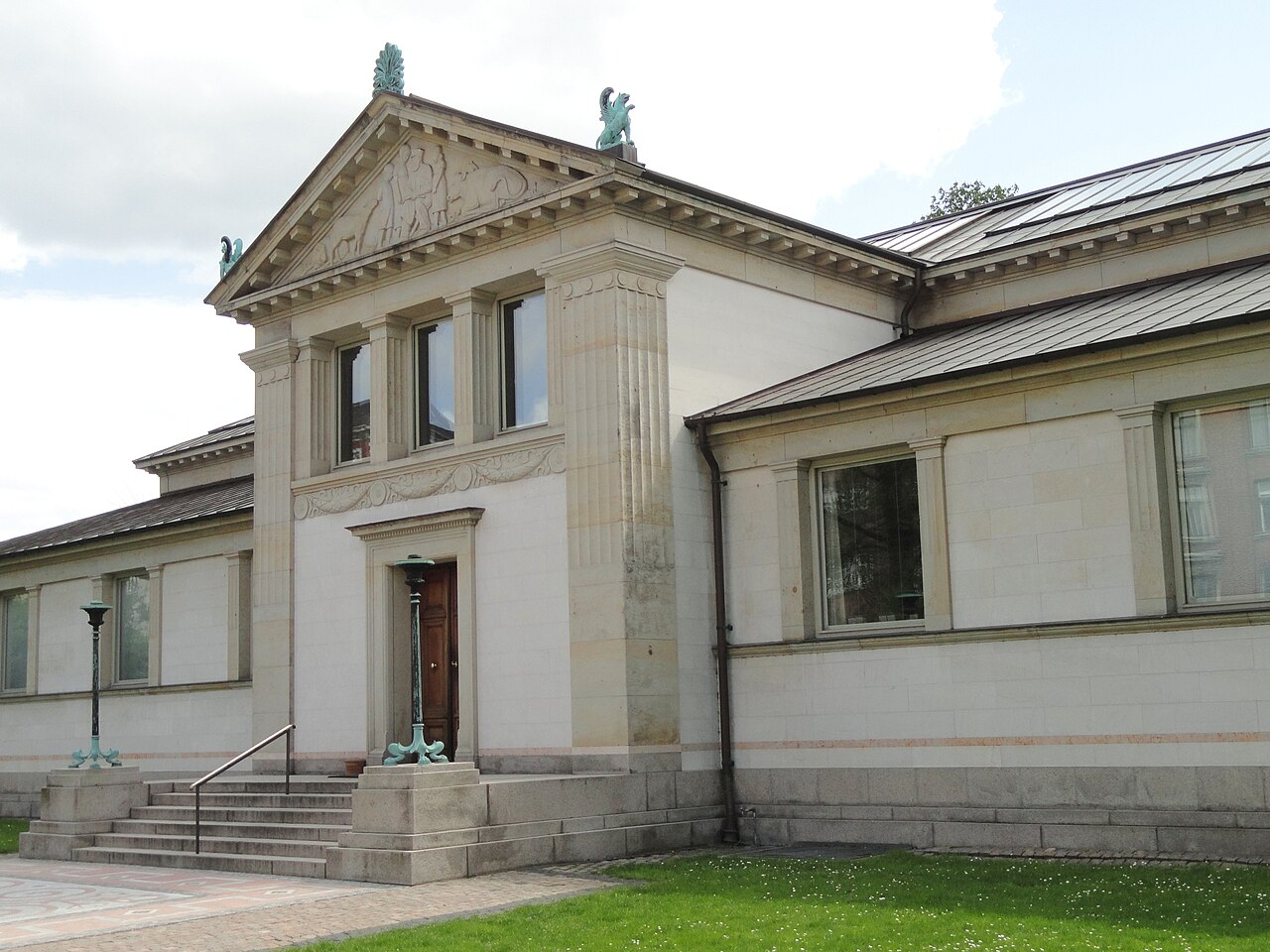
Last updated:
Source: OpenStreetMap contributors, Wikidata ·