Roavina

City guide · Denmark

Copenhagen

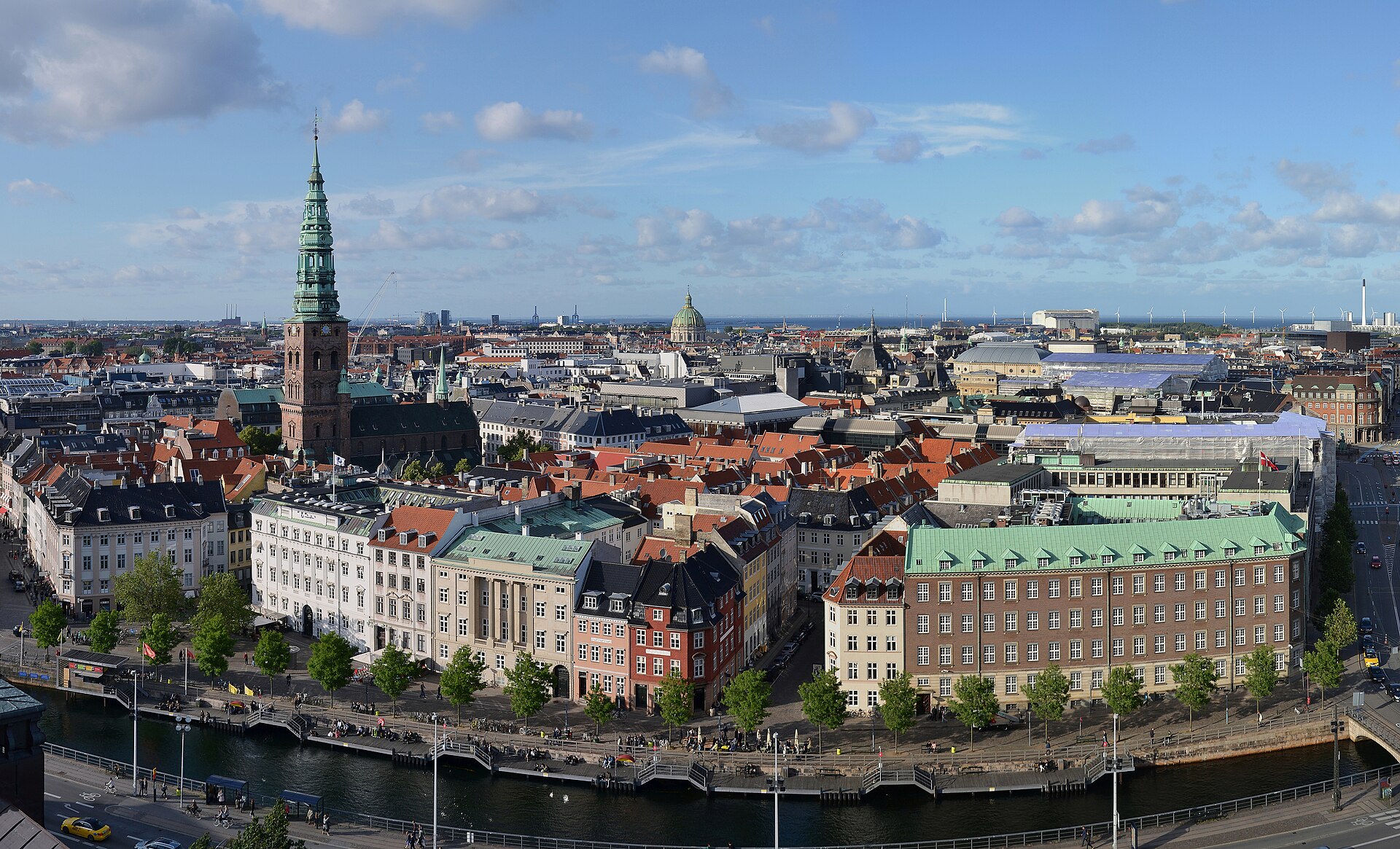
A photograph of Copenhagen
Photograph · Pudelek · CC BY-SA 4.0

Copenhagen's compact centre sits around Indre By, with the harbour separating it from Christianshavn and Amager. Frederiksberg lies west as a separate municipality inside the urban fabric, while Norrebro and Osterbro extend north of the centre. Major visitor areas are connected by metro, trains, buses and cycle routes, and most central clusters remain practical to explore on foot.

Reviewed by Elena Voss · Roavina Travel Editor

Practical information

Language spoken
Danish
National practical orientation; regional and minority languages may also be used
Dialling code
+45
International calling code; local area and mobile prefixes still apply
Currency
Danish krone (DKK)
Use the official local currency; card acceptance varies by place
Emergency number
112
Use only for an emergency; tourist assistance may use a separate number
Plug type
Type C, E, F and K · 230 V
Check that chargers support the recorded voltage before using an adapter
Tap water
Safe from the mains
Public drinking water is monitored by Danish authorities

Turn this list into a plan

Set your days, your pace and the hours you actually want to be out. The planner works around closing days and travel time, and leaves room to eat.

Plan Copenhagen

Planning a visit

Suggested stay
Not recorded
Getting around
Walking, cycling, metro, train and bus
  1. January: viable with meaningful trade-offs
  2. February: viable with meaningful trade-offs
  3. March: viable with meaningful trade-offs
  4. April: good time to visit
  5. May: best time to visit
  6. June: best time to visit
  7. July: best time to visit
  8. August: best time to visit
  9. September: good time to visit — current month
  10. October: viable with meaningful trade-offs
  11. November: viable with meaningful trade-offs
  12. December: viable with meaningful trade-offs
  • Best time
  • Good time
  • Viable with trade-offs
  • Difficult conditions

Sources

Top things to see

Ranked by importance — sitelinks, pageviews and heritage status, not editor preference.

  1. Frederiksberg Park Frederiksberg Park
    02 1 hour

    Frederiksberg Park

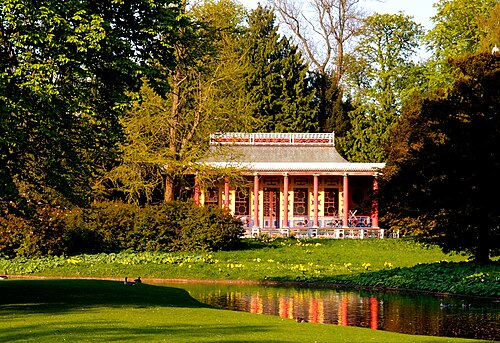
    Frederiksberg Have

    Frederiksberg Have is a historic landscape garden in Frederiksberg, an independent municipality enclosed by Copenhagen. The park was originally laid out in the early 18th century as a Baroque garden for Frederiksberg Palace.

    • Must see
    • Nature site
  2. Botanisk Have Botanisk Have
    03 1 hour

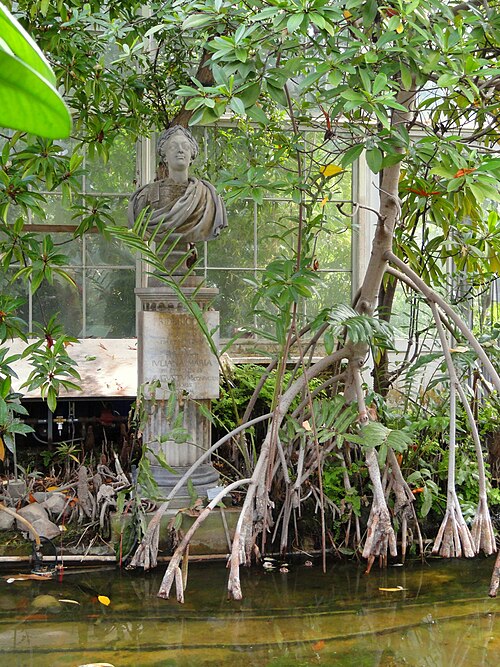
    Botanisk Have

    Copenhagen Botanical Garden is the living plant collection of the Natural History Museum Denmark in the centre of Copenhagen.

    • Must see
    • Nature site
  3. Rosenborg Castle Gardens Rosenborg Castle Gardens
    04 1 hour

    Rosenborg Castle Gardens

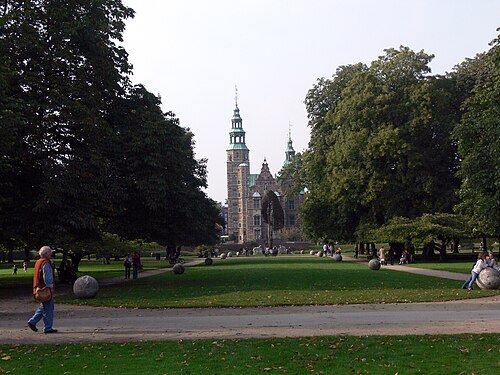
    Kongens Have

    Rosenborg Castle Gardens, known locally as Kongens Have, is a historic public park in central Copenhagen. Established in the early 17th century as the private gardens of King Christian IV's Rosenborg Castle, it represents the oldest royal garden in Denmark.

    • Must see
    • Nature site
  4. Fælledparken Fælledparken
    05 1 hour

    Fælledparken

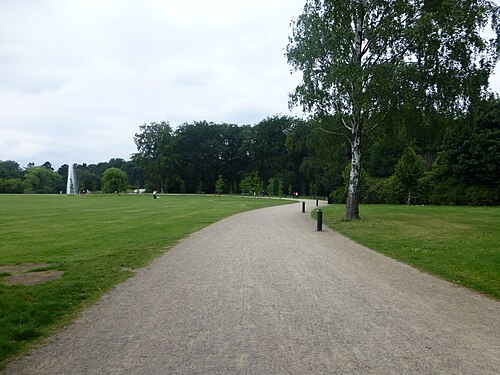
    Fælledparken is one of Copenhagen’s major urban parks, occupying a broad area in the Østerbro district.

    • Must see
    • Nature site
  5. Ørstedsparken Ørstedsparken
    06 1 hour

    Ørstedsparken

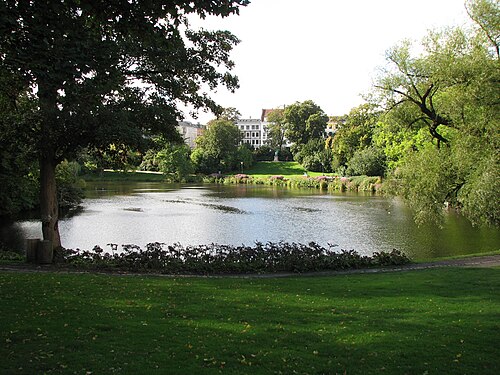
    Ørstedsparken is a compact public park in central Copenhagen, arranged around a lake rather than a single monument or indoor collection.

    • Must see
    • Nature site
  6. Østre Anlæg Østre Anlæg
    07 1 hour

    Østre Anlæg

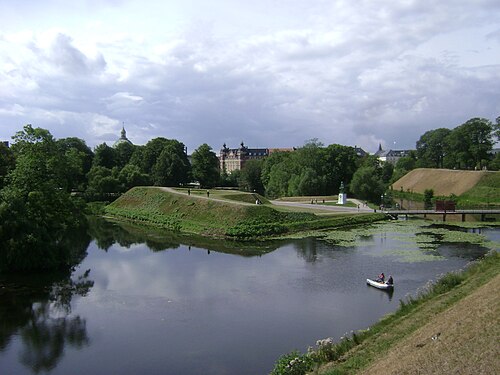
    Østre Anlæg is a public park in Copenhagen developed on part of the city’s former fortification ring.

    • Must see
    • Nature site
  7. Utterslev Mose Utterslev Mose
    08 1 hour

    Utterslev Mose

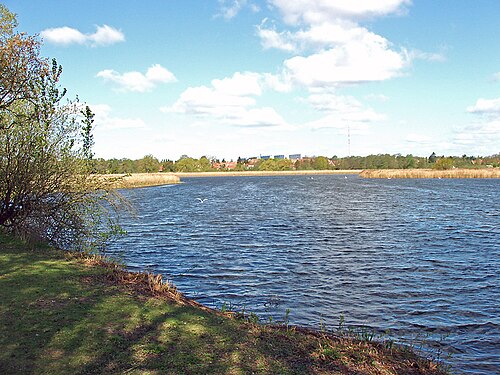
    Utterslev Mose is a large wetland and nature area located in the northern part of Copenhagen, Denmark. It represents one of the significant green spaces within the urban environment of the Danish capital.

    • High
    • Nature site
  8. Churchillparken Churchillparken
    09 1 hour

    Churchillparken

    Churchillparken is a public park in Copenhagen, Denmark, situated in the Østerbro district near Kastellet and the Little Mermaid statue. The park is named after Sir Winston Churchill, the former British Prime Minister.

    • High
    • Nature site
  9. Havneparken Havneparken
    10 1 hour

    Havneparken

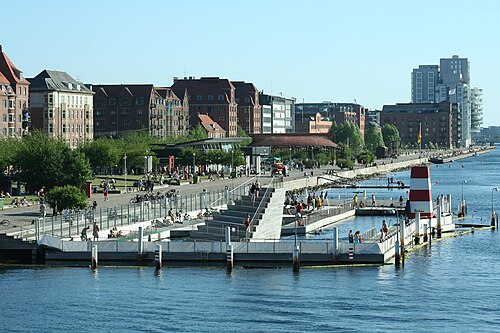
    Havneparken is a public waterfront park in Copenhagen, set beside the city’s harbour. The park belongs to the everyday recreational landscape of the capital, offering open space and a place to pause beside the water.

    • High
    • Nature site
  10. Amaliehaven Amaliehaven
    11 1 hour

    Amaliehaven

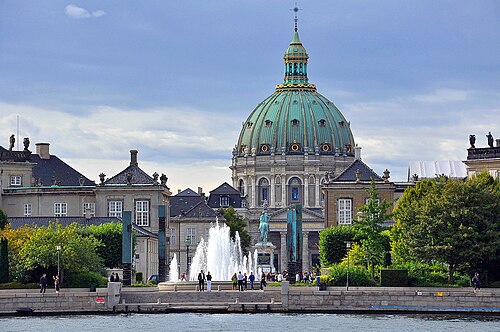
    Amaliehaven is a formal public garden on Copenhagen’s waterfront beside the Amalienborg Palace complex.

    • Notable
    • Nature site
  11. Superkilen Superkilen
    12 1 hour

    Superkilen

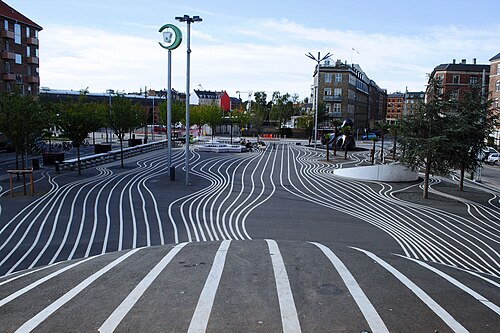
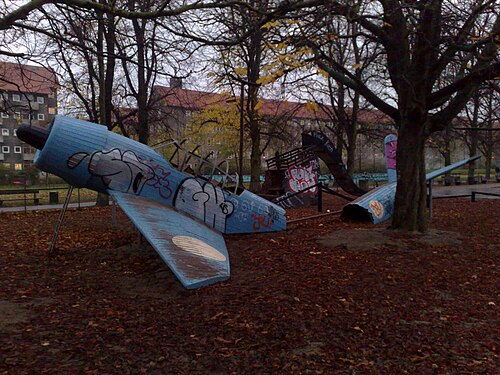
    Superkilen is a public urban park in Copenhagen's Nørrebro district, created by Superflex with Bjarke Ingels Group and Topotek1. Opened in 2012, the linear park extends for about one kilometre through a neighbourhood known for its ethnic diversity.

    • Notable
    • Nature site
  12. Svanemølle Beach Svanemølle Beach
    13 1 hour

    Svanemølle Beach

    Svanemølle Strand

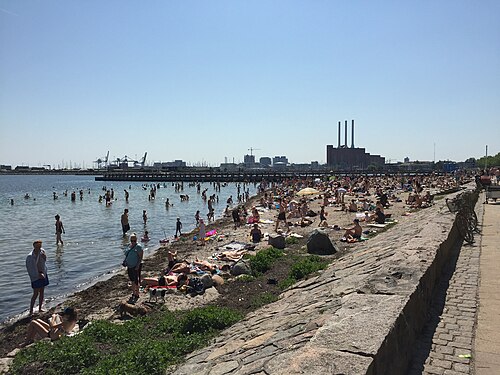
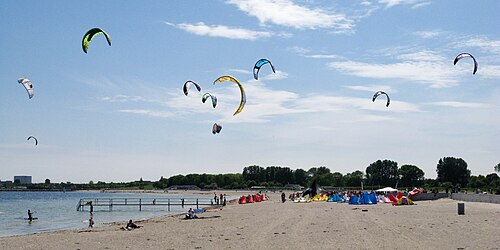
    Svanemølle Beach, locally known as Svanemølle Strand, is a coastal bathing area in Copenhagen. The beach gives visitors access to the Øresund for swimming and seaside leisure within the capital.

    • Notable
    • Nature site
  13. Nørrebroparken Nørrebroparken
    14 1 hour

    Nørrebroparken

    Nørrebroparken is a public green space in Copenhagen’s Nørrebro district. The park brings open ground and everyday outdoor life into a densely built neighbourhood, making it useful for a relaxed break between cafés, shops, and city walks.

    • Notable
    • Nature site

Source: OpenStreetMap contributors, Wikidata ·

How the city is laid out

Indre By contains the historic centre, main shopping streets, palace district and inner harbour. Christianshavn sits across the water, Vesterbro lies west of Central Station, and Norrebro and Osterbro extend north. Frederiksberg forms a green western district with its own centre. The harbour is both a boundary and a transport corridor, so combine waterfront sights by side before crossing repeatedly.

Checked 2026-08-26

Getting around

Walk or cycle for short central journeys and use metro, trains and buses for longer trips. Visit Copenhagen states that the metro operates throughout the day and night and connects the centre with major neighbourhoods and the airport. Harbour buses are part of public transport and serve waterfront journeys. Buy the correct ticket before boarding and use the journey planner for zone-dependent trips.

Checked 2026-08-26

Common questions

How many days should I spend in Copenhagen?

A fixed duration is not recorded. Plan by cluster: Indre By, Christianshavn and the harbour, then Vesterbro, Norrebro, Osterbro or Frederiksberg according to interest.

Can I walk around central Copenhagen?

Yes. Indre By and the inner harbour are compact enough for walking. Cycling and public transport are useful when moving between outer neighbourhoods or across the wider city.

Does Copenhagen have an all-night metro?

Yes. Visit Copenhagen states that the metro operates throughout the day and night, connecting the centre with major neighbourhoods and Copenhagen Airport.

Are harbour buses part of public transport?

Yes. Harbour buses use the public transport system and provide a practical waterfront connection as well as a view of the city from the water.

How do I reach central Copenhagen from the airport?

Metro and regional trains both connect the airport with the city. The better choice depends on the destination neighbourhood, so check the official journey planner before departure.