National Museum of Denmark
Nationalmuseet
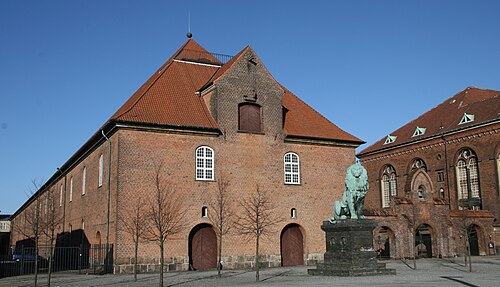
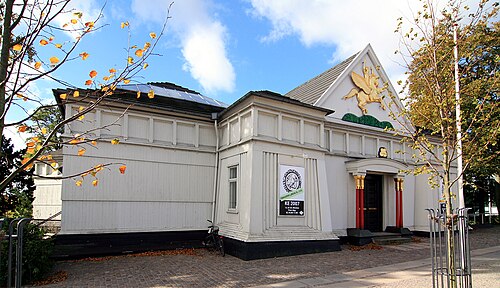
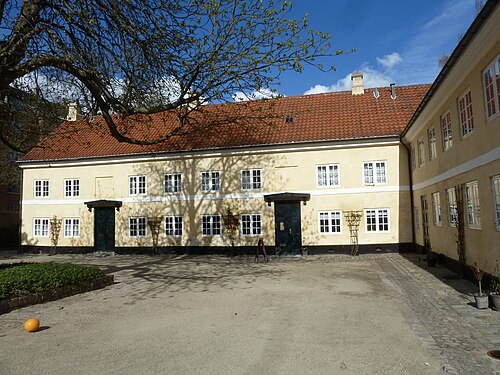
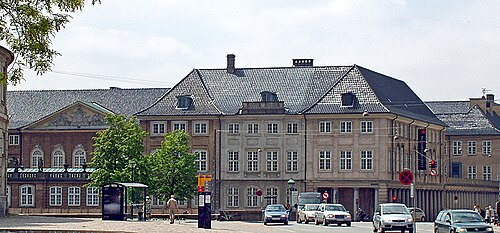
Nationalmuseet is Denmark's national museum of cultural history, and it occupies a building that was a private house, then a royal residence, then a courthouse, before it was ever a museum.
- Must see
- Museum
City guide · Denmark
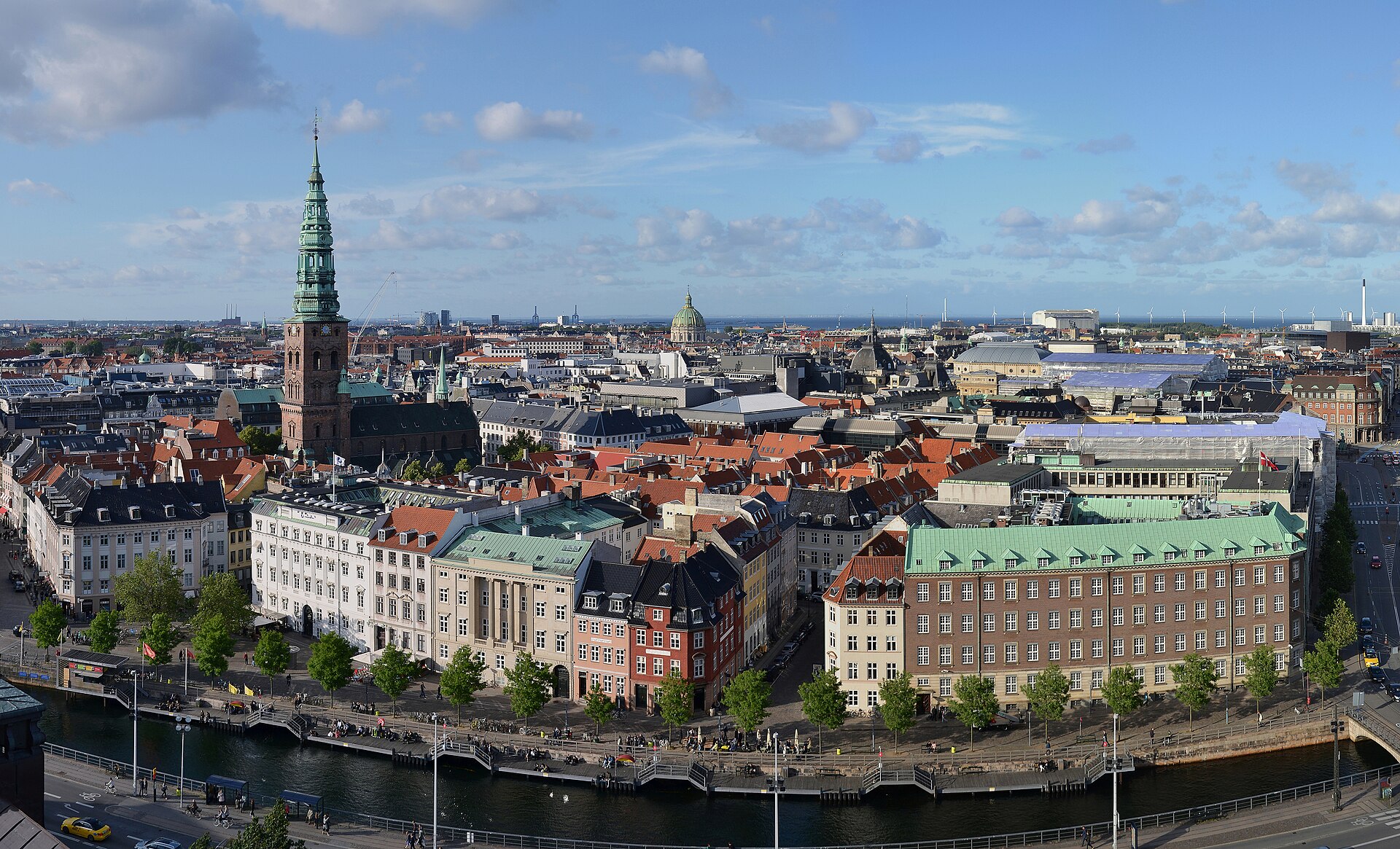
Copenhagen's compact centre sits around Indre By, with the harbour separating it from Christianshavn and Amager. Frederiksberg lies west as a separate municipal...
Photograph · Pudelek · CC BY-SA 4.0
Set your days, your pace and the hours you actually want to be out. The planner works around closing days and travel time, and leaves room to eat.
Editorial responsibility: Elena Voss · Roavina Travel Editor
Copenhagen's compact centre sits around Indre By, with the harbour separating it from Christianshavn and Amager. Frederiksberg lies west as a separate municipality inside the urban fabric, while Norrebro and Osterbro extend north of the centre. Major visitor areas are connected by metro, trains, buses and cycle routes, and most central clusters remain practical to explore on foot.
Checked 2026-08-26
November · November averages only 7.0°C by day in Copenhagen and has about seventeen rain days, creating a cold, damp trade-off.
Ranked by importance — sitelinks, pageviews and heritage status, not editor preference.
23 places match
Category
Typical visit duration
Good for
Interests
Nationalmuseet
Nationalmuseet is Denmark's national museum of cultural history, and it occupies a building that was a private house, then a royal residence, then a courthouse, before it was ever a museum.
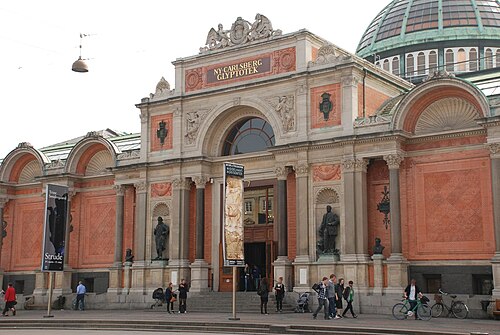
The Ny Carlsberg Glyptotek stands on Dantes Plads, between Tivoli and the back of the Danish parliament quarter, and it is one museum only in the administrative sense.
SMK - Statens Museum for Kunst
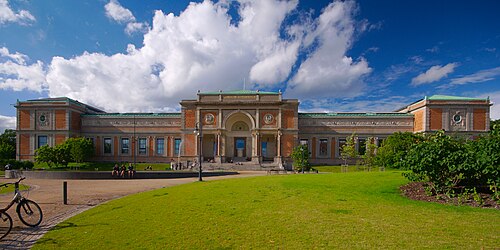
Statens Museum for Kunst is Denmark's national gallery, standing on the edge of the Østre Anlæg park in central Copenhagen with Rosenborg Castle across the road.
Designmuseum Danmark
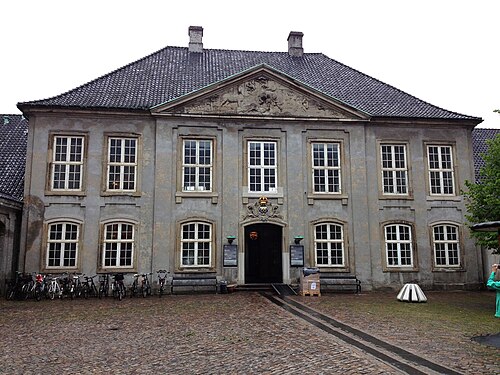
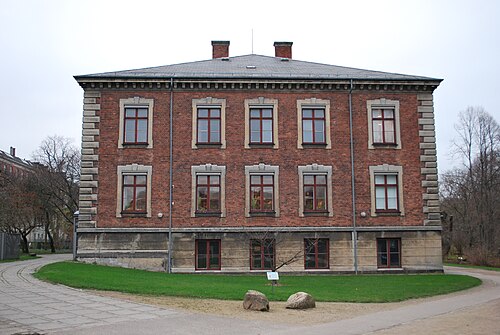
Designmuseum Danmark is a museum dedicated to Danish and international design, crafts, and applied arts. Located in central Copenhagen, it occupies a historic rococo building that formerly served as the Royal Danish Hospital.
Thorvaldsens Museum
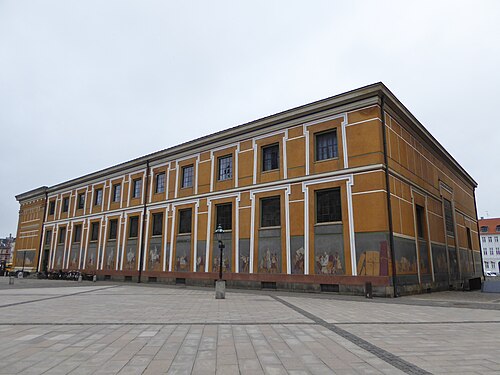
Thorvaldsens Museum is a Copenhagen museum dedicated to the works of Danish sculptor Bertel Thorvaldsen, who spent much of his career in Rome. The building itself is distinctive with its colourful exterior, making it a notable landmark in the city.
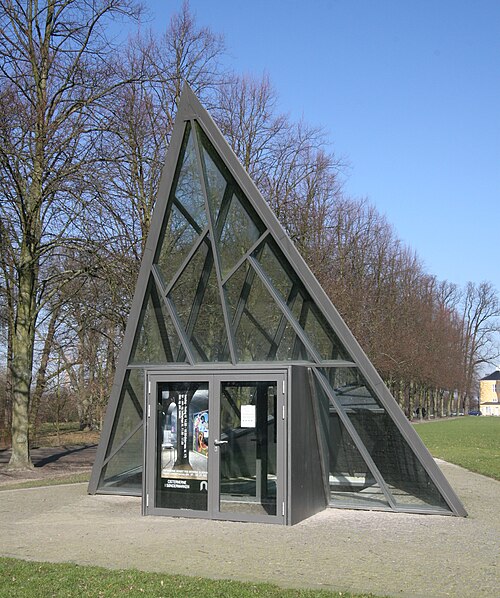
Cisternerne is an underground exhibition space beneath Søndermarken in Frederiksberg, Copenhagen. The venue occupies a former nineteenth-century water reservoir, whose vaulted chambers, brick arches, columns, darkness, and humidity create an experience unlike a conventional gallery.
Krigsmuseet
The Danish War Museum, locally named Krigsmuseet, is a military history museum in Copenhagen. It occupies a historic waterfront building at Christianshavn, formerly serving as naval storage facilities.
Statens Naturhistoriske Museum
The Natural History Museum of Denmark, locally known as Statens Naturhistoriske Museum, is a major scientific institution in Copenhagen. It serves as the national museum for natural history and operates as part of the University of Copenhagen.
Københavns Museum
The Museum of Copenhagen, or Københavns Museum, explores the history of Denmark's capital through archaeological finds, historical objects, and stories of urban life.
Den Hirschsprungske Samling
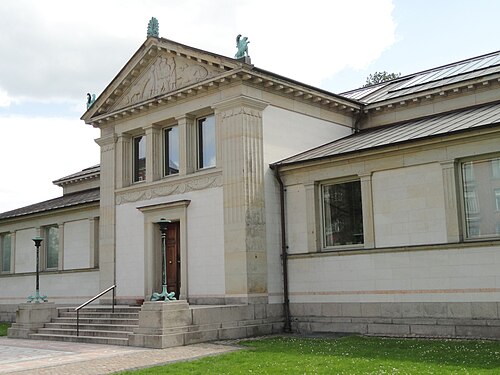
The Hirschsprung Collection, or Den Hirschsprungske Samling, is a Copenhagen art museum built around Heinrich Hirschsprung’s collection. The museum focuses on Danish painting from the nineteenth and early twentieth centuries and occupies a purpose-built building near Østre Anlæg.
Den Frie
Den Frie Udstilling, often called Den Frie, is an exhibition building and artists’ association venue in Copenhagen. Established in 1898, it was created to give independent artists a platform outside the established Royal Academy.
Arbejdermuseet
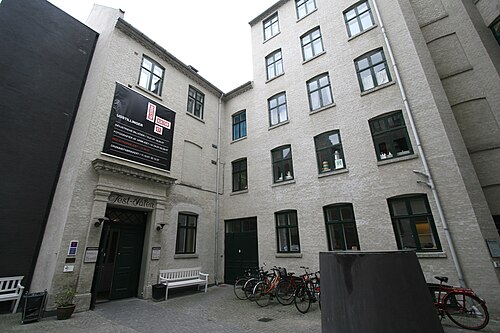
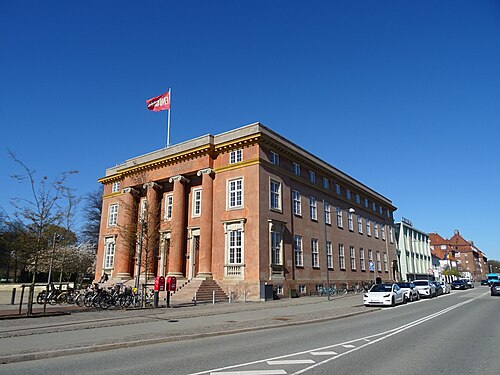
The Workers Museum, also known as Arbejdermuseet, presents the history of Denmark’s labour movement and working-class life in Copenhagen. It occupies a historic building that once served as the headquarters of the Danish labour movement.
Kastrupgårdsamlingen
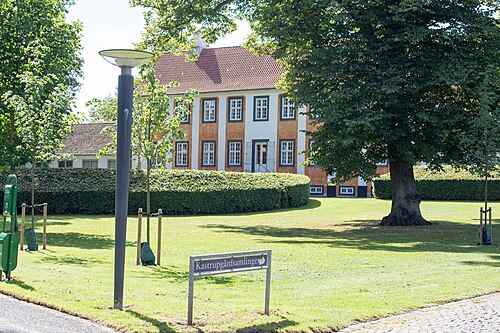
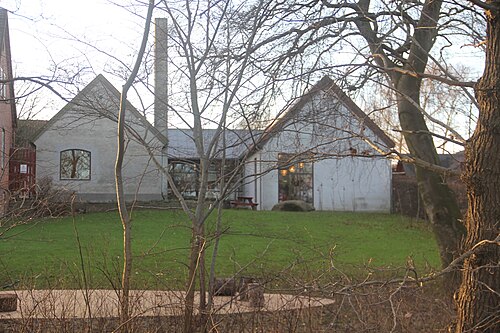
Kastrupgård Collection, known locally as Kastrupgårdsamlingen, is an art museum situated in the Kastrup area near Copenhagen. It occupies a historic manor house setting, presenting a cultural venue focused on art exhibitions within a distinctive architectural environment.
Frihedsmuseet
The Museum of Danish Resistance, known in Danish as Frihedsmuseet, explores Denmark’s resistance during the German occupation from 1940 to 1945.
Bakkehusmuseet
Bakkehuset, locally known as Bakkehusmuseet, is a historic house museum in Copenhagen. The building holds cultural significance as a former literary salon and residence associated with prominent Danish Golden Age figures.
Botanisk Museum
Copenhagen University Botanical Museum, locally associated with Botanisk Museum, is part of the University of Copenhagen’s botanical and academic heritage. The visit suits travellers who enjoy plants, natural history and collections presented through a scholarly lens.
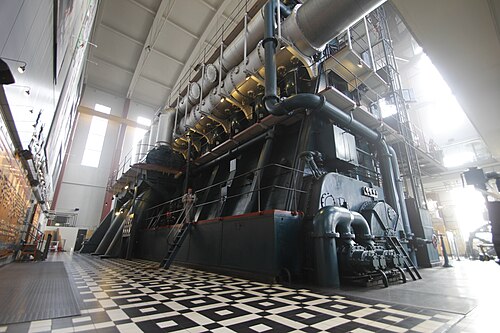
DieselHouse is a Copenhagen industrial-heritage attraction centred on large diesel engines and the maritime-industrial history connected with them. The harbour-area setting reinforces the city’s relationship with shipping, engineering and heavy industry.
OXA is a mapped place in Copenhagen, identified by the name OXA and its OpenStreetMap location.
Lille Mølle is a historic windmill situated in the Christianshavn district of Copenhagen. The structure represents Danish milling heritage and stands as a preserved example of traditional windmill architecture.
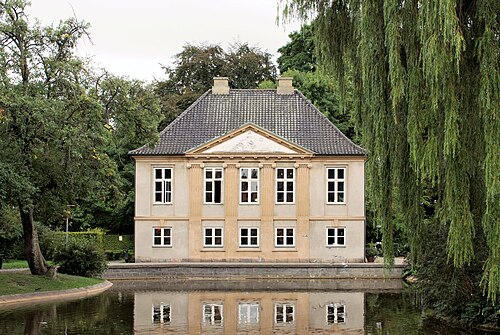
Møstings Hus is a historic house museum and cultural venue in Frederiksberg, within the wider Copenhagen urban area. The preserved house provides a domestic architectural setting for exhibitions and local cultural programming.
Henry Heerup Museum
Heerup Museum in Copenhagen is devoted to Danish artist Henry Heerup, who lived from 1907 to 1993. His work spans painting, sculpture, graphics, and poetry, bringing together playful imagery, strong outlines, and an imaginative view of everyday life.
Enigma is a cultural attraction in Copenhagen. Include it in a city itinerary when you want to explore the capital’s museum and cultural landscape beyond its most familiar landmarks.
STORM
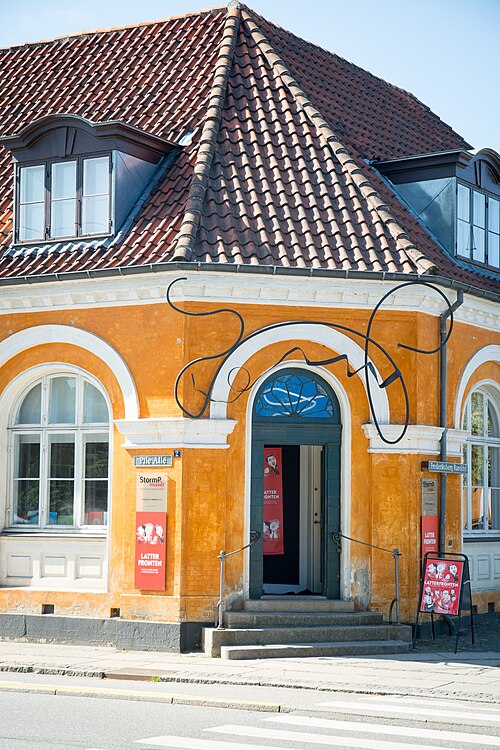
Storm is a named mapped place in Copenhagen, identified in OpenStreetMap by the name Storm and its location. The supplied record does not classify it as a museum, gallery, shop, cultural venue, or another specific type of destination.
Indre By contains the historic centre, main shopping streets, palace district and inner harbour. Christianshavn sits across the water, Vesterbro lies west of Central Station, and Norrebro and Osterbro extend north. Frederiksberg forms a green western district with its own centre. The harbour is both a boundary and a transport corridor, so combine waterfront sights by side before crossing repeatedly.
Checked 2026-08-26
Walk or cycle for short central journeys and use metro, trains and buses for longer trips. Visit Copenhagen states that the metro operates throughout the day and night and connects the centre with major neighbourhoods and the airport. Harbour buses are part of public transport and serve waterfront journeys. Buy the correct ticket before boarding and use the journey planner for zone-dependent trips.
Checked 2026-08-26
Suggested stay for a first visit: 3–4 days. Plan by cluster: Indre By, Christianshavn and the harbour, then Vesterbro, Norrebro, Osterbro or Frederiksberg according to interest.
Yes. Indre By and the inner harbour are compact enough for walking. Cycling and public transport are useful when moving between outer neighbourhoods or across the wider city.
Yes. Visit Copenhagen states that the metro operates throughout the day and night, connecting the centre with major neighbourhoods and Copenhagen Airport.
Yes. Harbour buses use the public transport system and provide a practical waterfront connection as well as a view of the city from the water.
Metro and regional trains both connect the airport with the city. The better choice depends on the destination neighbourhood, so check the official journey planner before departure.