


1 min walk
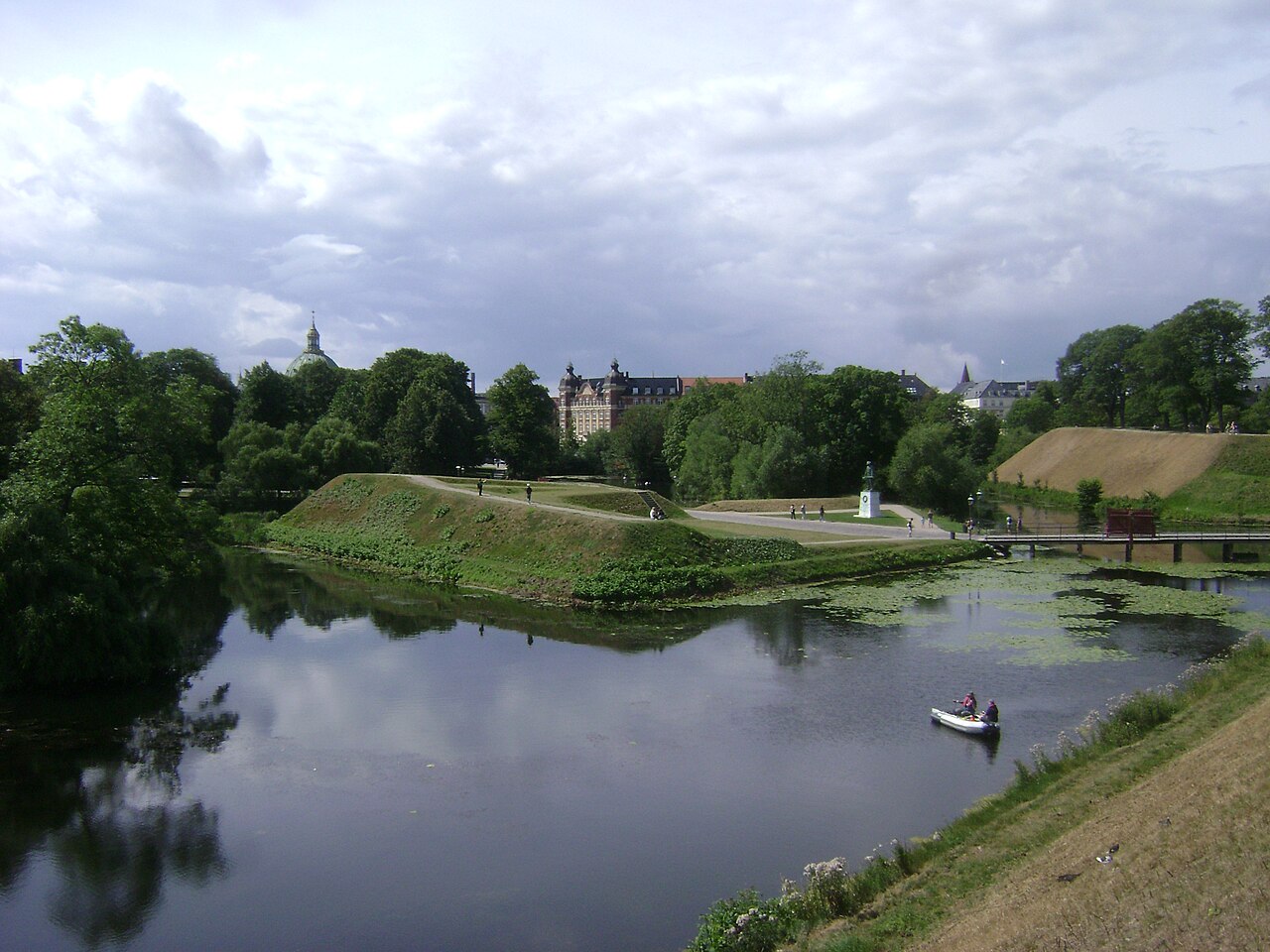
Churchillparken
- High
- Nature site
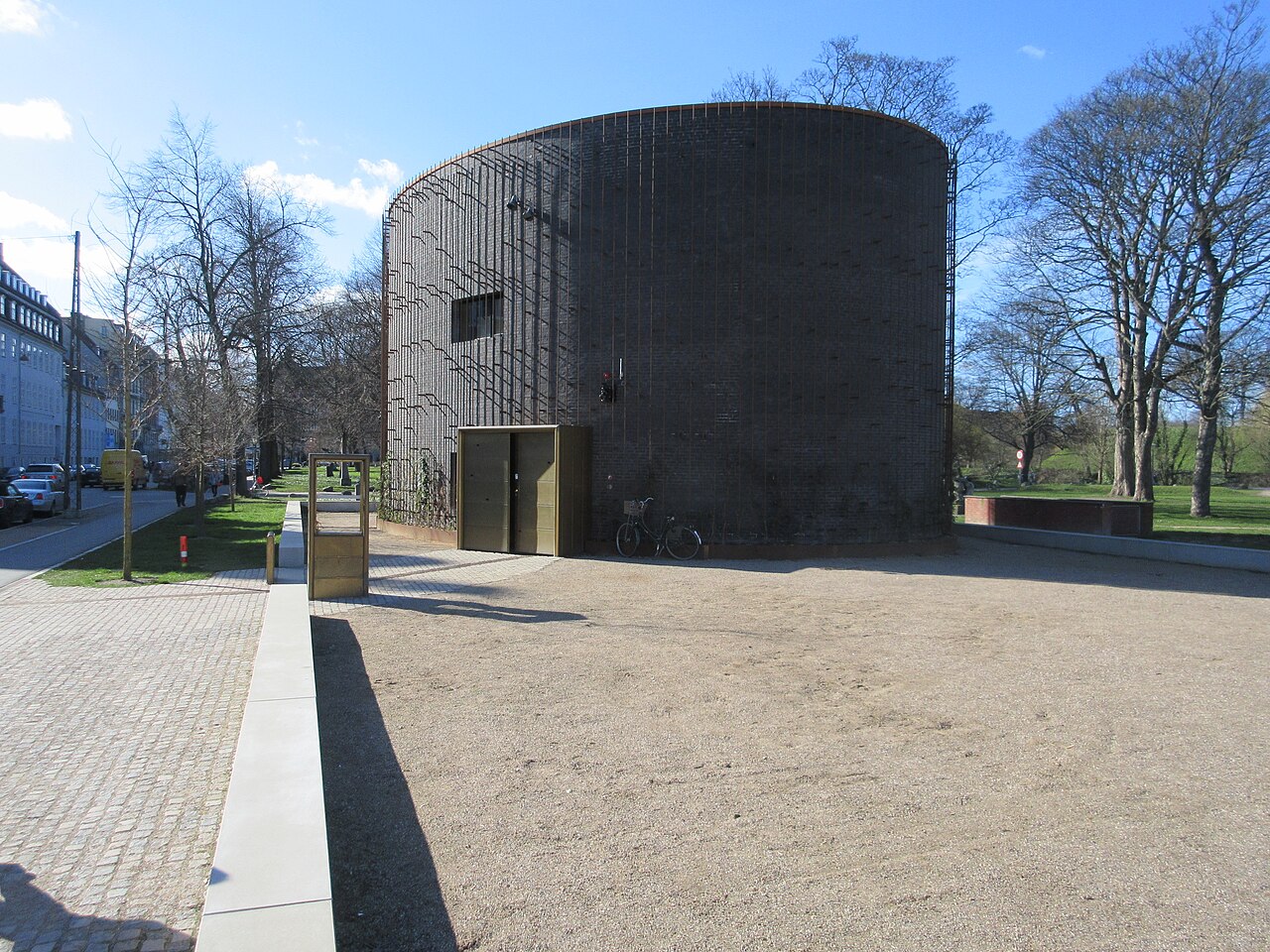
Museum · Copenhagen
Frihedsmuseet
Closed today, Monday. Next open Tuesday at 10:00 — the planner will not place a stop here on a Monday.
Plan around it| Monday | Closed |
|---|---|
| Tuesday | 10:00 – 17:00 |
| Wednesday | 10:00 – 17:00 |
| Thursday | 10:00 – 17:00 |
| Friday | 10:00 – 17:00 |
| Saturday | 10:00 – 17:00 |
| Sunday | 10:00 – 17:00 |
Parsed from OpenStreetMap opening hours on 2026-09-09.
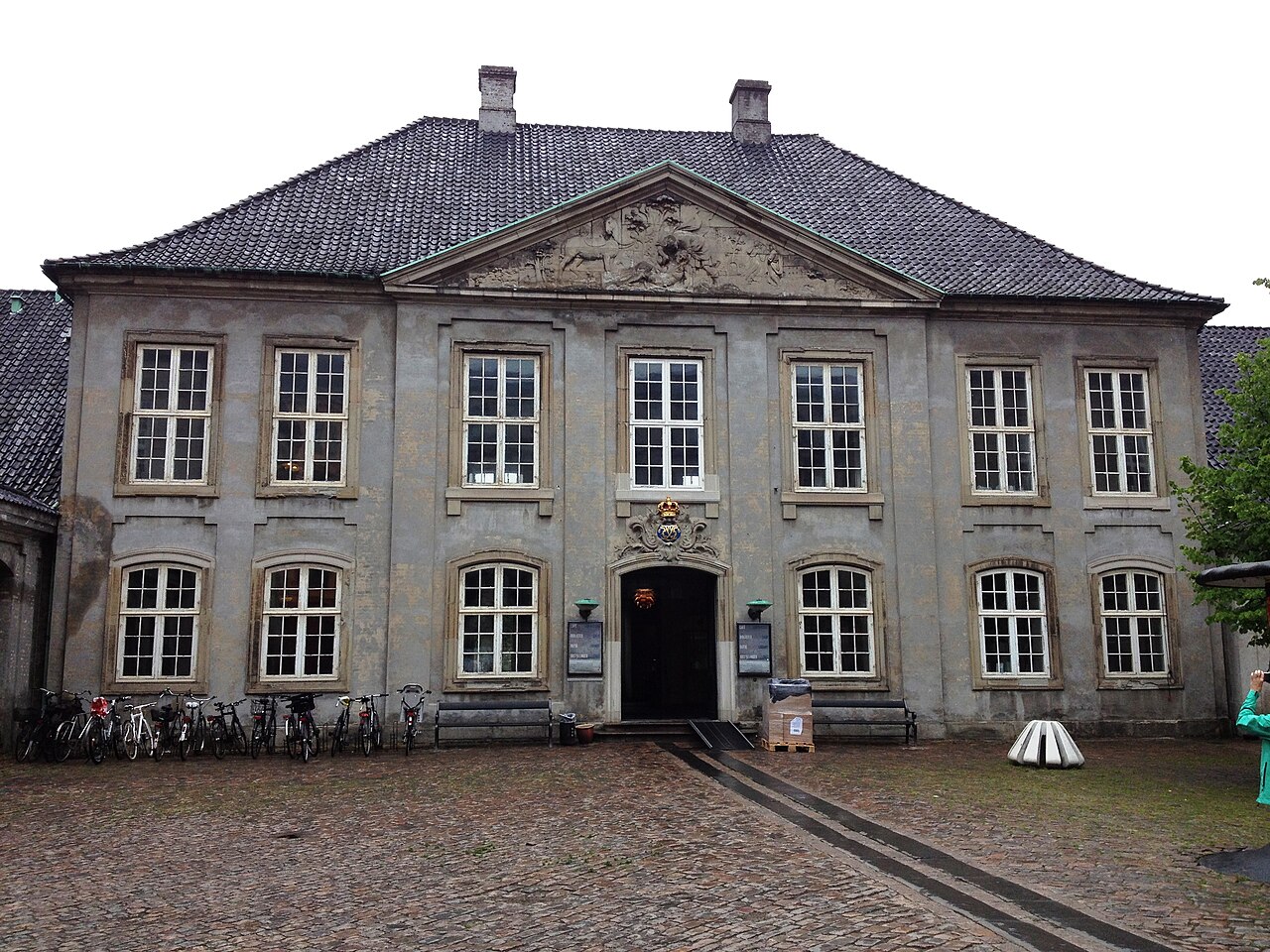
The Museum of Danish Resistance, known in Danish as Frihedsmuseet, explores Denmark’s resistance during the German occupation from 1940 to 1945. Its focus is the lived experience of clandestine opposition, from organised sabotage and intelligence work to the risks faced by civilians. The museum gives Copenhagen visitors a focused way to understand wartime Denmark through objects, personal stories and evidence of how resistance networks operated under occupation. The Museum of Danish Resistance, locally known as Frihedsmuseet, is a museum in Copenhagen dedicated to Denmark's resistance movement during the German occupation of World War II. It documents the underground struggle through original artifacts, personal accounts, and historical records. The museum occupies a significant position in Danish cultural memory, preserving stories of sabotage, intelligence operations, and civilian courage. Its collections reflect both organized military resistance and spontaneous acts of defiance by ordinary citizens against occupation forces from 1940 to 1945. Frihedsmuseet. Content addressing wartime violence and persecution may disturb sensitive children; parental discretion is advised. Typically ninety minutes to two hours for comprehensive examination; families may complete general overviews in approximately one hour.
Checked 2026-08-26 · Source
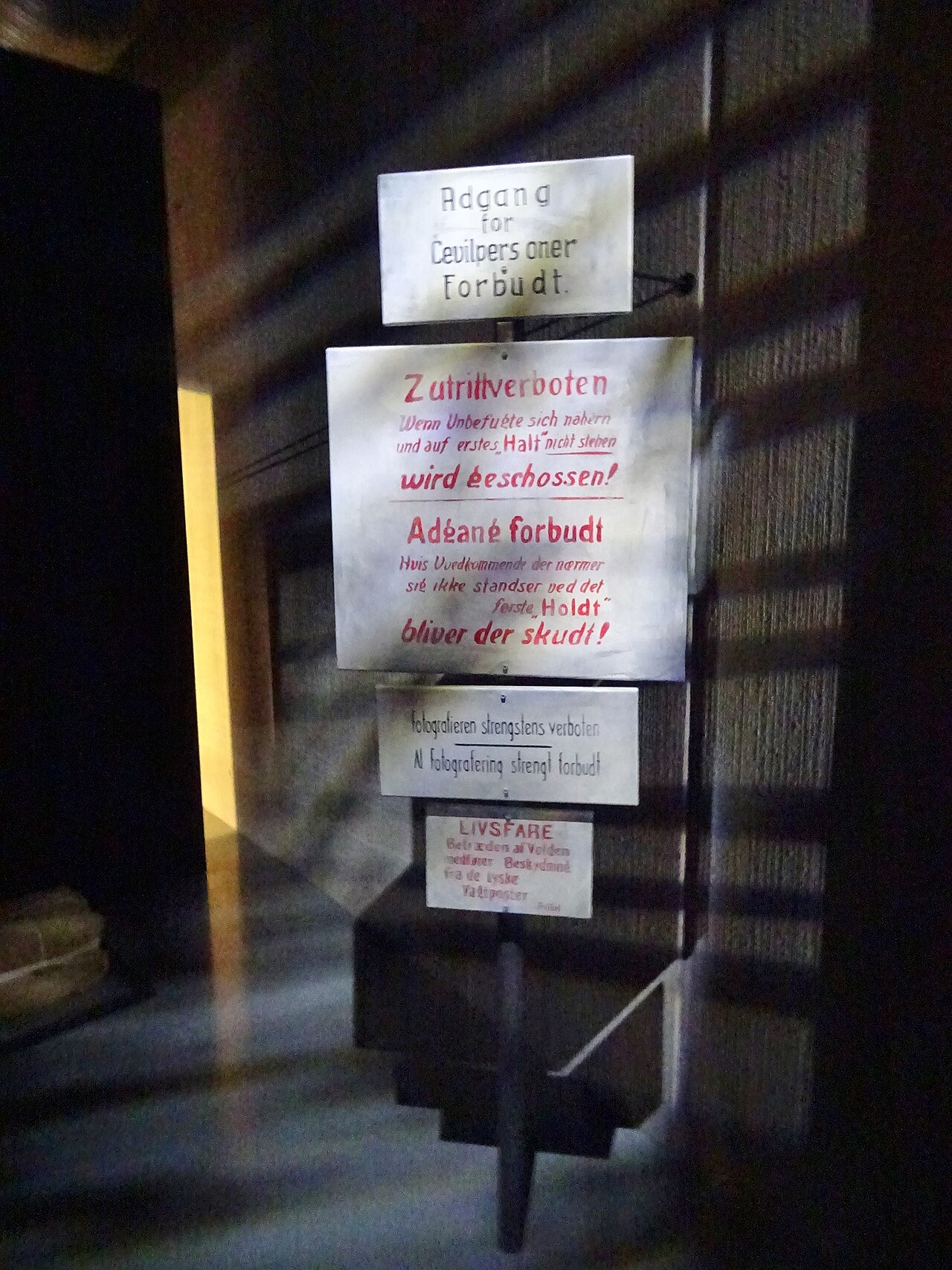
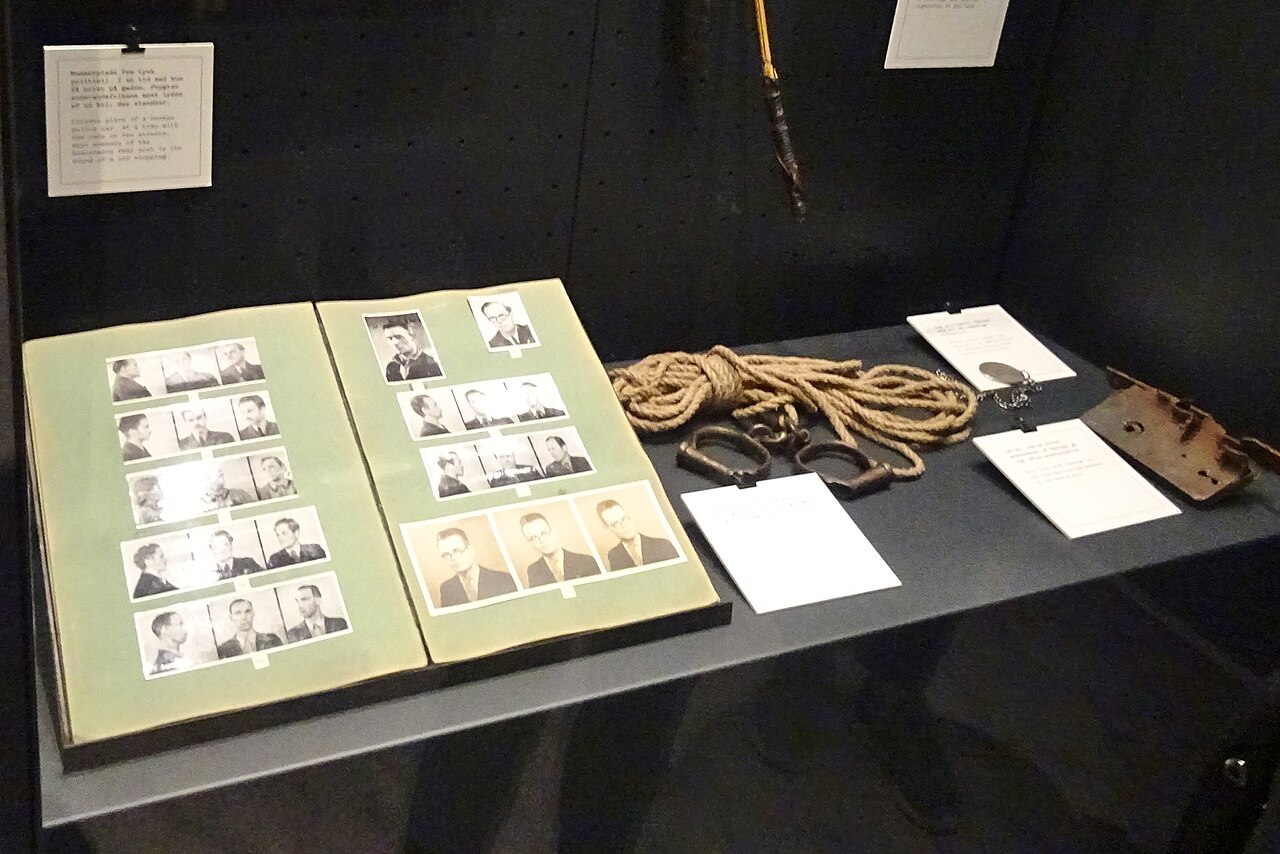
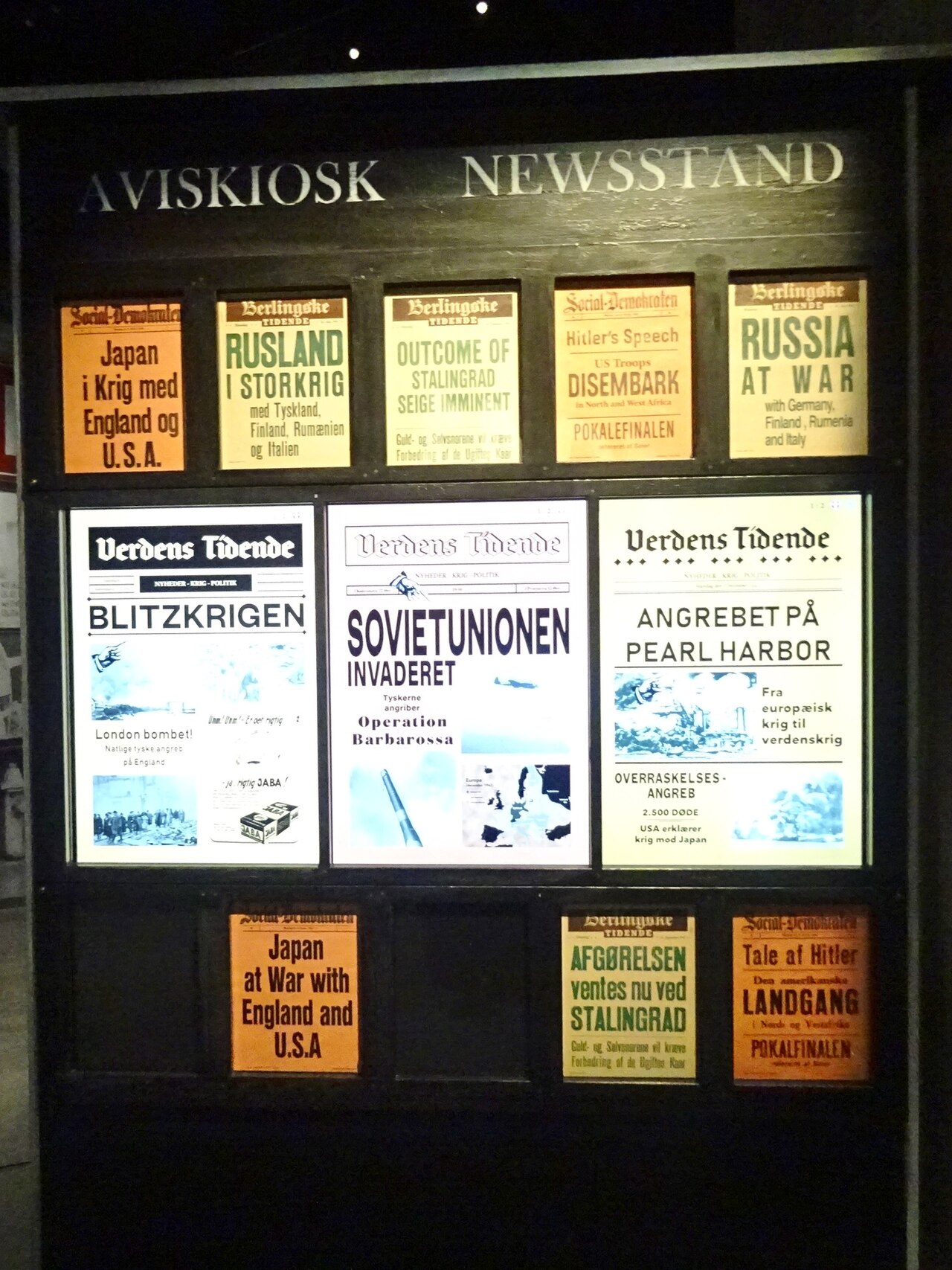
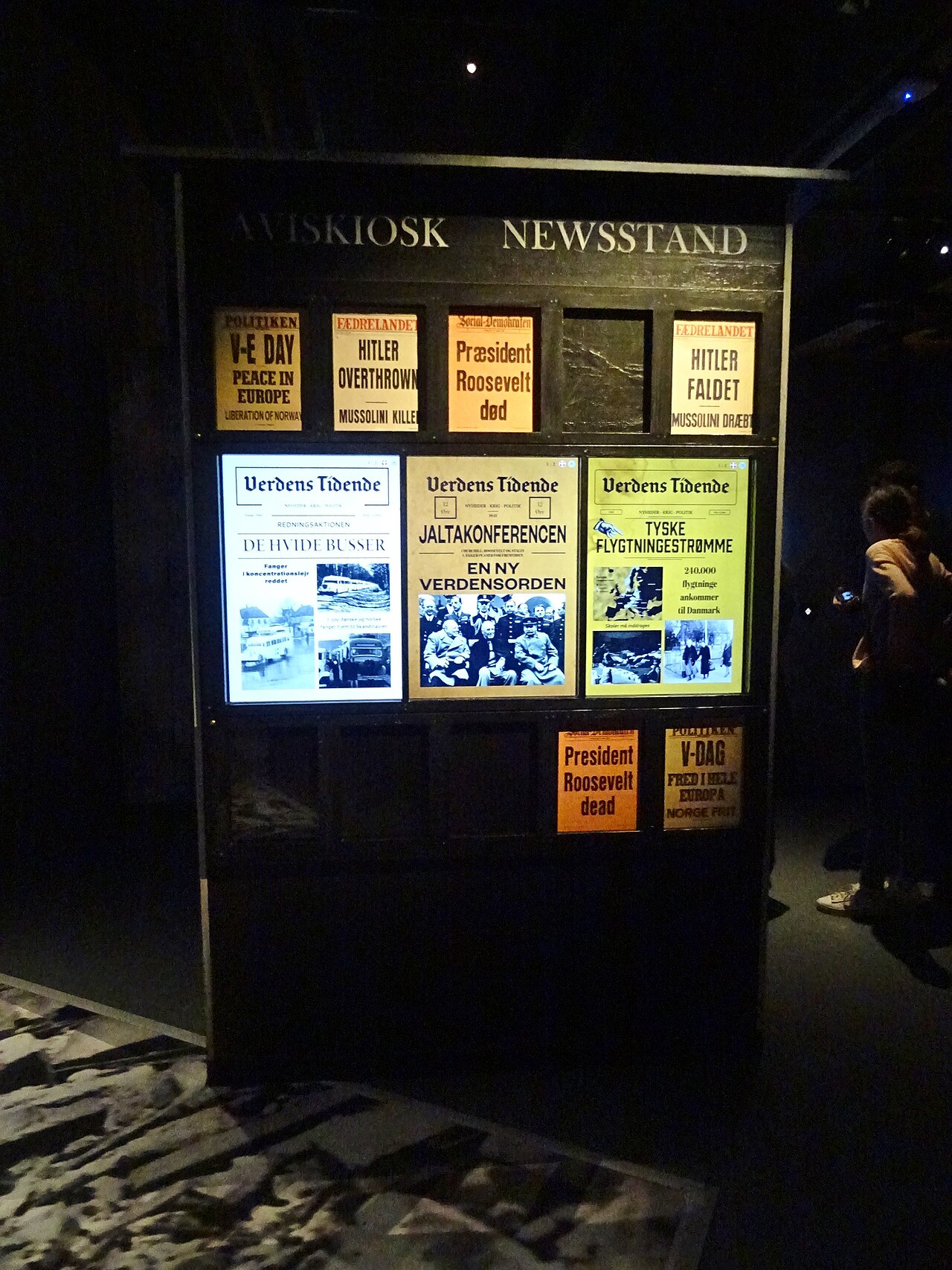
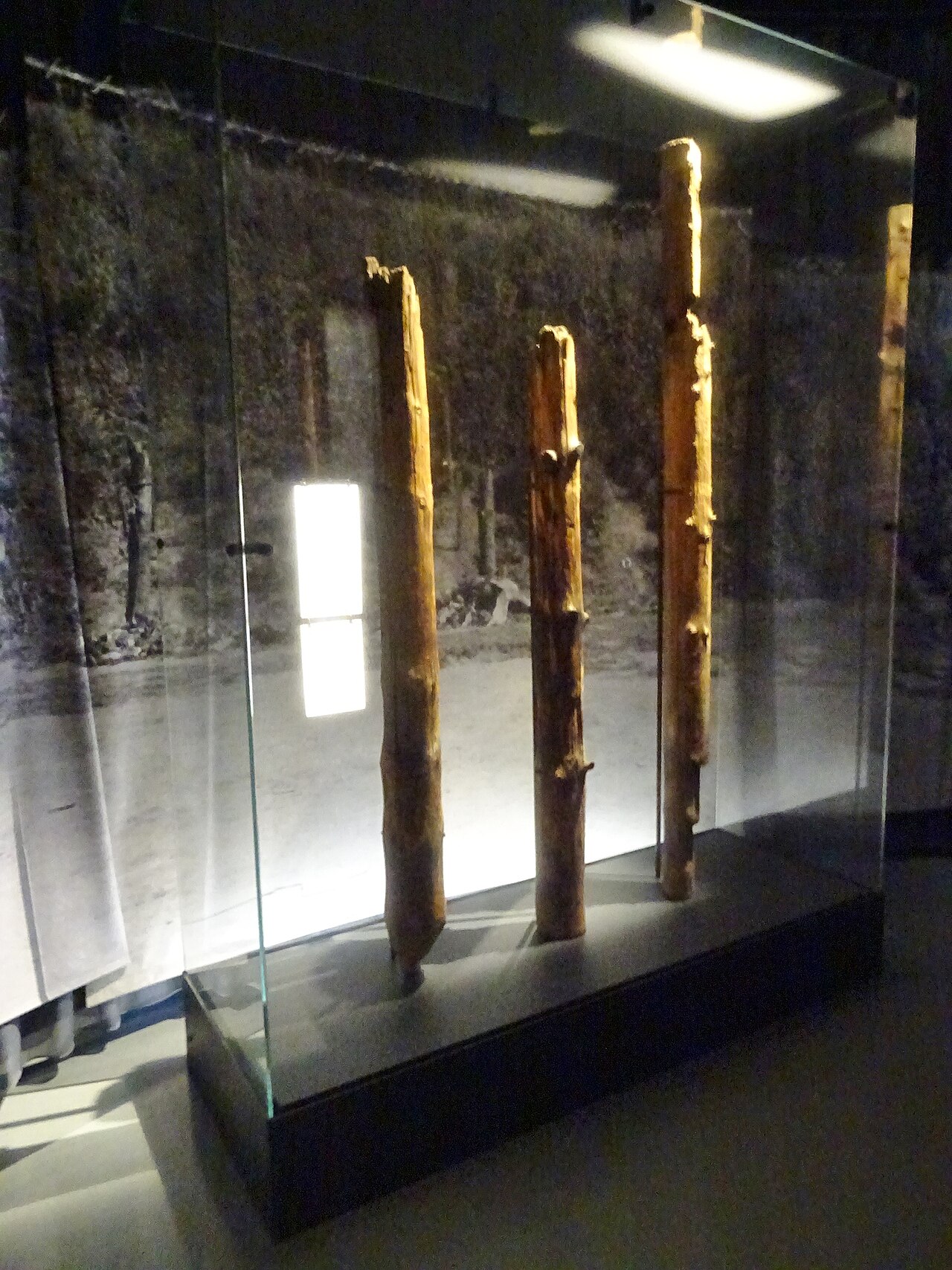
Displays include illegal newspapers, weapons, radio equipment, forged documents, photographs and personal belongings connected with resistance activity. Stories cover espionage, sabotage, escape routes to Sweden and the destruction of industrial targets. Recorded testimony and explanatory material place individual objects within the wider occupation. The collection also gives attention to difficult choices made by people working secretly, so the visit is about moral pressure and personal courage as well as military or political events. Exhibits comprise authentic resistance materials including weapons, illegal newspapers, radio equipment, and forged documents used by Danish freedom fighters.
Checked 2026-08-26 · Source
Plan about ninety minutes to two hours for a thorough visit. That allows time to read the interpretation, examine original objects and engage with audiovisual material. A shorter visit of around an hour can provide a clear overview if you are travelling with younger children or fitting the museum between other Copenhagen sights. Visitors with a strong interest in wartime history may want longer for the personal accounts and the more complex stories behind the exhibits.
Checked 2026-08-26 · Source
The indoor galleries make the museum a useful choice in rain, wind or cold weather. Daylight matters less inside than it does for outdoor attractions, so it can sit comfortably in either a morning or afternoon plan. Set aside quiet time rather than placing it between rushed appointments: the subject rewards reading and reflection. Pairing the visit with nearby cultural sights can create a strong museum-focused day in Copenhagen without requiring long journeys between stops.
Checked 2026-08-26 · Source
The museum is an indoor cultural attraction with entry arrangements connected to the institution and its exhibitions. Treat admission as separate from the surrounding parks and public streets when planning your budget. If you are travelling with children or a group, allow time at the entrance before beginning the galleries. The value of the visit lies in the original material and personal testimony, so a slower route through the displays is more rewarding than a rapid look at the objects.
Checked 2026-08-26 · Source
The museum is part of Copenhagen’s central cultural landscape and can be reached as part of a day using public transport, cycling or walking. Visitors staying in the centre can combine it with nearby museums and parks rather than making a separate cross-city journey. Cycling suits the city’s established infrastructure, while buses and metro services connect central districts. Leave enough time for the final walk from your chosen stop and arrive unhurried, especially if you want to begin with the introductory material.
Checked 2026-08-26 · Source
The museum deals directly with occupation, violence, persecution, sabotage and human loss. Weapons and personal accounts make the subject concrete, and some stories may be difficult for children or sensitive visitors. This is a reflective historical visit rather than light entertainment. Allow breaks if needed, especially when reading detailed testimony. Visitors with mobility needs should consider the physical demands of the galleries before arrival, as a museum visit may involve sustained standing and movement between displays.
Checked 2026-08-26 · Source
The collection contains fragile historical objects, documents and personal material, so photography should remain discreet and secondary to the visit. Follow signs in each gallery and keep clear of cases and other visitors. Flash, tripods or larger equipment may interfere with the museum environment. If an image is important for personal study, ask staff before photographing it. In all cases, treat the exhibits as records of lived experience rather than decorative subjects.
Checked 2026-08-26 · Source
The museum is known in Danish as Frihedsmuseet.
It covers Denmark’s resistance during the German occupation from 1940 to 1945, including sabotage, intelligence, illegal newspapers and civilian experiences.
Allow ninety minutes to two hours for a thorough visit, or about an hour for a shorter overview.
The subject includes occupation, violence, persecution and loss, so adults should decide whether the material suits the children accompanying them.
The displays include weapons, illegal newspapers, radio equipment, forged documents, photographs, personal belongings and recorded testimony.
It connects major wartime events with the personal risks, practical work and moral choices faced by people resisting occupation in Denmark.
Loading the interactive map…
The interactive map could not be loaded.

Last updated:
Source: OpenStreetMap contributors, Wikidata ·