


20 min walk
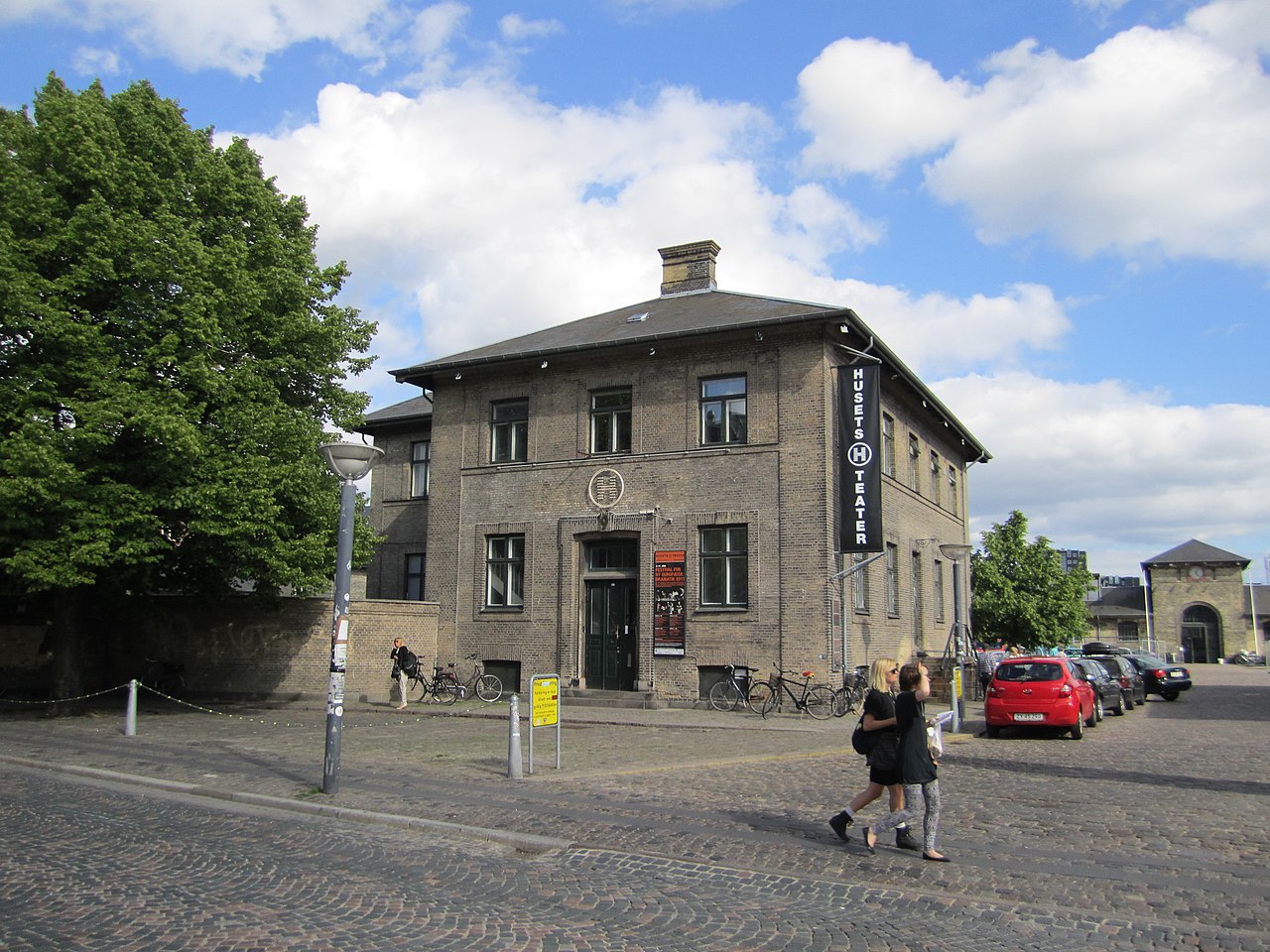
Husets Teater
- Notable
- Art and culture venue
Language · 11 published
Museum · Copenhagen
Reviewed by Elena Voss · Roavina Travel Editor
This place is a Museum. It was established in 2006.
DieselHouse is a Copenhagen industrial-heritage attraction centred on large diesel engines and the maritime-industrial history connected with them. The harbour-area setting reinforces the city’s relationship with shipping, engineering and heavy industry. Visit if you enjoy machines presented at full scale, technical history or places that preserve the atmosphere of industrial work. The experience is more about authentic equipment and engineering presence than a conventional art or history display. DieselHouse is an industrial heritage attraction in Copenhagen, Denmark. It serves as a museum and exhibition space centered on large-scale diesel engine technology and maritime-industrial history. The facility occupies a substantial building in the harbor area, reflecting Copenhagen's historical significance as a port city with strong engineering traditions. The site preserves and presents machinery that represents a major era of Danish industrial achievement. Visitors encounter authentic equipment in an environment designed to convey technical and historical understanding. The attraction appeals to those interested in engineering, maritime history, and industrial archaeology. DieselHouse is an industrial heritage attraction in Copenhagen featuring large historic diesel engines in a harbor-area building.
Checked 2026-08-26 · Source
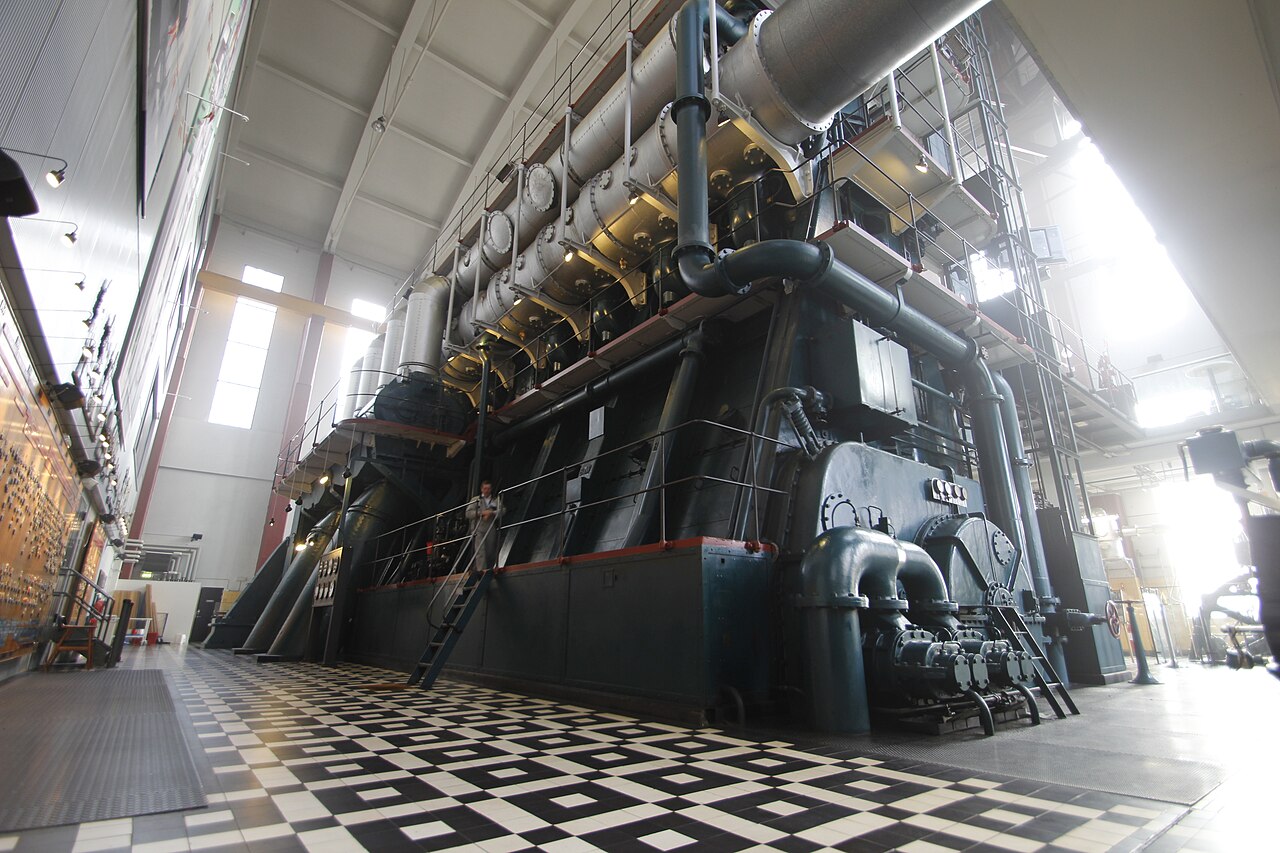
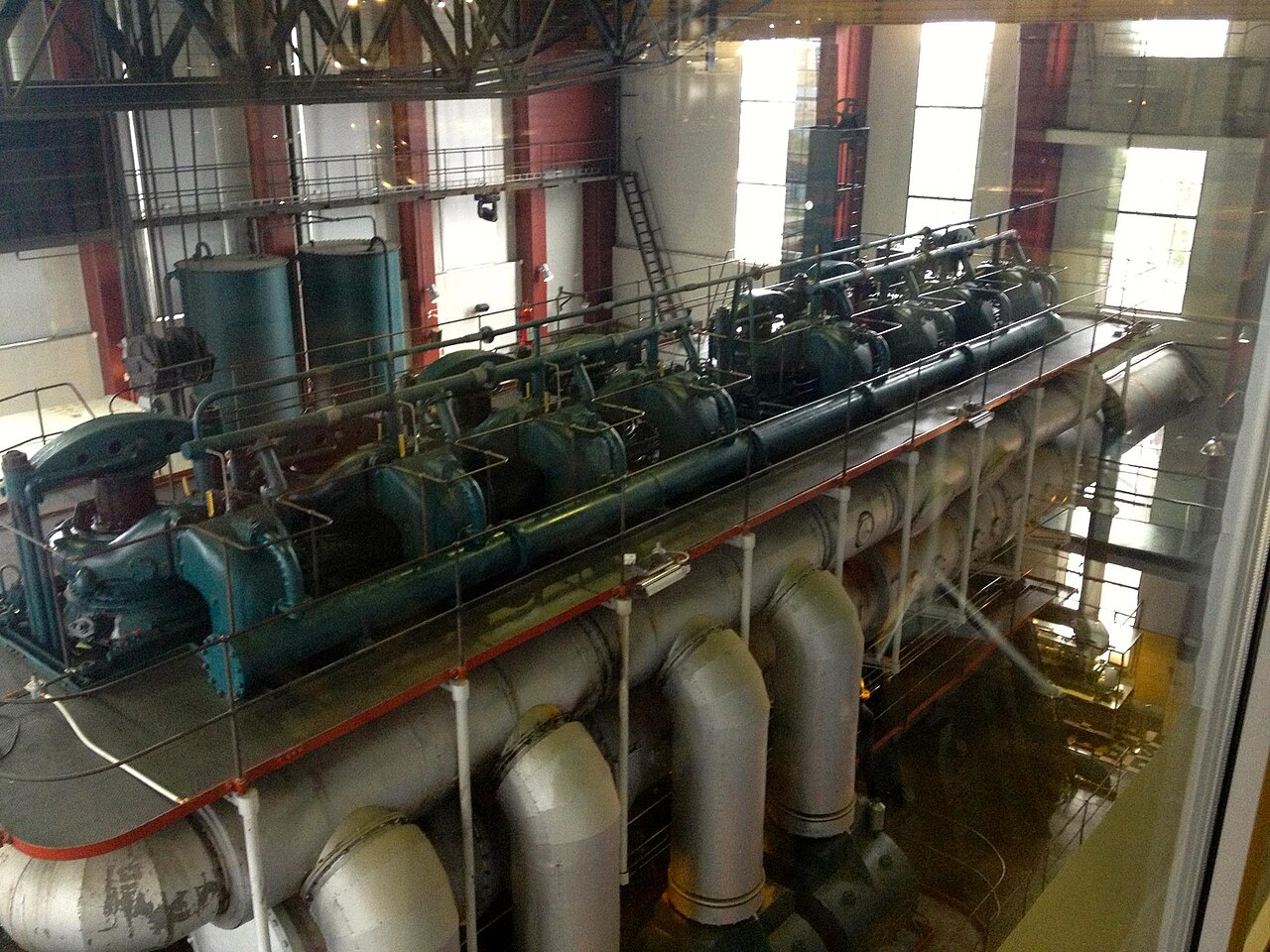
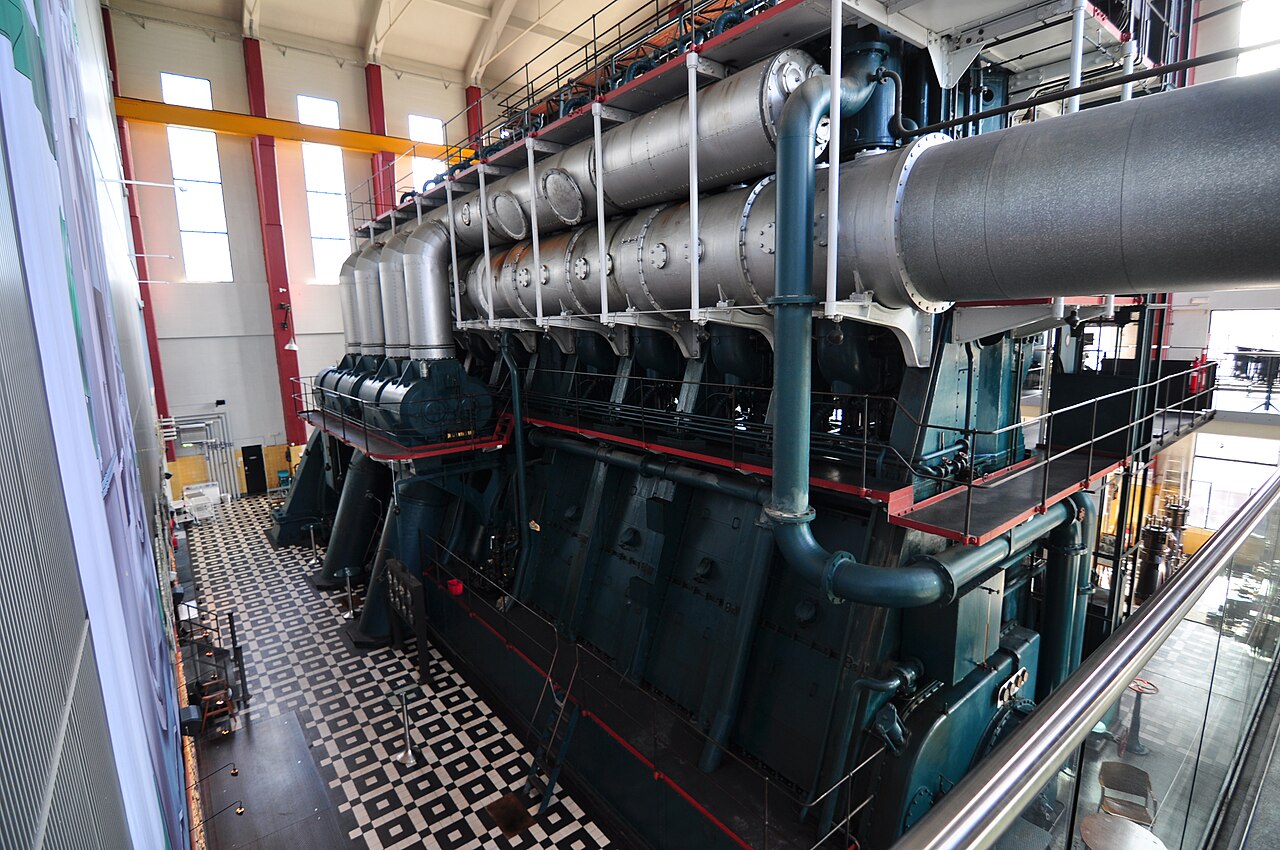
The central attraction is a collection of massive diesel engines, including machinery associated with ships and industrial applications. Their size shapes the entire visit: the engines are objects to walk around, inspect and understand through their mechanical details. The industrial building is part of the setting, providing the scale needed for such equipment. Interpretive material supports the machinery, while the main impression comes from seeing the power units close up in their working environment. The interior of DieselHouse features massive diesel engines as its central exhibits. These machines dominate the spatial experience due to their extraordinary scale. The collection includes engines that powered ships and served industrial applications, representing decades of engineering development. The building itself contributes to the experience, with industrial architecture suited to housing such enormous equipment. Visitors can observe the engineering details of these historic power units up close. The scale of the engines creates an immersive environment that conveys the magnitude of industrial-era technology.
Checked 2026-08-26 · Source
Allow enough time to walk around the main engines without rushing and to read the interpretive material. A brief visit can deliver the essential impression of their extraordinary scale, while technically minded travellers may want a longer stay to study construction, controls and industrial purpose. DieselHouse fits naturally into a harbour-focused day, but its large machinery rewards a slower pace than a quick photograph from the entrance. The duration of a visit to DieselHouse depends on individual interest in industrial heritage and engineering history.
Checked 2026-08-26 · Source
DieselHouse is an indoor choice for a Copenhagen day shaped by harbour history, engineering or maritime culture. It remains relevant when weather makes outdoor sightseeing less comfortable, while the waterfront setting pairs well with other harbour walks in better conditions. Plan it for a day when you can give large machines your attention rather than squeezing it between very short stops. The contrast with Copenhagen’s palaces, canals and design museums is part of its appeal.
Checked 2026-08-26 · Source
Build the stop around its machinery and harbour context rather than a confirmed price. Keep your day’s budget flexible and avoid promising a particular concession or group rate. The museum’s appeal is strongest for visitors who want to see industrial technology directly, making the experience valuable even when approached as one part of a broader Copenhagen culture route.
Checked 2026-08-26 · Source
DieselHouse is mapped in Copenhagen’s harbour area. Use its mapped position with the city’s current transit and cycling network to plan the final approach. Copenhagen’s buses, metro and trains connect the central districts with harbour neighbourhoods, and cycling is a practical way to link waterfront stops. Walking may suit a route that already follows the harbour. Group DieselHouse with nearby maritime or industrial sights so the journey contributes to the day rather than standing alone.
Checked 2026-08-26 · Source
Large industrial halls can feel different from ordinary museums. Wear comfortable shoes for walking around substantial machinery and stay attentive to the visitor route and the equipment surrounding it. Noise can matter if machinery is demonstrated. Set aside time for the physical environment itself: the building, machines and sense of industrial scale work together.
Checked 2026-08-26 · Source
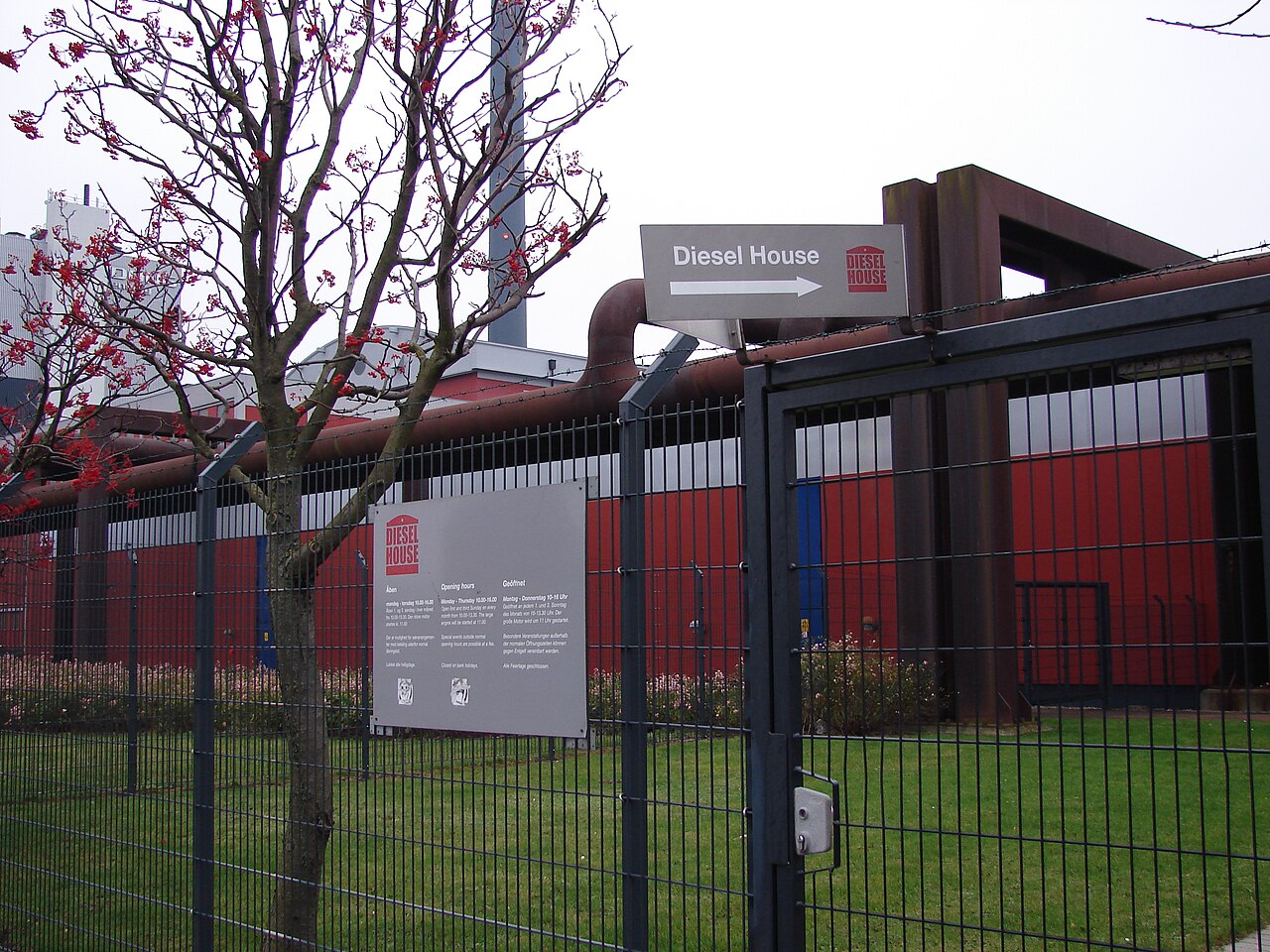
DieselHouse offers strong subjects for photographs: immense engines, dense mechanical detail and the industrial hall that contains them. Low or uneven indoor light may favour a steady hand and patience. Wide images communicate scale, while close views reveal the engineering surfaces, pipes and components that make the visit memorable.
Checked 2026-08-26 · Source
It is a Copenhagen industrial-heritage attraction focused on large diesel engines and maritime-industrial history.
Visitors can see massive diesel engines associated with ships and industrial applications inside a large industrial setting.
It suits travellers interested in engineering, machinery, maritime history, industrial archaeology and authentic large-scale technology.
Give yourself time to walk around the engines and read the interpretation, then connect the visit with Copenhagen’s harbour area.
The attraction is presented as a museum and exhibition space in a substantial harbour-area industrial building.
Their exceptional size lets visitors understand the physical scale of ship and industrial power equipment at close range.
Loading the interactive map…
The interactive map could not be loaded.

Last updated:
Source: OpenStreetMap contributors, Wikidata ·