
2 min walk
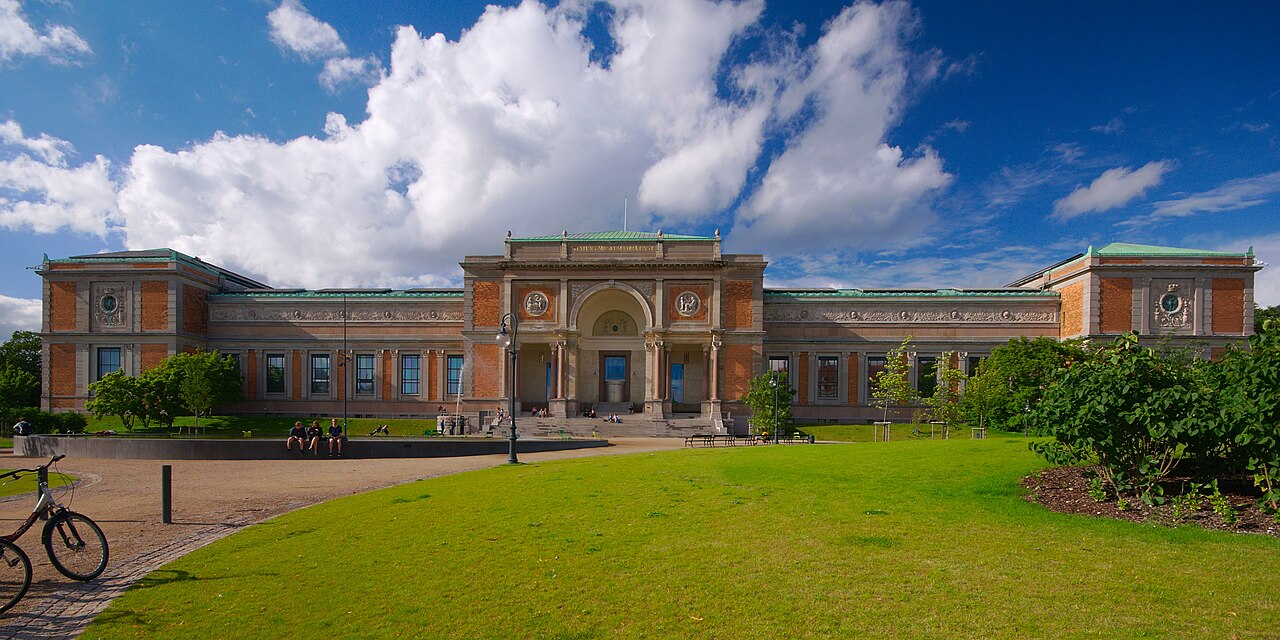
Statens Museum for Kunst
- Must see
- Museum
Language · 11 published
Museum · Copenhagen
Den Hirschsprungske Samling
Reviewed by Elena Voss · Roavina Travel Editor
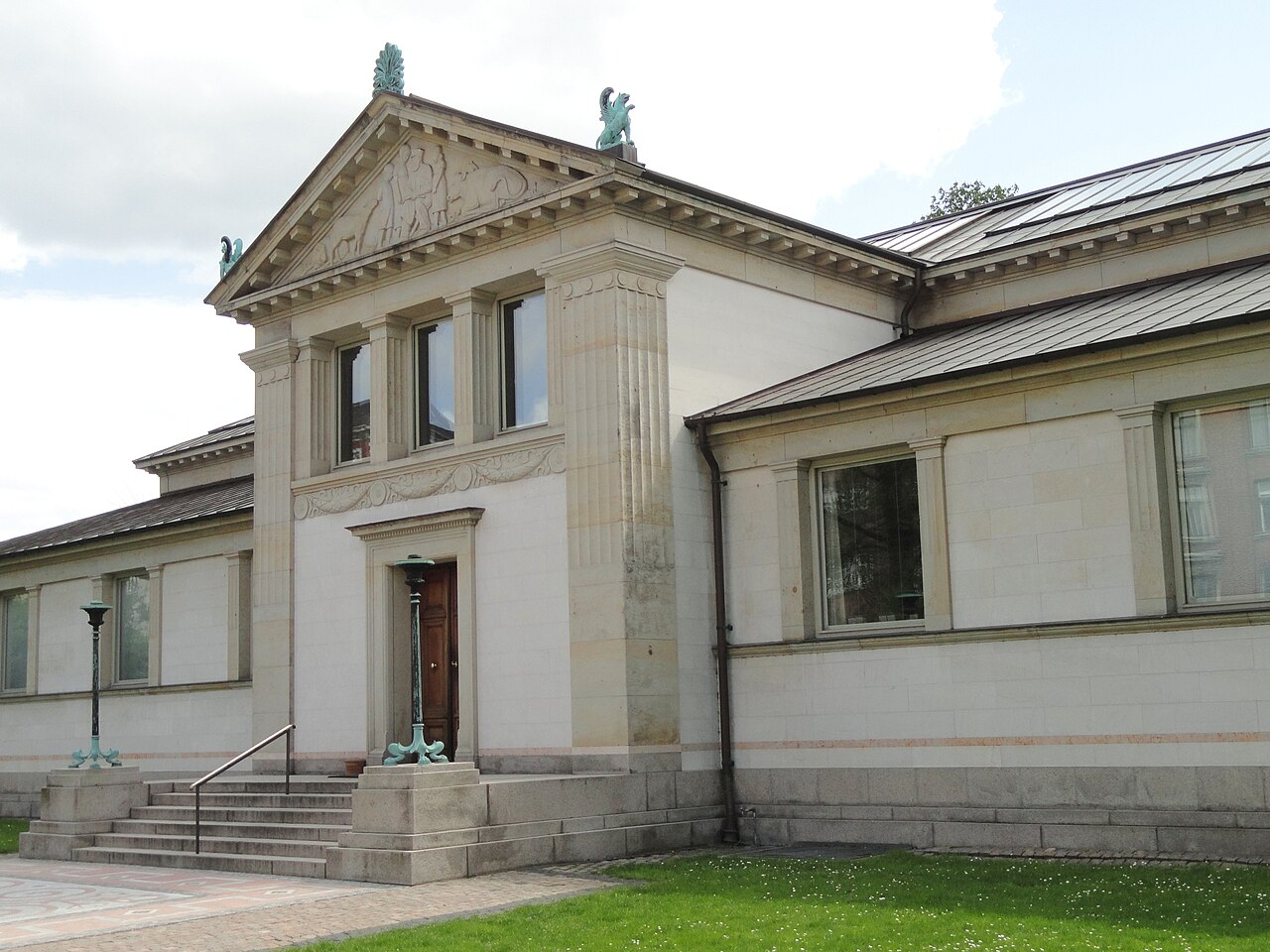
This place is a Museum. It opened in 1911. It carries the monument on Kulturstyrelsen register heritage designation.
The Hirschsprung Collection, or Den Hirschsprungske Samling, is a Copenhagen art museum built around Heinrich Hirschsprung’s collection. The museum focuses on Danish painting from the nineteenth and early twentieth centuries and occupies a purpose-built building near Østre Anlæg. Its intimate scale gives the visit a personal, domestic quality rather than the broad sweep of a large national museum. This is a strong choice for travellers who want concentrated Danish art in a calm central setting. The Hirschsprung Collection, known locally as Den Hirschsprungske Samling, is an art museum in Copenhagen. It was established through the private collection of Heinrich Hirschsprung, a tobacco manufacturer and art patron. The museum opened to the public in the early twentieth century and occupies a purpose-built structure near the Østre Anlæg park. It represents a significant example of a private Danish collection made accessible for public appreciation, reflecting the cultural ambitions of Copenhagen's bourgeois patrons during that era. No. It operates as an independent institution, though it stands near the National Gallery of Denmark.
Checked 2026-08-26 · Source
The museum presents Danish Golden Age painting, works by the Skagen Painters and later Symbolist art. Important names connected with the collection include P.S. Krøyer, Anna Ancher and Michael Ancher. The galleries retain a period character, with rooms arranged to reflect the domestic and salon-like setting associated with Hirschsprung’s original collecting vision. The result is a close encounter with paintings, where the room sequence and the relationship between works are part of the experience. The collection concentrates on Danish art from the nineteenth and early twentieth centuries. Visitors encounter paintings by the Skagen Painters, a colony of artists working in northern Jutland.
Checked 2026-08-26 · Source
Allow about ninety minutes to two hours for the Hirschsprung Collection. The museum is compact enough for a focused visit, yet the paintings reward slower looking. Travellers interested in Danish art history may want the longer end of that range, especially when comparing Golden Age, Skagen and Symbolist works. The nearby National Gallery of Denmark makes a natural second museum stop, but leave enough time here to appreciate the collection’s intimate rooms rather than passing through quickly.
Checked 2026-08-26 · Source
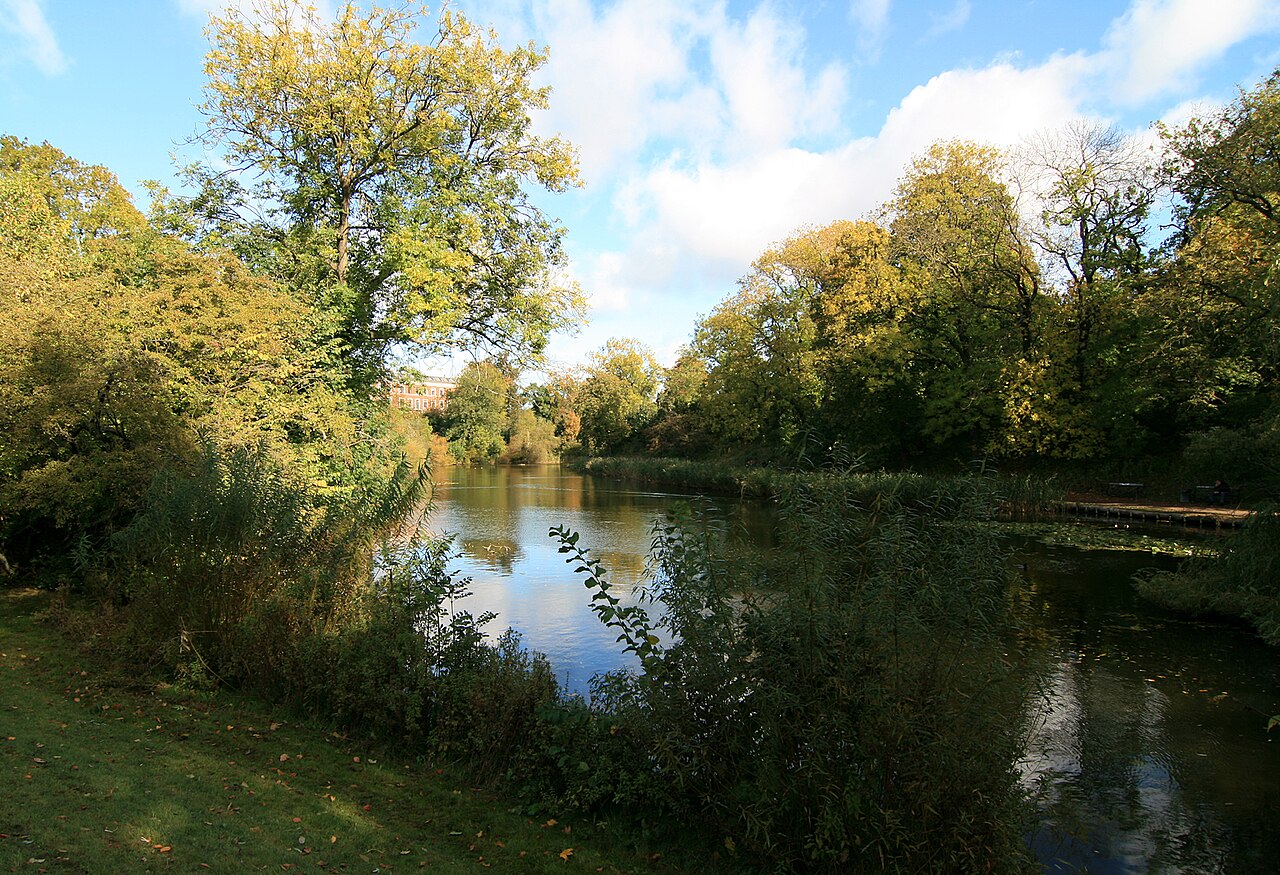
Morning is a good time for a quieter museum visit, while the adjoining Østre Anlæg adds an outdoor element in favourable weather. The museum works well in a Copenhagen culture itinerary alongside the nearby National Gallery of Denmark. Its indoor galleries also make it a useful stop when you want a concentrated art experience away from the weather. Plan the visit as a dedicated museum period, because the small scale rewards attention to individual paintings and the historic presentation of the rooms.
Checked 2026-08-26 · Source
The Hirschsprung Collection is a museum visit centred on its Danish art holdings and intimate gallery presentation. Treat the museum as a separate stop from the nearby National Gallery of Denmark rather than expecting one entry arrangement to cover both institutions. The strongest preparation is to reserve enough time for the galleries and to keep the museum visit distinct from the surrounding park walk.
Checked 2026-08-26 · Source
The Hirschsprung Collection is in central Copenhagen near Østre Anlæg and the National Gallery of Denmark. The location suits a walking day focused on museums and parkland. Copenhagen’s cycling network also makes the area practical to reach by bicycle. Public transport serves the city centre, followed by a walk to the museum. Combining the collection with the National Gallery creates a coherent cultural route, while Østre Anlæg provides an outdoor setting before or after the galleries.
Checked 2026-08-26 · Source
The Hirschsprung Collection’s strength is its concentration, so a hurried visit can miss the connections between artists and periods. The intimate galleries may feel busier when groups or school visits are present. Treat the building as a historic museum setting and move carefully through the rooms. Keep the nearby National Gallery as a separate attraction with its own scale and collection. A flexible pace works best: the museum is small, but the paintings invite close attention.
Checked 2026-08-26 · Source
The collection’s period rooms, close-hung paintings and domestic presentation create a distinctive photographic setting. Photography inside the galleries should remain quiet and should follow any museum signs or staff directions. Do not let a camera interrupt other visitors’ viewing. The surrounding Østre Anlæg offers additional outdoor subjects, while the National Gallery provides a contrasting architectural and artistic setting nearby. In the museum, focus on the relationship between paintings and rooms rather than treating the galleries as a backdrop for staged portraits.
Checked 2026-08-26 · Source
The museum focuses on Danish art from the nineteenth and early twentieth centuries, including Danish Golden Age, Skagen and Symbolist works.
The collection prominently includes works by P.S. Krøyer, Anna Ancher and Michael Ancher, alongside other Danish artists.
Allow approximately ninety minutes to two hours for a focused visit through the intimate galleries.
Yes. The collection stands near the National Gallery of Denmark, making it practical to combine both museums in one Copenhagen culture itinerary.
Yes. The galleries retain a domestic and salon-like period character connected with Heinrich Hirschsprung’s original collecting vision.
Østre Anlæg is beside the museum and adds a park walk to the art visit. The National Gallery of Denmark is also nearby.
Loading the interactive map…
The interactive map could not be loaded.
Last updated:
Source: OpenStreetMap contributors, Wikidata ·