The Little Mermaid
Den lille Havfrue
Den lille Havfrue is a bronze figure of a mermaid half-turned into a woman, set on a granite boulder in the water at the edge of the Langelinie promenade.
- Must see
- Art and culture venue
Language · 11 published
City guide · Denmark
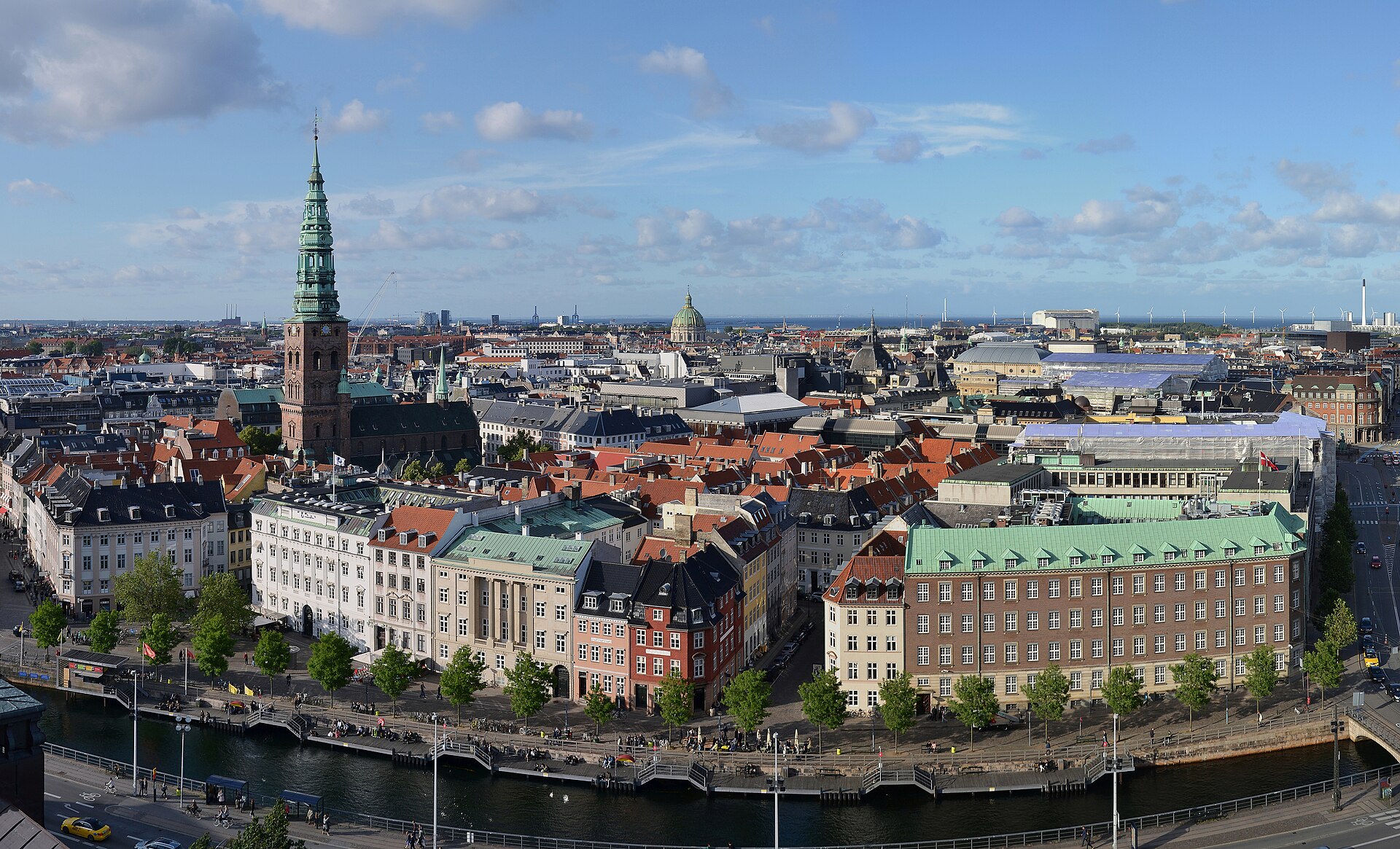
Copenhagen's compact centre sits around Indre By, with the harbour separating it from Christianshavn and Amager. Frederiksberg lies west as a separate municipality inside the urban fabric, while Norrebro and Osterbro extend north of the centre. Major visitor areas are connected by metro, trains, buses and cycle routes, and most central clusters remain practical to explore on foot.
Reviewed by Elena Voss · Roavina Travel Editor
Set your days, your pace and the hours you actually want to be out. The planner works around closing days and travel time, and leaves room to eat.
Ranked by importance — sitelinks, pageviews and heritage status, not editor preference.
14 places match
Category
Typical visit duration
Interests
Den lille Havfrue
Den lille Havfrue is a bronze figure of a mermaid half-turned into a woman, set on a granite boulder in the water at the edge of the Langelinie promenade.
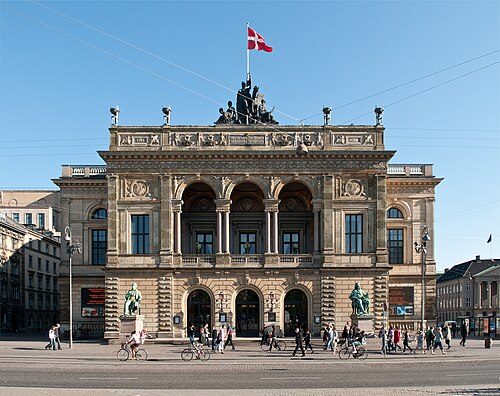
Det Kongelige Teater
The Royal Danish Theatre, known locally as Det Kongelige Teater, stands as Denmark's national theatre and a prominent performing arts institution in Copenhagen. Founded in 1748, it serves as the country's principal venue for opera, ballet, and spoken drama.
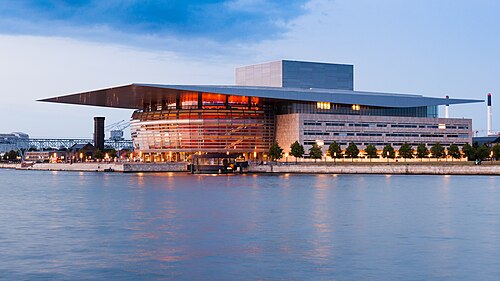
Operaen
The Copenhagen Opera House, known locally as Operaen, is a prominent performing arts venue situated on Holmen island in central Copenhagen. It stands as one of Denmark's most significant cultural institutions, dedicated to opera and ballet performances.
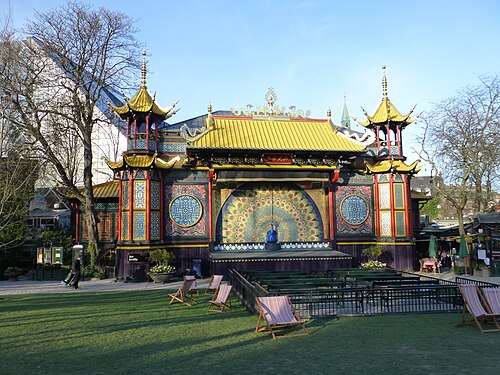
Pantomimeteatret is a historic theatre inside Tivoli Gardens in Copenhagen. It is known for traditional pantomime rooted in Italian commedia dell'arte, with characters such as Harlequin and Columbine brought to life through movement, costume, masks, and physical comedy.
DR Koncerthuset
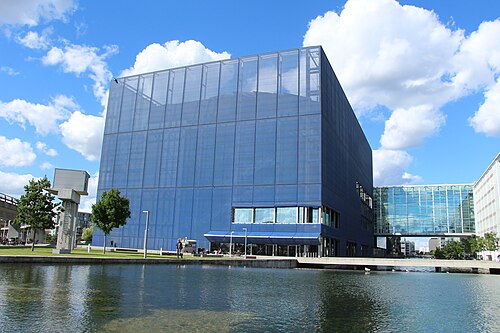
DR Koncerthuset is a major Copenhagen concert venue and the home of the Danish National Symphony Orchestra. Designed by Jean Nouvel, it opened in 2009 in the Ørestad development.
Det Ny Teater
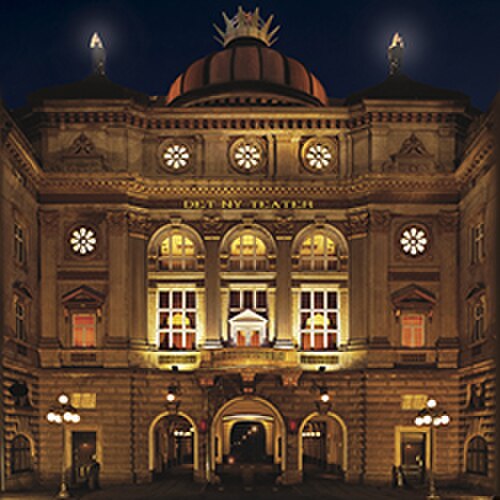
Det Ny Teater is a historic performing-arts venue in Copenhagen, Denmark. Its Danish name is commonly written Det Ny Teater, while the English rendering is Det Ny Theater.
Cirkusbygningen
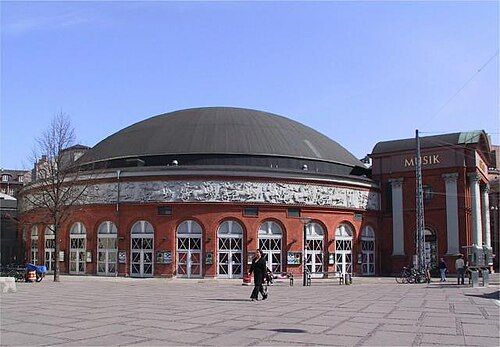
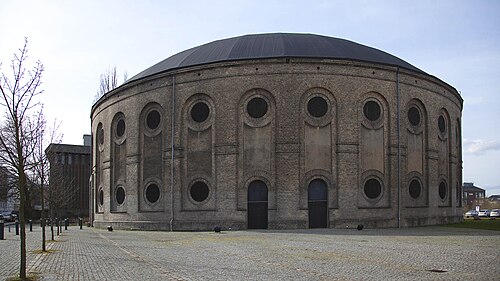
The Circus Building, or Cirkusbygningen, is a historic circular performance venue in central Copenhagen. Its domed profile and rounded plan recall the building’s original relationship with circus entertainment and equestrian shows.
Mogens Dahl Koncertsal
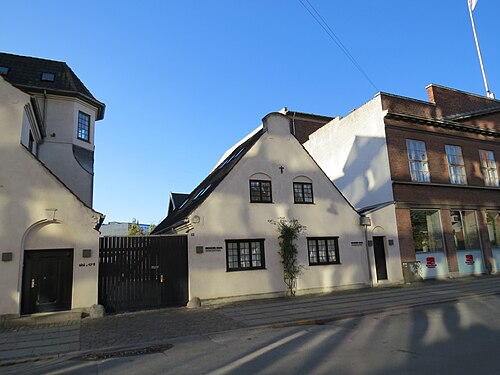
Mogens Dahl Concert Hall, also called Mogens Dahl Koncertsal, is a Copenhagen performance venue for classical and chamber music. Its role is centred on live listening in an intimate concert setting rather than on a collection or permanent exhibition.
Skuespilhuset
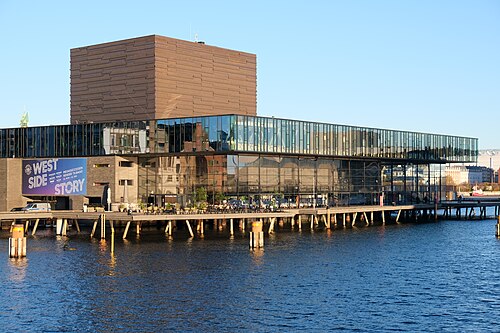
The Royal Danish Playhouse, also known as Skuespilhuset, is the Royal Danish Theatre’s dramatic stage on Copenhagen’s central harbourfront.
Østre Gasværk Teater
Øster Gasværk Teater is a working theatre in Copenhagen’s Østerbro district, housed in a converted gasworks building. The venue combines industrial heritage with contemporary performing arts, making the building itself part of the experience before the curtain rises.
Nørrebro Teater
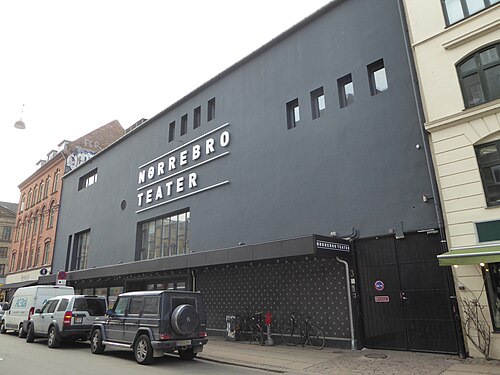
Nørrebros Theater, also known locally as Nørrebro Teater, is a professional theatre in Copenhagen’s Nørrebro district. It belongs to the city’s performing-arts landscape and offers audiences the chance to experience theatre within one of Copenhagen’s lively urban neighbourhoods.
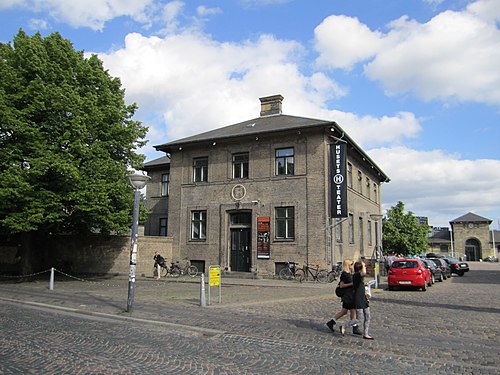
Husets Teater is a Copenhagen theatre for live performances presented inside the Huset-KBH cultural-house setting near Rådhuspladsen.
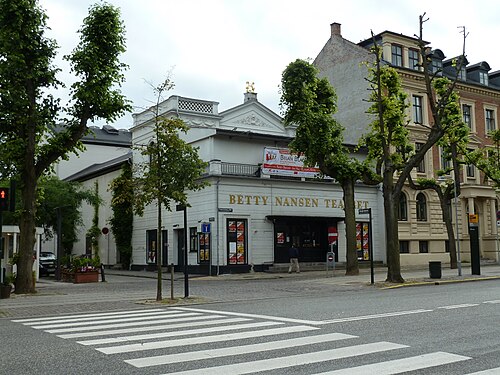
Betty Nansen Teatret is a theatre venue in Copenhagen, Denmark, and a destination for visitors interested in the city's performing arts.
Tivolis Koncertsal
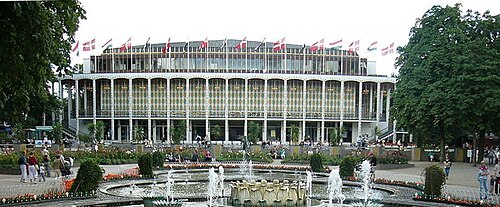
Tivoli Concert Hall, or Tivolis Koncertsal, is a performance venue within Copenhagen’s Tivoli Gardens. It gives the amusement park a strong cultural dimension, with concerts and other programmed events taking place alongside rides, gardens, and historic buildings.
Source: OpenStreetMap contributors, Wikidata ·
Indre By contains the historic centre, main shopping streets, palace district and inner harbour. Christianshavn sits across the water, Vesterbro lies west of Central Station, and Norrebro and Osterbro extend north. Frederiksberg forms a green western district with its own centre. The harbour is both a boundary and a transport corridor, so combine waterfront sights by side before crossing repeatedly.
Checked 2026-08-26
Walk or cycle for short central journeys and use metro, trains and buses for longer trips. Visit Copenhagen states that the metro operates throughout the day and night and connects the centre with major neighbourhoods and the airport. Harbour buses are part of public transport and serve waterfront journeys. Buy the correct ticket before boarding and use the journey planner for zone-dependent trips.
Checked 2026-08-26
A fixed duration is not recorded. Plan by cluster: Indre By, Christianshavn and the harbour, then Vesterbro, Norrebro, Osterbro or Frederiksberg according to interest.
Yes. Indre By and the inner harbour are compact enough for walking. Cycling and public transport are useful when moving between outer neighbourhoods or across the wider city.
Yes. Visit Copenhagen states that the metro operates throughout the day and night, connecting the centre with major neighbourhoods and Copenhagen Airport.
Yes. Harbour buses use the public transport system and provide a practical waterfront connection as well as a view of the city from the water.
Metro and regional trains both connect the airport with the city. The better choice depends on the destination neighbourhood, so check the official journey planner before departure.