
.jpg)
.jpg)


2 min walk
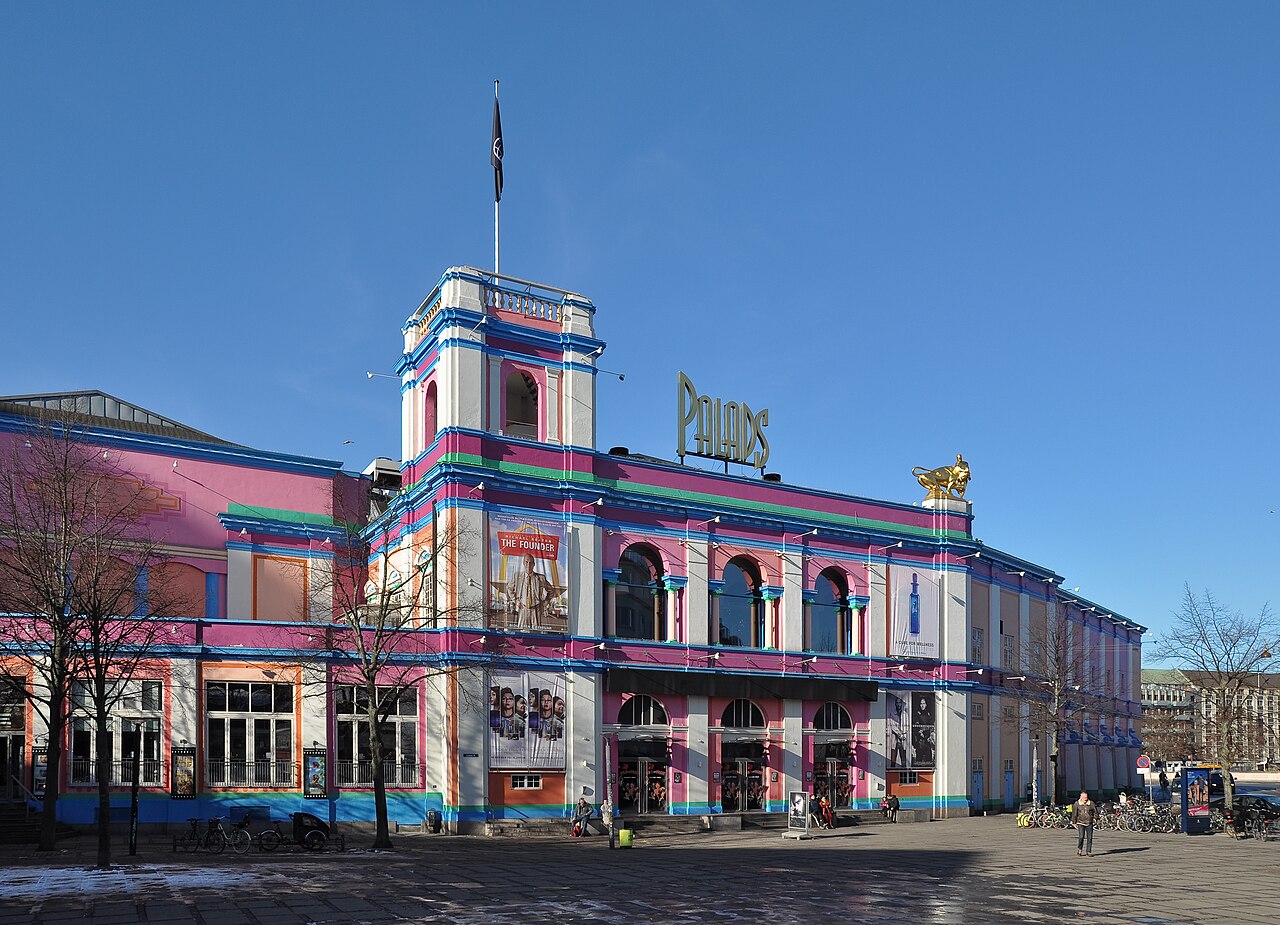
Palads Teatret
- Must see
- Entertainment venue
Language · 11 published
Art and culture venue · Copenhagen
Cirkusbygningen
Reviewed by Elena Voss · Roavina Travel Editor
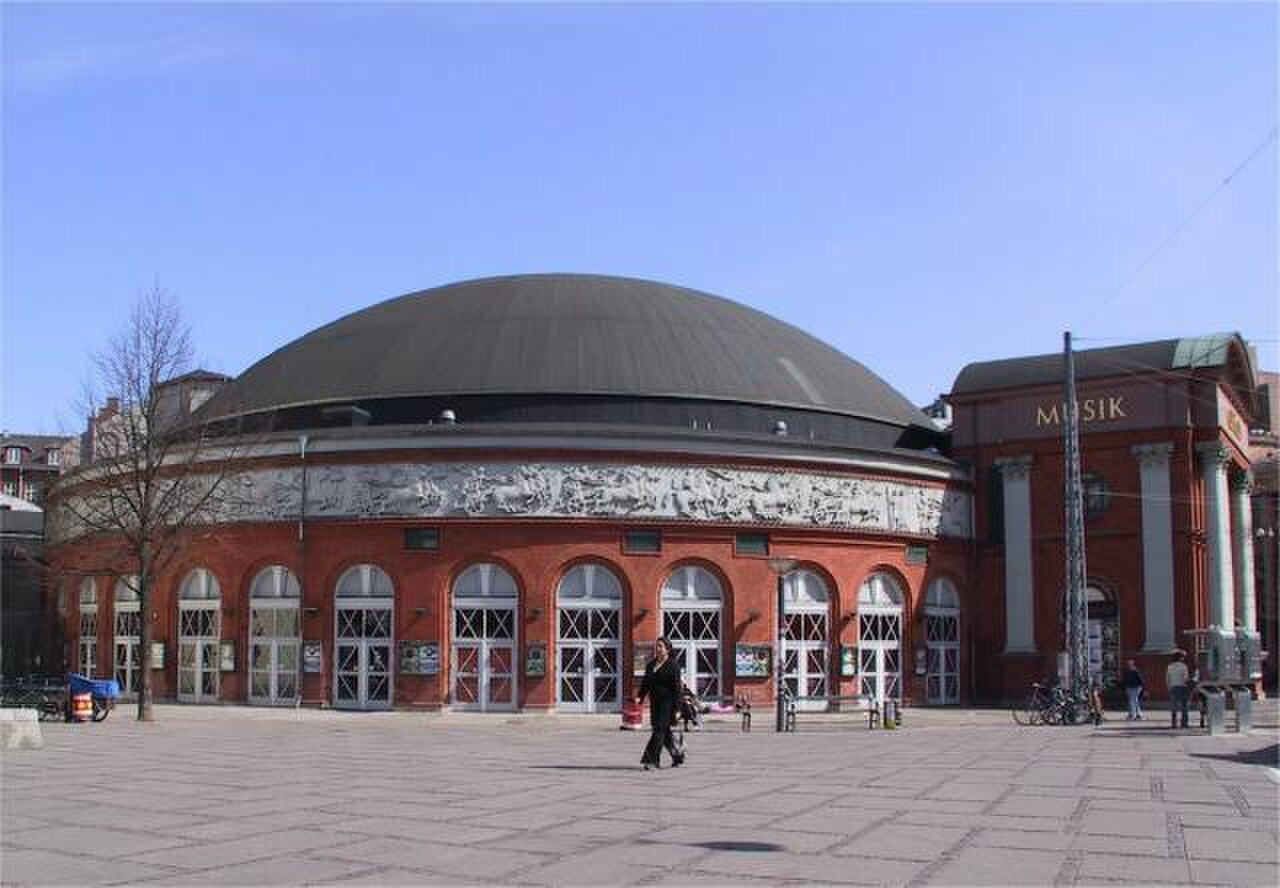
This place is a Theatre. It opened in 1886. It was built in the Historicism style. It was designed by Henrik Vilhelm Brinkopff. It carries the monument on Kulturstyrelsen register heritage designation.
The Circus Building, or Cirkusbygningen, is a historic circular performance venue in central Copenhagen. Its domed profile and rounded plan recall the building’s original relationship with circus entertainment and equestrian shows. Today, it is best understood as an architectural landmark and event venue rather than a conventional museum. Include it in a city-centre walk when you want to see Copenhagen’s nineteenth-century entertainment heritage alongside busy urban streets and modern cultural venues. The Circus Building, known locally as Cirkusbygningen, is a historic performance venue in Copenhagen. Constructed in the late 19th century, it was originally built to host circus performances and equestrian shows. The distinctive circular structure with its ornate domed roof makes it a notable architectural landmark in the Danish capital. Over its long history, the building has served multiple entertainment purposes while maintaining its characteristic circular form that originally accommodated circus rings and audience seating. No. Public access depends on scheduled events and programming. The building primarily functions as a commercial venue rather than permanent public attraction.
Checked 2026-08-26 · Source
The building’s identity comes from its circular performance layout, domed roof and connection with live entertainment. Visitors attending an event may experience an auditorium designed around a central spectacle, while a casual passer-by will mainly appreciate the exterior. The venue has hosted different forms of entertainment over time, so its interior character can change with the programme. Treat the building as a working cultural venue, not as a permanent exhibition with a fixed display route. The interior of Cirkusbygningen retains features suited to its original circus and performance functions. The circular main hall historically contained performance space for equestrian acts and circus presentations. The building's architecture reflects 19th-century entertainment venue design with its domed roof structure.
Checked 2026-08-26 · Source
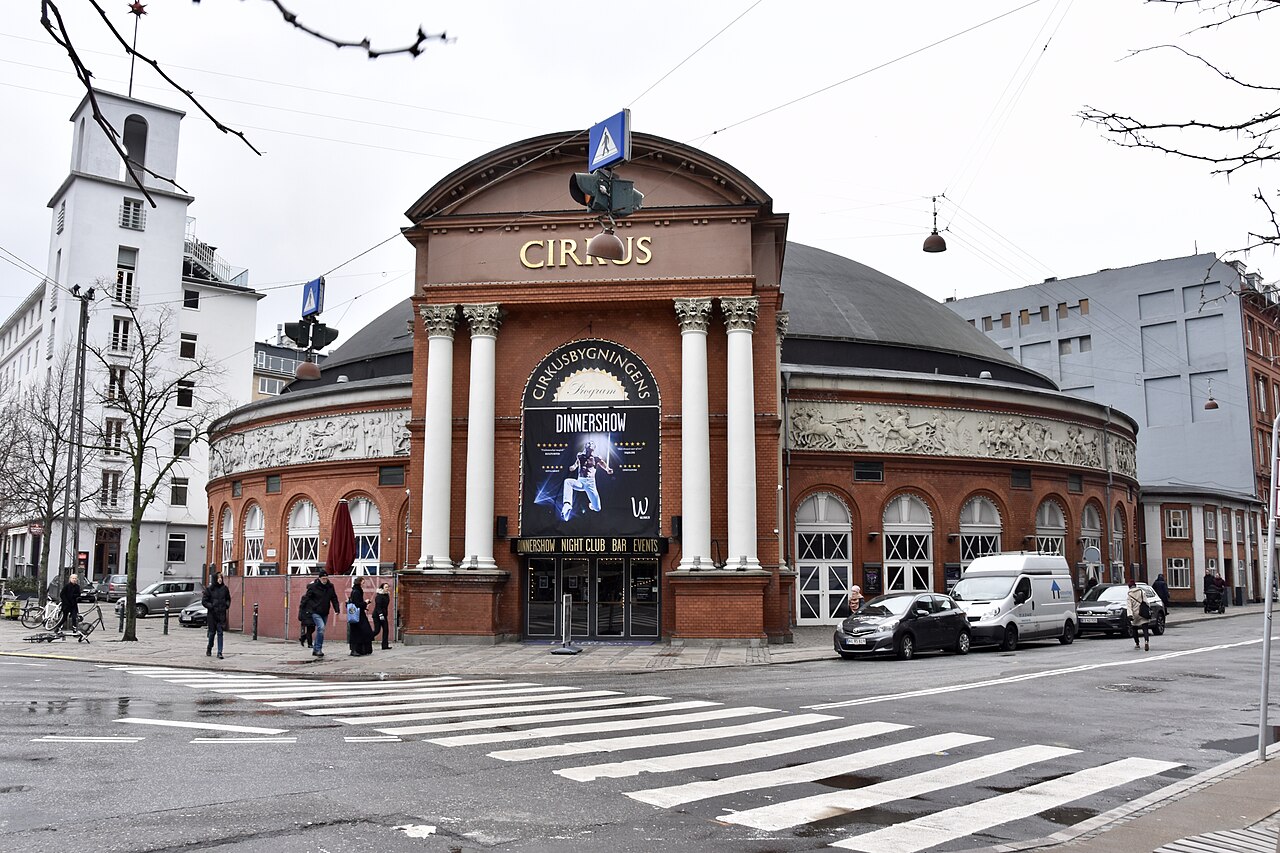
Allow around fifteen to thirty minutes for an exterior visit, including time to walk around the facade and view the dome from different angles. An event visit requires the length of the performance plus time for arrival and departure. The building works well as a short stop between other central Copenhagen sights. If you are attending a show, make the event the main commitment of the evening and use nearby streets for a relaxed walk before or afterwards.
Checked 2026-08-26 · Source
Visit during daylight when your main aim is to study the architecture or photograph the roofline. Summer provides longer evening light, while winter daylight is shorter and outdoor observation can feel colder and windier. Interior access is tied to performances and other venue activity, so an exterior visit is the dependable choice for a sightseeing walk. Evening events give the building a different atmosphere as visitors gather around an illuminated entertainment venue.
Checked 2026-08-26 · Source
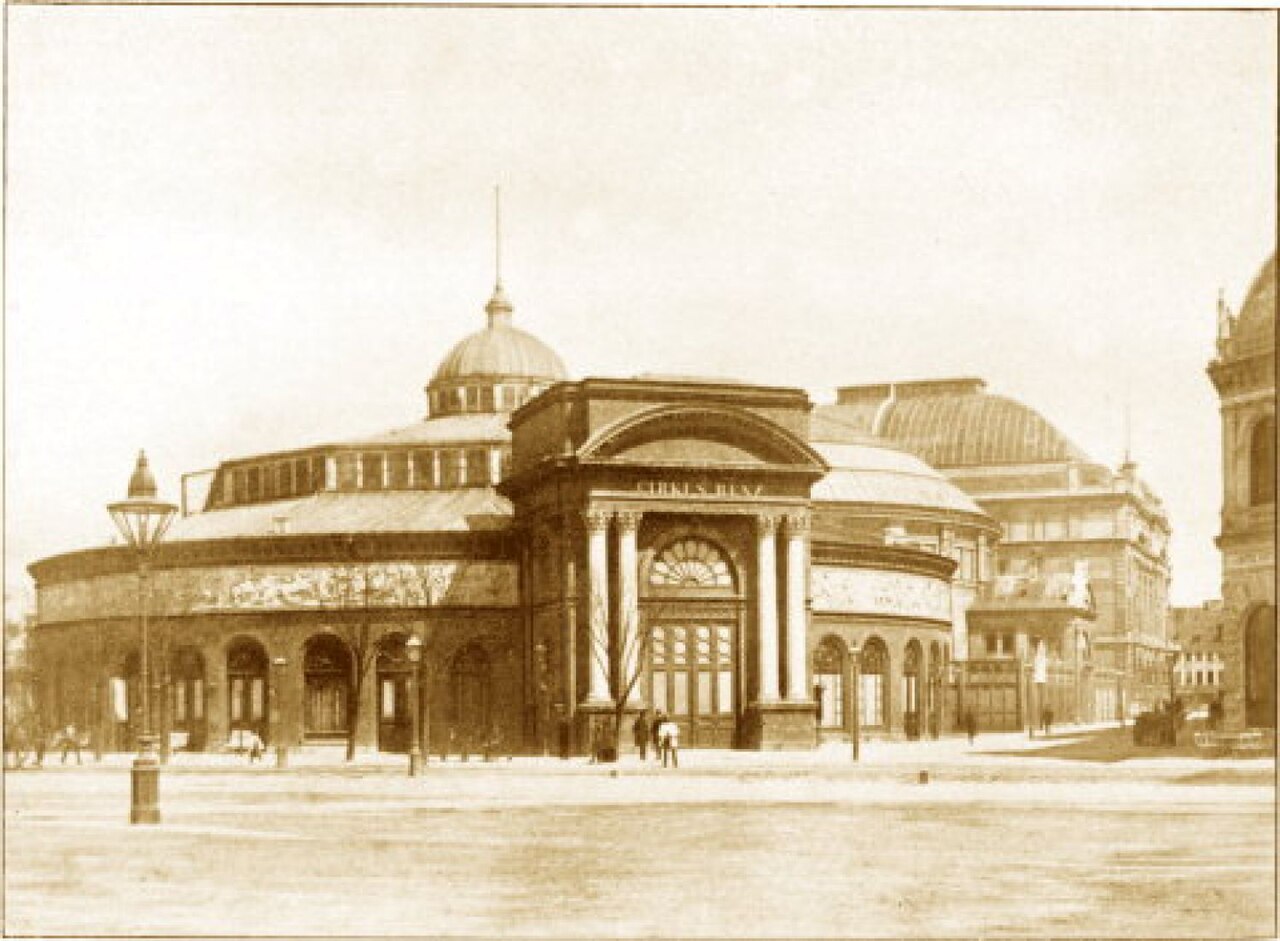
The exterior can be appreciated as part of a walk through central Copenhagen without entering an event. Interior admission belongs to the individual performance or programme taking place inside, rather than to a permanent museum ticket. If you have tickets, allow time to find the entrance and settle before the start. For a no-cost architectural stop, remain on the surrounding public streets and focus on the distinctive circular silhouette, facade and dome.
Checked 2026-08-26 · Source
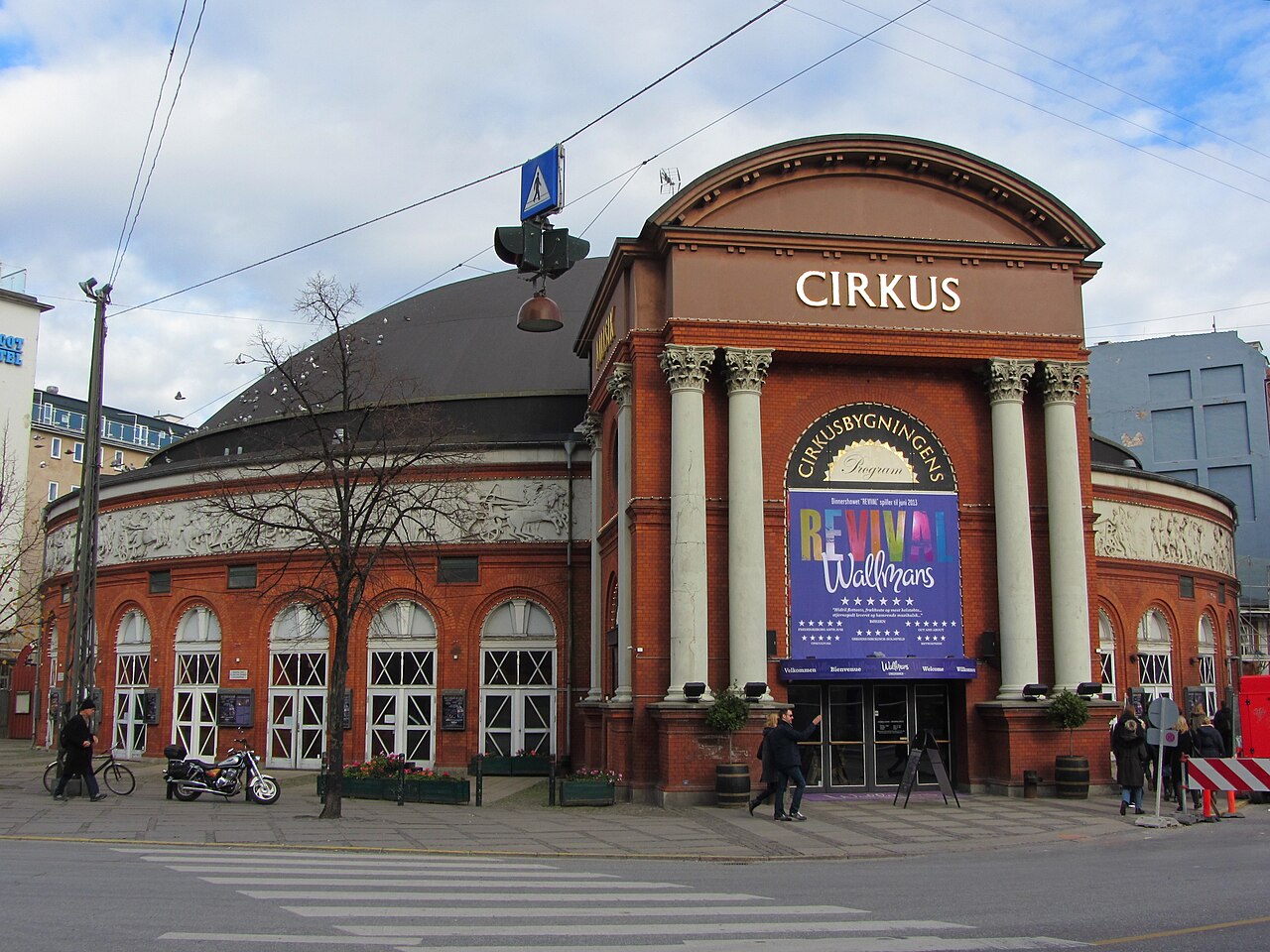
Cirkusbygningen is in central Copenhagen and fits naturally into a walking route through the city centre. The surrounding area is served by Copenhagen’s public transport network, and cycling is a practical way to move between central districts. On foot, approach from nearby streets and pause outside to understand the building’s rounded mass. If you are arriving for a performance, leave extra time for city-centre pedestrian traffic, bicycles and the movement of other event visitors.
Checked 2026-08-26 · Source
The building is an active entertainment venue, so entrances and interior areas may be occupied by performers, staff or event audiences. Keep to public paths when viewing the exterior and avoid blocking entrances during arrivals or departures. Copenhagen’s cycle traffic can be fast and quiet, especially on central streets. Outdoor viewing offers little protection from rain or wind. During an event, follow staff directions and remember that the venue’s atmosphere is shaped by its current programme.
Checked 2026-08-26 · Source
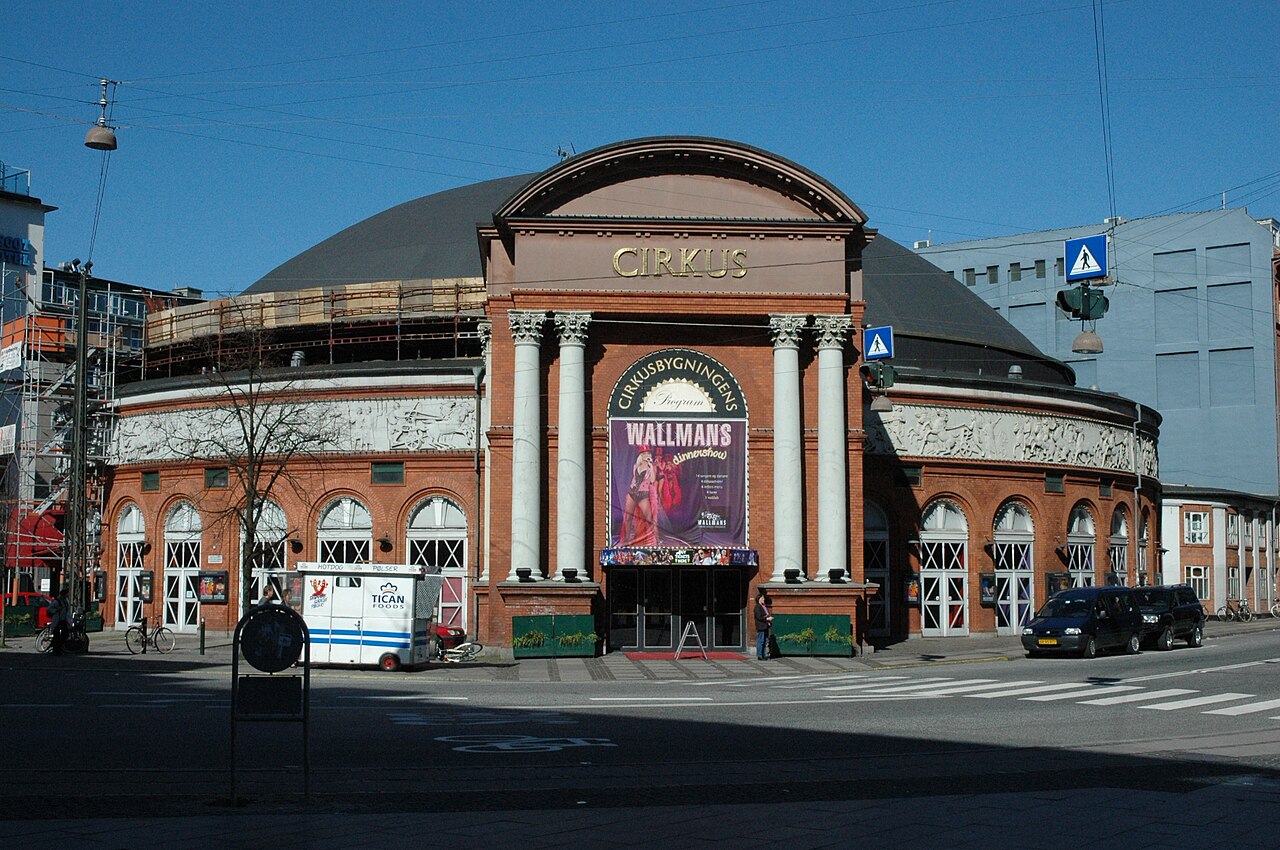
The dome and circular facade reward photographs from several positions rather than from one frontal viewpoint. Step back where the street allows and include surrounding buildings to show the venue’s scale within central Copenhagen. Side angles can reveal the geometry of the rounded structure, while evening light can emphasise the building’s role as a performance venue. Keep equipment clear of pedestrian routes, and follow any restrictions that apply when an event is in progress.
Checked 2026-08-26 · Source
It is a historic circular performance venue known locally as Cirkusbygningen, recognised for its domed form and long association with entertainment.
Yes. You can view the distinctive exterior, circular form and dome from the surrounding public streets as part of a central Copenhagen walk.
Plan fifteen to thirty minutes for exterior viewing. An event visit takes the duration of the performance plus arrival and departure time.
The domed roof and rounded facade are the strongest subjects, especially when photographed from different street-level angles with nearby buildings for context.
It is a performance venue whose interior arrangement is connected to the event or entertainment programme taking place there.
Its circular plan, domed roof and historic connection with circus and equestrian entertainment make it a distinctive Copenhagen landmark.
Loading the interactive map…
The interactive map could not be loaded.
Last updated:
Source: OpenStreetMap contributors, Wikidata ·