.jpg)
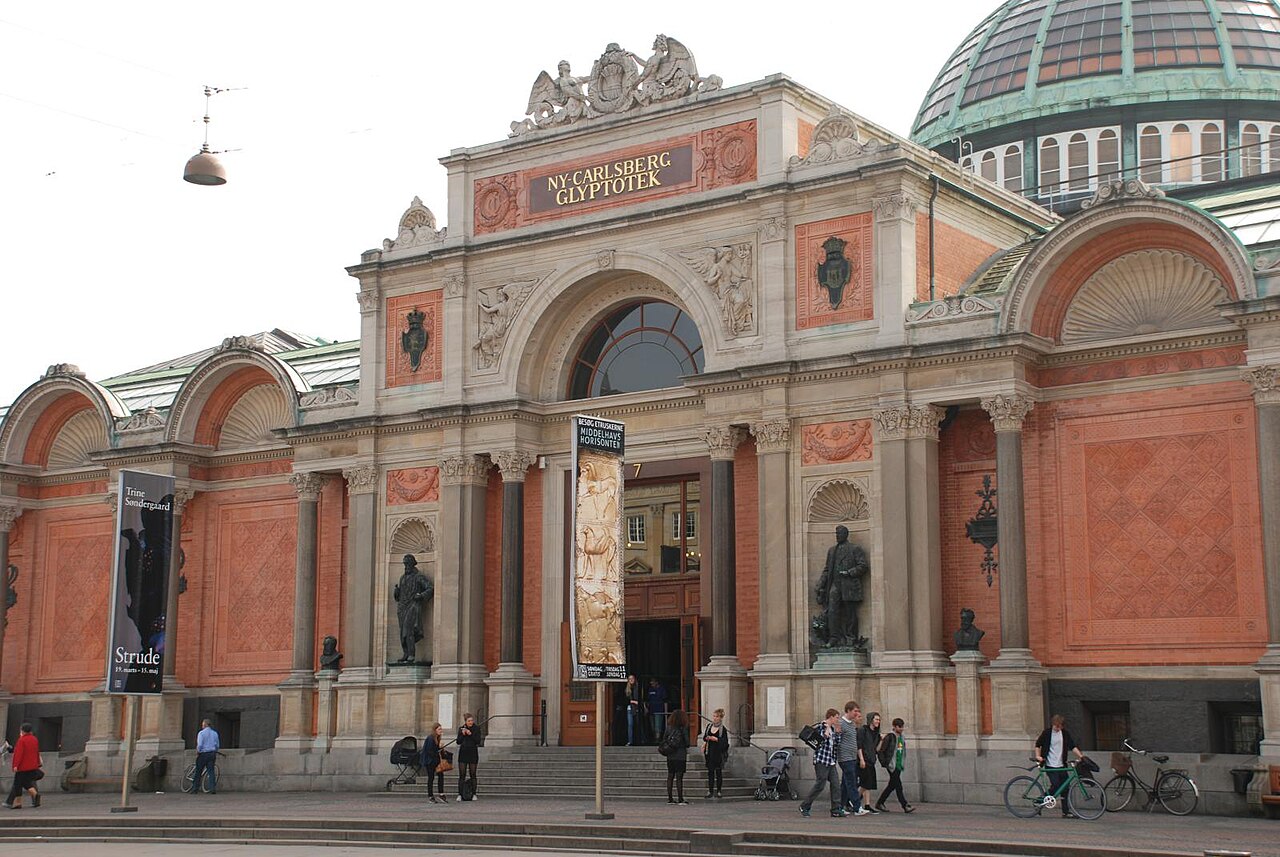
3 min walk
Ny Carlsberg Glyptotek
- Must see · Heritage site
- Museum
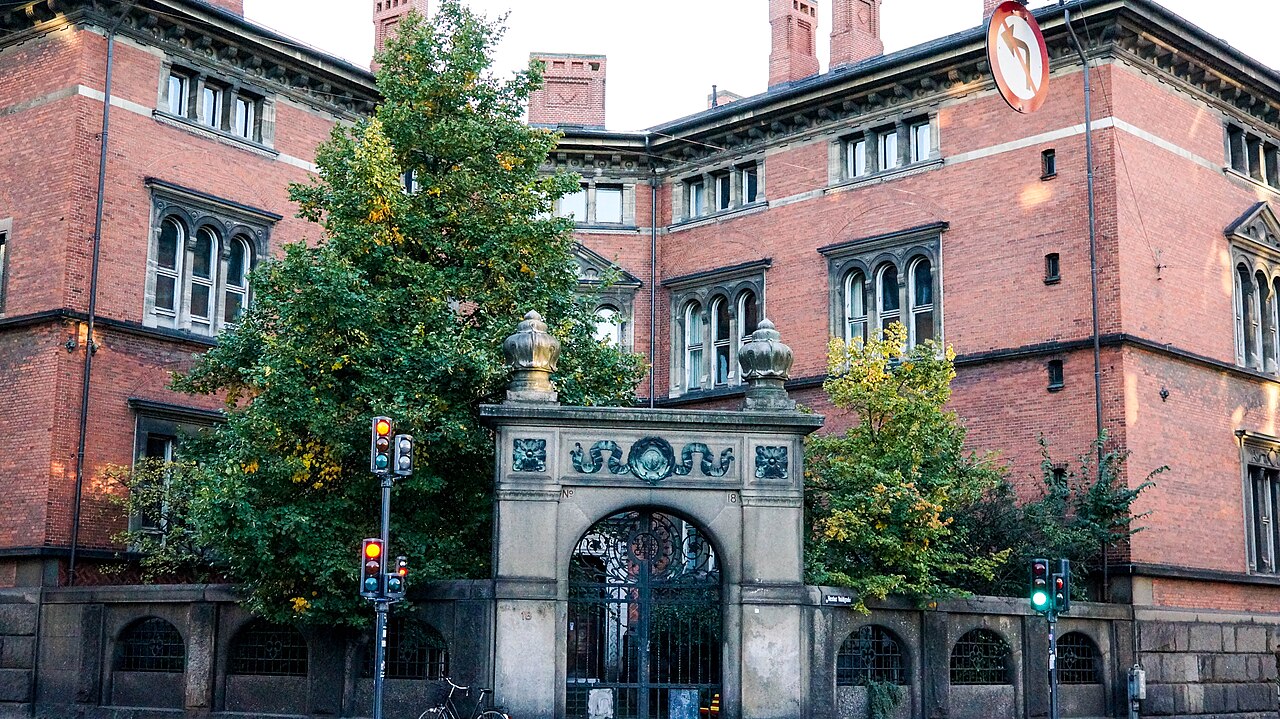
Museum · Copenhagen
Københavns Museum
| Monday | 10:00 – 17:00 |
|---|---|
| Tuesday | 10:00 – 17:00 |
| Wednesday | 10:00 – 17:00 |
| Thursday | 10:00 – 20:00 |
| Friday | 10:00 – 17:00 |
| Saturday | 11:00 – 17:00 |
| Sunday | 11:00 – 17:00 |
Parsed from OpenStreetMap opening hours on 2026-09-09.
The Museum of Copenhagen, or Københavns Museum, explores the history of Denmark's capital through archaeological finds, historical objects, and stories of urban life. Its subject is the city itself: how Copenhagen began, expanded, was rebuilt, and changed as the lives of its residents changed. The museum suits travellers who want context for the streets, buildings, harbour, and neighbourhoods they see elsewhere in the city. Rather than presenting one royal collection or one isolated event, it connects everyday life with larger developments in commerce, public health, planning, society, and politics. It is a useful anchor for understanding Copenhagen beyond its famous views.
Checked 2026-08-26 · Source
The displays bring together archaeological discoveries from Copenhagen's early settlement with objects from later periods of urban growth. Visitors can encounter domestic items, architectural fragments, and material evidence connected with the people who built, worked in, governed, and inhabited the capital. The museum's narrative moves between large changes and ordinary experience, helping explain how streets and institutions developed over time. Read the displays as a city story rather than as a collection of unrelated objects. A visit is especially rewarding before or after exploring central Copenhagen, because familiar streets gain more depth when viewed through the museum's historical themes.
Checked 2026-08-26 · Source
Most travellers can give the museum one to two hours and still leave room for other Copenhagen sights. The collection rewards a steady pace, especially when reading about how the city developed and comparing objects from different periods. History enthusiasts may stay longer, while families or visitors making a short central-city stop can focus on the displays that connect most directly with places they have already seen. Keep the visit flexible: the museum's chronological and urban themes make it easy to slow down around a particular period without needing to treat every object equally. Pairing the museum with a walk gives the indoor visit a clear sense of place.
Checked 2026-08-26 · Source
Choose the museum for a daytime cultural stop, particularly when you want historical context before continuing through Copenhagen's streets. Its central position makes it easy to connect with other city-centre activities before or after the visit. A weekday can offer a calmer reading experience, while a weekend visit fits naturally into a broader sightseeing day. Allow enough time to follow the displays without turning the museum into a rushed interval between appointments. Temporary exhibitions and institutional schedules can change, so build the visit around the museum's current public programme and leave a little flexibility in the day's route.
Checked 2026-08-26 · Source
The museum visit is organised through its current admission arrangements, with the relevant ticket categories and entry conditions presented by the institution. Plan it as a normal museum stop and keep the admission decision separate from the surrounding walking route. A traveller who wants a focused history visit can make the museum the main indoor activity, while others can combine it with nearby streets and landmarks. Allow time for the entrance process before beginning the displays. The most useful preparation is to place the museum in the day's cultural sequence, so its city-history material connects naturally with the Copenhagen neighbourhoods explored afterwards.
Checked 2026-08-26 · Source
The Museum of Copenhagen is in the central urban area and fits naturally into a walking-based Copenhagen itinerary. The inner city is well connected by metro, bus, and rail, with onward walking through the historic centre. Cycling is another practical way to link the museum with nearby districts, although the final approach should respect busy pedestrian streets. Choose the museum as a central anchor, then continue on foot to surrounding historic areas rather than treating it as a distant day trip. Its city-centre position also makes it convenient to reach from accommodation located around the central districts.
Checked 2026-08-26 · Source
A museum visit benefits from checking the day's practical arrangements before setting out, especially if your itinerary depends on a particular exhibition or a tightly timed connection. Displays may change as exhibitions rotate, and the amount of reading can make a planned one-hour visit expand. Travellers with mobility needs should pay attention to the building's route and facilities on arrival. Winter coats and bags can affect comfort during a gallery visit, while Copenhagen weather can make the walk to the museum less pleasant. Give yourself enough time to move from the entrance into the displays without rushing.
Checked 2026-08-26 · Source
Museum photography should follow the signs and staff guidance associated with each gallery. Where photography is permitted, keep it focused on objects and displays, avoid flash where it could disturb other visitors or affect the viewing environment, and do not block the route. The museum's strongest visual story comes from details that connect objects with Copenhagen's development: archaeological material, domestic things, and fragments linked to the built city. Capture a few purposeful images, then continue through the galleries. Respecting other visitors preserves the quiet rhythm needed for reading and looking closely.
Checked 2026-08-26 · Source
It focuses on Copenhagen's history, from early settlement and archaeology to urban growth, everyday life, planning, commerce, and social change.
One to two hours suits a typical visit, while visitors with a strong interest in Copenhagen's history may choose to stay longer.
The displays include archaeological finds, historical objects, domestic items, architectural fragments, and material connected with life in the capital.
Yes. Its city-focused displays provide context for the streets, buildings, institutions, and neighbourhoods encountered during the rest of a Copenhagen trip.
Yes. The museum's central location makes it a practical cultural anchor before or after walking through Copenhagen's historic city centre.
Its main strength is the way it links archaeological evidence and ordinary objects with the long urban story of Copenhagen.
Loading the interactive map…
The interactive map could not be loaded.
Last updated:
Source: OpenStreetMap contributors, Wikidata ·