.jpg)

.jpg)
.jpg)


2 min walk
City Hall Square
- High
- Historic monument
Historic monument · Copenhagen
Københavns Rådhus
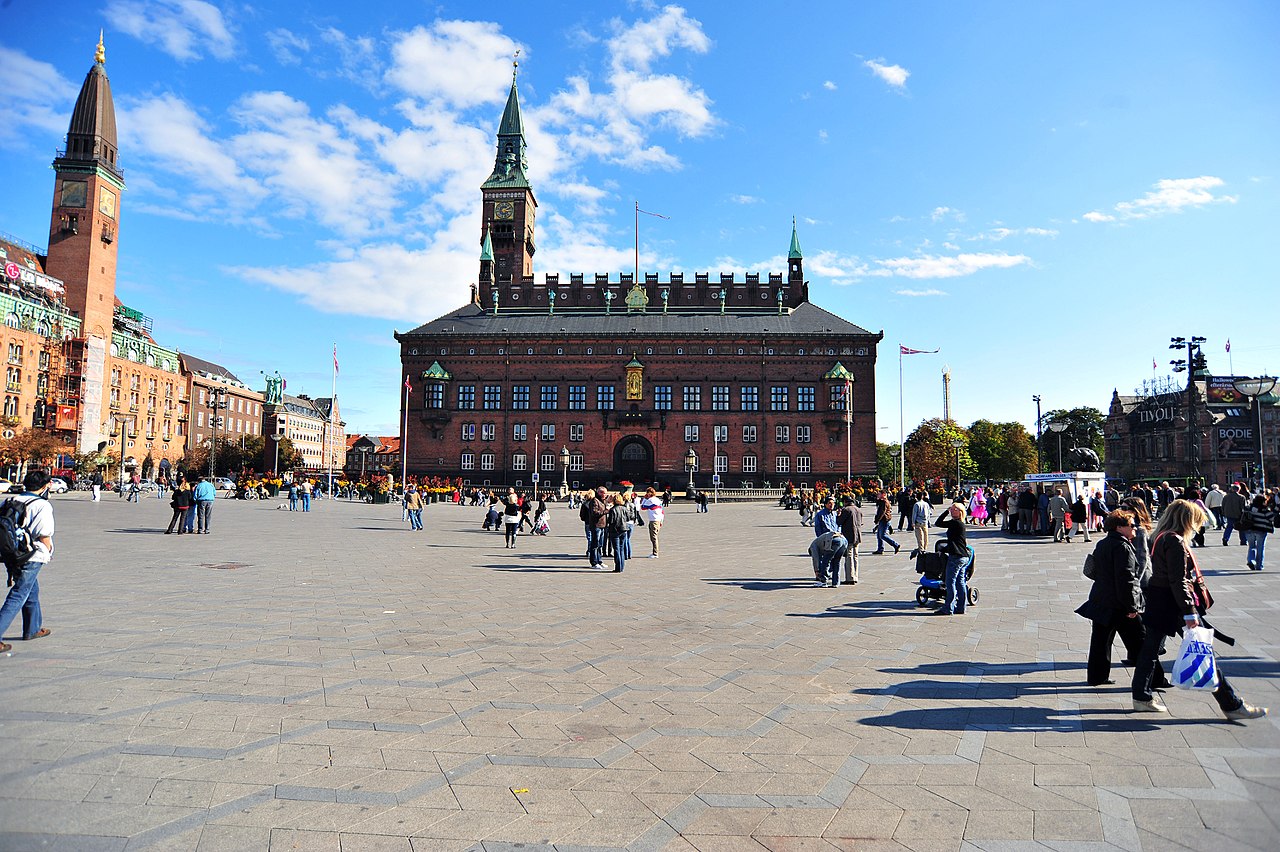
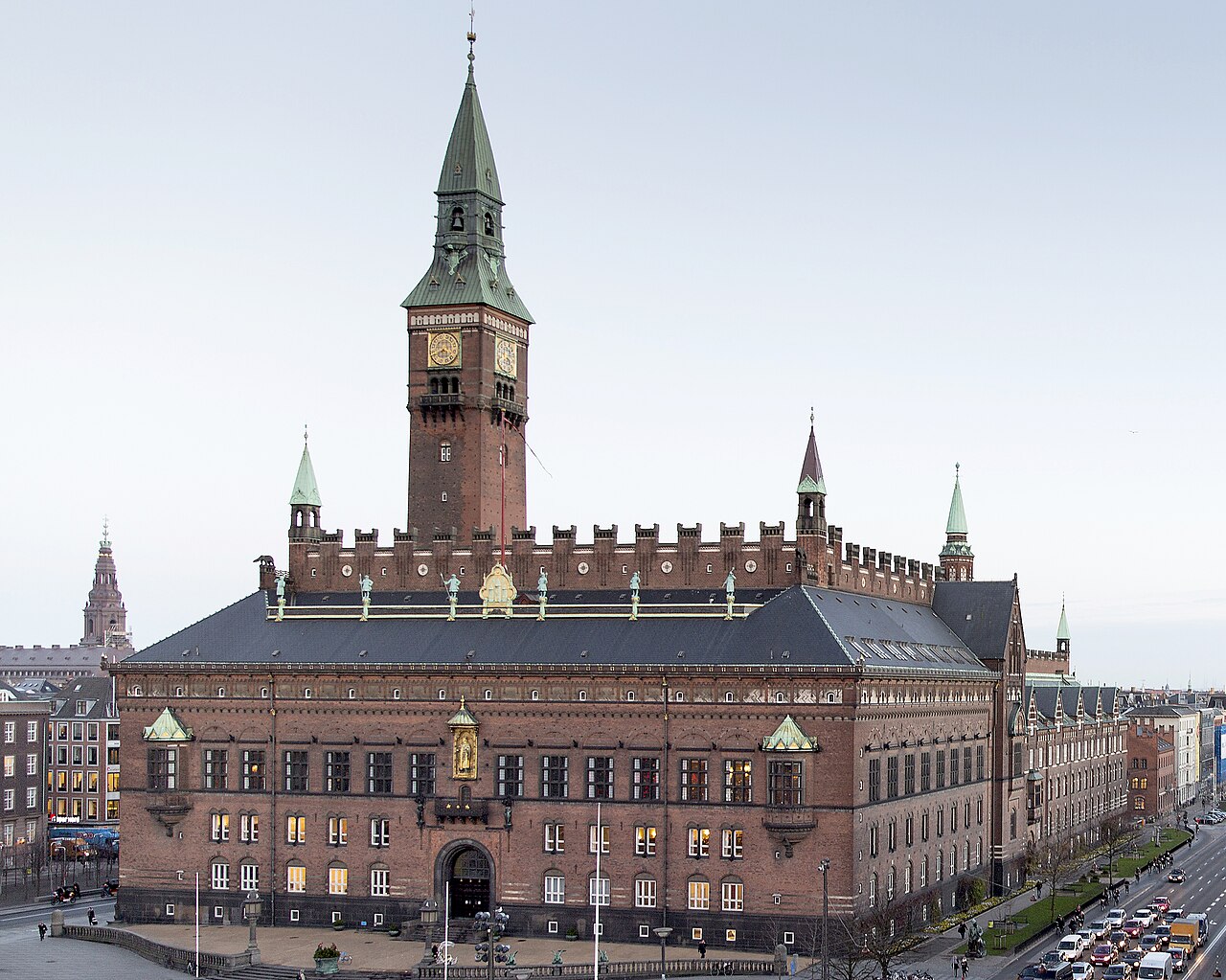
Copenhagen City Hall, or Københavns Rådhus, is the seat of Copenhagen’s municipal government on City Hall Square. Completed in 1905 and designed by Martin Nyrop, the building is a major example of National Romantic architecture with medieval Danish influences. Its clock tower makes it one of the city centre’s most recognizable landmarks and places civic history directly within everyday urban life. Copenhagen City Hall, known locally as Københavns Rådhus, stands as the seat of Copenhagen's municipal council and the lord mayor's office. The building represents a prominent example of National Romantic style architecture with elements of medieval Danish design. Completed in 1905, it was designed by architect Martin Nyrop. The structure features a distinctive clock tower that rises above the cityscape, becoming one of Copenhagen's recognizable landmarks. Its location on City Hall Square places it at the heart of public life and civic gatherings. The building serves active government functions. Exterior access to the square is unrestricted, but interior entry depends on current municipal policies, scheduled events, and security requirements. Official sources should be consulted.
Checked 2026-08-26 · Source
The building contains ceremonial rooms, council chambers, administrative offices, decorative details, and spaces associated with official receptions and civil ceremonies. Visitors who enter encounter a working civic building rather than a purpose-built museum. The grand staircase and formal interiors provide the strongest architectural interest, while the active municipal function means that movement inside follows the spaces and activities available at the time. The interior contains ceremonial halls, council chambers, and administrative offices serving municipal functions. Visitors can observe the grand staircase, decorative elements, and spaces used for official receptions and civil ceremonies including weddings. The building houses artworks and architectural details reflecting Danish cultural heritage. The tower contains mechanisms for the famous clock. The building serves active government purposes, limiting unrestricted public exploration of all interior spaces.
Checked 2026-08-26 · Source
Allow fifteen to thirty minutes to view the exterior, clock tower, and City Hall Square. A permitted interior visit, ceremony, or tour can take one to two hours. The square itself often deserves additional time because it is a central place for public gatherings and city movement. Combine the building with nearby central Copenhagen sights for an efficient walking route. Duration of visit varies considerably based on available access and individual interest. Those attending scheduled events, ceremonies, or permitted tours may spend one to two hours. Casual exterior observation requires fifteen to thirty minutes. Visitors seeking comprehensive architectural appreciation of both interior and exterior should allocate additional time. The tower climb, if accessible, would extend duration.
Checked 2026-08-26 · Source
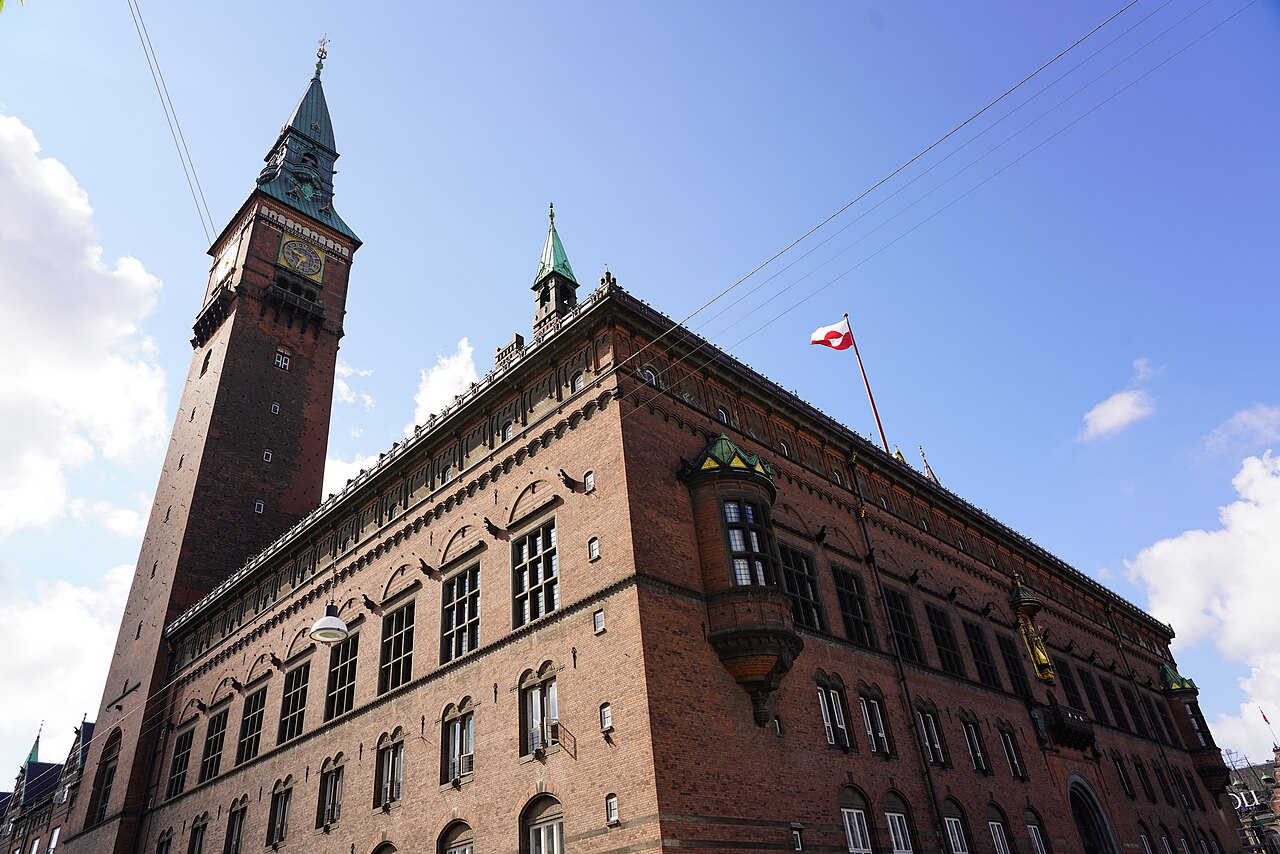
Daylight is best for reading the building’s architectural details and photographing the facade. Evening brings illuminated views and a lively City Hall Square, although winter darkness arrives early in Copenhagen. Public gatherings, ceremonies, markets, or demonstrations can change the atmosphere around the building. Treat the exterior as a dependable central-city landmark and the interior as a more event-dependent part of the visit.
Checked 2026-08-26 · Source
The exterior of Copenhagen City Hall and the surrounding square can be appreciated as part of the public city centre. Interior access is connected with municipal functions, ceremonies, or organized visitor activities rather than with a simple museum entrance. Plan the building as a free architectural landmark from outside, and treat any interior experience as a separate part of the day’s civic or cultural programme.
Checked 2026-08-26 · Source
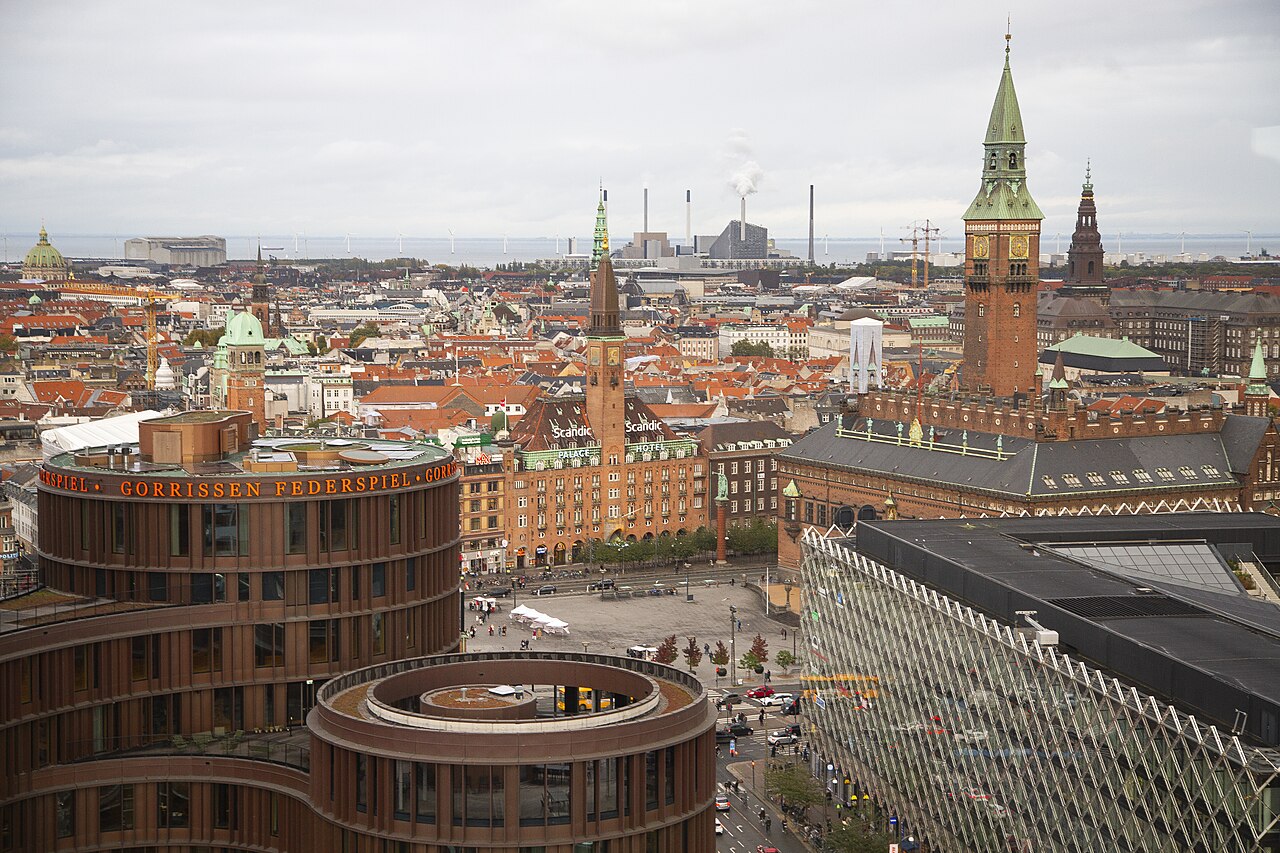
Copenhagen City Hall stands directly on City Hall Square in the centre of Copenhagen. The square is served by buses and the Rådhuspladsen metro station, while Copenhagen Central Station is roughly a ten-minute walk away. The location is also easy to reach on foot or by bicycle. Use the square as a clear navigation landmark when linking the building with central streets and attractions.
Checked 2026-08-26 · Source
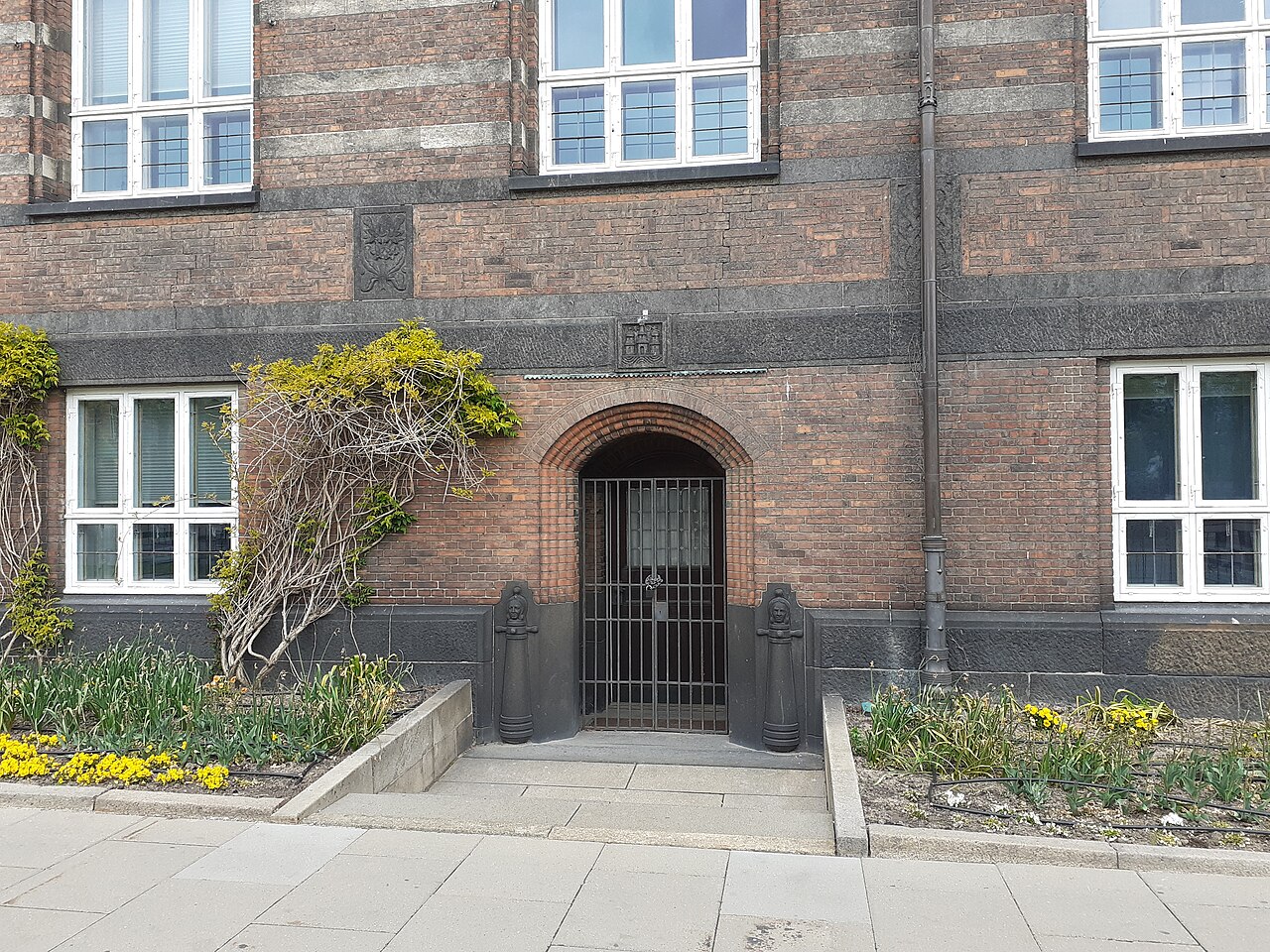
City Hall remains an active government workplace, so visitors should respect barriers, staff instructions, ceremonies, and restricted areas. City Hall Square can become busy during demonstrations, markets, or public events. For an exterior visit, prepare for Copenhagen weather and open urban exposure. Any tower climb involves stairs, height, and physical effort, while the building’s civic role calls for quiet and considerate behaviour indoors.
Checked 2026-08-26 · Source
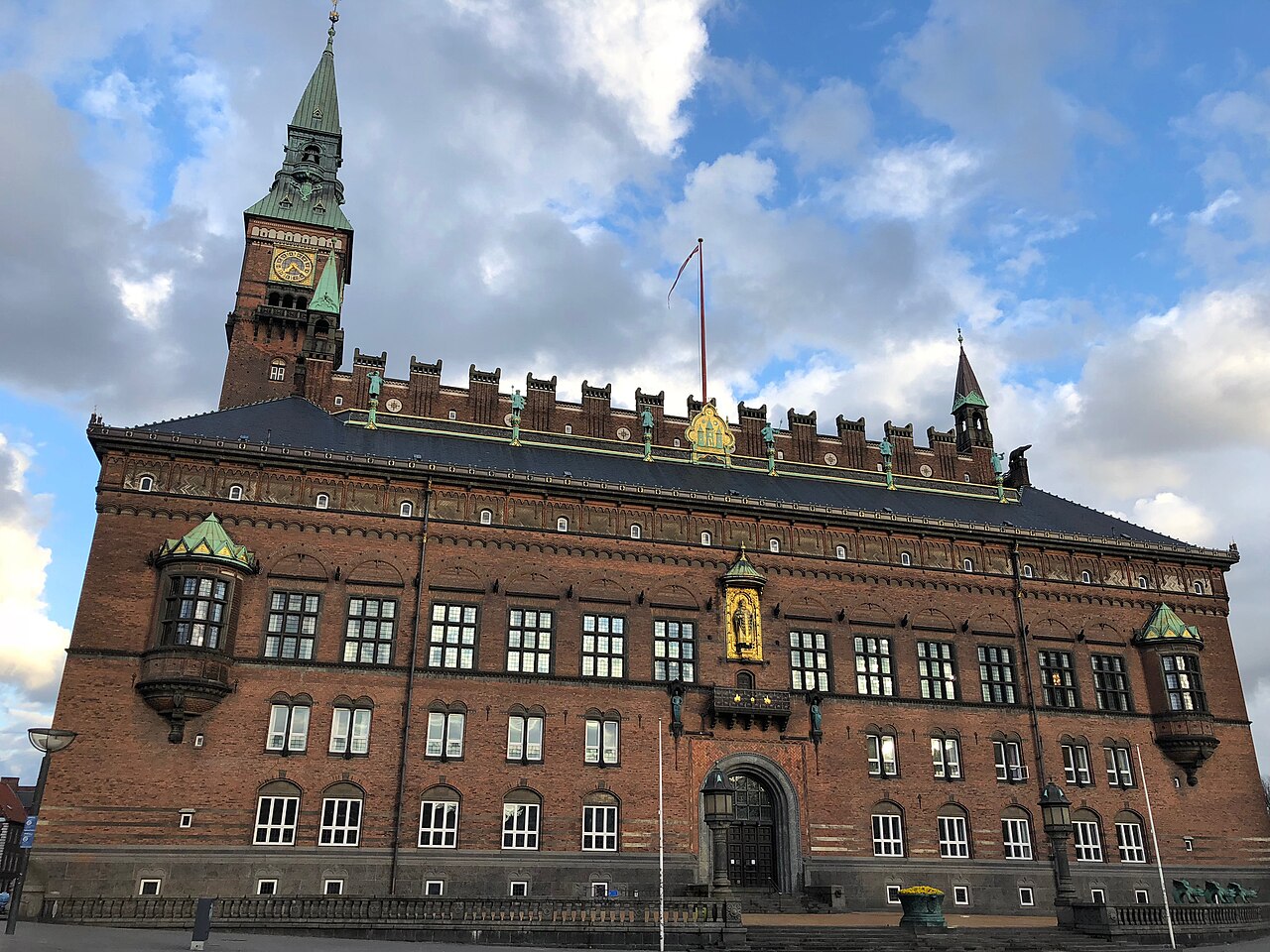
The facade, clock tower, entrance, and broad City Hall Square provide strong exterior subjects. Use daylight to reveal architectural detail and evening light for a more dramatic skyline view. Inside, keep photography subordinate to municipal activity and follow any signs or staff directions. Avoid blocking entrances or pedestrian movement, and use a wide view from the square to show the building’s relationship with central Copenhagen.
Checked 2026-08-26 · Source
It is Copenhagen’s municipal government building on City Hall Square. The National Romantic building was designed by Martin Nyrop and completed in 1905.
Architect Martin Nyrop designed Copenhagen City Hall. The building combines National Romantic architecture with medieval Danish influences.
Copenhagen City Hall was completed in 1905. Its clock tower and National Romantic design make it a prominent landmark in the city centre.
The building stands on City Hall Square in central Copenhagen. It is about a ten-minute walk from Copenhagen Central Station and near the Rådhuspladsen metro station.
From City Hall Square, you can see the facade, architectural ornament, entrance, and prominent clock tower. The square also shows the building’s role in central Copenhagen’s public life.
Copenhagen City Hall represents National Romantic architecture with medieval Danish influences. Martin Nyrop designed it, and construction was completed in 1905.
Loading the interactive map…
The interactive map could not be loaded.
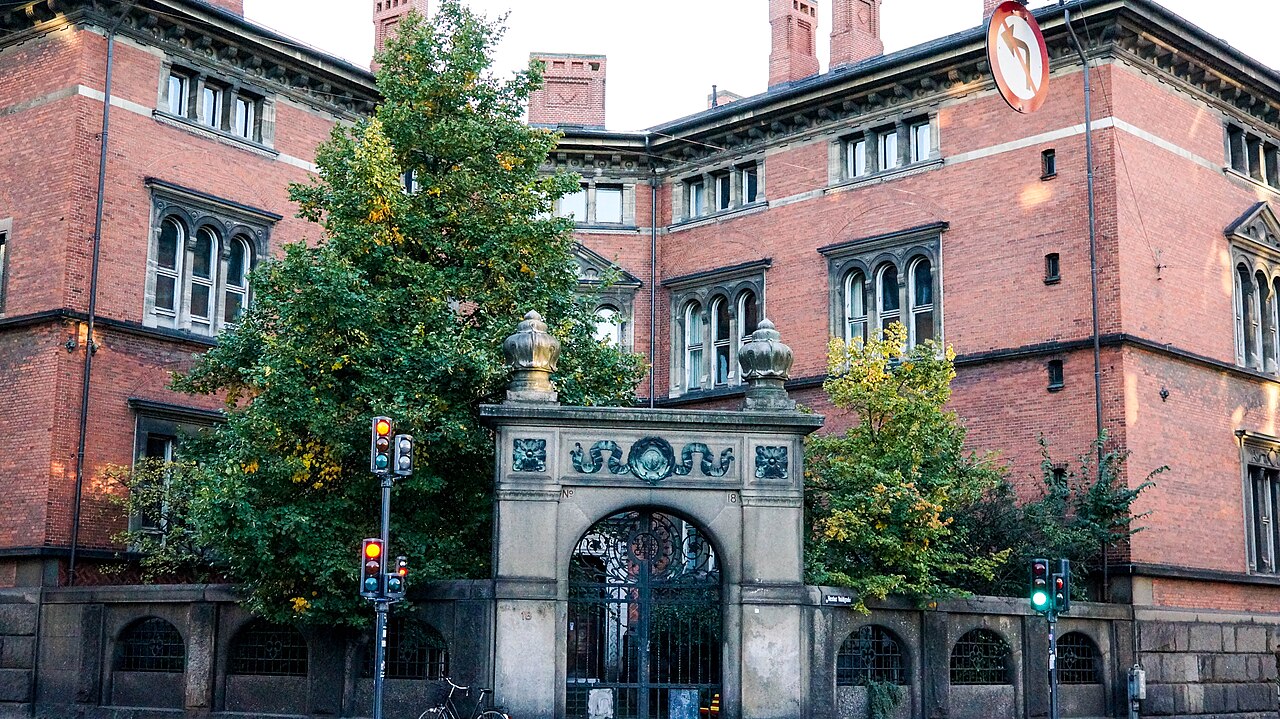
Last updated:
Source: OpenStreetMap contributors, Wikidata ·