
8 min walk
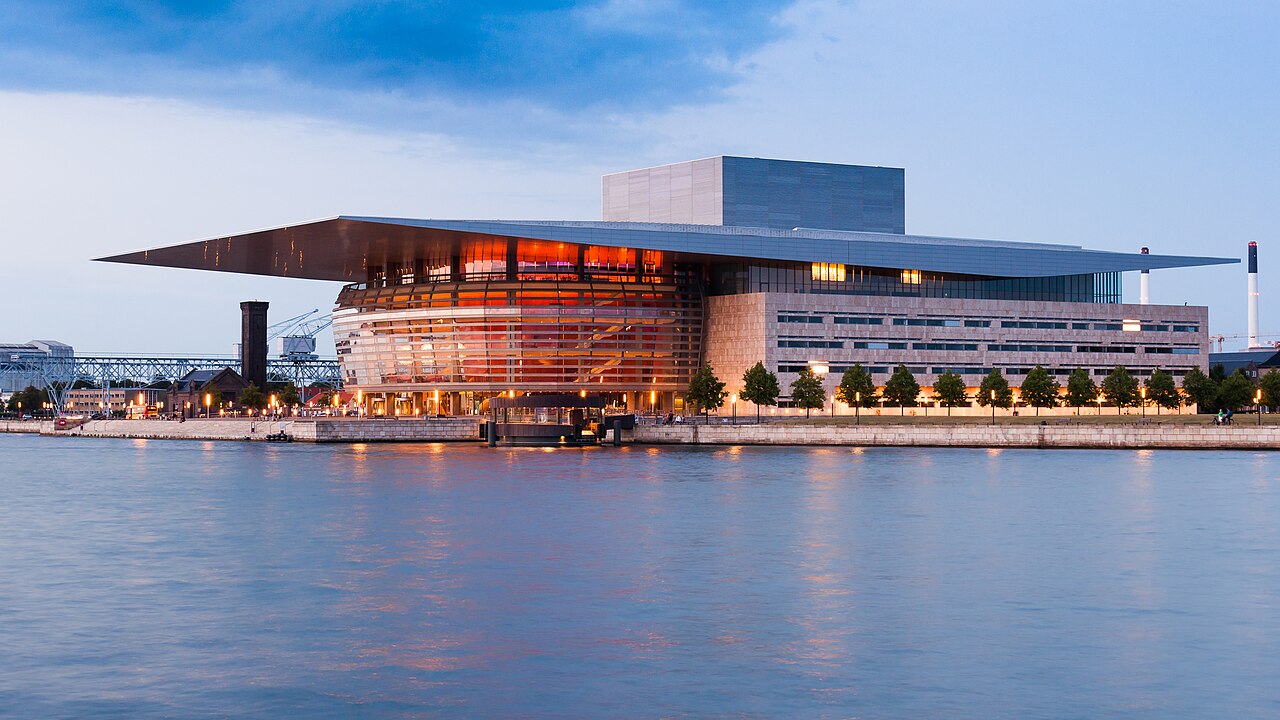
Copenhagen Opera House
- Must see
- Art and culture venue
Language · 11 published
Historic monument · Copenhagen
Christiania
Reviewed by Elena Voss · Roavina Travel Editor
Read from the OpenStreetMap access tags; anything not listed has no tag recorded.
Set the group type to family in the planner and the day window contracts to about three quarters of a solo day.
This place is a Attraction. It was established in 1971.
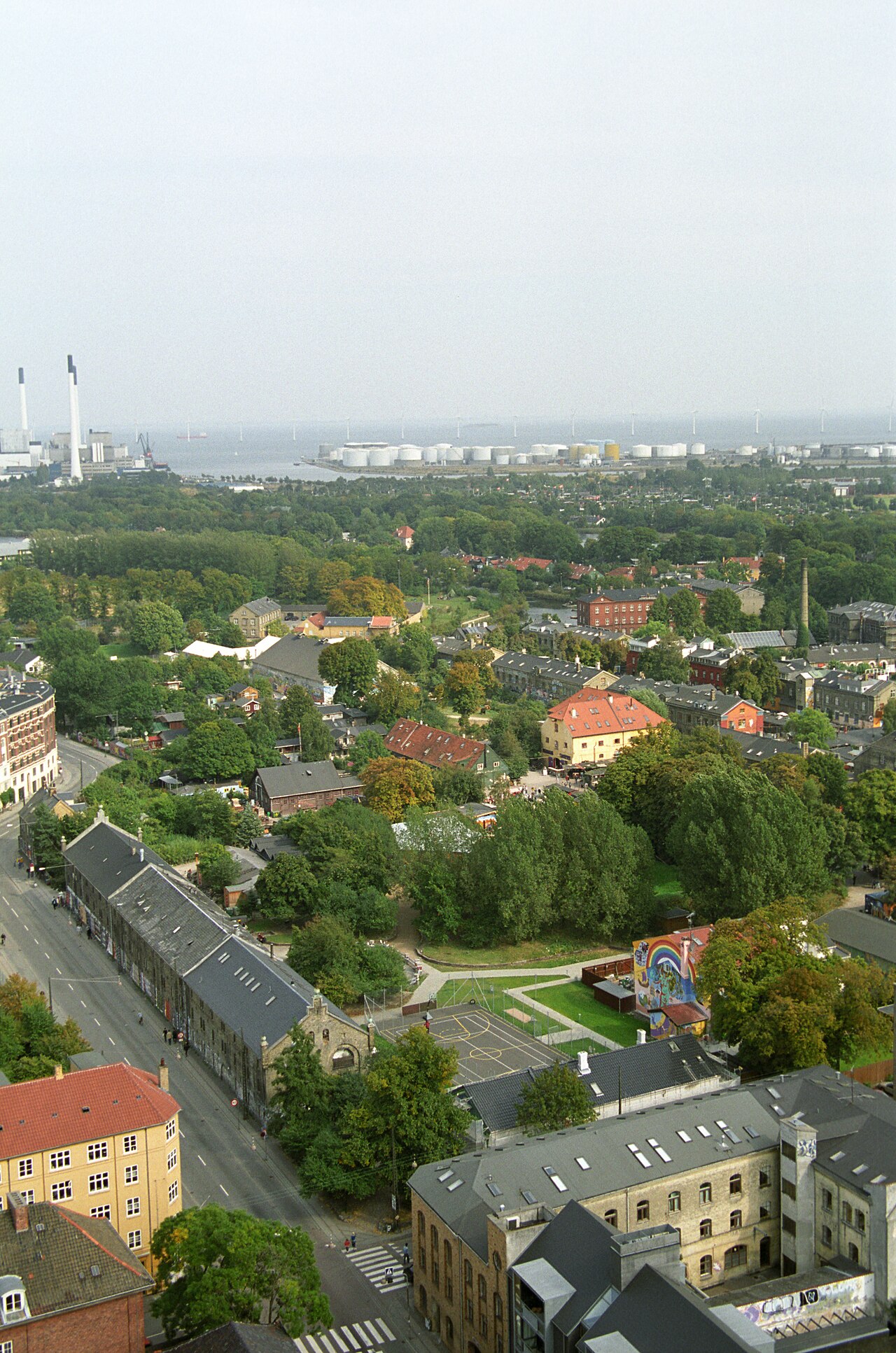
Freetown Christiania is an autonomous district in Copenhagen, Denmark, established in 1971 when squatters occupied former military barracks. The area operates under collective self-governance and has developed a distinctive countercultural identity. Christiania spans approximately 34 hectares on the island of Amager. The community maintains its own rules and social structures separate from mainstream Danish society. Visitors encounter a neighbourhood known for colourful murals, handmade houses, and an alternative lifestyle. Daily: open public-area access; individual businesses, cultural venues and tours keep their own hours. Christiania is an open recreational neighborhood rather than a gated attraction. No neighborhood-wide weekly closure day applies.
Checked 2026-08-31 · Source
Christiania contains residential areas, workshops, galleries, cafés, and music venues. The community features numerous self-built structures ranging from converted barracks to inventive architectural experiments. Green spaces and waterways border portions of the district. Notable landmarks include the large indoor market hall and various communal gathering points. The area hosts several eateries serving organic and vegetarian fare. Live performance spaces accommodate music and theatre events. Handmade crafts and artworks are available from resident creators. Christiania is an open recreational neighborhood rather than a gated attraction. No neighborhood-wide weekly closure day applies.
Checked 2026-08-31 · Source
Most visitors spend between one and three hours exploring Christiania, depending on interest in its cultural and social dimensions. Brief visits allow passage through main thoroughfares and observation of distinctive architecture. Extended stays permit meals at community establishments, examination of artistic installations, and possible attendance at events. The district rewards unhurried exploration of its varied spaces. Walking the perimeter and interior paths covers considerable ground. Visitors should respect that this functions primarily as a residential community rather than conventional tourist destination. Free general entry to the neighborhood. Guided tours, events and individual venues may charge separately.
Checked 2026-08-31 · Source
Christiania can be visited throughout the year, though weather conditions affect outdoor enjoyment. Summer months bring more visitors and active street life. Winter visits offer quieter atmosphere but reduced outdoor activity. The district itself has no formal opening or closing as a residential area, though commercial and cultural establishments maintain individual schedules. Daily: open public-area access; individual businesses, cultural venues and tours keep their own hours. Christiania is a car-free outdoor neighborhood with paths, open spaces and gravel surfaces. Accessibility varies by route and venue; the resident-run tour operator asks visitors to state reduced-mobility needs so the route can be adapted.
Checked 2026-08-31 · Source
No general admission fee applies to enter Christiania as a public thoroughfare. Individual establishments within the district may charge for goods, services, or specific events. Visitors should carry appropriate payment methods for purchases at cafés, galleries, or performances. The community economy operates partly through cash transactions, though this varies by vendor. Free general entry to the neighborhood. Guided tours, events and individual venues may charge separately. Christiania is a car-free outdoor neighborhood with paths, open spaces and gravel surfaces. Accessibility varies by route and venue; the resident-run tour operator asks visitors to state reduced-mobility needs so the route can be adapted.
Checked 2026-08-31 · Source
Christiania occupies the Christianshavn area of Copenhagen, accessible by multiple transport options. The Christianshavn Metro station on lines M1 and M2 provides nearby connection. Bus routes serve surrounding streets. Walking and cycling from central Copenhagen cross the Knippelsbro or other bridges to Amager. Take Metro M1 or M2 to Christianshavn station, then continue via Torvegade and Prinsessegade to the main entrance at Bådsmandsstræde. Bus 2A toward Refshaleøen serves the corridor; Skt. Annæ Gade is the nearby named stop. Christiania’s official map marks the main entrance and internal pedestrian routes.
Checked 2026-08-31 · Source
Photography restrictions apply in certain areas, particularly along Pusher Street where explicit signage prohibits cameras. Visitors must observe posted rules and local requests. The cannabis trade presence creates legal ambiguity and potential safety concerns. Danish law enforcement periodically operates in the area. Visitors should maintain awareness of belongings and surroundings. The autonomous status does not exempt visitors from Danish law. Christiania is a car-free outdoor neighborhood with paths, open spaces and gravel surfaces. It is a green, car-free Copenhagen neighborhood whose protected ramparts and communal areas serve as an open recreational area for residents and visitors.
Checked 2026-08-31 · Source
Photography is explicitly prohibited along Pusher Street and immediate vicinity, with signage warning of potential consequences including equipment damage. Visitors must comply with these restrictions regardless of personal views. Other areas of Christiania generally permit photography with appropriate respect for residents and private spaces. Requesting permission before photographing individuals is advisable. The colourful architecture and artistic installations offer photographic subjects outside restricted zones. Drone operation would require appropriate permissions. Visitors should not attempt covert photography where prohibited. Freetown Christiania’s official birthday is 26 September 1971, when the former Bådsmandsstræde Barracks area became the self-governing community.
Checked 2026-08-31 · Source
It is a green, car-free Copenhagen neighborhood whose protected ramparts and communal areas serve as an open recreational area for residents and visitors.
Freetown Christiania’s official birthday is 26 September 1971, when the former Bådsmandsstræde Barracks area became the self-governing community.
No. Buying cannabis is illegal in Christiania and throughout Denmark.
Yes, but visitors should be considerate of residents and must respect signs identifying places where photography is prohibited.
Yes. Local Christiania residents offer standard tours lasting about 1.5–2 hours; Sunday walk-in tours are listed at 12:00 and 16:00.
The listed meeting point is Mælkevejen 69–77, on the lawn in front of Grå Hal.
Loading the interactive map…
The interactive map could not be loaded.
Last updated:
Source: OpenStreetMap contributors, Wikidata ·