
.jpg)
.jpg)
.jpg)


2 min walk
HDMS Sehested
- High
- Historic monument
Language · 11 published
Historic monument · Copenhagen
Reviewed by Elena Voss · Roavina Travel Editor
This place is a Attraction. It was established in 1965. It is run by Royal Danish Navy.
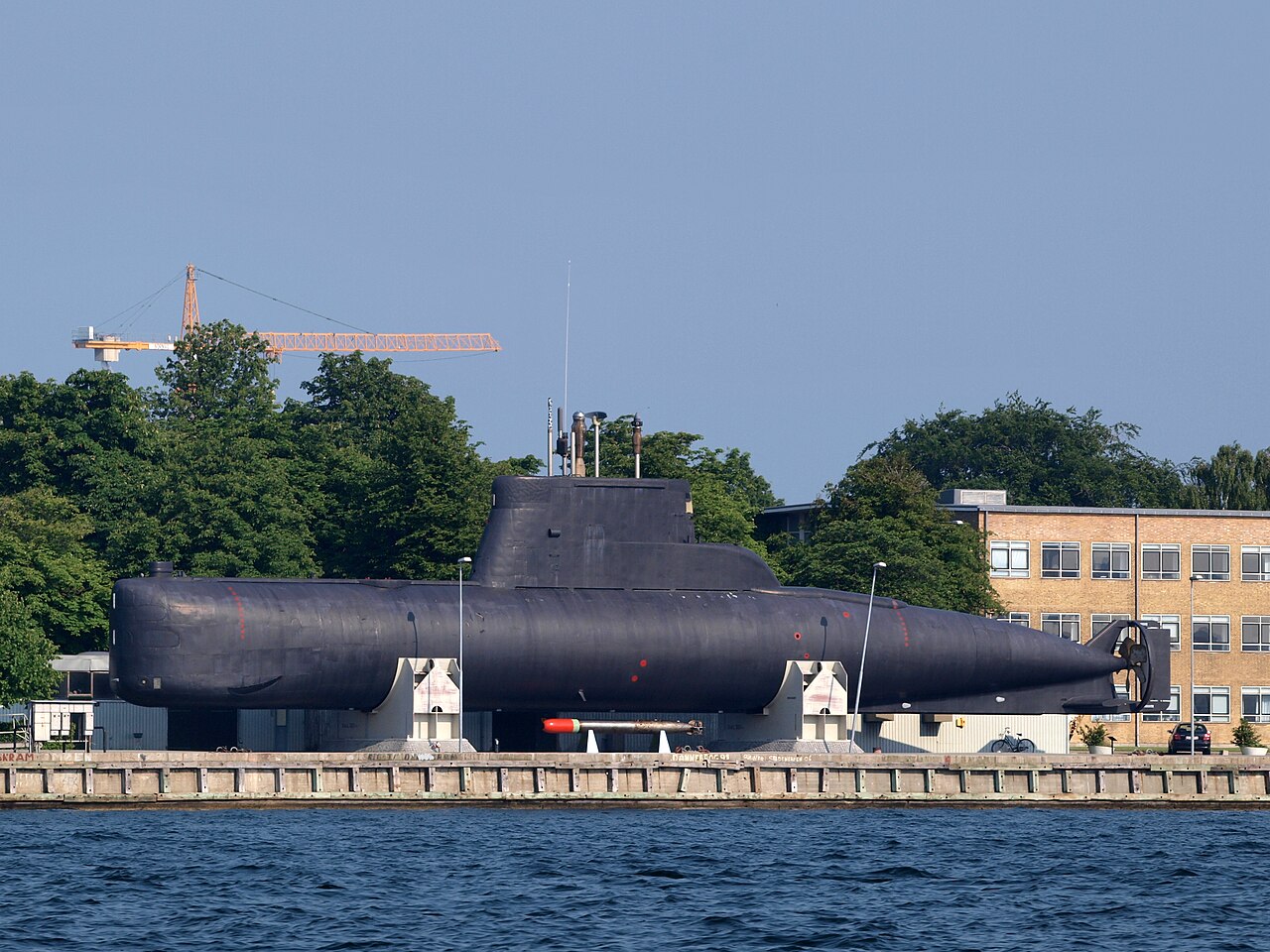
HDMS Sælen is a retired Danish submarine preserved as a museum vessel in Copenhagen. Its name means “Seal.” The submarine offers a direct encounter with Cold War naval technology and the confined environment in which submariners lived and worked. Rather than presenting only models or photographs, the vessel lets travelers move through an authentic military interior and see how equipment, crew spaces, and narrow passageways fit together. HDMS Sælen is a retired Danish submarine now serving as a museum vessel in Copenhagen. The name translates to Seal in English. This naval craft represents Denmark's Cold War-era submarine capabilities and offers visitors insight into underwater naval operations. As a preserved military vessel, it stands as a tangible piece of Danish maritime heritage. The submarine allows the public to experience the confined environment that submariners endured during active service. Its presence in Copenhagen contributes to the city's diverse collection of maritime attractions alongside other naval exhibits. Children may visit with close adult supervision. The submarine features steep ladders, narrow passages, and low ceilings that present physical challenges. Parents should assess their child's comfort with confined spaces and climbing ability before entering.
Checked 2026-08-26 · Source
The preserved interior includes cramped crew quarters, sleeping berths, control areas, torpedo storage, engine spaces, navigation equipment, and communications fittings. The original layout is the main exhibit: narrow corridors, low ceilings, hatches, and tightly arranged machinery show the physical demands of submarine service. Travelers interested in engineering or naval history should look closely at how every part of the vessel uses limited space. The interior of HDMS Sælen contains the original compartments and equipment typical of a working submarine. Visitors can explore the cramped quarters where crew members lived and worked during deployments. The vessel retains its operational layout including control rooms, torpedo storage areas, sleeping berths, and engine spaces. Navigation and communications equipment remain in place for educational purposes. The confined corridors and hatches demonstrate the challenging physical conditions submariners faced. The preserved state offers an unfiltered glimpse into submarine architecture.
Checked 2026-08-26 · Source
Allow approximately forty-five minutes to an hour for a complete walk through HDMS Sælen. Movement is naturally slow because the passageways are narrow and the ladders are steep. Visitors fascinated by naval systems may need longer to study equipment and compartments, while families may take extra time negotiating the interior. Wear secure footwear and leave room in your schedule for careful movement rather than rushing between sections.
Checked 2026-08-26 · Source
The submarine experience is primarily indoors, but boarding and waiting areas can be exposed to Copenhagen weather. Summer brings longer daylight and the busiest tourist conditions, while May and September can offer a calmer setting for exploring a compact vessel. Winter visits may involve colder weather outside and shorter daylight. The limited interior space makes quieter periods especially valuable for travelers who want time to examine the original fittings.
Checked 2026-08-26 · Source
Entry arrangements for HDMS Sælen should be treated separately from the submarine’s historical value. Copenhagen museums and maritime attractions can use individual admission, group arrangements, or bundled visitor products, but this guide does not attach a price to the vessel. Travelers planning a museum-focused day can place HDMS Sælen alongside other harbour attractions and compare the available entry options for the places they intend to visit.
Checked 2026-08-26 · Source
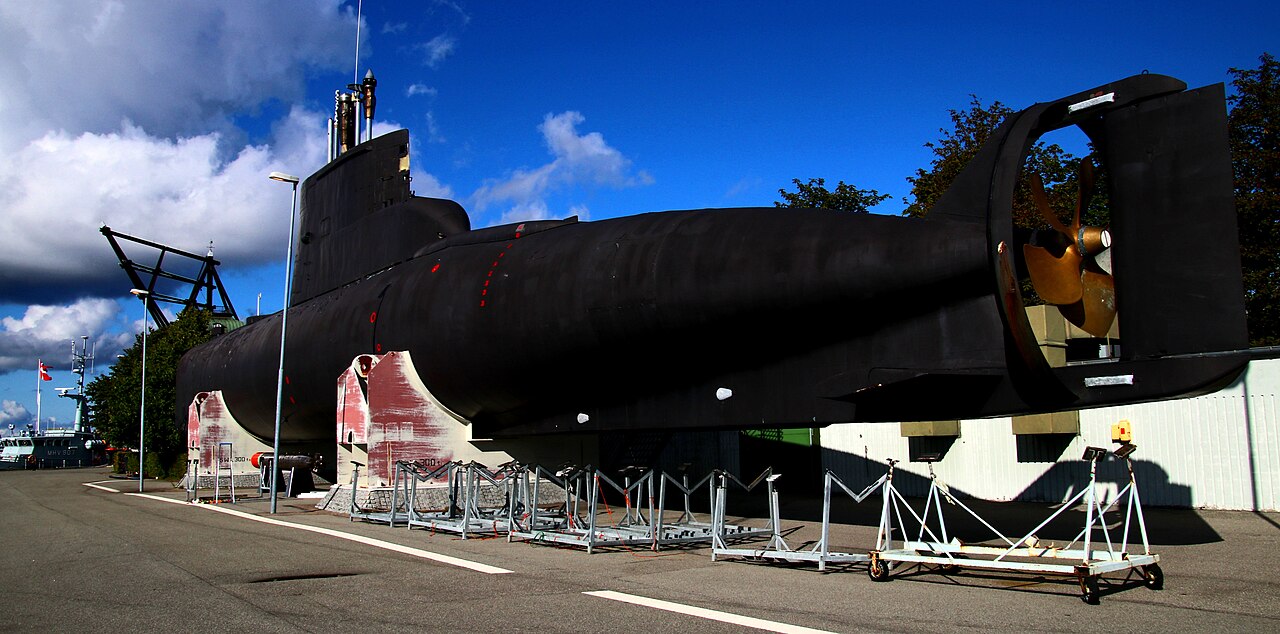
HDMS Sælen is in Copenhagen’s harbour area, connected with the city centre by walking routes, buses, cycling infrastructure, and harbour transport. Nearby metro and S-train connections link the waterfront with the wider city, followed by a walk to the vessel. Copenhagen’s compact centre makes walking or cycling practical for many visitors. Travelers arriving by car should expect the usual central-city parking limits and should plan the final approach on foot.
Checked 2026-08-26 · Source
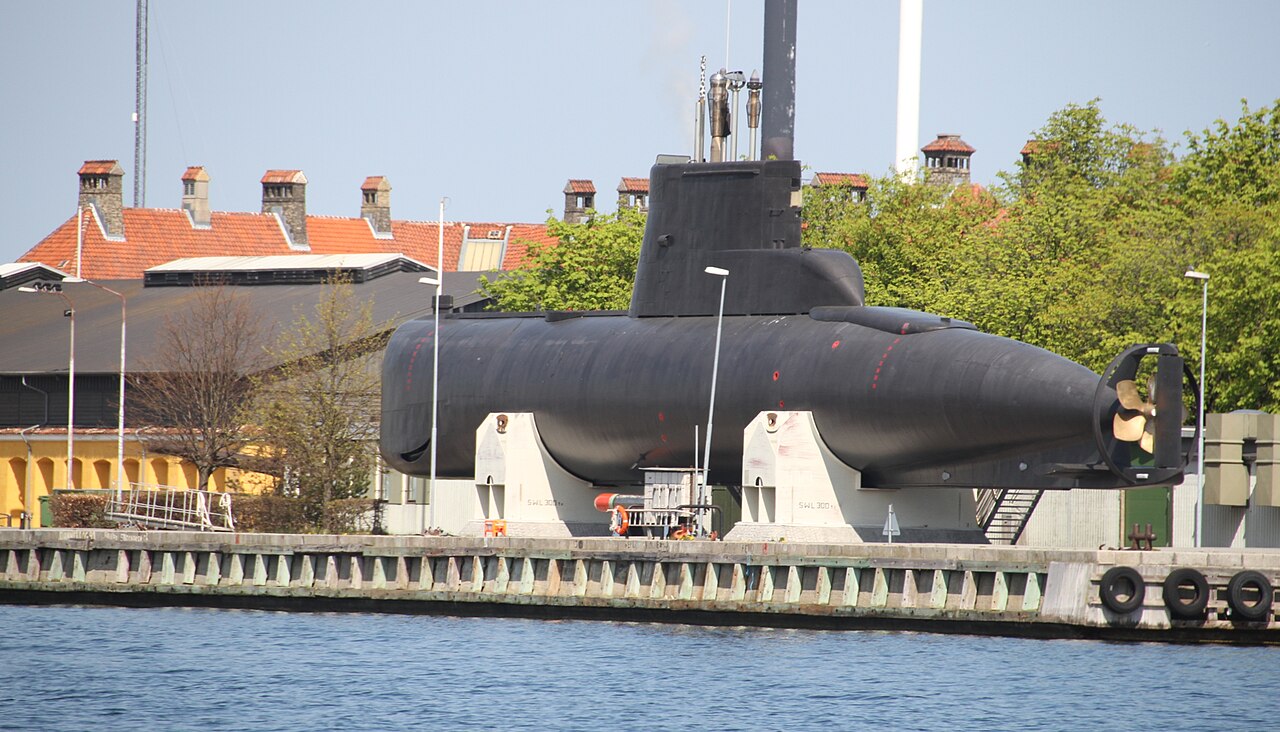
HDMS Sælen is physically demanding. Expect very narrow passageways, low ceilings, small doorways, steep ladder-like stairs, metal gratings, and limited exit routes created by the original military design. Claustrophobia and mobility limitations may make the interior uncomfortable. Children need close supervision near ladders and drops. Wear shoes with a firm grip and avoid loose clothing or bags that can catch on fittings. Follow staff directions throughout the visit.
Checked 2026-08-26 · Source
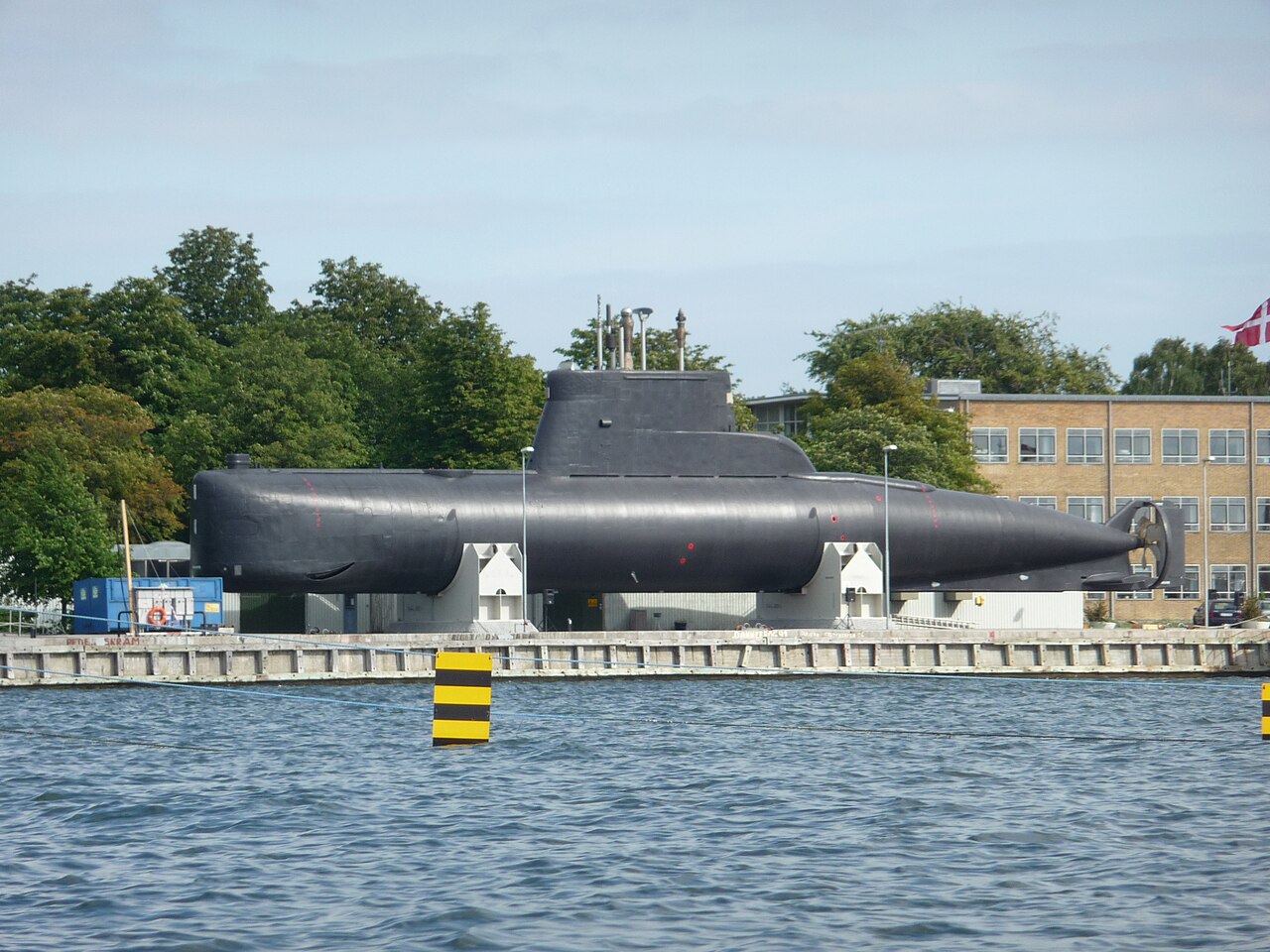
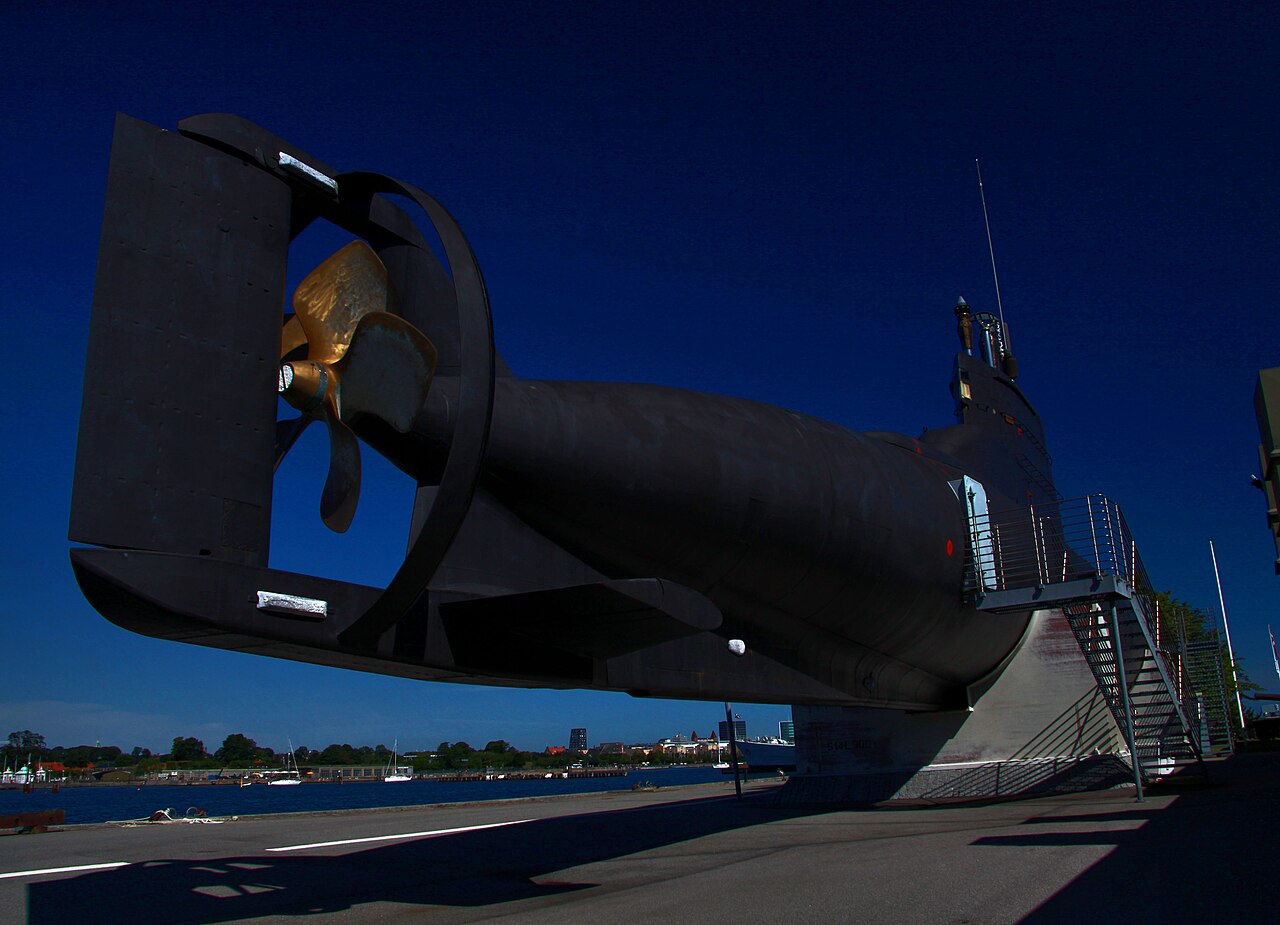
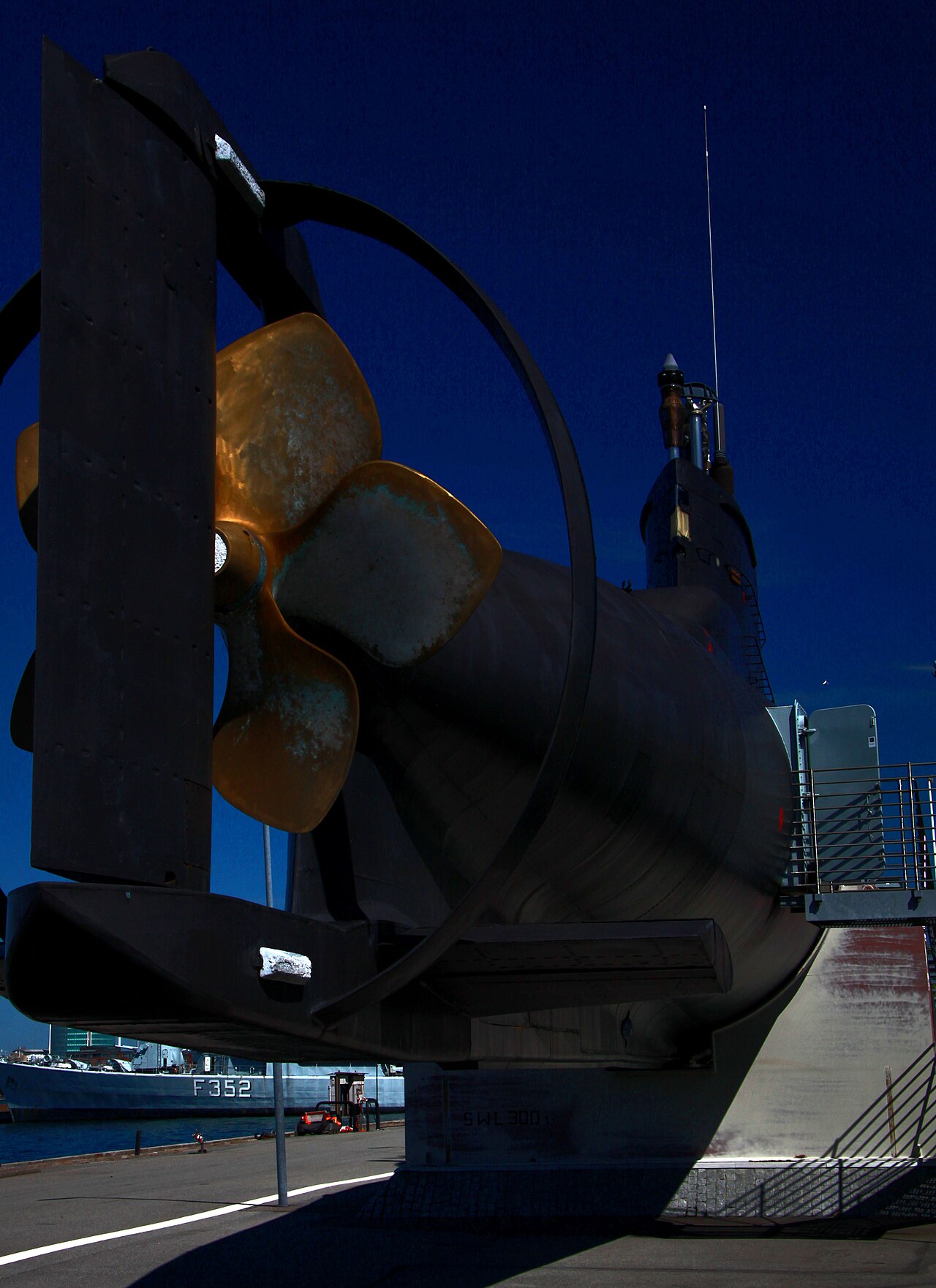
The submarine’s tight compartments and low light create intimate photographic subjects, from control panels and berths to machinery and hatches. Keep cameras and bags compact so they do not obstruct the passageways. Photograph without delaying other visitors, and follow any restrictions displayed inside the vessel. Exterior views show the submarine’s hull in its harbour setting. The contrast between the compact interior and the open waterfront gives the visit two distinct photographic moods.
Checked 2026-08-26 · Source
Children can explore the submarine with close adult supervision, but steep ladders, narrow passages, and low ceilings make the visit physically demanding.
The vessel retains crew quarters, sleeping berths, control areas, torpedo storage, engine spaces, navigation equipment, communications fittings, hatches, and narrow passageways.
The original submarine design includes steep ladders and extremely narrow compartments, making full wheelchair access incompatible with the vessel’s interior layout.
Most visitors spend about forty-five minutes to an hour inside. Narrow corridors and steep ladders slow movement, while technical details can extend the visit.
Wear sturdy footwear with good grip and comfortable close-fitting clothing. Avoid loose items that could snag on equipment or obstruct the narrow passageways.
It provides an unusually direct view of Cold War submarine life, allowing travelers to experience the cramped spaces and original equipment of a preserved Danish military vessel.
Loading the interactive map…
The interactive map could not be loaded.
Last updated:
Source: OpenStreetMap contributors, Wikidata ·