


1 min walk
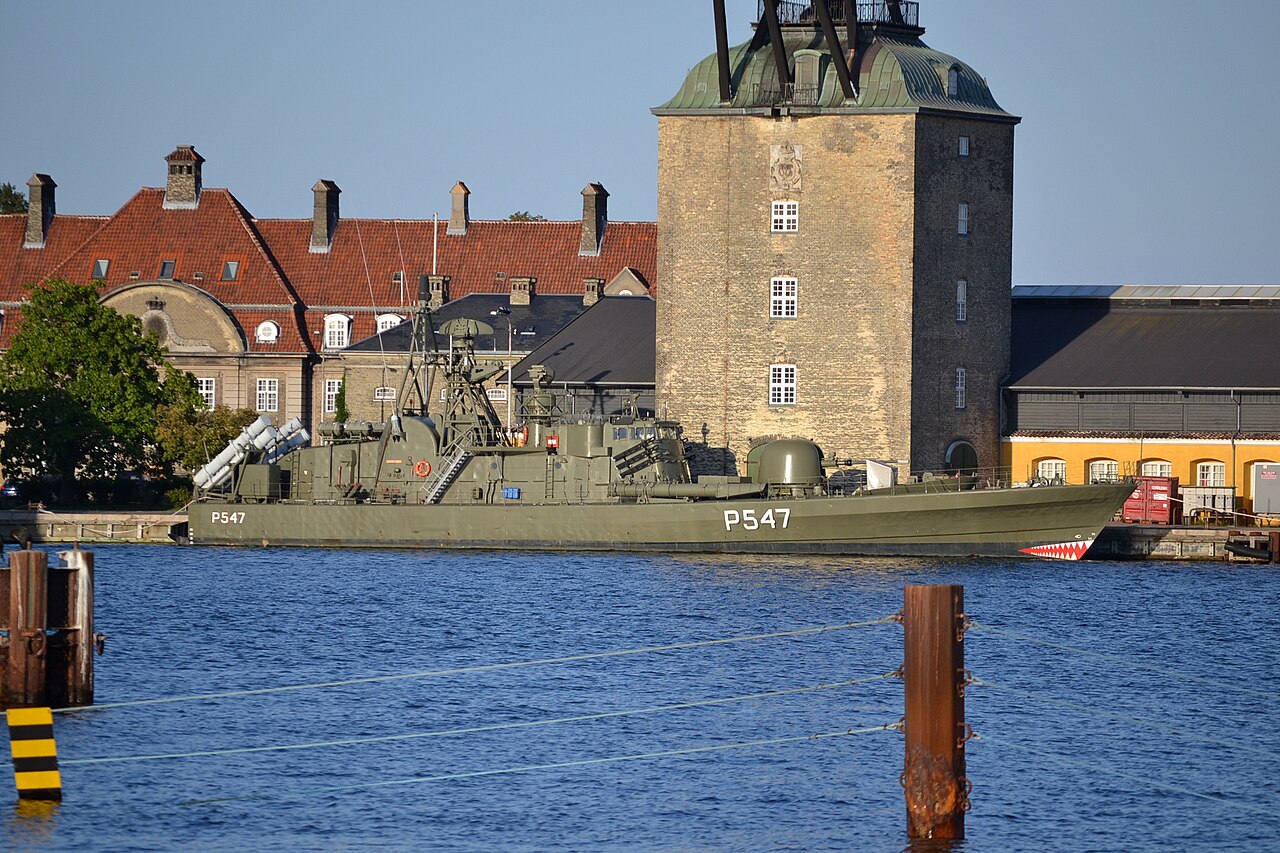
HDMS Sehested
- High
- Historic monument
Language · 11 published
Historic monument · Copenhagen
Reviewed by Elena Voss · Roavina Travel Editor
This place is a Attraction. It is run by Royal Danish Navy.
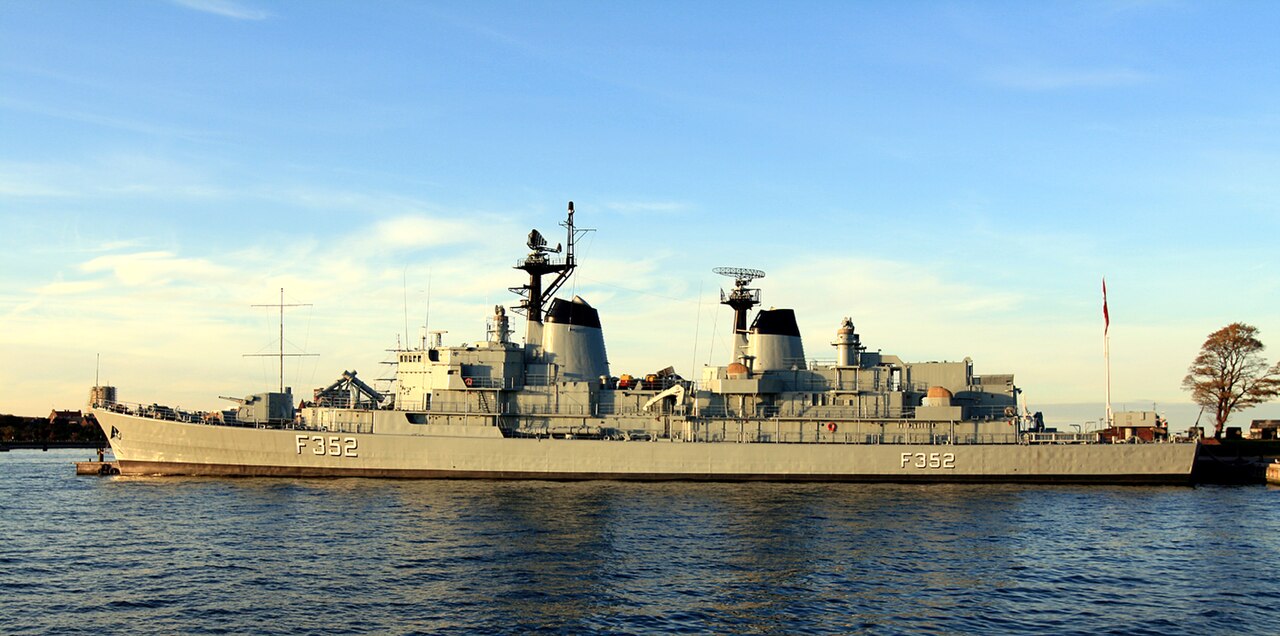
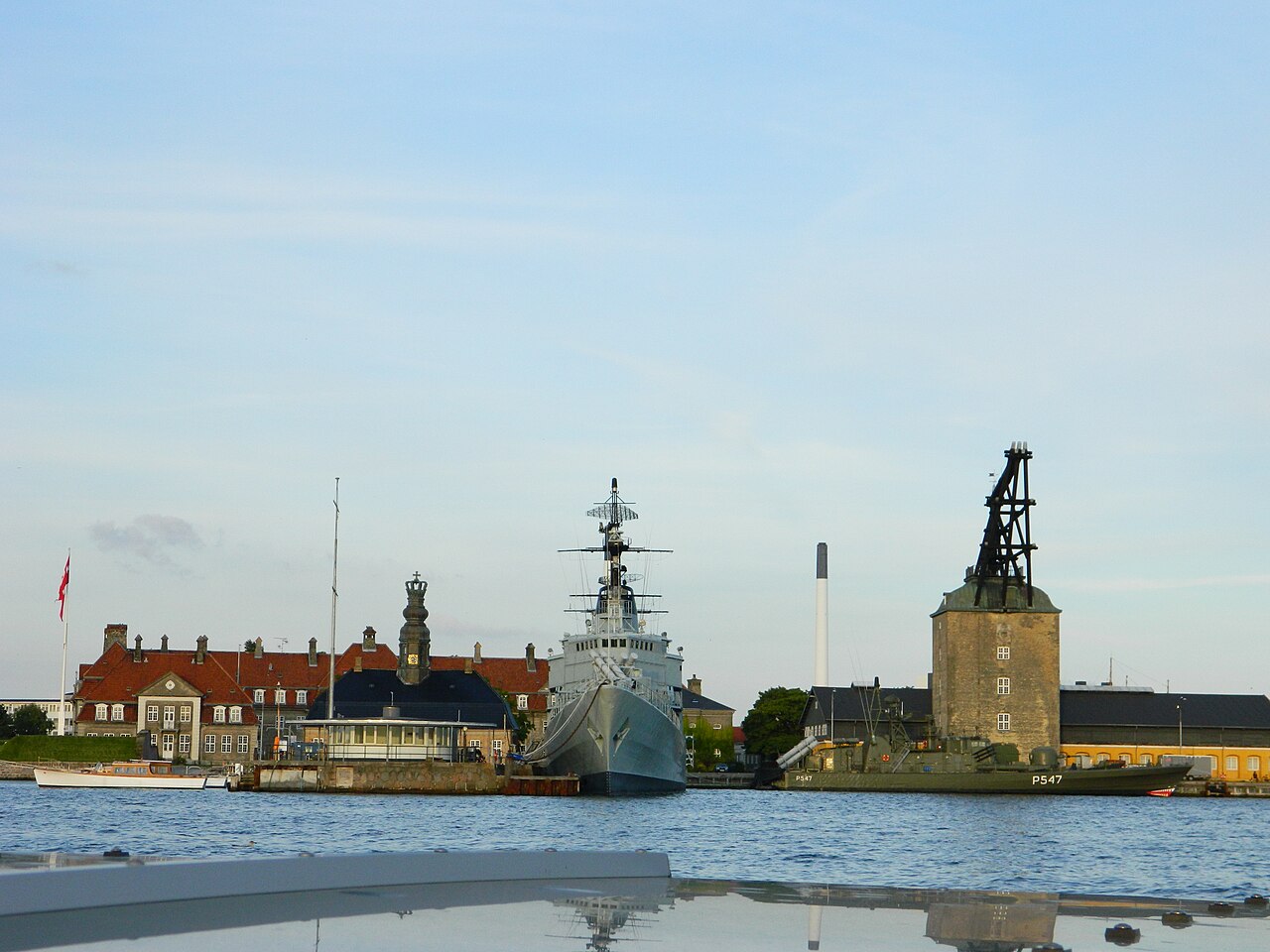
HDMS Peder Skram is a preserved Royal Danish Navy frigate berthed at Holmen, Copenhagen’s historic naval district. Commissioned in 1966 and serving until 1988, it represents Denmark’s Cold War fleet in a form visitors can physically enter. The grey hull, compact decks and original naval arrangement reveal a vessel designed for duty rather than display. Command spaces, crew areas and machinery remain connected inside one working ship, offering a tangible view of late twentieth-century naval life. Its berth places this individual frigate within Holmen’s surviving maritime landscape and former naval-base setting.
Checked 2026-09-02 · Source
Inside, the frigate unfolds as a tightly connected sequence of operational and living spaces. Visitors can examine the bridge and command areas, communications equipment, crew accommodation, engine-room sections and weapon systems retained from the ship’s service period. Narrow passages and frequent changes of level make the vessel’s scale clear: every metre had a purpose, bringing people, machinery and procedures together in a constrained working environment. Peder Skram lets visitors see how a Cold War frigate was navigated, maintained and inhabited, with authentic fittings preserving the practical relationship between naval technology and daily service.
Checked 2026-09-02 · Source
Allow about 60 to 90 minutes to explore HDMS Peder Skram without rushing. Visitors drawn to naval engineering, weapons, communications or crew life may spend closer to two hours, especially when pausing to understand how the compartments connect. The multi-level layout naturally makes the visit slower than a conventional museum: ladders, thresholds and confined passages demand deliberate movement. If you are also visiting other preserved naval vessels or maritime attractions around Holmen, allow a half-day for the wider outing. That leaves time for orientation at the berth, quay-side views and photographs as well as the interior route.
Checked 2026-09-02 · Source
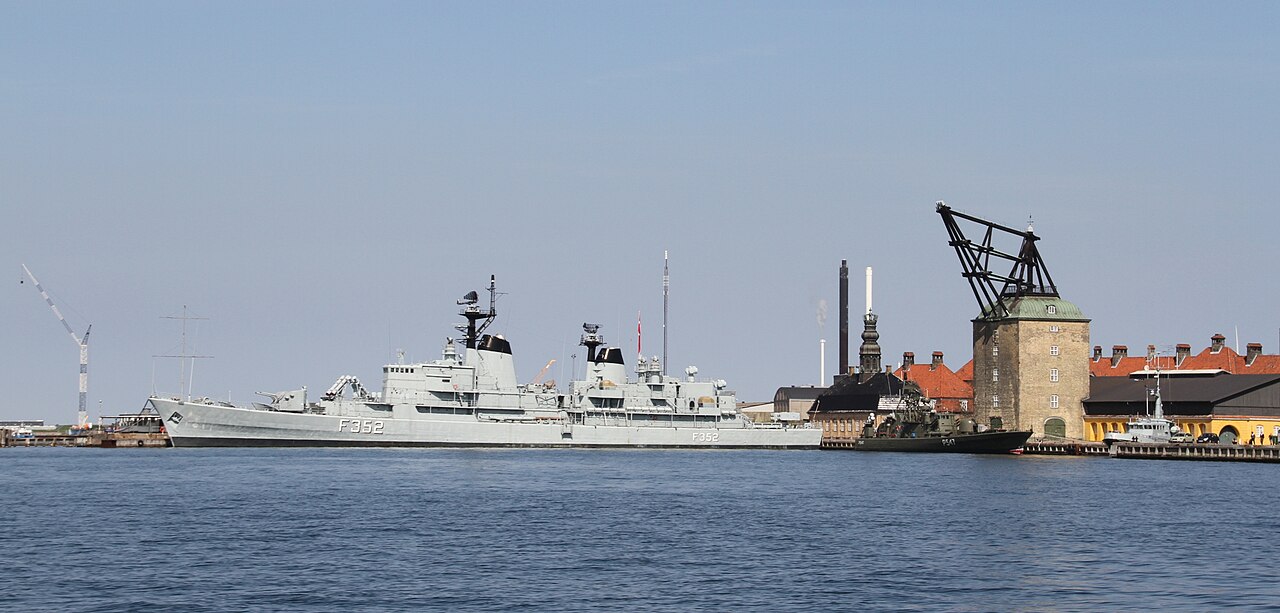
Plan HDMS Peder Skram around announced visiting arrangements, public opening days or special events rather than expecting daily admission. When access is available, dry weather makes the exposed deck, quay and approach more comfortable, and good conditions make it easier to appreciate the frigate’s setting in Holmen harbour. A morning visit may offer a calmer start, but no particular hour is guaranteed. Build the vessel into your Copenhagen itinerary once its public access has been announced, leaving extra time to find the berth in the former naval-base area.
Checked 2026-09-02 · Source
No adult, child, senior or family admission amount is stated for HDMS Peder Skram, and the visit should not be described as free on that basis. The available visitor information also gives no confirmed combination ticket, tourist-card inclusion, payment method or advance-booking requirement. Admission arrangements may accompany a particular public opening or event, so treat access and pricing as event-specific rather than assuming a standard museum tariff. Allow flexibility when combining the ship with other Holmen attractions.
Checked 2026-09-02 · Source
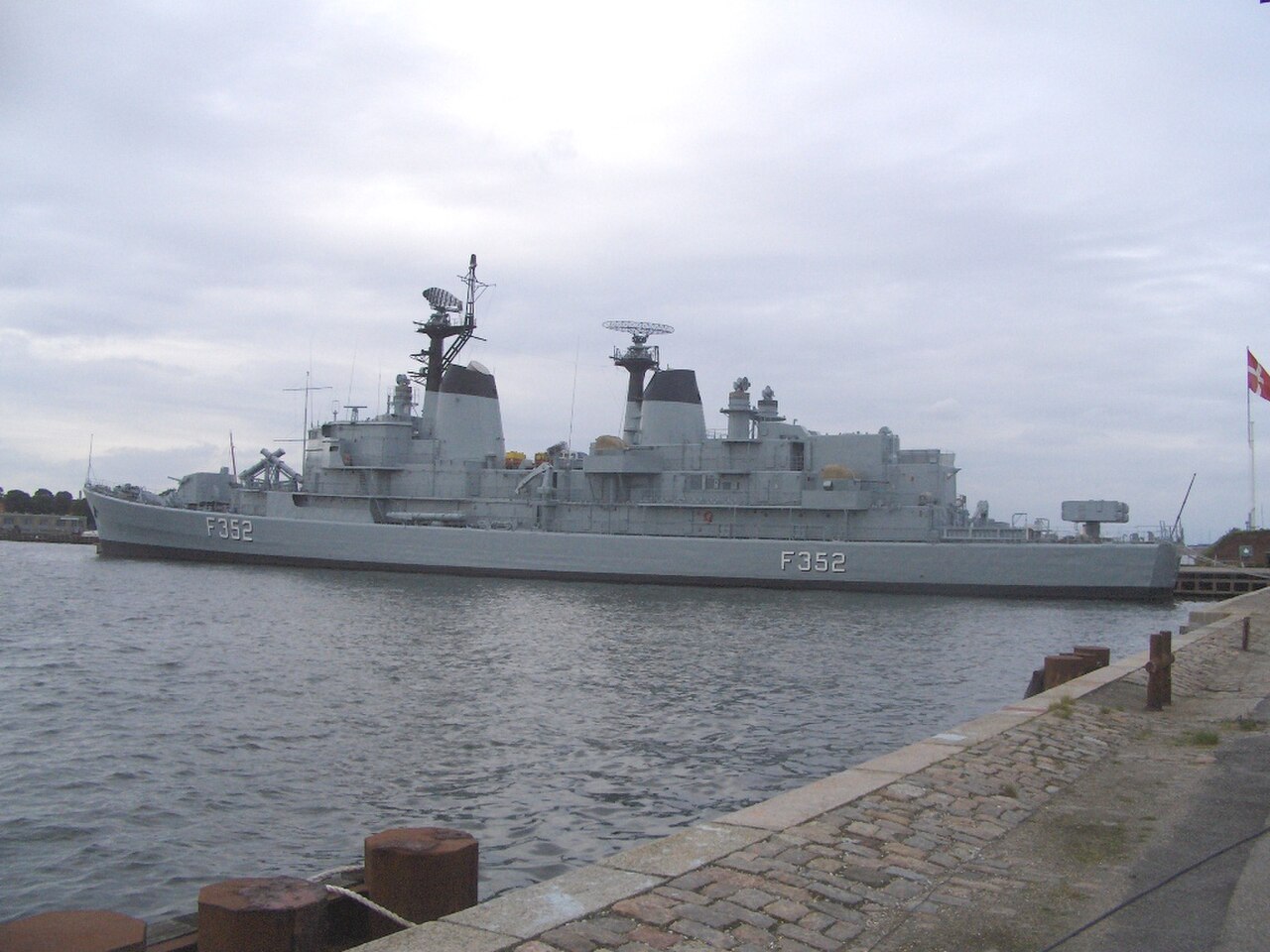
HDMS Peder Skram is berthed in Holmen, Copenhagen’s historic naval district, across the harbour from the central waterfront. Harbour-bus services, nearby public-bus stops and bicycle routes are practical approaches, followed by a walk into the former naval-base area. From Nyhavn or Christianshavn, walking routes cross bridges and continue along waterfront paths towards the moored vessels. Allow extra orientation time because Holmen is a former military complex rather than a simple high-street address. Approaching from the harbour also gives useful sightlines for identifying the frigate and its berth before you reach the quay.
Checked 2026-09-02 · Source
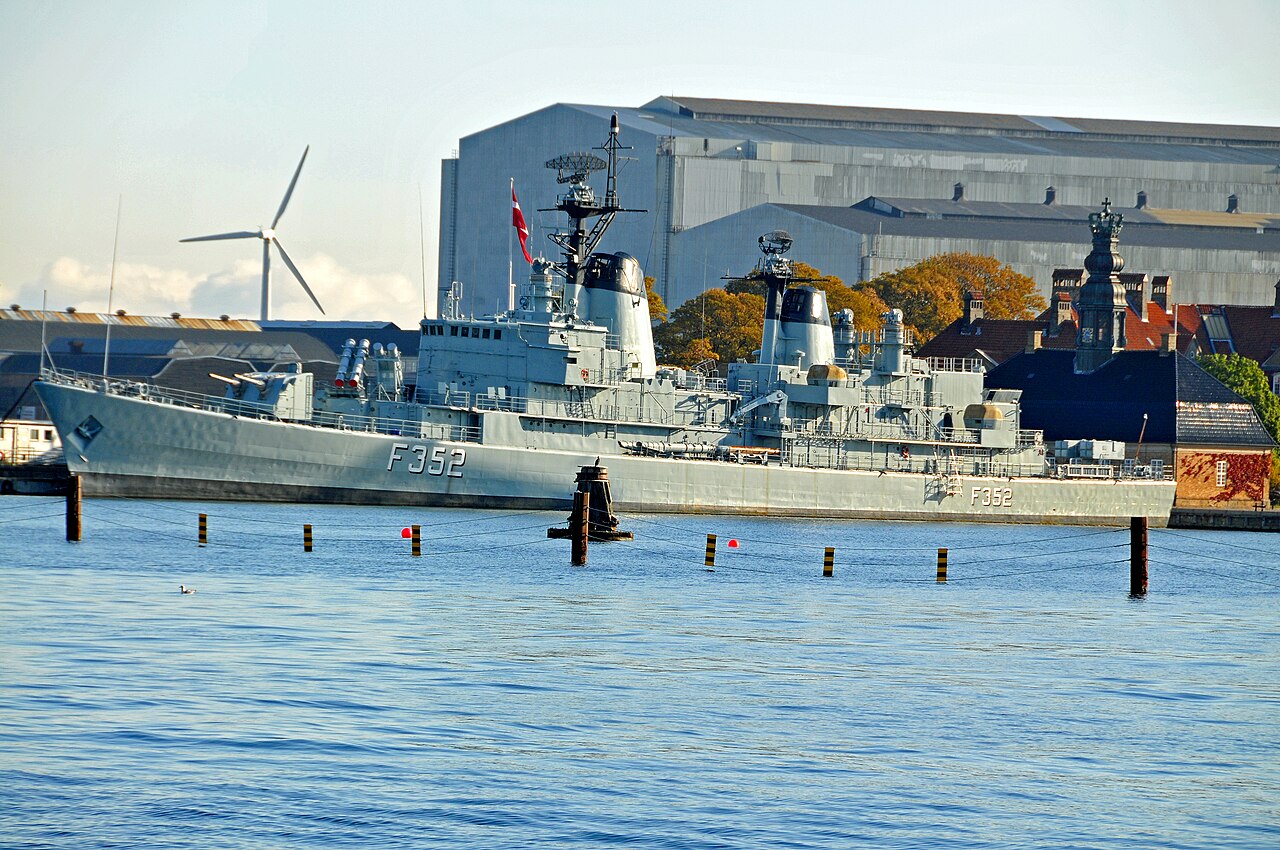
Treat the attraction as movement through a historic working vessel, not as a level gallery. Steep ladders, narrow doorways, low overhead sections, uneven thresholds and limited lighting can make progress demanding, while wet exterior decks may be slippery. Wear shoes with secure soles and keep both hands available on ladders. Open water beside the berth and historic equipment deserve particular attention, especially with children. Confined compartments may be uncomfortable for visitors who dislike tight spaces. The ship’s multi-level layout means that some parts of the interior route require careful movement between decks.
Checked 2026-09-02 · Source
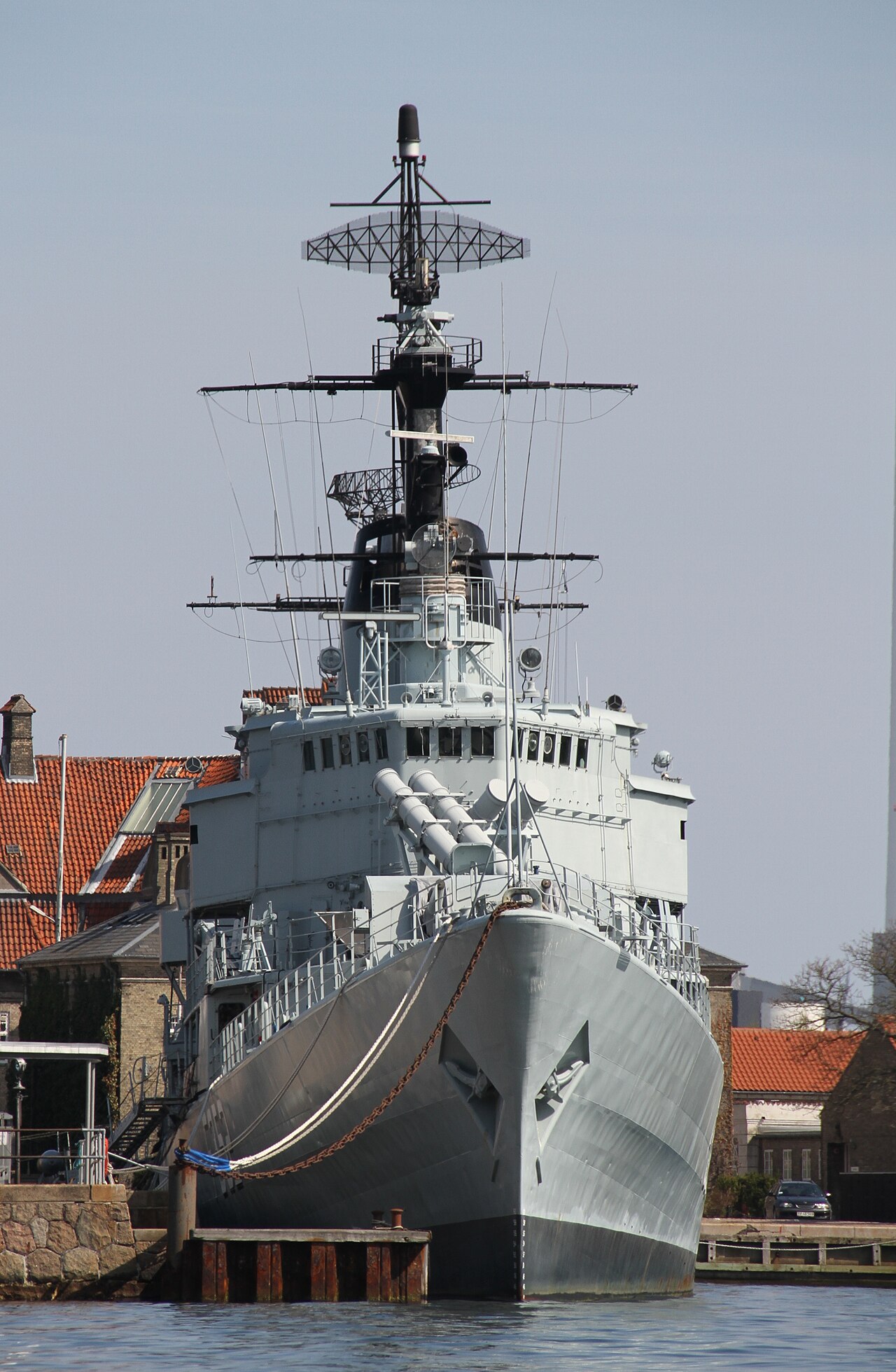
Photography works best when it shows how the frigate functioned. Start with the grey exterior against Holmen harbour, then look for details that express the ship’s compact organisation: instrument panels, communications fittings, berthing areas, ladders and machinery spaces. Interior light may be uneven, so a camera that handles dim rooms is more useful than bulky equipment in confined passages. On deck, harbour reflections and Copenhagen’s modern waterfront provide context without hiding the vessel’s utilitarian character. Compose considerately in narrow sections, and keep ladders and doorways clear for other visitors moving through the ship.
Checked 2026-09-02 · Source
The frigate is berthed at Holmen, Copenhagen’s historic naval district across the harbour from the central waterfront.
Harbour buses, nearby public-bus stops and bicycle routes provide approaches to Holmen, followed by a walk through the former naval-base area.
Yes. Walking routes cross bridges and continue along waterfront paths towards the vessels moored at Holmen.
Holmen is a former military complex rather than a simple high-street address, so finding the frigate and its berth can take additional time.
Children can experience the vessel, but close adult supervision is important around ladders, narrow passages, changing deck levels, historic equipment and open water.
The frigate forms part of Holmen’s preserved naval-vessel landscape, making its waterfront and former naval-base setting central to the visit.
Loading the interactive map…
The interactive map could not be loaded.
Last updated:
Source: OpenStreetMap contributors, Wikidata ·