

4 min walk
St. Peter's Church
- High
- Place of worship
Language · 11 published
Nature site · Copenhagen
Reviewed by Elena Voss · Roavina Travel Editor
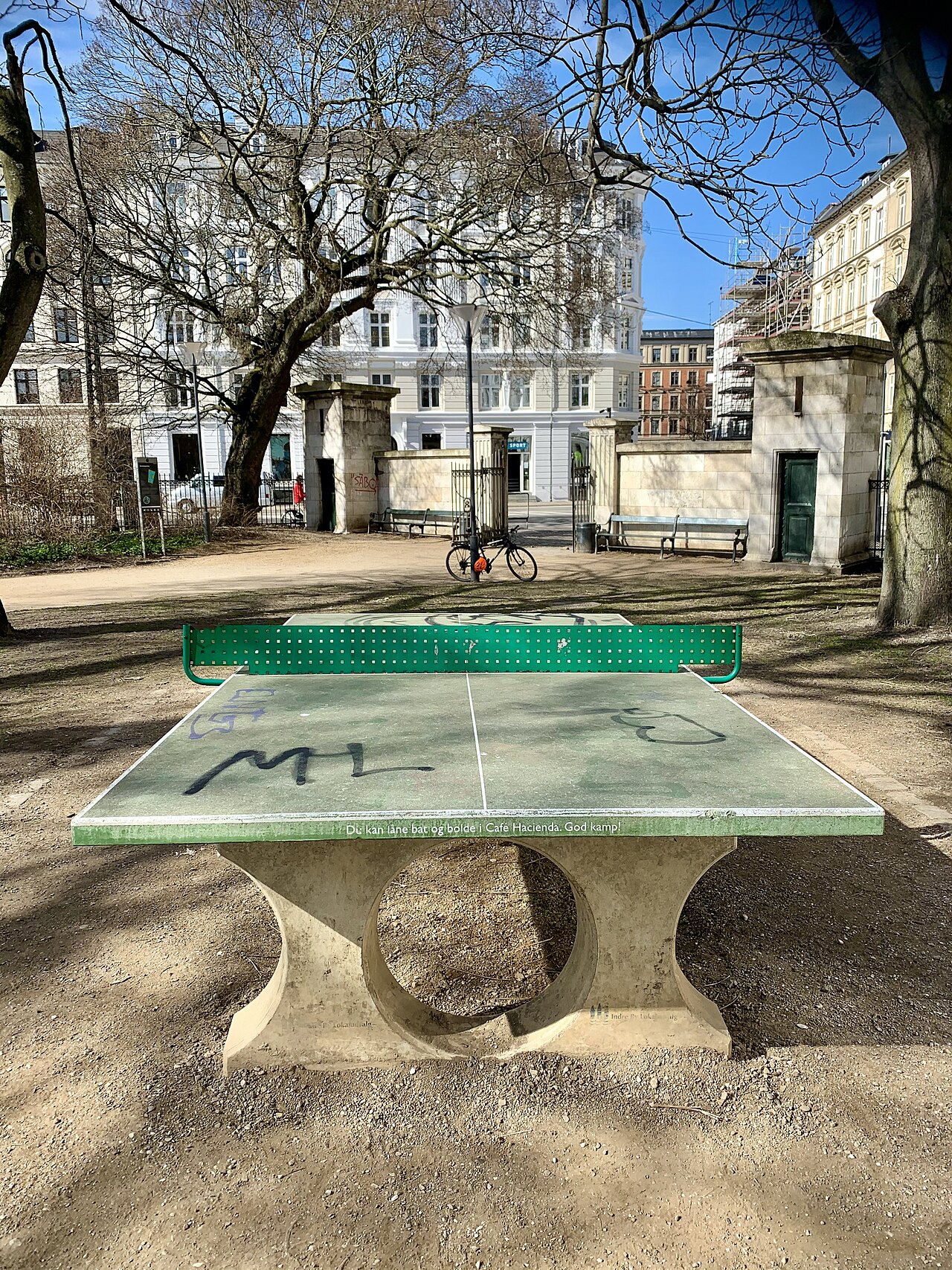
This place is a Park. It was established in 1879.
Ørstedsparken is a compact public park in central Copenhagen, arranged around a lake rather than a single monument or indoor collection. Curving paths, lawns, bridges, mature trees and small islands make the walk feel enclosed even though the city centre is close by. The park is useful as a pause between urban stops: make a short circuit, sit beside the water, or follow the paths slowly through the planting. Its character comes from the relationship between lake, bridges and tree-lined edges. The name commemorates Hans Christian Ørsted, the Danish physicist associated with the discovery of electromagnetism.
Checked 2026-09-02 · Source
The lake is the park’s organising feature, with winding paths, open grass and several bridges creating changing views as you move. Small islands interrupt the water and give the scenery more depth than a single straight shoreline. Benches allow an easy rest, while statues and memorial features add historical and human detail among the greenery. Look for reflections beneath mature trees, bridges crossing the lake, trunks framing lawns and paths bending around the water. The grounds reward a slow loop because each side presents a different balance of water, planting and surrounding city. Expect an atmospheric landscape of modest scenes rather than one dominant viewpoint.
Checked 2026-09-02 · Source
Allow about 20 to 30 minutes for a relaxed circuit with views of the lake, bridges and principal paths. Forty-five minutes to an hour suits a visit that includes sitting on a bench, examining statues, watching the water and taking photographs without rushing. A picnic or longer outdoor rest can extend the stop naturally. Because the park is compact, it fits easily into a central Copenhagen walking day: a direct crossing can be brief, while the winding route is more rewarding when you have time to let the landscape register. Pair it with Nørreport and nearby streets for a restorative break, rather than treating it as a half-day destination.
Checked 2026-09-02 · Source
Spring and summer bring fuller foliage, greener lawns and longer daylight for walking or sitting beside the lake. Autumn changes the atmosphere again, adding colour among the mature trees and richer reflections on the water. Winter exposes more of the underlying layout, but daylight is shorter and rain, frost or snow may affect the paths. Morning can feel quieter for a reflective circuit, while later summer light leaves more time for sitting and photography. Choose the season for the weather and mood you want, and read municipal signs displayed at the entrances when you arrive. The park’s appeal shifts with light, leaves and water.
Checked 2026-09-02 · Source
Ørstedsparken is an outdoor urban landscape for walking, resting and viewing the lake, bridges, lawns and memorial features. No operator admission record is available for this place, so this guide does not state a ticket price or special entry condition. Ordinary recreational use should be distinguished from an organised event, commercial activity or other special use of the grounds. If an activity is taking place, follow the temporary notices and instructions displayed at the site.
Checked 2026-09-02 · Source
Nørreport Station is the most useful nearby transport reference. This major Copenhagen hub is served by Metro lines M1 and M2, regional trains and numerous bus routes. From the station, Ørstedsparken is several minutes away on foot, with access possible from more than one direction through the city centre. Cycling is practical because Copenhagen’s cycle network connects the surrounding streets; follow signed routes and local traffic rules on the final approach. Immediate private-car parking is limited and subject to Copenhagen’s parking regulations, so public transport, walking or cycling are usually the simpler choices. The central location makes the park easy to combine with other city-centre stops.
Checked 2026-09-02 · Source
The lake is an attractive focus, so supervise children carefully near the edge, particularly when paths are busy. Rain, frost and snow may make surfaces slippery, and darker winter afternoons reduce visibility. Benches and lawns invite a pause, but keep routes clear and follow Copenhagen Municipality signs displayed in the grounds. Treat statues and memorial features respectfully, leave birds and other wildlife undisturbed, and keep valuables secure in this busy central setting. Emergency services in Denmark can be reached on 112. Weatherproof clothing makes a longer outdoor stop more comfortable in unsettled conditions.
Checked 2026-09-02 · Source
The lake provides Ørstedsparken’s clearest photographic structure. Try reflections framed by overhanging branches, bridges crossing the water, or a path leading between mature trees and open lawn. Morning can produce calmer-looking water, while soft overcast light suits the park’s restrained greens and reduces harsh contrast. Autumn foliage creates a natural frame, and summer evenings leave more time to work around the lake. Statues and memorials offer closer subjects, but photograph them respectfully and avoid intruding on other visitors’ privacy. Drone flights or commercial shoots may require compliance with Danish rules or permissions, so ordinary street-level photography is the simplest approach for a casual visit.
Checked 2026-09-02 · Source
No operator admission record is available for Ørstedsparken, so this guide does not verify a ticket price or entry condition. Ordinary park use and separately organised activities should be treated as distinct arrangements.
No official daily opening schedule is recorded for Ørstedsparken. The guide therefore does not assign a schedule to the park or infer one from its public-park setting.
Use Nørreport Station, served by Metro lines M1 and M2, regional trains and numerous buses. Ørstedsparken is several minutes’ walk from the station, and walking or cycling from central Copenhagen is also practical.
A toilet facility is not confirmed for Ørstedsparken. Plan around that limitation and use facilities elsewhere before arriving rather than assuming that the park grounds provide a public toilet.
The lawns and benches are suitable for a short outdoor rest or picnic. Rules for open flames, alcohol or large gatherings are not established here, so follow municipal signs and keep your use considerate of other visitors.
Access is recorded as limited. Detailed conditions for path surfaces, gradients and specific entrances are not available, so visitors who need step-free certainty should treat the park as requiring advance accessibility planning.
Loading the interactive map…
The interactive map could not be loaded.
Last updated:
Source: OpenStreetMap contributors, Wikidata ·