.jpg)


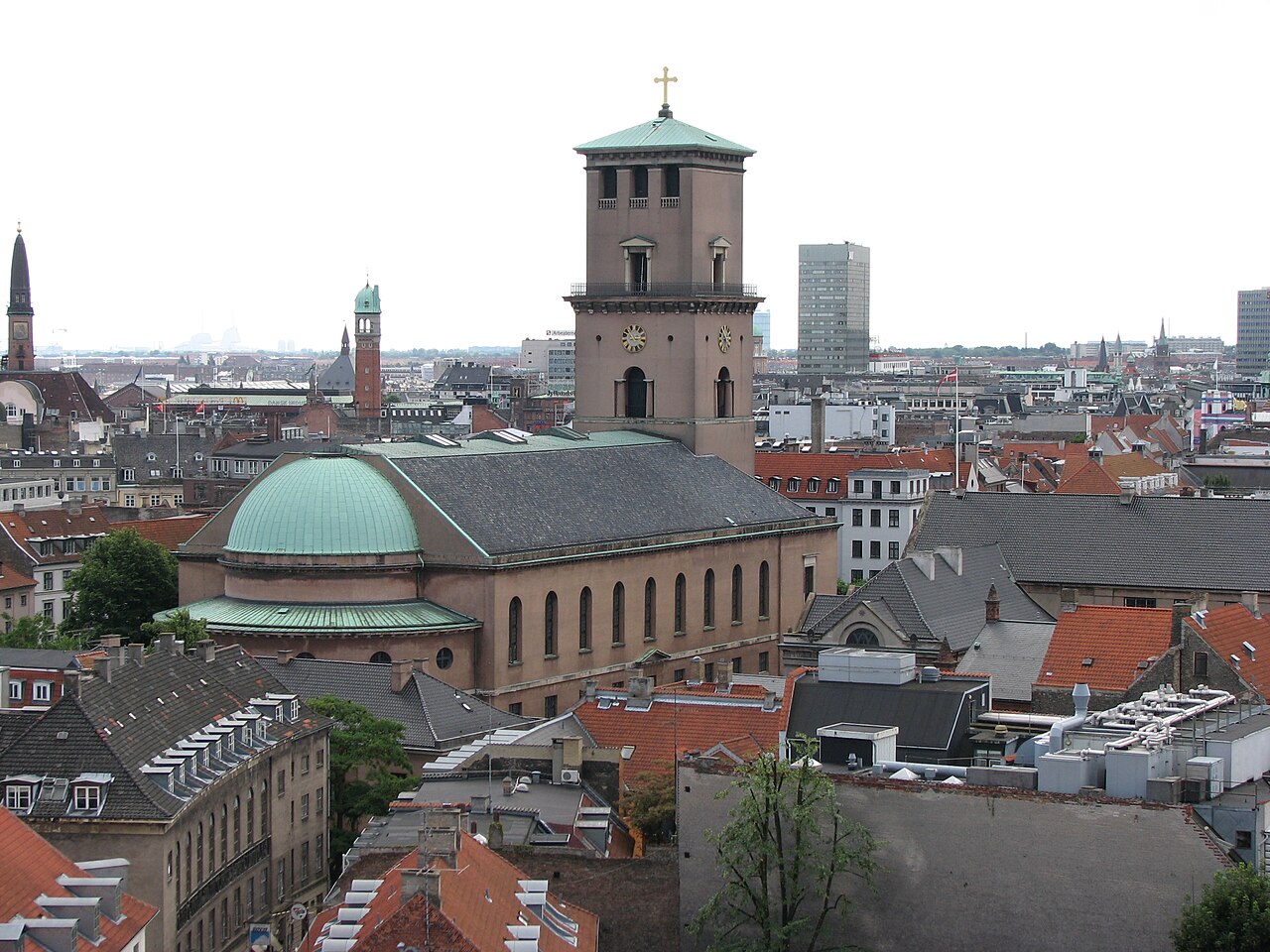
2 min walk
Church of Our Lady
- Must see
- Historic monument
Language · 11 published
Place of worship · Copenhagen
Sankt Petri Kirke
Reviewed by Elena Voss · Roavina Travel Editor

This place is a Attraction. It was established in 1757. It was built in the Gothic architecture style.
St. Peter’s Church, or Sankt Petri Kirke, is Copenhagen’s oldest surviving church building. It stands in the Latin Quarter near the University of Copenhagen and remains an active Lutheran parish church. The building connects medieval origins with the layered history of Copenhagen’s historic centre. Visit for a compact encounter with religious architecture, urban history and a working place of worship whose tower contributes to the character of the central city. Sankt Petri Kirke, known in English as St. Peter's Church, stands as Copenhagen's oldest surviving church building. Located in the Latin Quarter near the University of Copenhagen, this Lutheran parish church traces its origins to the fifteenth century. The structure has witnessed centuries of Danish history, serving as a spiritual and cultural landmark through periods of architectural change, religious reform, and urban development. Its tower remains a notable feature in the city skyline. A flexible visit lets travellers connect St. Peter's Church with the rest of the day without treating one room, viewpoint or photograph as the whole experience. The useful pace depends on personal interest and conditions on arrival.
Checked 2026-08-26 · Source
Inside, the church presents furnishings and decorative details shaped by centuries of religious and architectural change. Its significance comes from the combination of age, continued worship and accumulated historical character rather than from a single modern exhibition. Walk slowly enough to notice how the building belongs to the surrounding Latin Quarter. The church’s interior offers a useful pause between Copenhagen’s streets, shops and university buildings, with the atmosphere of an active parish still central to the visit. The interior reflects layers of historical modification spanning several centuries. Visitors encounter furnishings and decorative elements accumulated across different periods. The church maintains its function as an active place of worship alongside its historical significance.
Checked 2026-08-26 · Source
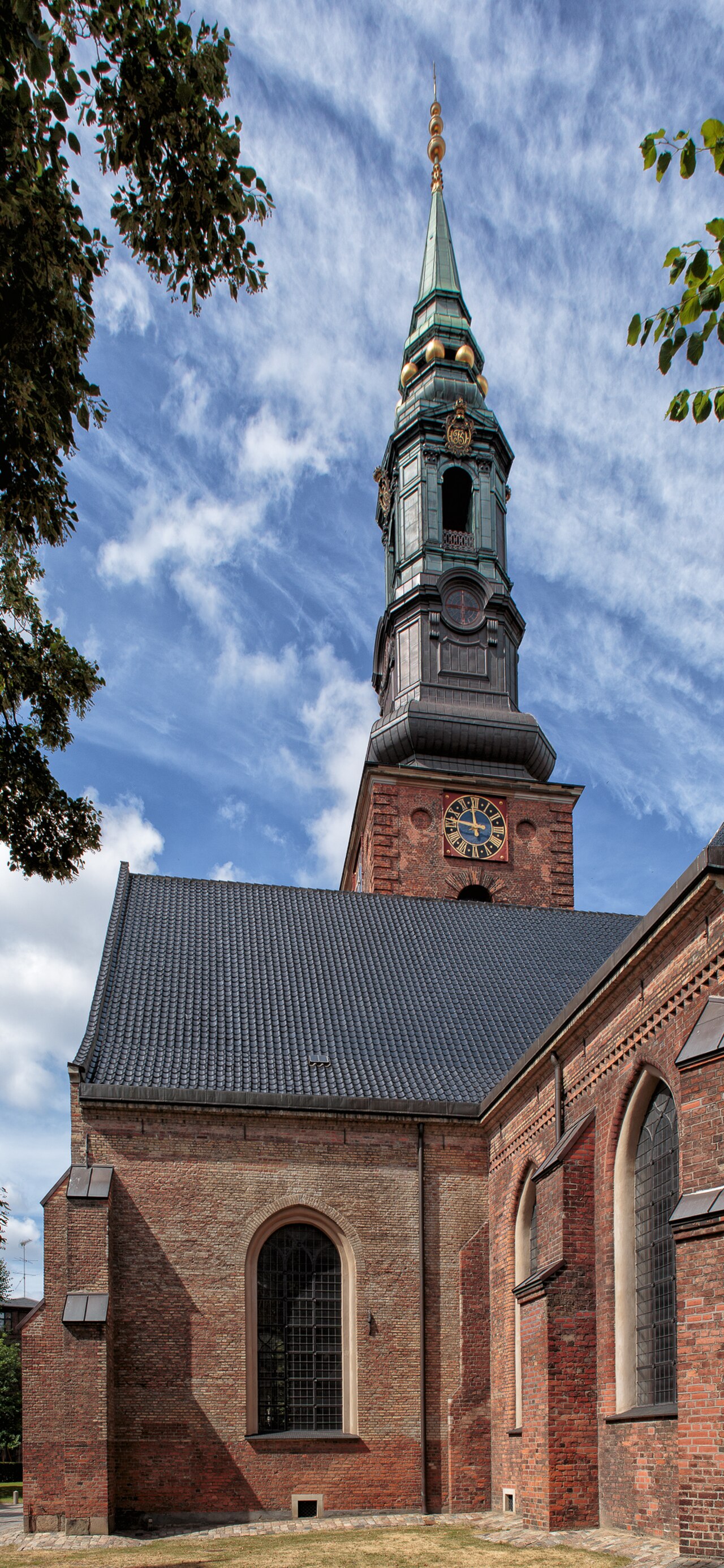
A focused visit usually fits into twenty to forty minutes, giving time to view the exterior, enter when access permits and absorb the interior’s historic layers. Travellers with a strong interest in Danish church history, architecture or religious art can stay longer. Because the church sits in Copenhagen’s historic core, it is easy to include between nearby sights rather than treating it as a destination requiring an entire half-day. A visit duration depends on individual interest in historical architecture and ecclesiastical heritage. Casual observers typically spend twenty to forty minutes examining the interior and exterior features.
Checked 2026-08-26 · Source
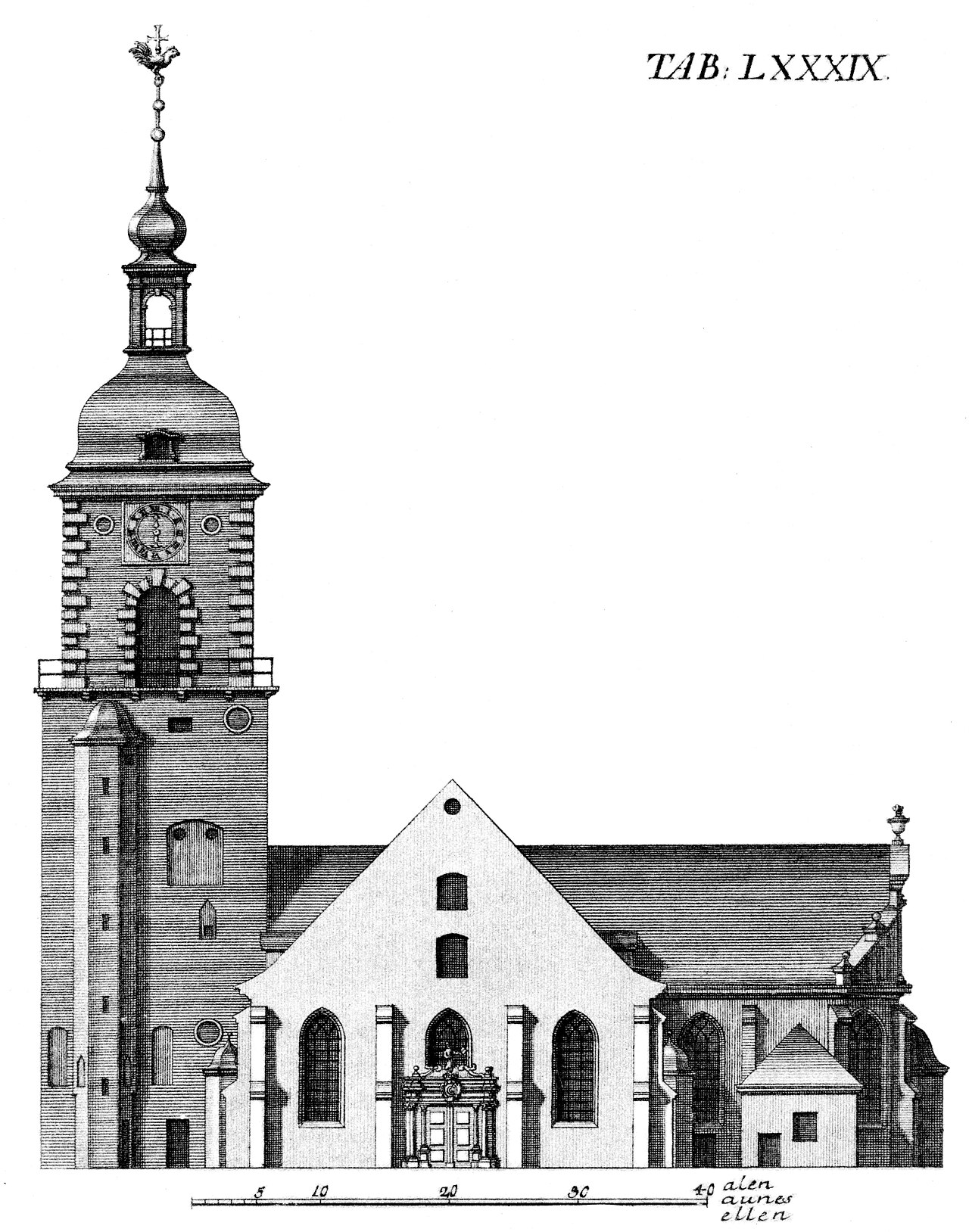
Plan St. Peter’s Church as a calm stop during a walk through the Latin Quarter and central Copenhagen. The active parish function matters: worship and church activities take priority over sightseeing. A visit outside busy activity can make it easier to appreciate the building’s details and quiet atmosphere. The church is especially rewarding when paired with nearby university streets, historic lanes and the central shopping area, creating a compact architecture-focused route.
Checked 2026-08-26 · Source
Peter’s Church as a Lutheran parish church and gives no admission amount. Treat the visit as a religious and historic stop rather than planning it around a confirmed ticketed exhibition. A donation may be appropriate in a place of worship, but the guide does not provide a figure or payment arrangement. Leave room in the itinerary for the church’s active religious use, which can shape visitor access.
Checked 2026-08-26 · Source
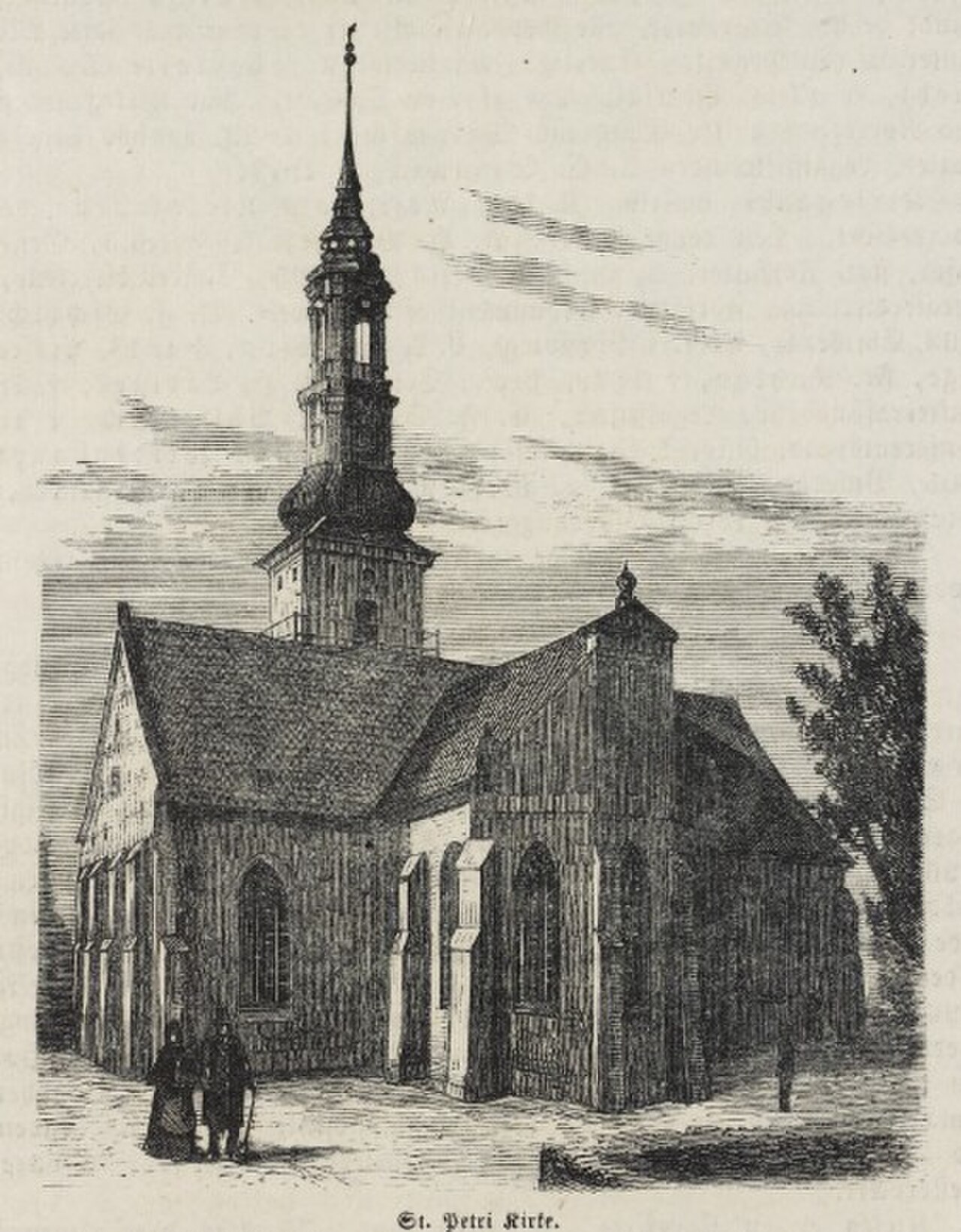
St. Peter’s Church is centrally placed in Copenhagen’s pedestrian-friendly historic district. Walk to it from the Strøget area and nearby Latin Quarter streets, or connect through the city’s bus and metro network. Nørreport is a major interchange within the central area. Cycling also suits Copenhagen’s street layout. Use the church’s mapped position to choose the simplest approach and combine the visit with surrounding historic sights rather than making a long cross-city journey.
Checked 2026-08-26 · Source
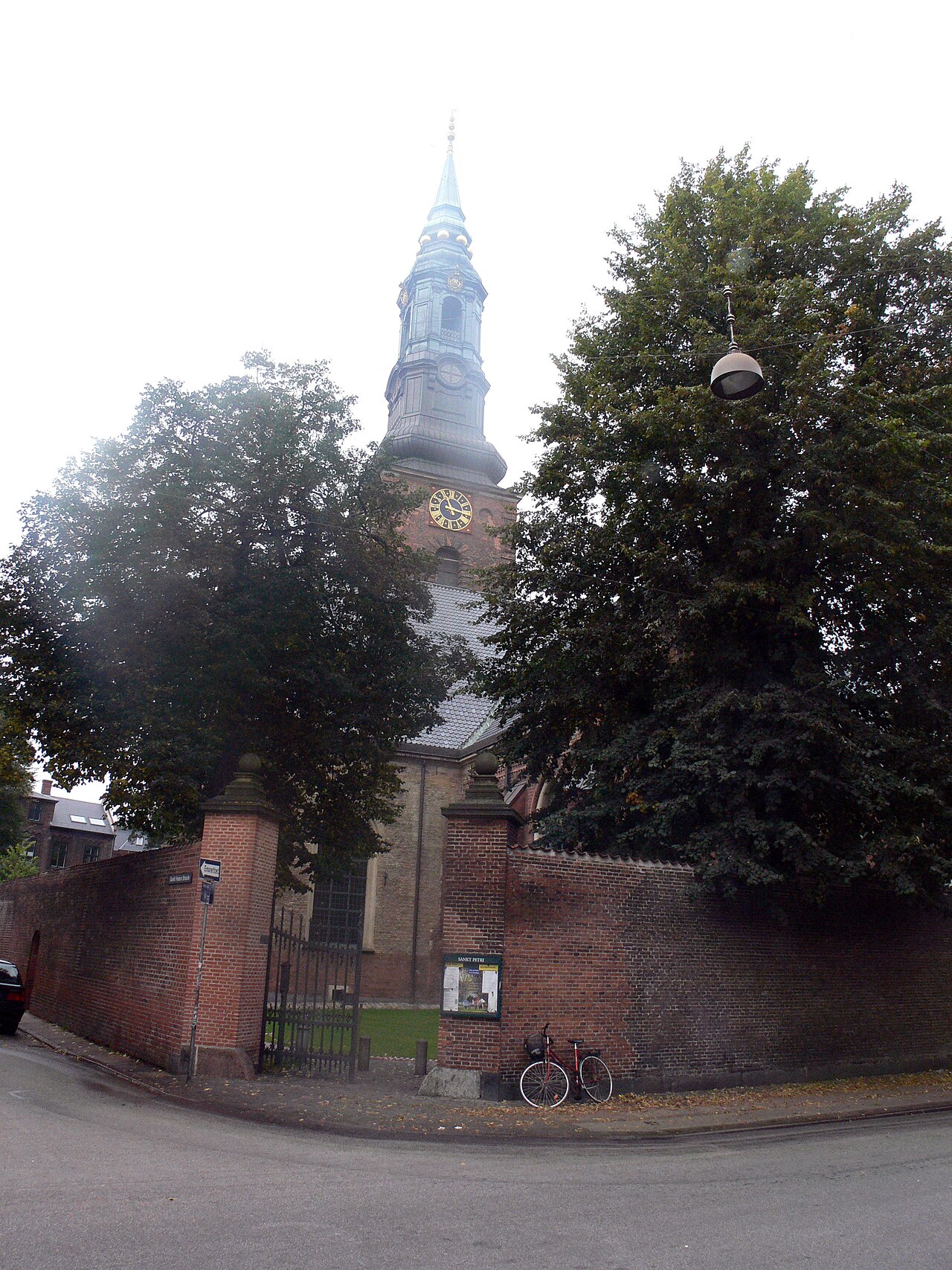
St. Peter’s Church is an active religious site, so keep voices low and give services, prayer and parish activity priority. Central Copenhagen brings ordinary urban crowds, so keep belongings close while moving through the district. Allow a little flexibility: a church visit belongs naturally in a walking route and does not need to dictate the whole day’s schedule.
Checked 2026-08-26 · Source
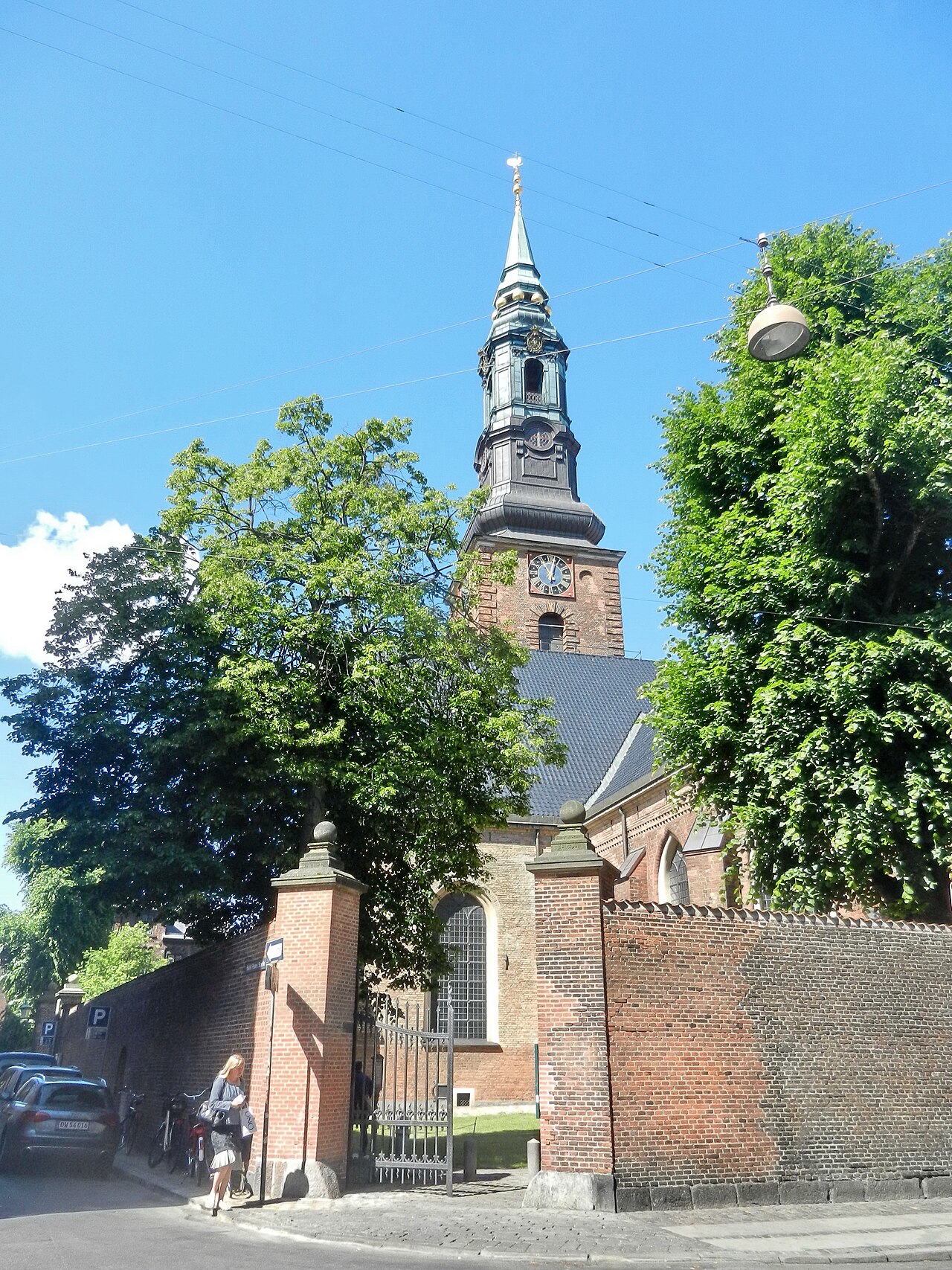
Keep photography quiet and secondary to worship, and follow any signage or staff direction inside. Avoid flash when other people are praying or when it would disturb the atmosphere. A wide exterior view also captures the church’s place in the Latin Quarter without turning the interior into a staged photo session.
Checked 2026-08-26 · Source
It is Copenhagen’s oldest surviving church building and an active Lutheran parish church in the Latin Quarter.
The church stands in Copenhagen’s Latin Quarter near the University of Copenhagen and the central pedestrian district.
A focused visit fits into roughly twenty to forty minutes, with longer needed for detailed architectural or religious-history interest.
Yes. Its central Latin Quarter position makes it easy to include with Strøget, university streets and other historic-centre attractions.
Keep a quiet, respectful manner because St. Peter’s Church continues to function as a place of Lutheran worship.
It brings together Copenhagen’s medieval church heritage, later architectural layers and the atmosphere of an active central parish.
Loading the interactive map…
The interactive map could not be loaded.
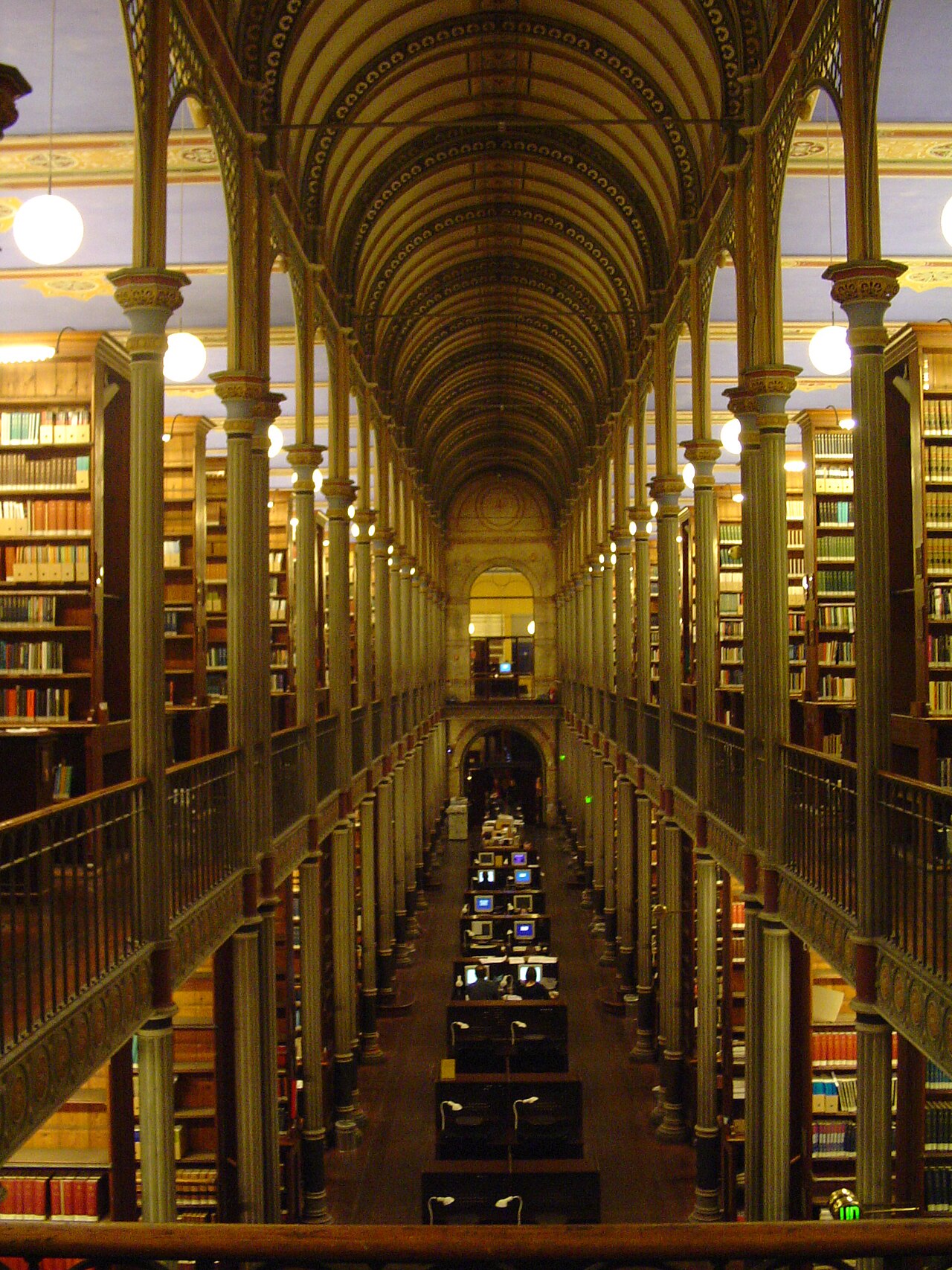
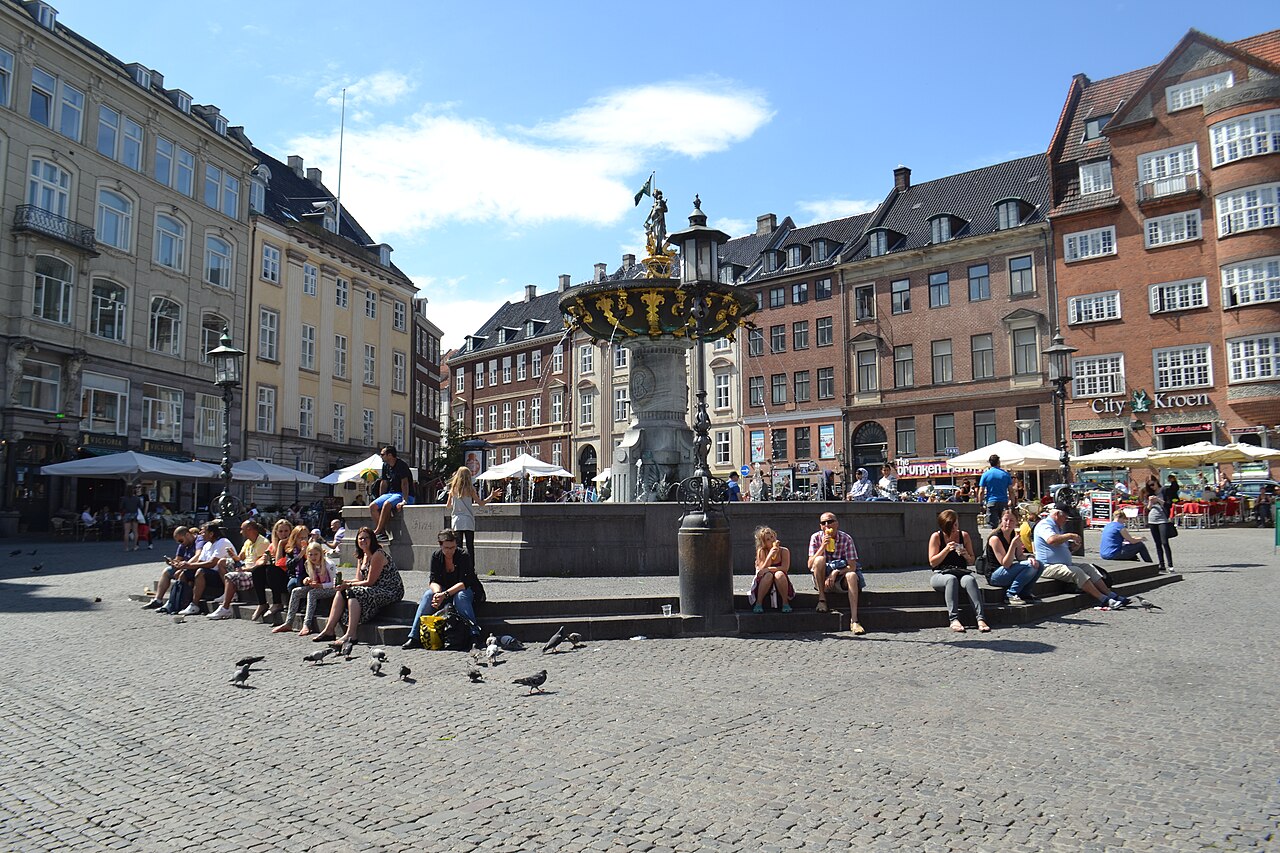
Last updated:
Source: OpenStreetMap contributors, Wikidata ·