.jpg)
6 min walk
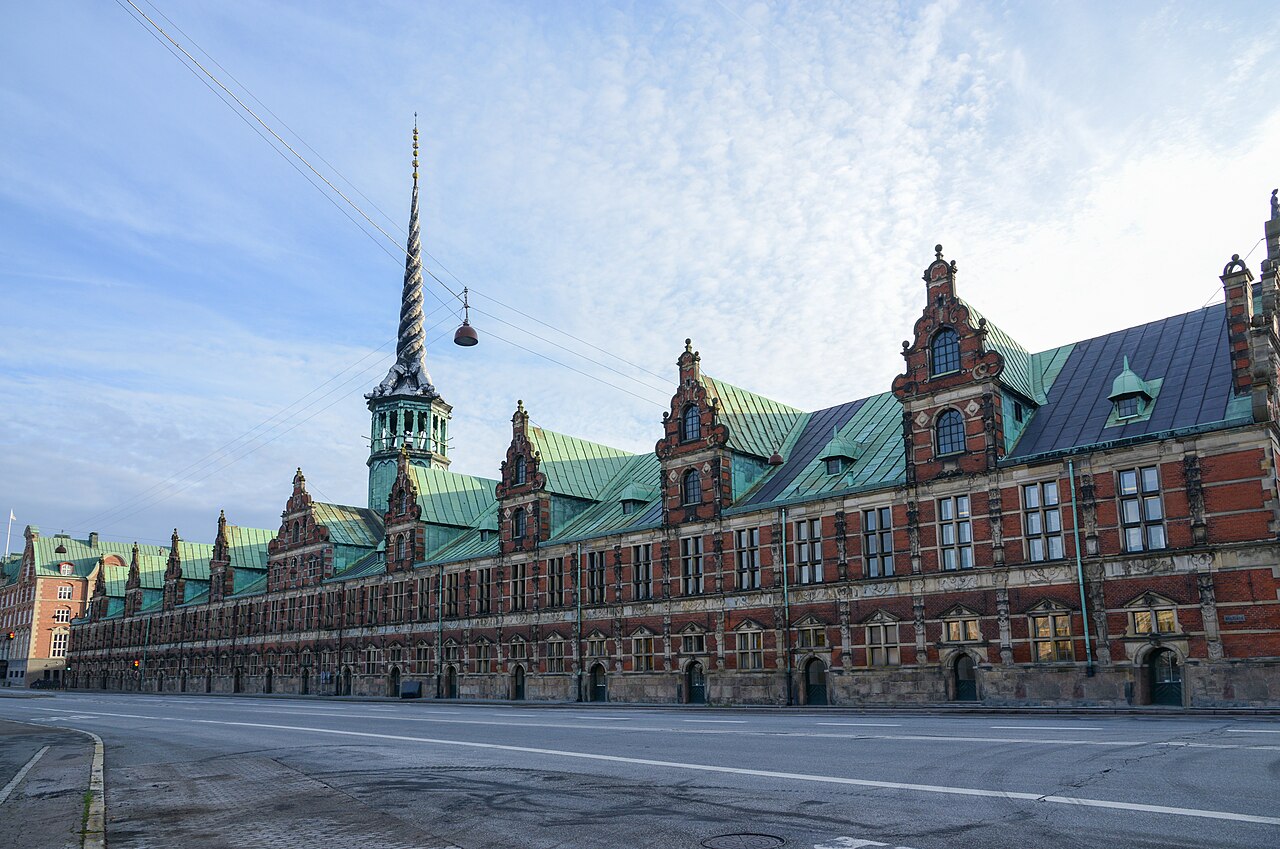
Børsen
- Must see · Heritage site
- Historic monument
Place of worship · Copenhagen
Christians Kirke
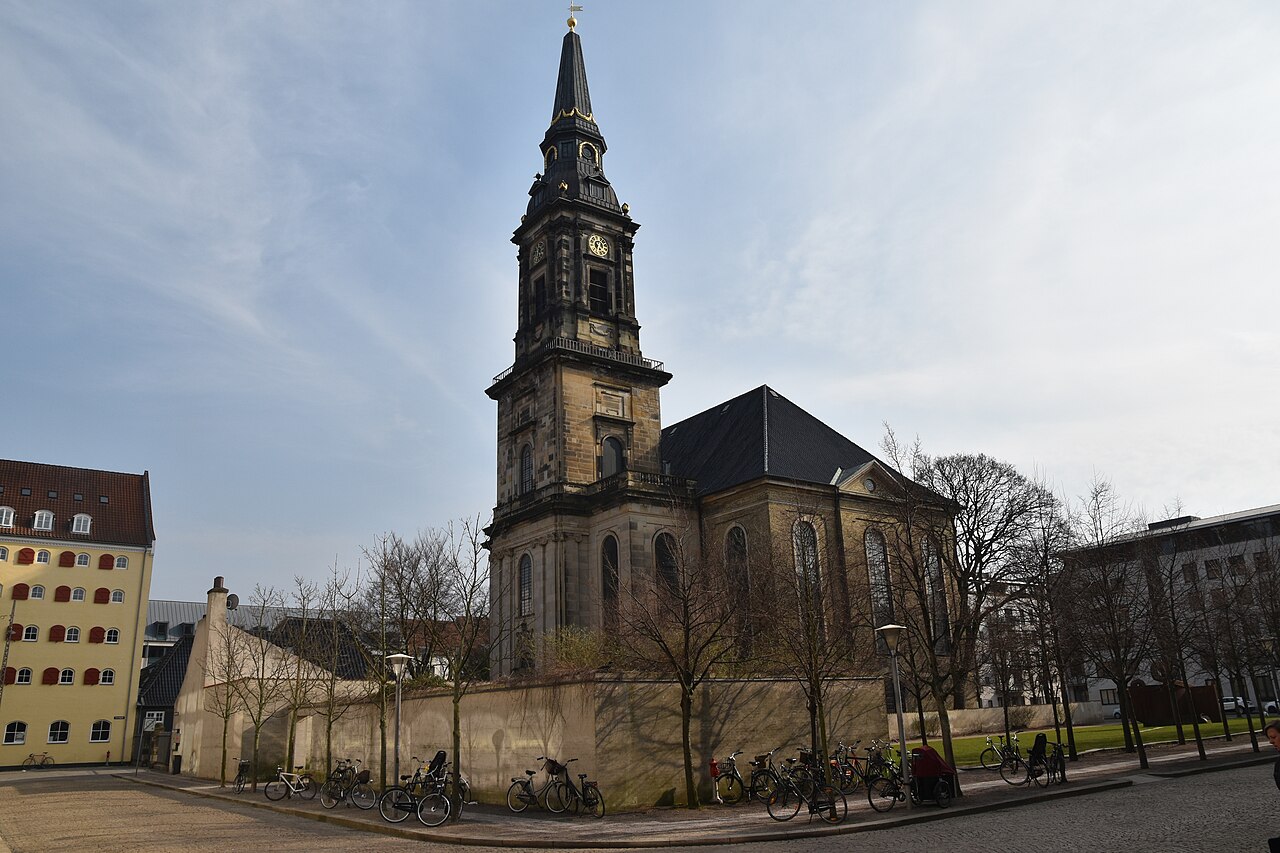
Christians Kirke, known in English as Christian’s Church, is a historic church in Copenhagen. It is both an architectural landmark and an active place of worship, so the visitor experience depends on the rhythm of religious life as well as on the building itself. The church contributes to the character of the Danish capital through its scale, design and continuing community role. Visit for a quiet encounter with Copenhagen’s ecclesiastical heritage, keeping the sacred function central. Christians Kirke, locally known as Christians Kirke, is a historic church building in Copenhagen. The structure stands as a notable architectural landmark within the Danish capital. Its distinctive design and prominent location contribute to its recognition among the city's religious and cultural heritage sites. The church represents an important element of Copenhagen's urban fabric and historical development. Visitors encounter a building that reflects the architectural traditions and ecclesiastical history of Denmark. The church may welcome visitors during certain periods, but its primary function is as an active place of worship.
Checked 2026-08-26 · Source
Inside Christians Kirke, the focus is the church interior: seating, worship space, decorative details and the arrangement created for religious services. The proportions and furnishings communicate the building’s ecclesiastical purpose more clearly than a checklist of individual objects. Move quietly and give worshippers space, especially when a service or ceremony is underway. A short interior visit suits travellers interested in Copenhagen’s historic architecture, while a service offers a different experience centred on participation and reflection. The interior of Christians Kirke contains features typical of historic Danish church architecture.
Checked 2026-08-26 · Source
Allow fifteen to thirty minutes for a calm look inside when visitor access fits the church’s religious use. An exterior stop can be much shorter, while attending a service requires the full service period and a more settled pace. This is a place to visit without rushing between photographs and attractions. Leave time to stand quietly, notice the interior arrangement and respect the atmosphere. A brief visit can still feel meaningful when approached as a working church rather than a conventional exhibition.
Checked 2026-08-26 · Source
Plan a visit around the church’s role as an active place of worship. General access and services can shape when a quiet architectural visit is appropriate, while religious observances may change the character of the building. A weekday daytime stop can suit travellers moving through the district, provided the interior is available for visitors. If you attend during a service, enter quietly, follow the congregation’s lead and treat worship as the primary activity rather than sightseeing.
Checked 2026-08-26 · Source
A church visit is different from a paid museum admission: the purpose is worship, quiet reflection and appreciation of the building. Ordinary entry can be associated with visiting the church, while concerts or other special events may use a separate ticketing arrangement. Carry yourself as a guest in a sacred space, not as a customer moving through an attraction. If you enter during a service, remain discreet and avoid actions that distract the congregation or interfere with the ceremony.
Checked 2026-08-26 · Source
Christians Kirke sits within Copenhagen’s urban network, where walking, cycling and public transport are practical ways to travel between neighbourhoods. Use the church’s mapped location to place it alongside nearby city sights rather than treating it as a remote excursion. Walking gives the best sense of the surrounding streets, while Copenhagen’s buses, Metro and trains connect the wider city. Build in enough time to arrive calmly, particularly if you intend to join a service or enter during a limited quiet period.
Checked 2026-08-26 · Source
Dress and behave respectfully because Christians Kirke remains a functioning religious building. Keep voices low, avoid interrupting services and follow any instructions from clergy or staff. Historic interiors can include steps, hard flooring and narrow transitions, so move carefully. Weather can make the approach wet or slippery. Do not treat the church as an unrestricted backdrop for staged activity. The most considerate visit is quiet, observant and willing to give priority to worshippers and ceremonies.
Checked 2026-08-26 · Source
The exterior of Christians Kirke can be photographed as part of Copenhagen’s architectural streetscape. Inside, keep a camera discreet and follow any signs or instructions concerning photography. Never let photography interfere with a service, prayer or private moment. Avoid flash, tripods and intrusive poses in the worship space. The building is best documented through quiet details of form, light and decoration, with the camera secondary to the respectful atmosphere of the church.
Checked 2026-08-26 · Source
Christians Kirke, or Christian’s Church, is a historic Copenhagen church that continues to function as an active place of worship.
Allow fifteen to thirty minutes for a quiet interior visit, or less for an exterior stop; attending a service requires the complete service period.
Keep voices low, dress respectfully, avoid interrupting worship and give priority to services, ceremonies and people using the church for religious purposes.
The exterior is suitable for architectural photographs; inside, follow posted guidance, avoid flash and keep photography discreet around worship and services.
Walking, cycling and Copenhagen’s public transport network provide practical ways to reach the church within the city’s urban neighbourhoods.
It offers a quiet encounter with Copenhagen’s ecclesiastical architecture and religious life, with the atmosphere shaped by the building’s continuing worship function.
Loading the interactive map…
The interactive map could not be loaded.
Last updated:
Source: OpenStreetMap contributors, Wikidata ·