.jpg)
2 min walk
Holmen Church
- Must see
- Historic monument
Language · 11 published
Historic monument · Copenhagen
Reviewed by Elena Voss · Roavina Travel Editor
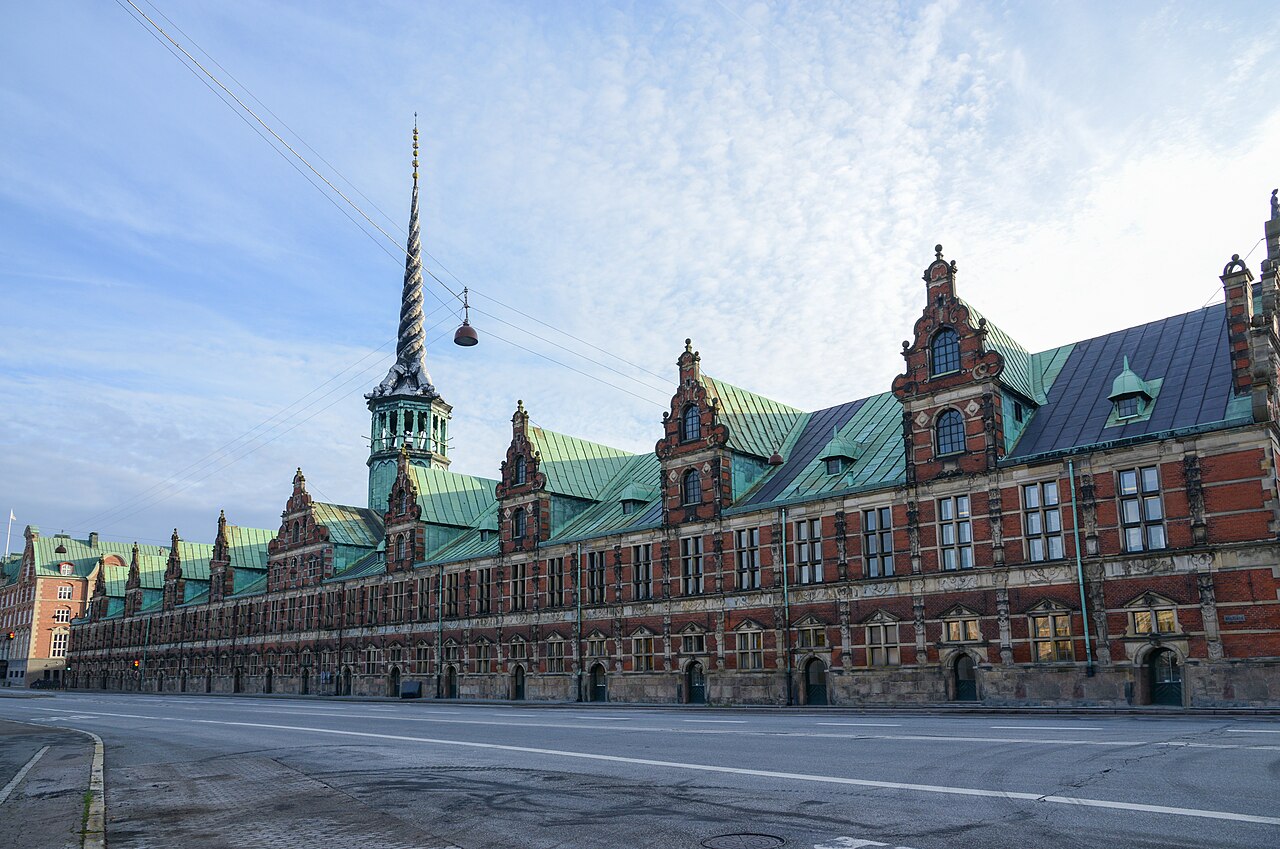
This place is a Attraction. It was established in 1640. It was built in the Northern Renaissance style. It was designed by Hans van Steenwinckel the Younger. It carries the monument on Kulturstyrelsen register heritage designation.
Børsen is a historic former stock exchange building on Slotsholmen in central Copenhagen. Built in the Dutch Renaissance style during the seventeenth century, it served the city’s commercial life for centuries. Its most famous feature is the dragon spire, formed by four intertwined dragon tails above the roof. Commissioned by Christian IV, the building remains one of Copenhagen’s most recognizable secular landmarks and an important expression of the city’s trading history. Børsen is a historic former stock exchange building in central Copenhagen, Denmark. Constructed in the Dutch Renaissance style during the 17th century, it served as Denmark's central commercial hub for centuries. The building is distinguished by its remarkable dragon-spire tower, formed by four intertwined dragon tails rising above the roofline. Christian IV commissioned the structure to strengthen Copenhagen's position as a trading centre. Today it stands as one of the city's most architecturally significant secular buildings, though its interior function has evolved from its original mercantile purpose. Current access status is uncertain due to ongoing restoration following the 2024 fire. Visitors should verify conditions directly with official sources before planning.
Checked 2026-08-26 · Source
Børsen’s historic interior was shaped by trading halls, commercial chambers, timber construction, painted ceilings, carved wood, and decorative details associated with early modern Danish commerce. The great hall supported business and assemblies, reflecting the building’s original role as a centre of trade. For today’s traveler, the exterior dragon spire and Renaissance facade are the clearest visual expressions of the landmark, while restoration work affects how much of the building can be experienced inside. The interior historically contained trading halls and commercial chambers where merchants conducted business. The building features elaborate period craftsmanship including detailed wooden carvings, decorative elements, and substantial timber construction typical of its era.
Checked 2026-08-26 · Source
A focused visit to Børsen can take around thirty minutes to an hour when centered on the exterior, facade details, and views of the dragon spire. Travelers with a strong interest in architecture may spend longer examining the roofline, materials, and decorative work. Its position on Slotsholmen makes it easy to combine with Christiansborg Palace, the National Museum, and nearby historic streets, so the building works especially well as one stop in a central walking route.
Checked 2026-08-26 · Source
Daylight is the best time to study Børsen’s facade and photograph the dragon spire. Copenhagen’s winter days provide less afternoon light, while summer keeps the historic core visible later into the evening. The exposed waterside setting can be windy or wet, so clothing should suit the weather. The building suffered major fire damage in April 2024, and restoration has changed the visitor experience. Include Børsen when your route passes Slotsholmen and allow for altered views around the works.
Checked 2026-08-26 · Source
Børsen is valuable as an architectural landmark that can be appreciated from the surrounding public streets and routes across Slotsholmen. Interior access, where available, is separate from simply viewing the exterior and may be affected by restoration. Plan this stop primarily as an outdoor heritage visit, then treat any interior opportunity as an additional experience. The building’s place beside other central institutions makes it easy to enjoy without creating a separate full-day commitment.
Checked 2026-08-26 · Source
Børsen stands on Slotsholmen, Copenhagen’s historic and governmental island. Gammel Strand metro station and central bus routes provide nearby public-transport connections. Walkers can reach the building across bridges from Strøget and other central districts, while cyclists can use Copenhagen’s cycle network. The site is also close to Christiansborg Palace and the National Museum, making a walking route through Copenhagen’s historic core the most natural way to reach and appreciate the building.
Checked 2026-08-26 · Source
The April 2024 fire damaged the roof and dragon spire, and restoration work continues to shape the surroundings. Barriers, scaffolding, protective coverings, and changed pedestrian routes can affect the view and the approach. Stay outside cordoned areas and follow instructions around the conservation zone. Slotsholmen’s waterside paths can be slippery, windy, and busy with bicycles. Bring flexible expectations: the landmark remains important, but the familiar silhouette may be partly obscured during repairs.
Checked 2026-08-26 · Source
The dragon spire is Børsen’s defining photographic subject. Photograph it from Slotsholmen, nearby bridges, and surrounding streets to find different relationships between the tower, facade, and waterfront. Wide views help contain the spire’s height, while closer positions reveal Renaissance details and restoration textures. Scaffolding or protective coverings may become part of the current composition. Respect barriers and public-space movement, and avoid drone use near government buildings unless all applicable Danish aviation rules permit it.
Checked 2026-08-26 · Source
Børsen is known for its Dutch Renaissance architecture and dragon spire, whose four intertwined tails symbolize Copenhagen’s commercial heritage.
The building stands on Slotsholmen in central Copenhagen, close to Christiansborg Palace and the National Museum.
Allow roughly thirty minutes to an hour for exterior appreciation and photography, with additional time for detailed architectural study.
A significant fire damaged the roof and dragon spire, leading to extensive restoration and changing the way visitors experience the landmark.
Børsen can be combined with Christiansborg Palace, the National Museum, Slotsholmen’s historic streets, and other central Copenhagen landmarks.
Daylight gives the clearest view of the facade and dragon spire; morning, afternoon, and waterfront viewpoints create different compositions across Slotsholmen.
Loading the interactive map…
The interactive map could not be loaded.
Last updated:
Source: OpenStreetMap contributors, Wikidata ·