


11 min walk
Den Frie Udstilling
- Must see
- Museum
Place of worship · Copenhagen
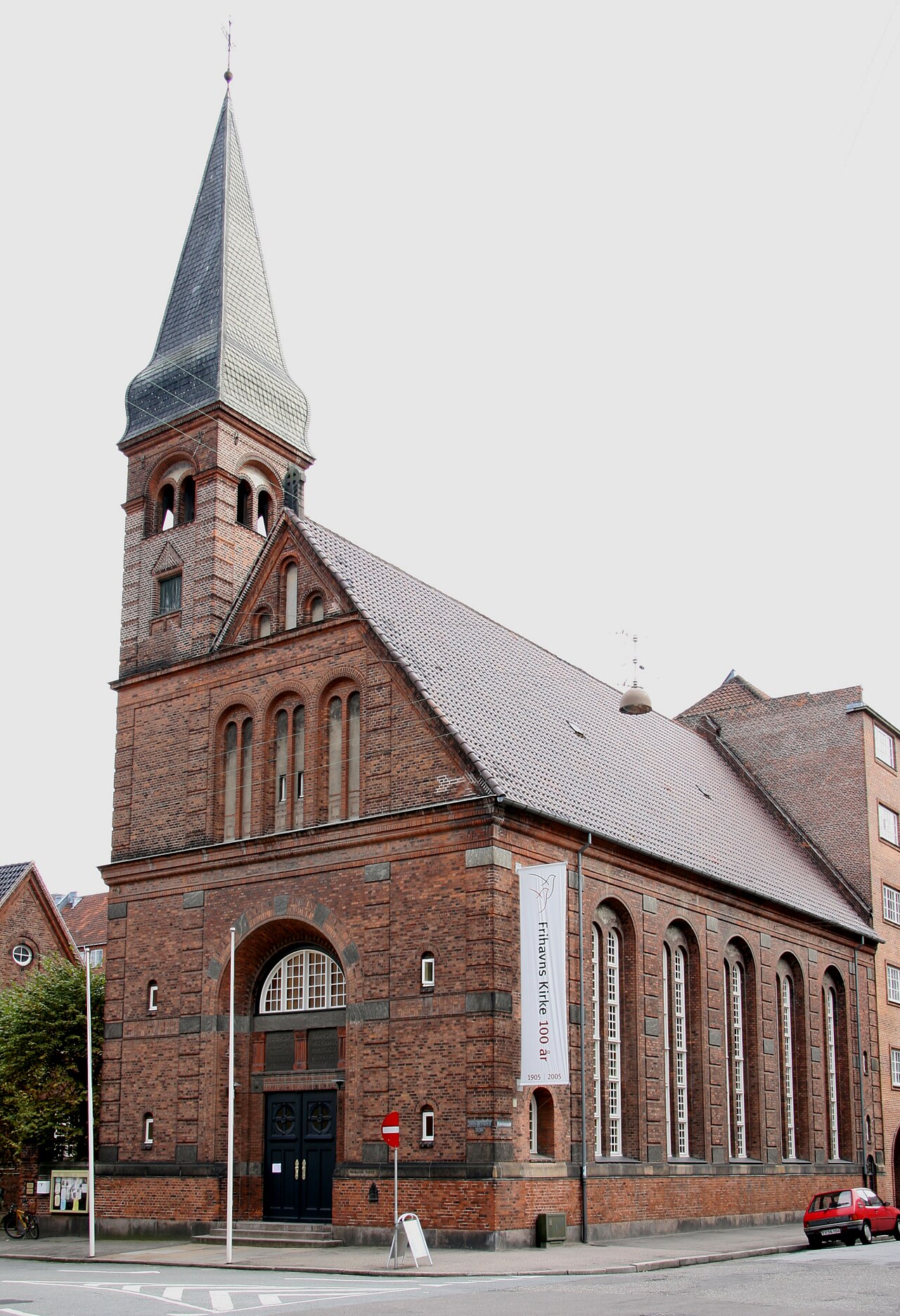
Frihavnskirken
The Church of the Free Port, or Frihavnskirken, is a place of worship in Copenhagen’s Free Port district. Its setting reflects the area’s maritime and industrial past, when port activity supported new housing and community institutions. For travellers, the church is best approached as a neighbourhood landmark within a changing waterfront district. Its significance comes from the connection between religious life, port expansion and the urban growth of Copenhagen. The Church of the Free Port, known locally as Frihavnskirken, is a place of worship in Copenhagen. It serves the Free Port district, an area historically associated with maritime commerce and industrial activity. The church reflects the urban development patterns of its neighbourhood, where religious institutions were established to support growing working populations. Its architecture and historical significance are tied to Copenhagen's expansion as a major Baltic port city. The building represents an era when port facilities drove residential and community infrastructure growth in Danish urban planning.
Checked 2026-08-26 · Source
Frihavnskirken is an active worship space rather than a museum arranged around a visitor route. Inside, expect the familiar structure of a church: a main worship area, seating, an altar and furnishings supporting services and music. The atmosphere depends on whether you arrive during worship, prayer or another community activity. Enter quietly, observe the character of the space and give priority to people using the church for religious purposes. The interior of Frihavnskirken contains features typical of Danish church design from its period of construction. The church maintains its function as an active religious venue rather than a museum, meaning interior access depends on service times and pastoral discretion rather than tourist-oriented exhibition schedules.
Checked 2026-08-26 · Source
A brief exterior stop can take fifteen to thirty minutes, particularly when combined with a walk through the Free Port district. An interior visit depends on the activity taking place and may involve attending a service rather than following a tourist itinerary. If you are visiting during worship, remain for the part of the service you can attend respectfully. Leave additional time to explore the surrounding port streets and waterfront redevelopment.
Checked 2026-08-26 · Source
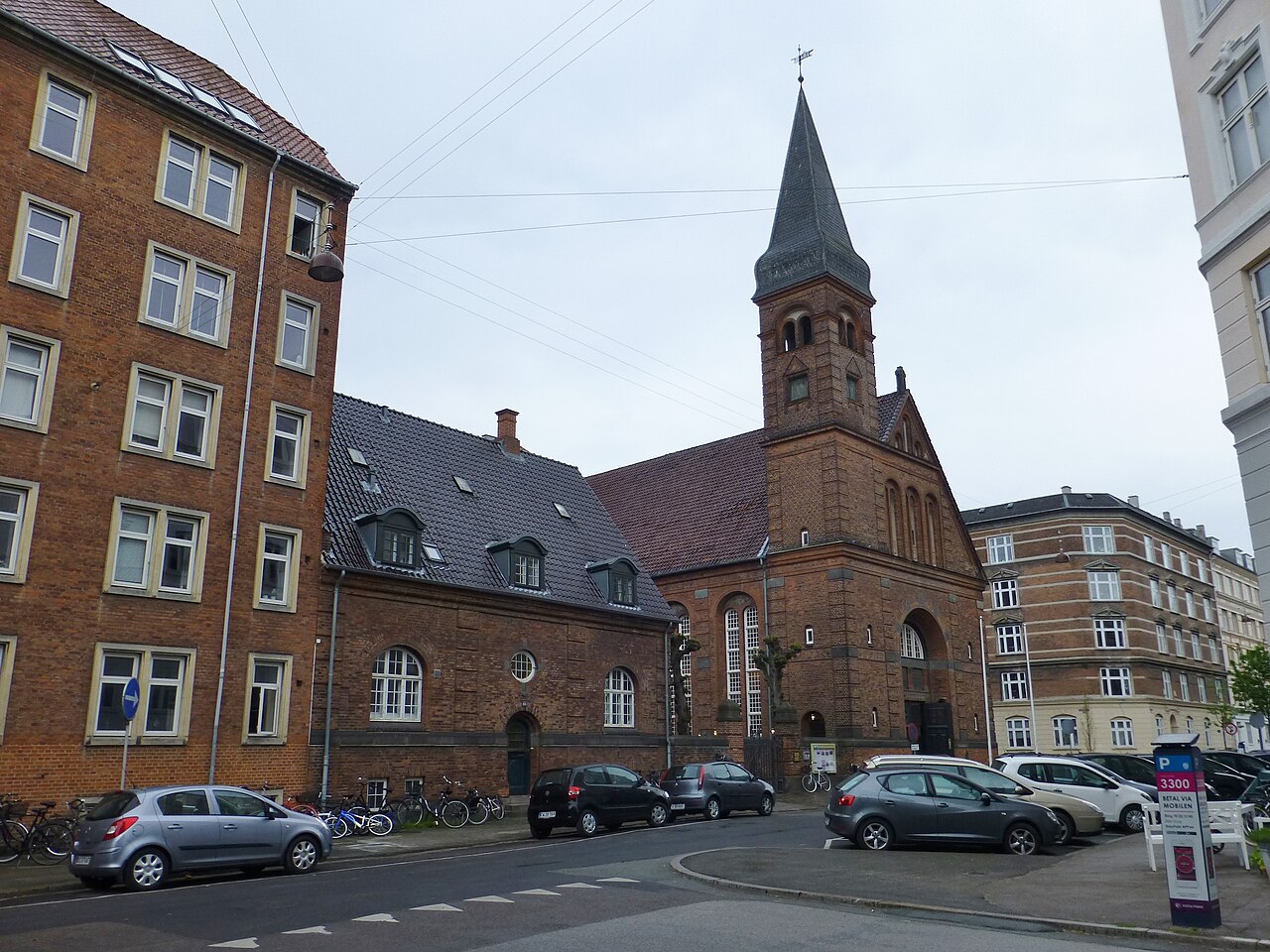
Daylight is useful for understanding the church in relation to the Free Port’s broad streets, port structures and newer residential development. A visit during a service offers the clearest experience of the building as a living congregation, while a quiet daytime walk suits exterior architecture and neighbourhood context. Religious occasions such as Christmas and Easter can change the character of the area. Keep your visit flexible and avoid interrupting worship when the church is in use.
Checked 2026-08-26 · Source
A place of worship is not normally approached like a ticketed museum. Visitors attending a service should behave as guests of the congregation, while a concert or special programme may have its own arrangements. An exterior visit through the surrounding public streets does not require an attraction ticket. If you enter, dress and act with the setting in mind, silence your phone and avoid treating the church as a backdrop when people are praying.
Checked 2026-08-26 · Source
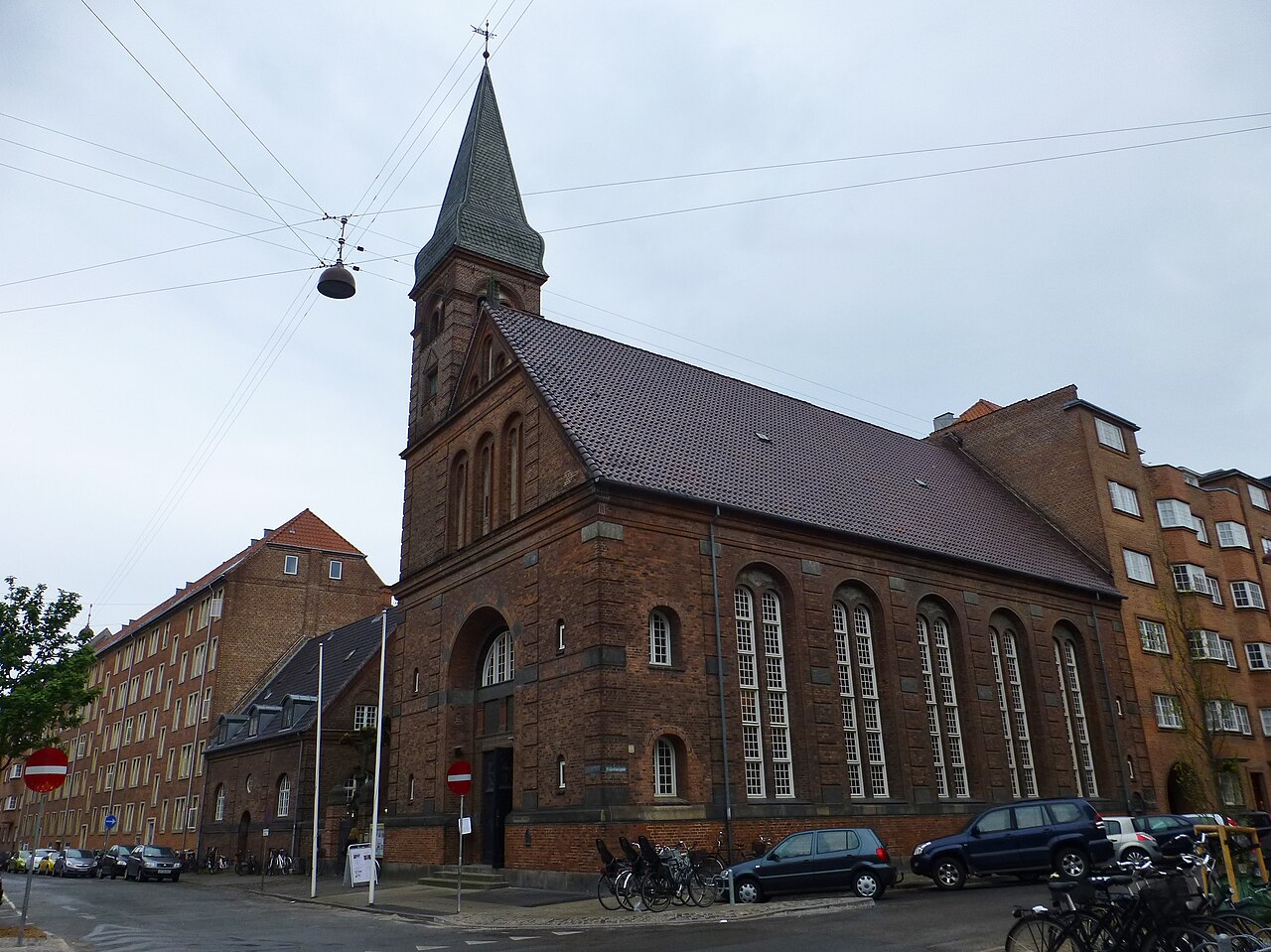
Frihavnskirken lies northeast of Copenhagen’s historic centre in the Free Port area. Cycling and public transport are practical for reaching this part of the city, while walking from central districts becomes a longer neighbourhood route. The port setting combines older industrial patterns with newer streets, so the final approach can feel different from Copenhagen’s historic core. Build the church into a Nordhavn or waterfront walk and allow time for open streets, construction changes and crossings.
Checked 2026-08-26 · Source
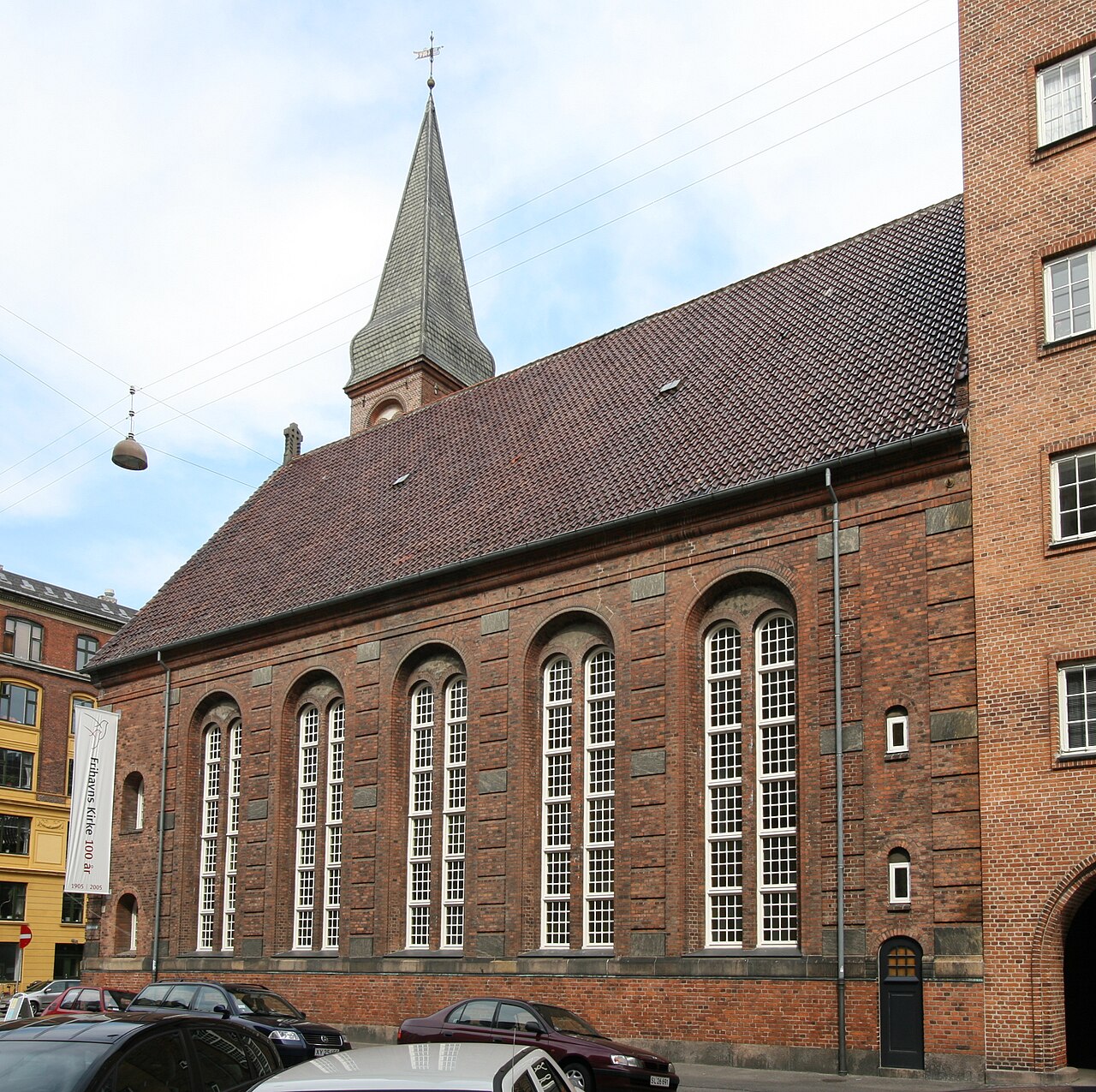
The Free Port is a mixed environment where residential development, commercial activity and port-related traffic meet. Stay alert near roads and service vehicles, and respect barriers around restricted areas. The church remains a religious space, so quiet behaviour, modest dress and sensitivity during services are appropriate. Wind and rain can be noticeable in the open waterfront setting. Construction and redevelopment may alter the easiest walking line, so follow the route available on the day.
Checked 2026-08-26 · Source
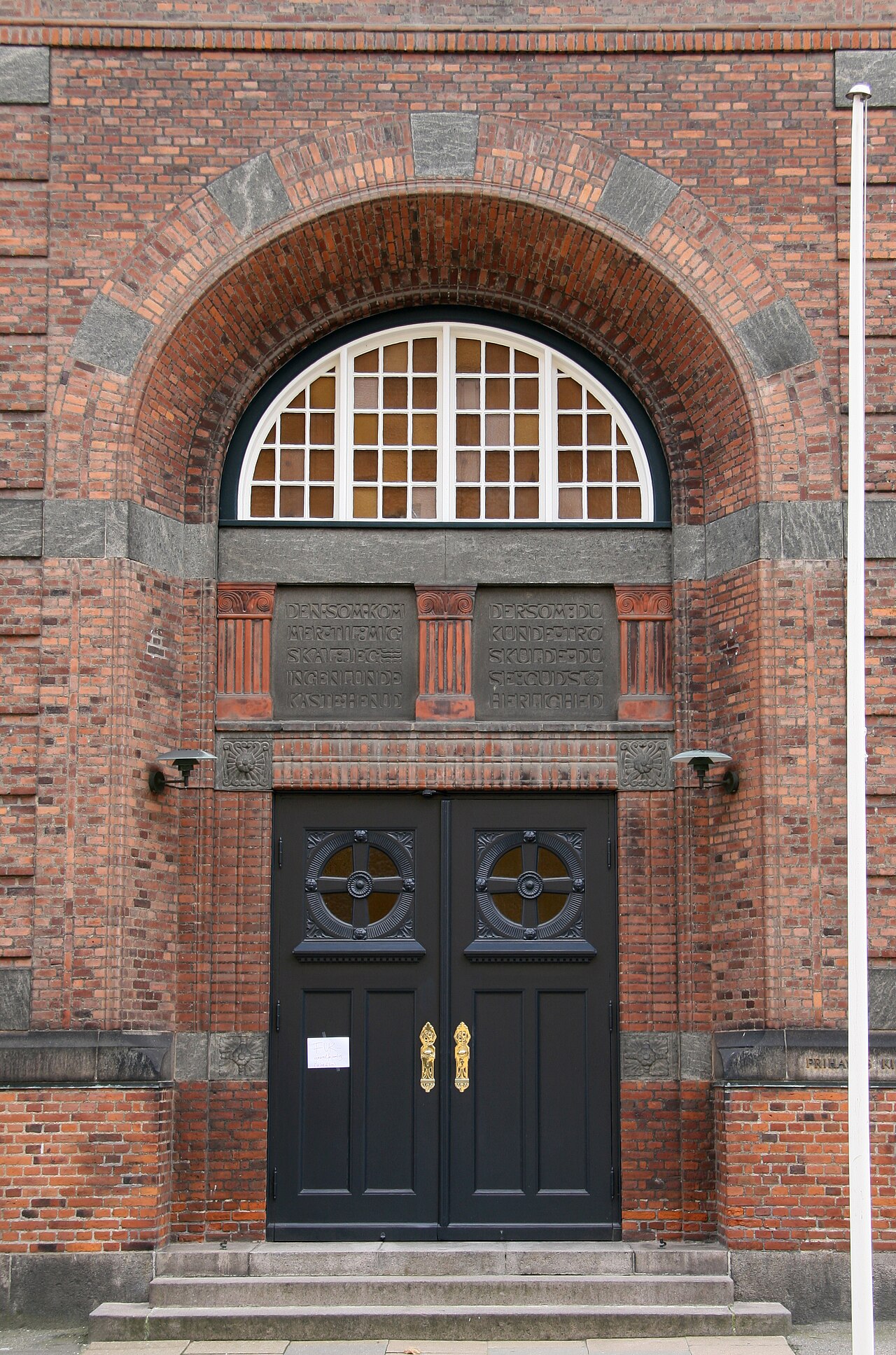
The exterior can be photographed from public streets as part of a respectful architectural walk. Include the surrounding port landscape if you want to show how the church belongs to its district rather than presenting it in isolation. Inside, put worshippers and the congregation first: ask permission before photographing, avoid flash and never interrupt a service for a picture. Port facilities and restricted work areas may also have photography limits, so keep the camera focused on public streets and the church itself.
Checked 2026-08-26 · Source
Frihavnskirken is the Church of the Free Port, an active place of worship in Copenhagen’s port district.
Its setting reflects the district’s maritime and industrial development, when port activity supported new housing and community institutions.
Allow fifteen to thirty minutes for an exterior stop, with extra time if you attend a service or continue through the surrounding port district.
Interior visits belong to the church’s worship and community activity. Enter quietly when access is available and give priority to the congregation.
It is in Copenhagen’s Free Port area, northeast of the historic city centre, within a district shaped by port activity and redevelopment.
Keep quiet, dress respectfully, silence your phone, avoid interrupting worship and ask permission before taking interior photographs.
Loading the interactive map…
The interactive map could not be loaded.
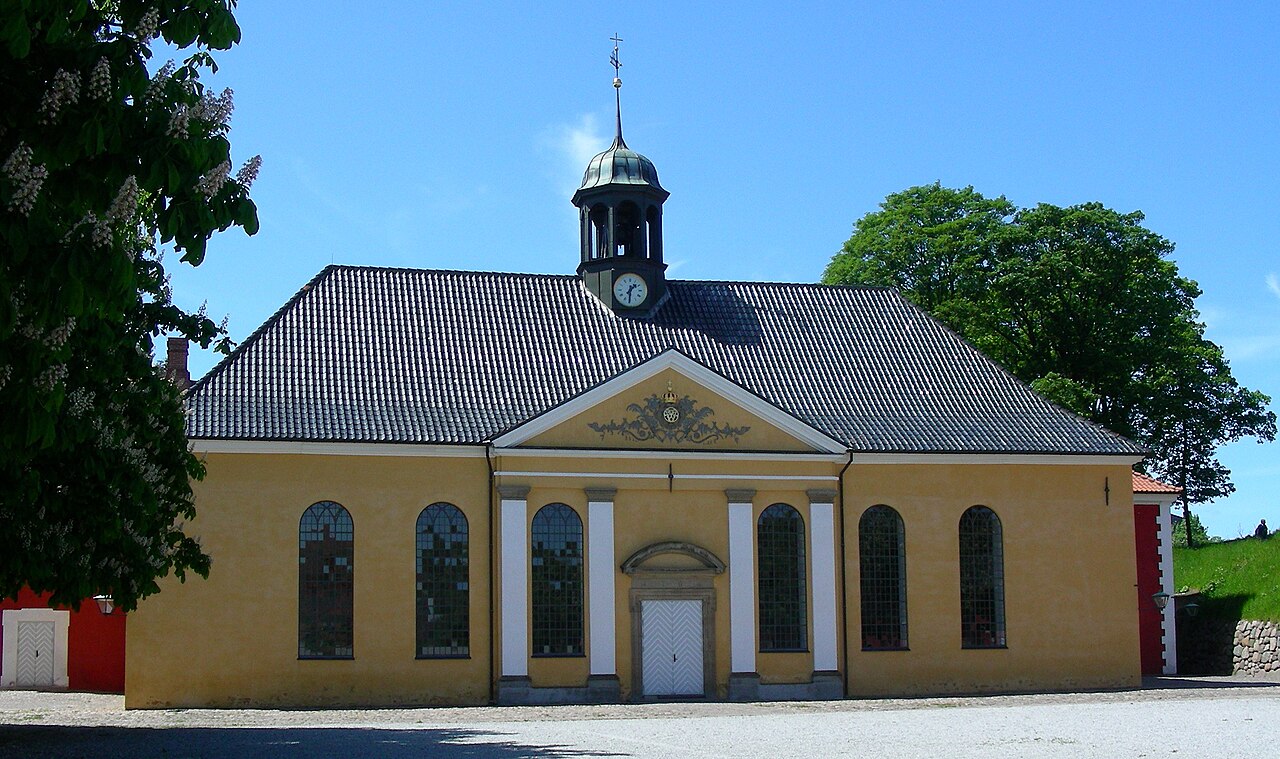

Last updated:
Source: OpenStreetMap contributors, Wikidata ·