.jpg)
14 min walk
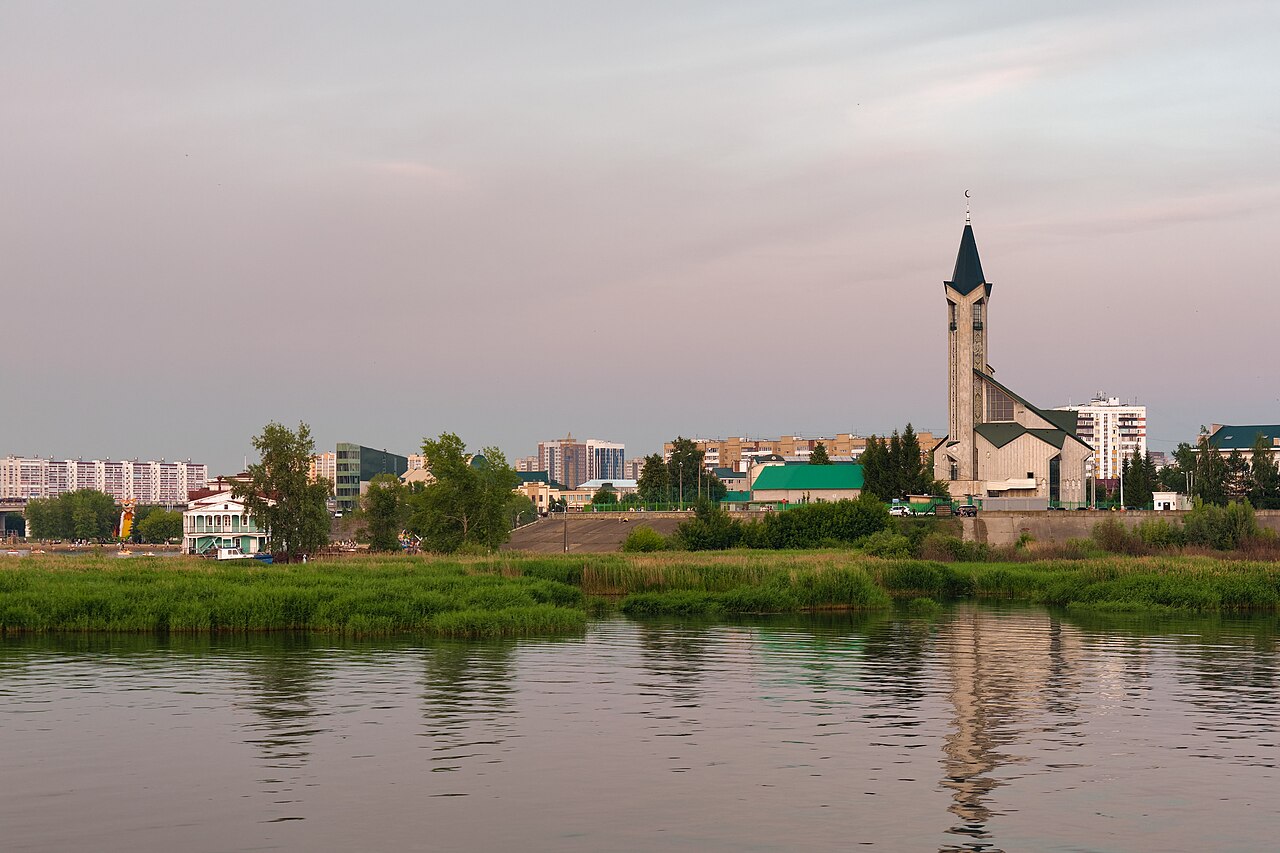
Tauba Mosque
- Notable
- Place of worship
Place of worship · Copenhagen
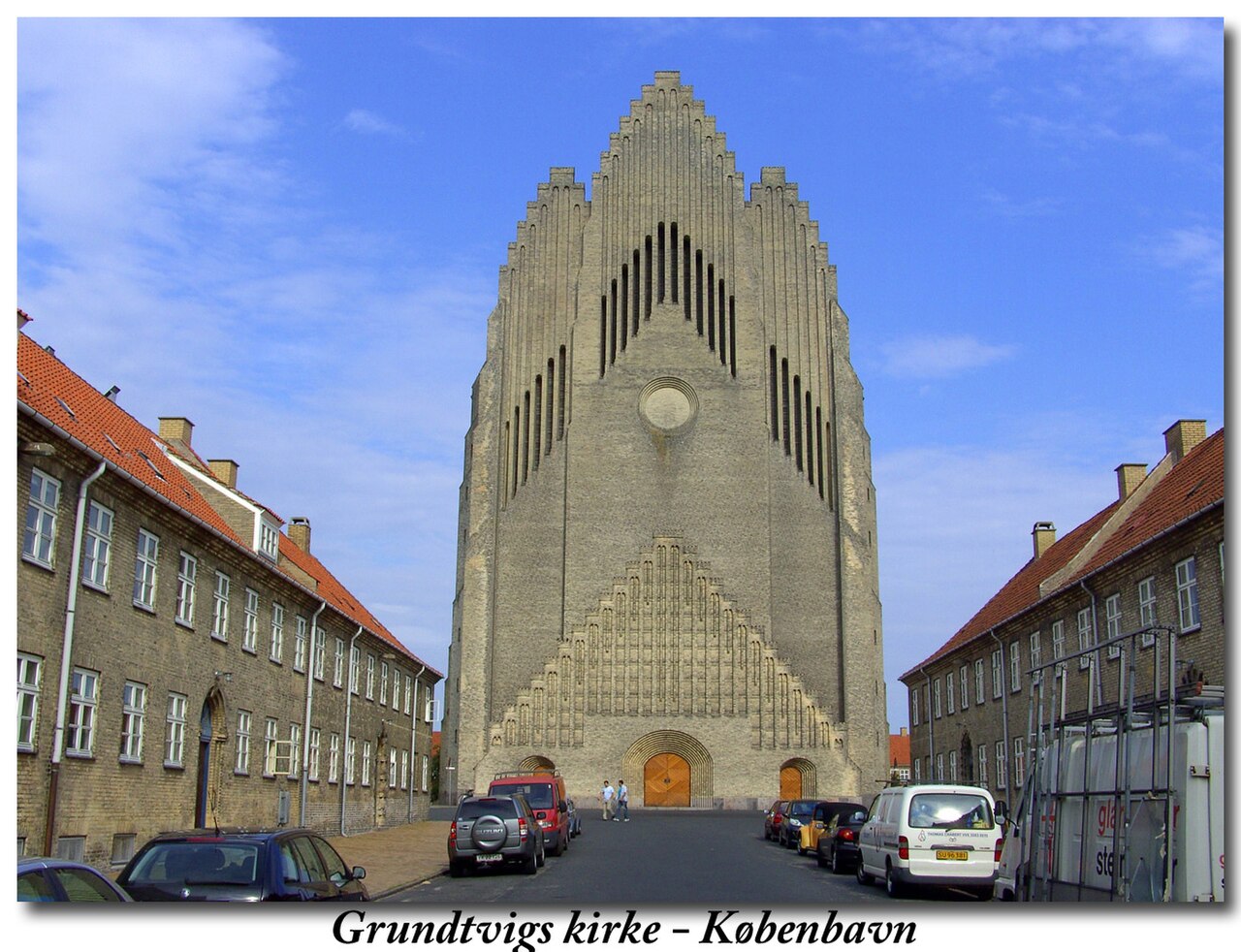
Grundtvigs Kirke
| Monday | Closed |
|---|---|
| Tuesday | 12:00 – 15:45 |
| Wednesday | Closed |
| Thursday | 10:00 – 15:45 |
| Friday | 10:00 – 15:45 |
| Saturday | 14:30 – 15:45 |
| Sunday | 12:30 – 15:45 |
Checked 2026-08-31 · Source
| Per person | Free entry |
|---|
Checked 2026-08-31 · Source
Read from the OpenStreetMap access tags; anything not listed has no tag recorded.
Set the group type to family in the planner and the day window contracts to about three quarters of a solo day.
Grundtvig's Church, known locally as Grundtvigs Kirke, stands as a prominent landmark in Copenhagen. This distinctive building is celebrated for its striking architectural design that merges traditional Danish church aesthetics with expressionist elements. The structure serves as both a functioning place of worship and a significant cultural monument. Its unusual stepped gable facade and imposing scale make it immediately recognizable. The church honors N.F.S. Grundtvig, a Danish philosopher, historian, and hymn writer who profoundly influenced national identity. Monday closed; Tuesday 12:00–15:45; Wednesday closed; Thursday 10:00–15:45; Friday 10:00–15:45; Saturday 14:30–15:45; Sunday 12:30–15:45.
Checked 2026-08-31 · Source
The interior of Grundtvig's Church impresses visitors with its vast vertical space and distinctive yellow brickwork that extends seamlessly from exterior to interior. The nave features extraordinary height, creating an atmosphere of contemplative grandeur. Organ pipes and seating arrangements demonstrate careful attention to acoustics and congregational experience. Handmade brick details and crafted wooden furnishings reflect traditional Danish building methods. The minimalist aesthetic emphasizes material honesty and structural expression. Light enters through strategic openings, illuminating the pale brick surfaces.
Checked 2026-08-31 · Source
Visitors typically allocate between thirty minutes and one hour for exploring Grundtvig's Church, depending on individual interest in architectural detail. Those with specialized knowledge of ecclesiastical architecture or Danish design history may prefer extended examination of construction techniques and material choices. The church functions as an active religious site, so respectful behavior remains essential regardless of visit duration. Photography enthusiasts often require additional time to capture the interplay of light and brickwork. General self-guided admission is free during tourist opening hours. Optional public guided visits cost DKK 50 per person and DKK 20 for children under 12.
Checked 2026-08-31 · Source
Visitors should independently verify current opening times before planning their journey, as religious sites frequently modify accessibility based on service schedules and seasonal variations. Weekday mornings may offer quieter experiences when services are not occurring. Weekend visits risk coinciding with worship activities that limit interior exploration. Monday closed; Tuesday 12:00–15:45; Wednesday closed; Thursday 10:00–15:45; Friday 10:00–15:45; Saturday 14:30–15:45; Sunday 12:30–15:45. The south porch beside the church office provides a level entrance from the surrounding ground. The tower-porch entrance has one approximately 20 cm stone step; a wheelchair ramp is available there.
Checked 2026-08-31 · Source
Many Danish churches operate without admission fees for general visitation, though voluntary donations support maintenance and preservation efforts. Special exhibitions, concerts, or guided tours may involve separate charges requiring advance clarification. Visitors should carry modest cash for contribution boxes if encountered. Group arrangements or educational programming potentially incur organized fees. General self-guided admission is free during tourist opening hours. Optional public guided visits cost DKK 50 per person and DKK 20 for children under 12. The south porch beside the church office provides a level entrance from the surrounding ground.
Checked 2026-08-31 · Source
Grundtvig's Church occupies a location in Copenhagen's Bispebjerg district, somewhat removed from the dense central tourist core. Public transportation provides reliable access through Copenhagen's integrated bus and metro network. Visitors should consult journey planners for current route options, as service patterns evolve. Bus 6A runs from Nørreport St. (Nørre Voldgade) to Bispebjerg Torv (Tagensvej); alight at Bispebjerg Torv and continue to the church at På Bjerget 14B. S-train line F serves Bispebjerg St., where bus 6A continues to Bispebjerg Torv. Drivers may use the church's three-hour free parking, but parking on the surrounding municipal grass is prohibited.
Checked 2026-08-31 · Source
As an active religious institution, Grundtvig's Church demands respectful conduct from all visitors regardless of personal beliefs. Photography restrictions may apply during services or in specific areas; observing posted guidance and responding to staff direction remains essential. The building's scale and stepped exterior create challenging surfaces that become slippery in wet conditions. Interior acoustics amplify sound, making quiet conversation noticeably disruptive. The south porch beside the church office provides a level entrance from the surrounding ground. The nave and choir are on one level, and chairs can be moved by arrangement to create wheelchair space.
Checked 2026-08-31 · Source
The dramatic architecture of Grundtvig's Church offers compelling photographic subjects both externally and internally. The west facade with its distinctive stepped gable provides iconic exterior compositions best captured in soft natural light. Interior photography challenges include extreme contrast between illuminated brick and shadowed recesses, suggesting bracketed exposures or deliberate artistic choices. Wide-angle lenses accommodate the soaring nave height. Respect for worshippers and services takes absolute precedence over photographic objectives. The crypt is reached using two stairlifts with a maximum load of 175 kg; a church attendant must assist.
Checked 2026-08-31 · Source
It was built as a memorial to the Danish pastor, poet, and reformer N.F.S. Grundtvig; its original name was Grundtvig's Memorial Church.
Peder Vilhelm Jensen Klint designed it; after his death, his son Kaare Klint completed the building, and Kaare's son Esben Klint handled the final works.
The foundation stone was laid on 8 September 1921, the tower opened as a temporary church on 11 December 1927, and the completed church was inaugurated on 8 September 1940.
The church states that the building contains about five million bricks and that every brick was hand-finished.
They reflect its two-stage construction: the completed tower served as the church for 13 years before the rest of the building was finished in 1940.
Commercial and bridal photography require prior written permission, and sightseeing is prohibited during services.
Loading the interactive map…
The interactive map could not be loaded.
Last updated:
Source: OpenStreetMap contributors, Wikidata ·