4 min walk
Qasr El Nil Bridge
- Must see
- Historic monument
Language · 11 published
Nature site · Cairo
حديقة الأندلس
Reviewed by Elena Voss · Roavina Travel Editor
| Monday | 09:00 – 23:59 |
|---|---|
| Tuesday | 09:00 – 23:59 |
| Wednesday | 09:00 – 23:59 |
| Thursday | 09:00 – 23:59 |
| Friday | 09:00 – 23:59 |
| Saturday | 09:00 – 23:59 |
| Sunday | 09:00 – 23:59 |
Checked 2026-08-31 · Source
Read from the OpenStreetMap access tags; anything not listed has no tag recorded.
Set the group type to family in the planner and the day window contracts to about three quarters of a solo day.
This place is a Park.
Al-Andalus Garden is a compact public garden situated on the eastern bank of the Nile River in central Cairo, immediately beside the Qasr El Nil Bridge. Its local name is حديقة الأندلس. The garden occupies a riverfront position within the downtown area, offering pedestrians a green pause during walks along the Nile Corniche. Daily 09:00–00:00. Cairo Governorate reopened the garden in November 2024. The responsible Specialized Gardens Project operates throughout the week, so there is no weekly closure day. General admission is EGP 10 per person.
Checked 2026-08-31 · Source
The garden contains typical municipal landscaping elements including lawns, trees, and paved walkways suited to brief recreational stops. As a compact garden, its features are scaled to its riverfront footprint rather than expansive botanical collections. The proximity to Qasr El Nil Bridge means the garden sits within one of downtown Cairo's most trafficked zones. Visitors should expect standard urban park amenities rather than curated botanical or historical exhibitions. Cairo Governorate reopened the garden in November 2024. The responsible Specialized Gardens Project operates throughout the week, so there is no weekly closure day.
Checked 2026-08-31 · Source
A visit to Al-Andalus Garden suits brief pauses rather than extended excursions. The garden functions as a breathing space during longer itineraries connecting Tahrir Square, the Egyptian Museum, or Corniche promenades. Travelers integrating this stop into broader downtown exploration should allocate time proportionally to its scale. No guided tours or programmed activities requiring fixed durations are recorded. General admission is EGP 10 per person. The official garden description identifies four ascending stepped paths leading to the upper level, so not all visitor areas are step-free. The upper level has paved marble and multicoloured tile paths with marble seating.
Checked 2026-08-31 · Source
Visitors should not rely on assumed schedules. Cairo's climate features hot summers and mild winters; outdoor spaces become uncomfortable during midday peak heat from May through September. The garden's downtown location means it experiences Cairo's urban rhythm, with potentially reduced appeal during rush-hour congestion. Travelers should verify current status through local inquiry before planning visits. Daily 09:00–00:00. The official garden description identifies four ascending stepped paths leading to the upper level, so not all visitor areas are step-free. The upper level has paved marble and multicoloured tile paths with marble seating.
Checked 2026-08-31 · Source
Many small municipal gardens in Cairo operate with minimal or no entry fees, but this pattern cannot be assumed for Al-Andalus Garden specifically. Visitors should carry small denominations of Egyptian pounds for potential nominal charges. No advance booking systems or online ticketing platforms are documented. General admission is EGP 10 per person. The official garden description identifies four ascending stepped paths leading to the upper level, so not all visitor areas are step-free. The upper level has paved marble and multicoloured tile paths with marble seating. Mohamed Bek Zulfikar created the garden in 1935, late in the reign of King Fuad I.
Checked 2026-08-31 · Source
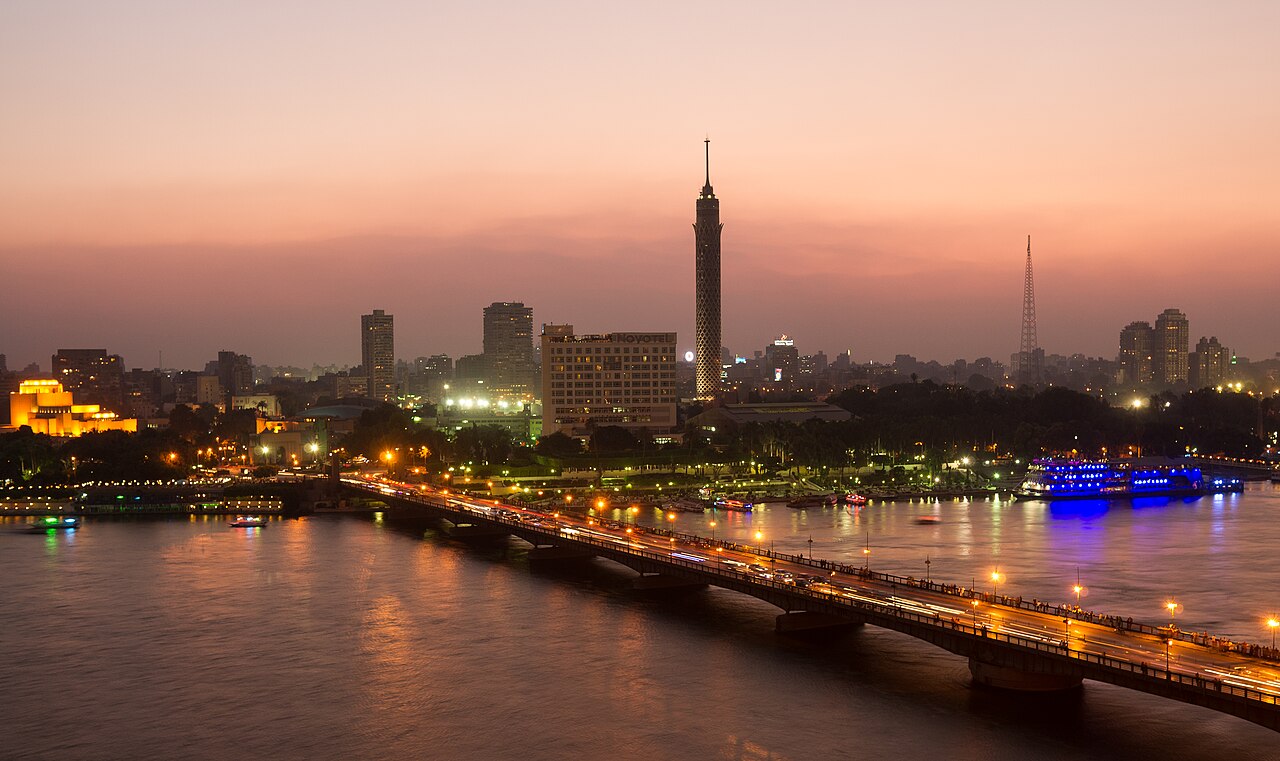
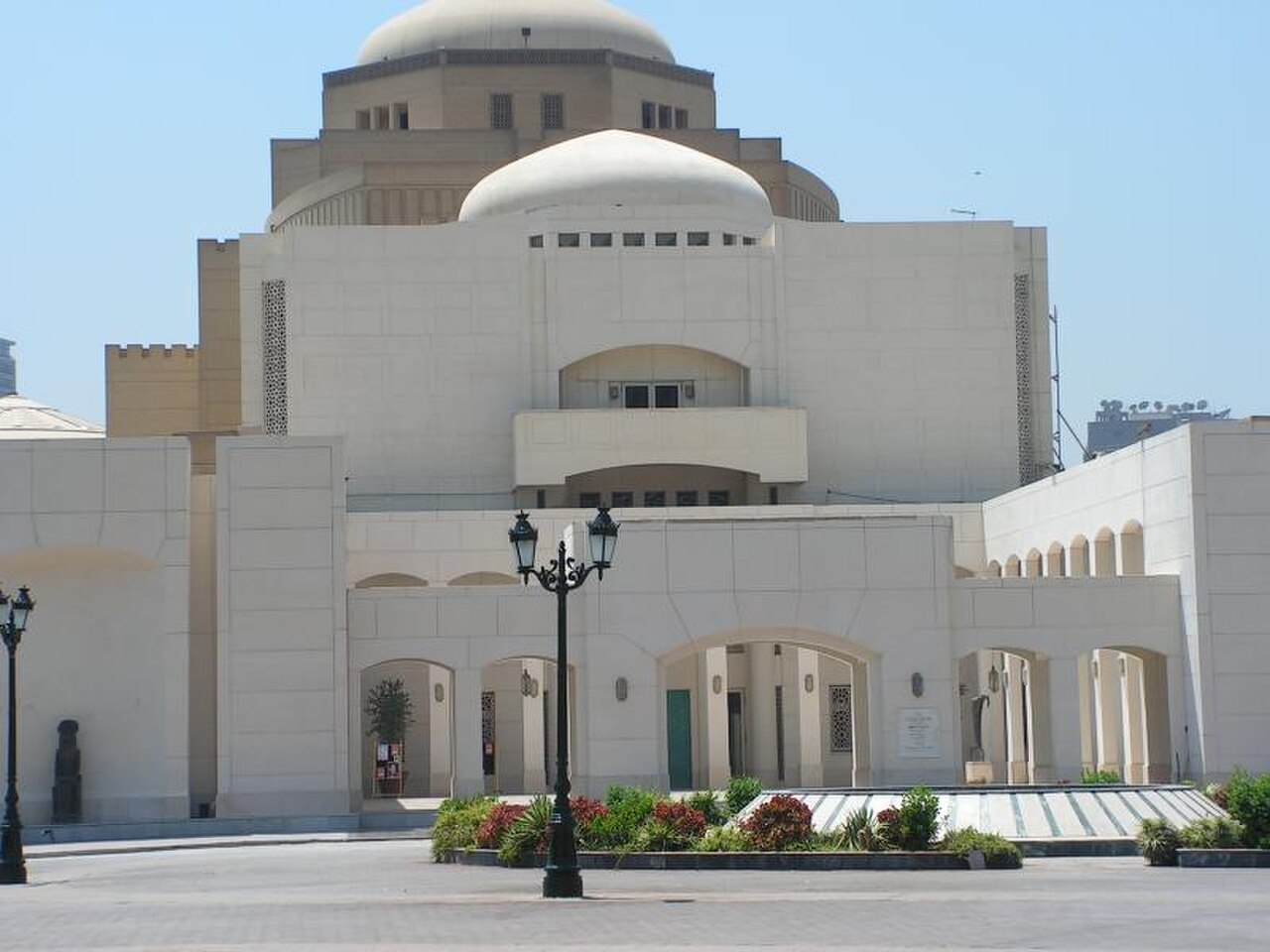
The garden's position beside Qasr El Nil Bridge places it at a major downtown landmark. The bridge connects Gezira Island to the eastern bank, making the garden accessible from both directions. Tahrir Square lies within walking distance to the southeast. The garden is on Saraya Al Gezira Street in Zamalek, beside New Opera Square and the eastern end of Qasr El Nil Bridge. The named public-transport arrival is Opera station on Cairo Metro Line 2; Cairo Governorate identifies it as the closest metro station to Zamalek and the Nile Corniche.
Checked 2026-08-31 · Source
Standard urban park precautions apply in this central Nile location. The garden's proximity to heavy traffic on the bridge and Corniche means air quality and noise levels reflect downtown Cairo conditions. Visitors should remain attentive to belongings in any public space. The riverfront edge requires appropriate caution, particularly for children. The official garden description identifies four ascending stepped paths leading to the upper level, so not all visitor areas are step-free. Mohamed Bek Zulfikar created the garden in 1935, late in the reign of King Fuad I. It was the first garden in Egypt registered as a monument on the Islamic and Coptic antiquities list.
Checked 2026-08-31 · Source
The garden's Nile-facing position offers framing possibilities with the river, bridge structure, and Gezira Island beyond. Daylight hours provide natural illumination of the water and downtown skyline. The compact scale limits interior compositional variety, though the juxtaposition of greenery against urban infrastructure may interest some photographers. No photography restrictions are recorded, though standard respect for other visitors applies. Tripod use for night exposures may attract security attention in this sensitive central zone. Equipment security warrants attention in crowded public settings. It was the first garden in Egypt registered as a monument on the Islamic and Coptic antiquities list.
Checked 2026-08-31 · Source
Mohamed Bek Zulfikar created the garden in 1935, late in the reign of King Fuad I.
It was the first garden in Egypt registered as a monument on the Islamic and Coptic antiquities list.
The southern section, called the Arab Paradise Garden, follows the style of the Andalusian gardens of southern Spain.
A statue of poet Ahmed Shawqi by Egyptian sculptor Mahmoud Mokhtar stands beneath the decorated Andalusian pavilion.
Five lion sculptures feed a sunken rectangular pool containing two marble fountains.
The northern section contains a Pharaonic gateway, a model of the Sheikh el-Balad statue, royal palms and replicas of Pharaonic statues.
Loading the interactive map…
The interactive map could not be loaded.
Last updated:
Source: OpenStreetMap contributors, Wikidata ·